
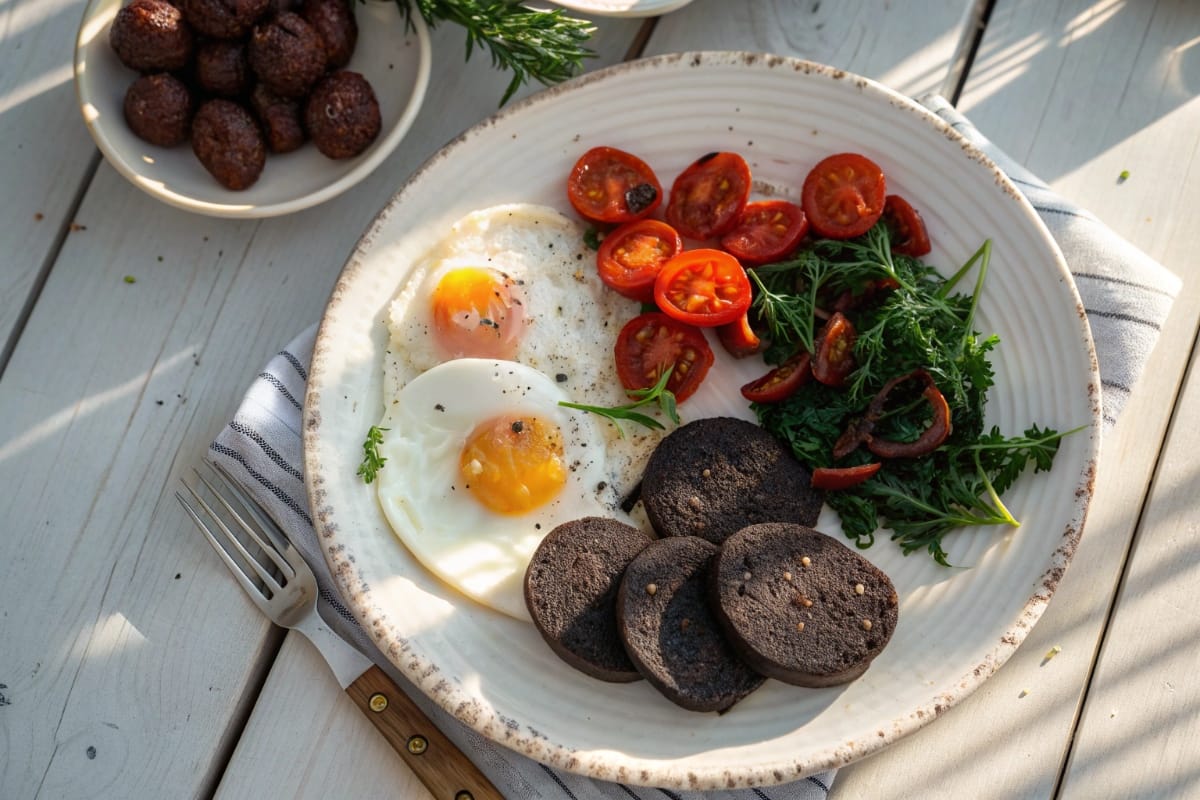
If you miss a proper full English or Irish breakfast, this homemade black pudding recipe lets you recreate that classic plate at home. Cooks in the UK and Ireland traditionally make black pudding from pork blood, fat, and oats or barley, then serve it hot alongside eggs, tomatoes, and toast. Wikipédia This version bakes in a loaf pan, so you avoid wrestling with sausage casings but still get the same rich, savory flavor.
It’s naturally high in protein, low in carbs, and packed with iron, which makes it an interesting option for anyone who enjoys traditional foods and wants more protein at breakfast. If you live in the US, where black pudding can be tough to buy, this straightforward method helps you make your own at home in a safe, controlled way.
Quick Recipe Snapshot
- Prep time: 25 minutes
- Cook time: 70 minutes
- Chill time: 3 hours (hands-off)
- Total time: About 4 hours 15 minutes
- Servings: 5 (about 2 slices each)
- Difficulty: Medium
- Diet type: High-Protein, Low-Carb (not vegetarian)
You’ll find a printable recipe card with exact measurements and nutrition details at the end of this post.
Table of Contents
Ingredients for Black Pudding Recipe
This makes one loaf (about 10 slices).
Cereal / Binder
- 1 cup (100 g) steel-cut oats or pinhead oatmeal (use certified gluten-free oats if needed)
- 1 cup (240 ml) whole milk or buttermilk
Aromatics & Fat
- 1 tablespoon neutral oil, lard, or beef tallow (for the pan)
- 1 large yellow onion, finely diced
- 2 cloves garlic, minced (optional)
Meat & Blood
- 1 pound (450 g) fresh pork blood, or reconstituted dried pork blood (follow package directions)
- 8 ounces (225 g) lean ground pork
- 8 ounces (225 g) pork back fat or very fatty bacon, finely diced and blanched
Seasoning
- 1½ teaspoons fine sea salt (or to taste)
- 1 teaspoon freshly ground black pepper
- 1 teaspoon dried thyme
- 1 teaspoon dried marjoram (or oregano)
- ½ teaspoon ground allspice
- ¼ teaspoon freshly grated nutmeg
- ½ teaspoon smoked paprika (optional, for a smoky note)
- ¼ cup (30 g) chopped fresh flat-leaf parsley
For the pan
- Butter, oil, or lard for greasing
- Parchment paper
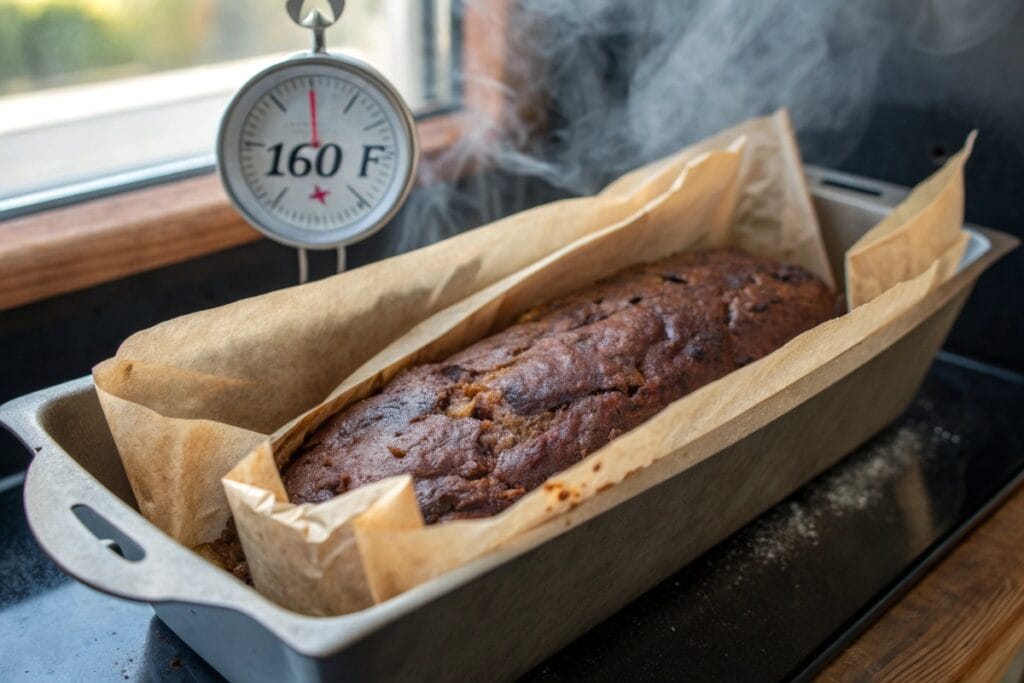
Food safety note: Buy blood and pork from inspected, reputable suppliers. Keep ingredients cold as you work, and cook the loaf to at least 160°F (71°C) in the center.
Black Pudding Recipe
Step-by-Step Instructions
- Prep the pan and oven.
Preheat the oven to 325°F (163°C). Grease a 9×5-inch loaf pan and line it with parchment, leaving an overhang to lift the loaf out later. - Soak the oats.
Add the steel-cut oats to a bowl. Warm the milk just until lukewarm and pour it over the oats. Stir and let the mixture sit for 15–20 minutes while you prepare the other ingredients. - Cook the aromatics.
Heat 1 tablespoon fat in a skillet over medium heat. Add the diced onion and cook 8–10 minutes until soft and lightly golden, stirring often. Add garlic in the last minute and cook just until fragrant. Take the pan off the heat and let the mixture cool. - Blanch the back fat.
Place the diced pork back fat in a small saucepan, cover with cold water, and bring to a gentle simmer. Cook 3–4 minutes. Drain well and pat the pieces dry. This step gives you tender bits of fat instead of chewy chunks. - Mix the seasonings.
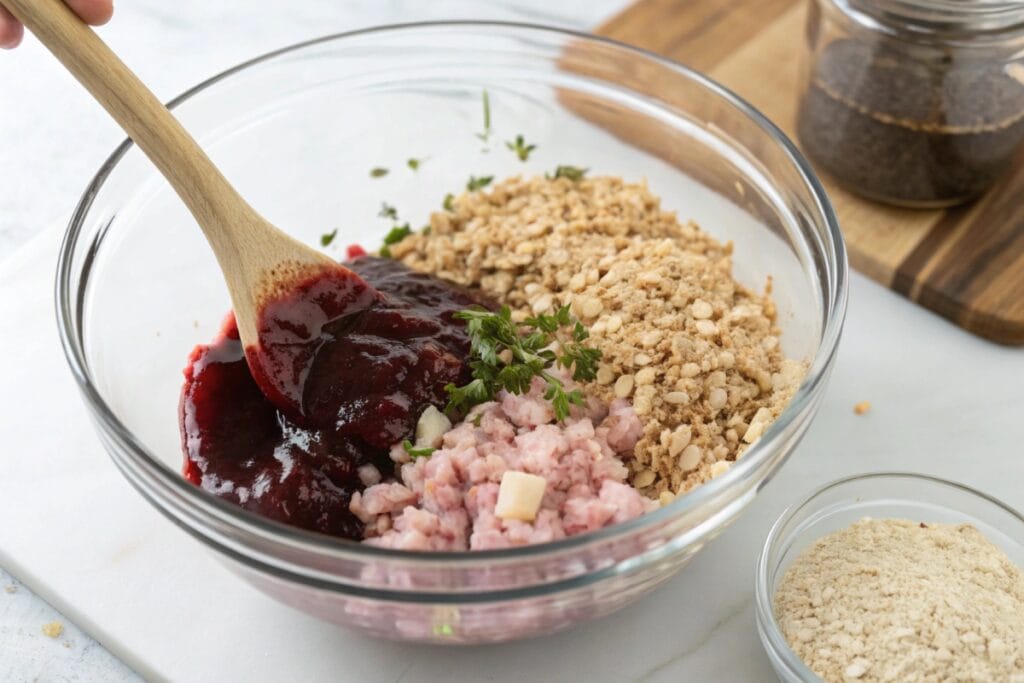
In a large mixing bowl, stir together salt, pepper, thyme, marjoram, allspice, nutmeg, smoked paprika (if using), and chopped parsley. - Add pork and fat.
Add the ground pork, blanched back fat or bacon, and cooled onions/garlic to the bowl. Mix with clean hands or a sturdy spoon until the herbs and spices spread evenly through the meat. - Add soaked oats.
Stir the soaked oats and any remaining milk into the meat mixture. You should see an evenly combined, slightly loose mixture. - Whisk the blood.
In a separate bowl or large measuring jug, gently whisk the pork blood until it looks smooth with no clumps. - Combine blood with the meat mixture.
Pour the blood into the bowl with oats and pork. Stir slowly until everything looks evenly mixed and pourable. Do not taste at this point; you must rely on your seasoning amounts and aroma. - Fill the loaf pan.
Pour the mixture into the prepared loaf pan. Tap the pan a few times on the counter to remove air bubbles and smooth the top with a spatula. - Set up a water bath.
Place the loaf pan inside a larger roasting pan. Pour hot tap water into the roasting pan until it reaches halfway up the sides of the loaf pan. This gentle water bath helps the pudding cook evenly. - Bake until set.
Transfer the roasting pan to the oven. Bake 60–70 minutes, until the top looks set and springs back lightly when you press it, and an instant-read thermometer in the center reads at least 160°F (71°C). - Cool and chill.
Carefully lift the loaf pan out of the water bath. Let the black pudding cool to room temperature, about 45–60 minutes. Cover, then chill in the fridge for at least 2–3 hours or overnight so it firms up. - Slice the loaf.
Use the parchment to lift the cold loaf out of the pan. Slice into ½-inch thick slices. The loaf is fully cooked now, but pan-frying gives you the classic crisp edges. - Pan-fry to serve.
Heat a thin layer of fat in a skillet over medium heat. Add slices in a single layer and cook 2–3 minutes per side until the edges turn crisp and the center heats through. Serve right away.
Black Pudding Recipe
Tips & Variations
- Gluten-free option: Use certified gluten-free oats, or replace the oats with 1 cup cooked and cooled brown rice. This keeps the structure while avoiding barley and wheat fillers that some commercial black puddings use.
- Leaner version: Use 90% lean ground pork, reduce back fat to 6 ounces, and increase oats to 1¼ cups. The texture stays satisfying, but you cut some saturated fat.
- Herb variations: Traditional recipes often use thyme, marjoram, and sometimes mint in black pudding. Add a pinch of dried mint or extra pepper if you like a brighter, more herbal flavor.
- Smoky twist: Swap the back fat for smoked bacon and keep the smoked paprika for a more bacon-forward flavor that pairs well with eggs.
- Batch and freeze: Bake two loaves if your oven allows. Slice, freeze the slices on a tray, then store them in freezer bags so you can fry just a few pieces at a time.
Serving Suggestions
Black pudding often appears as part of a full English or Irish breakfast with eggs, bacon, tomatoes, and toast. Here are a few ways to serve it:
- High-protein breakfast plate: Serve two slices with soft-scrambled eggs, sautéed spinach, and grilled tomatoes for extra protein and fiber.
- Brunch board: Arrange crisp slices with roasted potatoes, blistered cherry tomatoes, and a simple green salad dressed with lemon and olive oil.
- Toast and egg: Layer black pudding on gluten-free toast or your favorite low-carb bread, then top with a runny fried egg and fresh chives.
- Hearty dinner: Pair slices with mashed potatoes or mashed cauliflower and a side of braised cabbage for an old-school, cozy dinner.
Storage & Reheating
- Fridge: Store the whole cooled loaf, well wrapped, or sliced black pudding in an airtight container for up to 4 days.
- Freezer: Freeze slices on a parchment-lined tray until solid, then transfer to a freezer-safe bag or container. They keep well for up to 2 months.
- Reheating from the fridge: Pan-fry slices in a lightly oiled skillet over medium heat for 2–3 minutes per side until hot and crisp.
- Reheating from frozen: Cook frozen slices over medium-low heat 3–4 minutes per side. Cover the pan for the first few minutes to help warm the center, then uncover to crisp the outside.
Try to reheat each slice only once for the best texture and food safety.
Nutrition Highlights for Black Pudding Recipe
Approximate nutrition per serving (about 2 slices, 1/10 of the loaf):
- Calories: ~230
- Protein: ~14 g
- Carbohydrates: ~9 g (about 1 g fiber)
- Fat: ~14 g (about 5 g saturated fat)
- Sugar: ~1 g
Commercial black pudding often lands around 275–325 calories per 100 g, with 14–18 g of protein, moderate carbs, and a decent amount of iron, thanks to the blood. Those numbers make it a high-protein, low-carb choice compared with many other breakfast meats. At the same time, many versions contain significant saturated fat and salt, so most dietitians suggest enjoying it occasionally rather than daily.
If you want to dig deeper into the pros and cons, the nutrition guide from BBC Good Food walks through how often black pudding fits into a balanced diet.

Black Pudding Recipe
Why This Recipe Matters to Me
In my own family, I watched how much traditional comfort food mattered at the table, even as health issues like diabetes and high blood pressure started to show up. I saw the tension between wanting those deep, familiar flavors and needing more control over ingredients.
Black pudding looks intense, but it can fit into a thoughtful, protein-forward way of eating when you manage the fat and seasoning. Baking it in a loaf instead of deep-frying, choosing leaner pork, and using gluten-free oats when needed lets me honor a very old-school breakfast while still respecting the health stories so many of us now carry.
FAQ About Black Pudding Recipe
What is black pudding made of?
Cooks usually make black pudding from pork blood, pork fat or suet, and a cereal such as oatmeal, oat groats, or barley, plus herbs, onions, and spices. The relatively high amount of cereal and the use of herbs like thyme and marjoram help distinguish it from other types of blood sausage. In this recipe, you use pork blood, ground pork, back fat, steel-cut oats, onions, and warming spices.
Bottom line: Black pudding combines blood, fat, cereal, and seasonings that set into a firm sausage or loaf.
What is black pudding called in America?
In the US and Canada, people usually call black pudding blood sausage rather than using the UK name. Many traditional European communities make their own versions of blood sausage, sometimes with rice, cornmeal, or bread instead of oats. Some specialty butchers sell products very close to UK-style black pudding but still label them as blood sausage.
Bottom line: If you want something similar in America, ask for blood sausage at European-style or specialty butchers.
Is black pudding healthy or not?
Black pudding has both positives and negatives. On the plus side, it tends to be high in protein, low in carbohydrates, and rich in iron and zinc because of the blood content. That combination can help you feel full and support healthy red blood cells. On the downside, many commercial versions contain a lot of saturated fat and salt, and black pudding still counts as a processed meat, which most health organizations suggest you limit.
When you make your own black pudding recipe, you can pick leaner pork, reduce fat, and hold back on salt, which makes it easier to fit into a heart-conscious eating pattern. People with high blood pressure, heart disease, or iron overload should still talk to their healthcare provider before eating it often.
Bottom line: Black pudding can be fine as an occasional, portion-controlled protein, but it doesn’t work as an everyday health food.
Is black pudding legal in the US?
You often hear that black pudding is “illegal” in the US, but the reality is more nuanced. Recent coverage explains that the US does not allow import of many UK black puddings, especially those that may contain sheep lungs, which federal rules treat as inedible for humans. However, USDA rules do allow the use of livestock blood in human food, including blood sausage, when inspected facilities collect and handle the blood safely.
That means authentic imported black pudding is very hard to find, but domestic producers can make blood sausage if they follow inspection and labeling standards. Regulations change and vary by jurisdiction, so if you want to sell a product, you must check current USDA and local health department rules. This post only covers home cooking, not legal or business advice.
Bottom line: You generally cannot import traditional UK black pudding into the US, but regulated, US-made blood sausages remain legal.
Can I make this black pudding recipe without pork blood?
If you cannot find pork blood, some suppliers sell beef blood or dried blood powder for cooking. You can use those as substitutes, although beef blood gives a slightly stronger taste. Always follow the safety instructions from the supplier, and keep everything cold as you work.
Bottom line: Yes, you can use other approved animal blood or dried blood powder, but expect a small shift in flavor.
More Recipes You’ll Love
If you love serving this black pudding recipe as part of a leisurely weekend breakfast, you might enjoy pairing it with a batch of warm, savory high-protein breakfast biscuits for guests who prefer a more familiar option.
For a brunch spread that leans higher protein but feels lighter, add a slice of high-protein quiche alongside your black pudding, plus a simple salad.
If you want more ideas for building balanced plates around protein-rich foods like black pudding, bookmark our guide to high-protein foods and our collection of low-calorie high-protein meals for weeknights.
And if you cook for someone who needs to avoid gluten, consider rounding out breakfast with something from our gluten-free recipes collection.
Final Thoughts ‘Black Pudding Recipe’
Homemade black pudding looks intimidating at first, but once you break it into soak, stir, bake, chill, and fry, the process feels surprisingly manageable. Try it for a special breakfast, adjust the herbs and fat level to your taste, and pair it with some of the high-protein, better-for-you recipes already waiting for you on HealthyAmericanBites.com.
Print
Black Pudding Recipe (Homemade Blood Sausage)
This homemade black pudding recipe recreates classic British-style blood sausage in a simple loaf pan. Pork blood, lean ground pork, back fat, oats, onions, and warm spices bake into a firm loaf that chills, slices, and pan-fries beautifully. The result is rich, high in protein, and naturally low in carbs. Serve it with eggs and greens for a hearty breakfast or as a small, savory side on a brunch board.
- Total Time: 4 hours 15 minutes (including chilling)
- Yield: 10 slices (about 5 servings)
Ingredients
1 cup (100 g) steel-cut oats or pinhead oatmeal (certified gluten-free if needed)
1 cup (240 ml) whole milk or buttermilk
1 tablespoon neutral oil, lard, or beef tallow (for the pan)
1 large yellow onion, finely diced
2 cloves garlic, minced (optional)
1 pound (450 g) fresh pork blood or reconstituted dried pork blood (per package directions)
8 ounces (225 g) lean ground pork
8 ounces (225 g) pork back fat or very fatty bacon, finely diced and blanched
1½ teaspoons fine sea salt
1 teaspoon freshly ground black pepper
1 teaspoon dried thyme
1 teaspoon dried marjoram (or oregano)
½ teaspoon ground allspice
¼ teaspoon freshly grated nutmeg
½ teaspoon smoked paprika (optional)
¼ cup (30 g) chopped fresh flat-leaf parsley
Butter, oil, or lard for greasing pan
Parchment paper
Instructions
1. Preheat oven to 325°F (163°C). Grease a 9×5-inch loaf pan and line it with parchment, leaving some overhang.
2. Add oats to a bowl. Warm the milk until just lukewarm and pour over the oats. Stir and let soak 15–20 minutes.
3. Heat 1 tablespoon fat in a skillet over medium heat. Cook onion 8–10 minutes until soft and lightly golden, stirring often. Add garlic in the last minute, then remove from heat to cool.
4. Place diced pork back fat in a small saucepan, cover with cold water, bring to a gentle simmer, cook 3–4 minutes, then drain and pat dry.
5. In a large mixing bowl combine salt, pepper, thyme, marjoram, allspice, nutmeg, smoked paprika (if using), and parsley.
6. Add ground pork, blanched back fat or bacon, and cooled onions/garlic to the bowl. Mix until the seasonings look evenly distributed.
7. Stir soaked oats (with any remaining milk) into the meat mixture until combined.
8. In a separate bowl, gently whisk the pork blood until smooth, then pour it into the oat and meat mixture.
9. Stir slowly with a wooden spoon until the mixture looks evenly combined and pourable.
10. Pour the mixture into the prepared loaf pan and tap gently on the counter to release air bubbles. Smooth the top.
11. Set the loaf pan inside a larger roasting pan and pour hot tap water into the roasting pan until it comes halfway up the loaf pan.
12. Bake 60–70 minutes, until the top looks set and springs back lightly and an instant-read thermometer in the center reads at least 160°F (71°C).
13. Remove the loaf pan from the water bath and cool to room temperature, about 45–60 minutes. Cover and chill 2–3 hours or overnight until firm.
14. Lift the loaf out of the pan using the parchment. Slice into ½-inch slices.
15. To serve, heat a thin layer of oil or fat in a skillet over medium heat. Pan-fry slices 2–3 minutes per side until crisp and heated through.
Notes
Buy pork blood and pork from reputable, inspected suppliers and keep everything very cold as you work.
For a gluten-free option, use certified gluten-free oats or swap in 1 cup cooked and cooled brown rice in place of the oats.
Store the cooled loaf or slices in an airtight container in the fridge for up to 4 days, or freeze slices for up to 2 months.
Pan-fry slices straight from the fridge for 2–3 minutes per side, or from frozen over medium-low heat for 3–4 minutes per side.
Serve with eggs, sautéed greens, and grilled tomatoes for a high-protein breakfast plate.
- Prep Time: 25 minutes
- Cook Time: 70 minutes
- Category: Breakfast
- Method: Baked
- Cuisine: British
Black Pudding Recipe