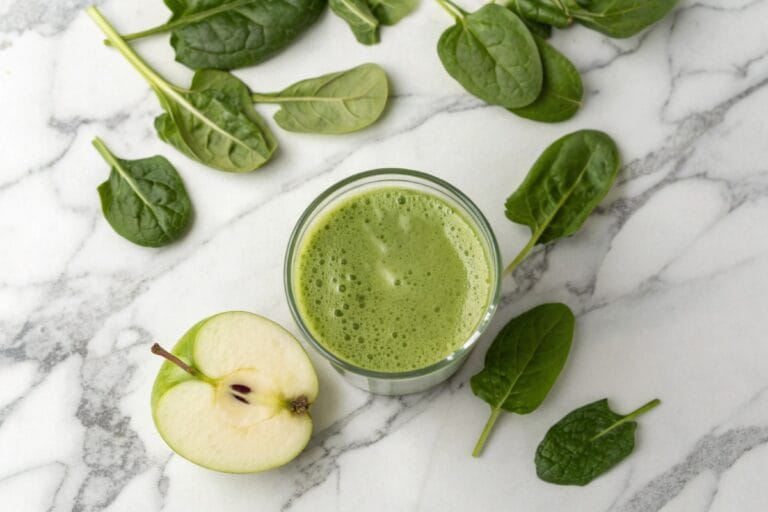
Juicing recipes can be as simple or as creative as you want, but the goal is usually the same: pack more fruits and veggies into your day in a way that tastes good and feels refreshing. This post gives you one flexible green base recipe plus a couple of easy flavor variations, so you can mix and match depending on what you have on hand. These juicing recipes are naturally vegan and gluten-free and work whether you use a juicer or a blender with a fine strainer. They’re perfect for mornings, mid-afternoon pick-me-ups, or pairing with a light meal when you want something fresh and bright.
Quick Recipe Snapshot
Main recipe: Everyday Green Apple Ginger Juice
Prep time: 10 minutes
Cook time: 0 minutes
Total time: 10 minutes
Servings: 2 (about 10–12 oz each)
Difficulty: Easy
Diet type: Vegan, Gluten-Free, Dairy-Free
You’ll find a printable recipe card with exact measurements and nutrition details at the end of this post.
Table of Contents
Ingredients for Juicing Recipes
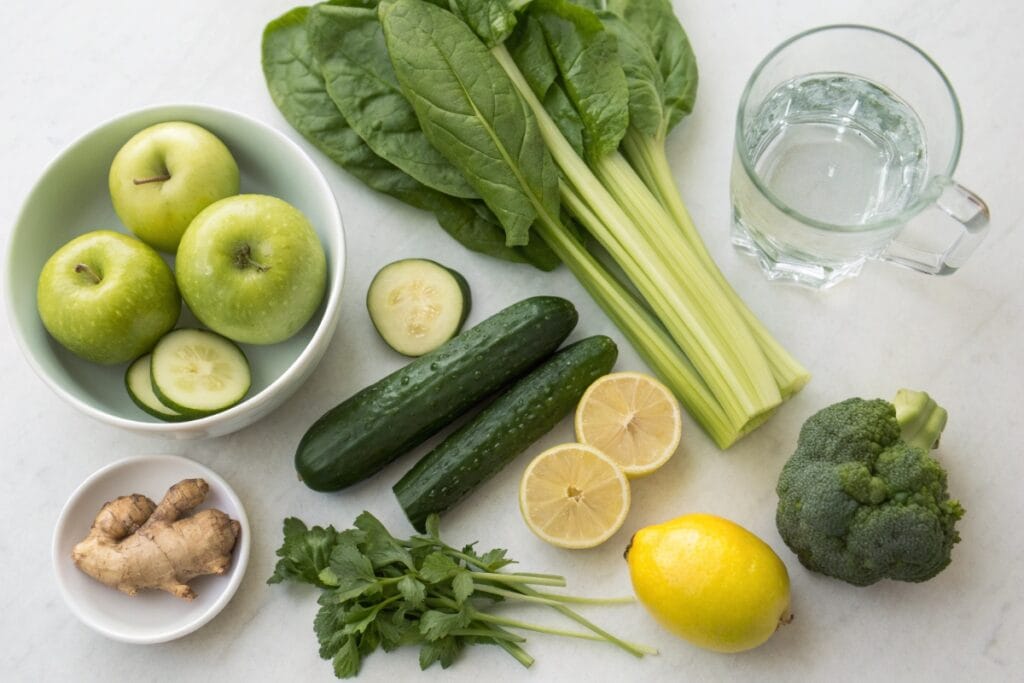
Everyday Green Apple Ginger Juice (Base Recipe)
2 medium green apples, cored
3 celery stalks, trimmed
1 small cucumber, roughly chopped
1 large handful fresh spinach or kale (about 1 cup, loosely packed)
½ lemon, peel removed
½–1 inch fresh ginger root, peeled (use less if you prefer a mild flavor)
½–1 cup cold water (for blender method only, adjust as needed)
Ice cubes for serving (optional)
Optional Add-Ins
Fresh mint or basil leaves
½ small pear or kiwi for extra sweetness
Pinch of sea salt to brighten flavors
Step-by-Step Instructions
If You’re Using a Juicer
Prep the produce. Wash all produce well. Core the apples, trim the celery ends, peel the lemon and ginger, and roughly chop anything too large for your juicer chute.
Juice the ingredients. Run the apples, celery, cucumber, greens, lemon, and ginger through your juicer, alternating softer and harder ingredients to help everything feed smoothly.
Taste and adjust. Stir the juice. Taste and add more lemon or ginger if you want extra brightness or heat. If it tastes too strong, dilute with a little cold water.
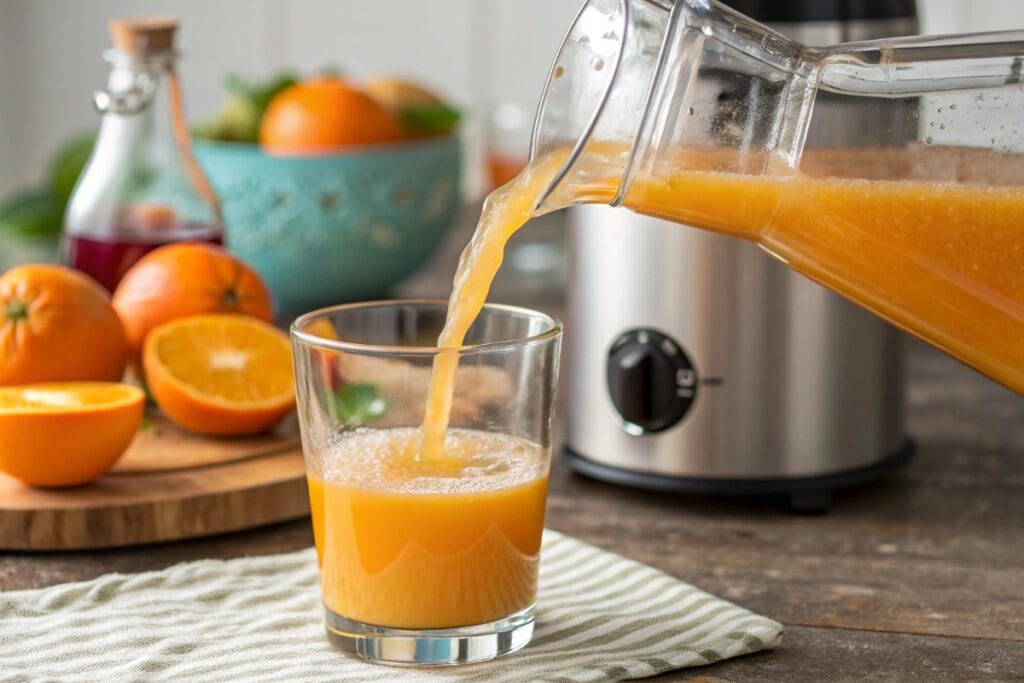
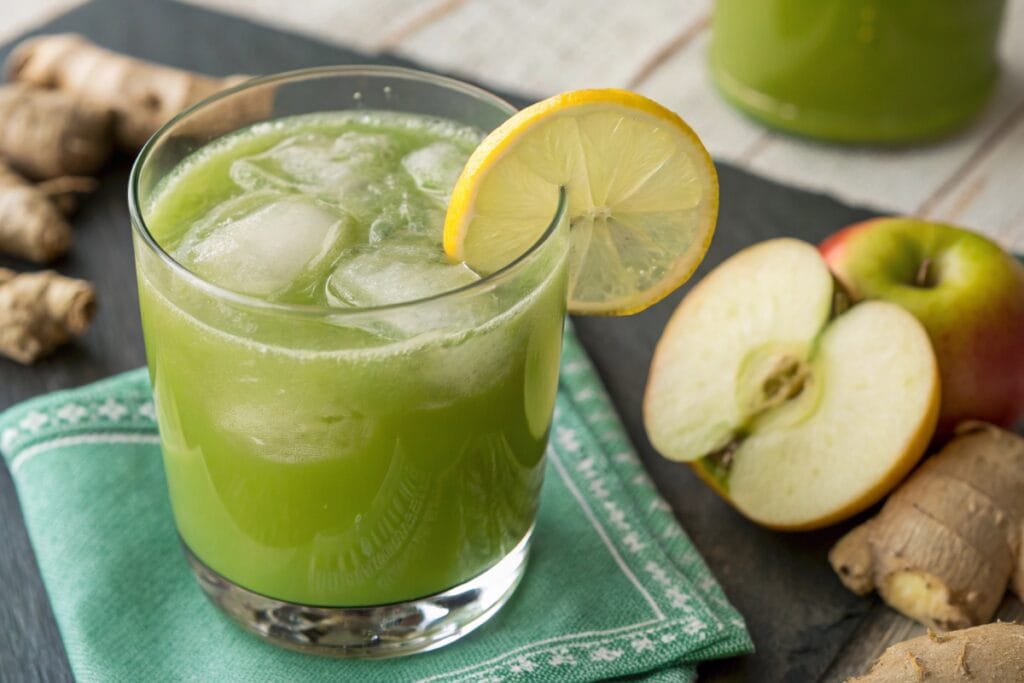
Serve. Pour into 2 glasses over ice if you like. Drink right away for the freshest flavor and most vibrant color.
If You’re Using a Blender
Prep and load the blender. Wash and prep the produce as above. Add chopped apples, celery, cucumber, greens, lemon, ginger, and ½ cup cold water to your blender.
Blend until smooth. Blend on high until completely smooth and slushy. If the mixture is too thick to blend, add more water a little at a time.
Strain (optional). For a classic juice texture, pour the mixture through a fine mesh strainer or nut milk bag into a bowl or pitcher, pressing to extract as much liquid as possible. For more fiber, you can skip this step and enjoy it as a thick smoothie.
Chill and serve. Pour into 2 glasses, add ice if desired, and serve immediately.
Tips & Variations for Juicing Recipes
Use the base recipe as a starting point for other juicing recipes by mixing and matching fruits, veggies, and herbs.
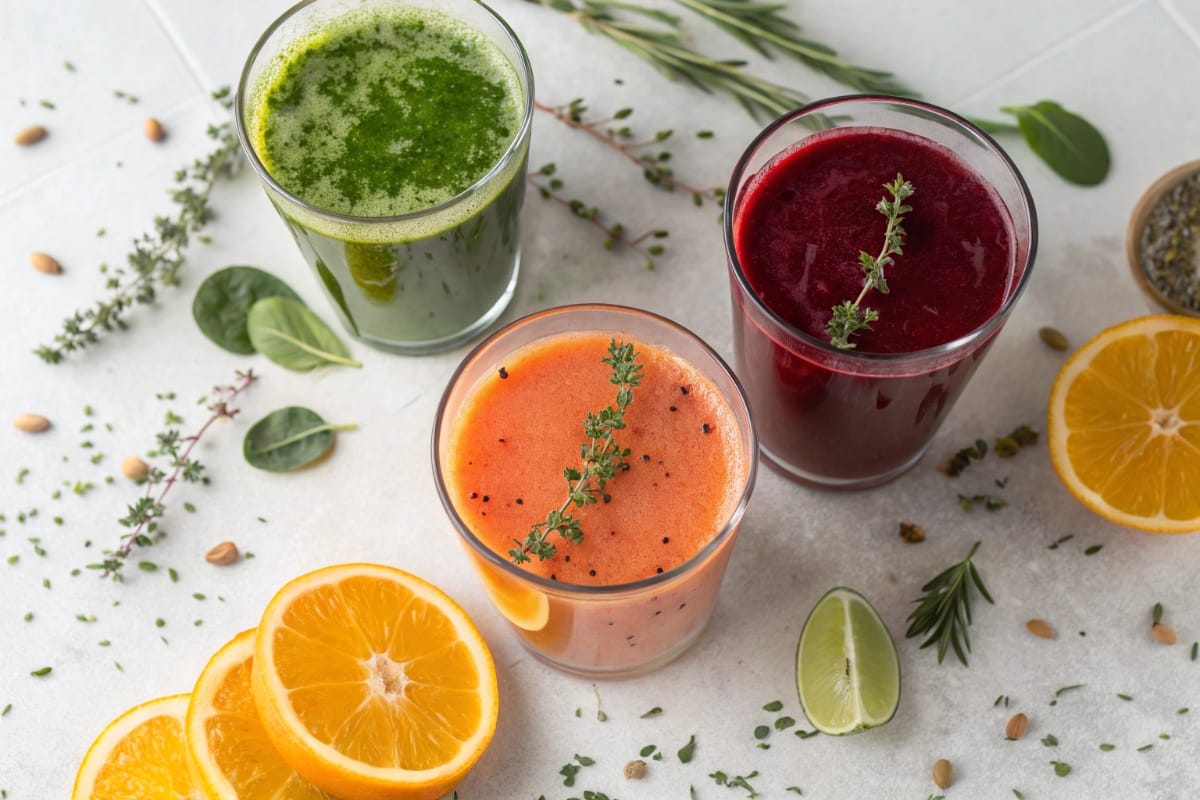
Sunrise Carrot Orange Juice
3 medium carrots, scrubbed and chopped
1 large orange, peeled
½ lemon, peeled
½ inch fresh ginger
½ cup water (for blender, optional)
This one tastes bright and slightly sweet, with a little spice from ginger.
Beet Berry Refresher
1 small beet, peeled and chopped
½ cup strawberries or mixed berries (fresh or frozen, thawed)
1 small apple, cored
½ cucumber
Juice of ½ lemon
This combination gives you a deep red juice with a mildly earthy flavor and a berry finish.
Lower-Sugar Tweaks
Use more veggies (cucumber, celery, leafy greens) and fewer fruits if you need to limit natural sugars.
Add herbs like mint or basil for flavor without extra calories.
Make It More Filling
Serve your juice alongside a source of protein or healthy fat, like a small handful of nuts or a slice of avocado toast.
Juicing recipes fit into your day in a lot of ways.
Morning “wake-up” drink: Enjoy a glass of green juice before or with breakfast for a refreshing start. Pair it with a small bowl of oats or a slice of whole-grain toast.
Light lunch companion: Serve juice on the side of a big salad or a veggie-based dish like ribbon carrot salad or a recipe from the raw vegan recipes collection.
Afternoon pick-me-up: Sip a small glass instead of reaching for a sugary soda or energy drink. If you need caffeine, pair it with a glass of vegan iced coffee.
Mocktail moment: Pour your juice into a pretty glass with ice and herbs like mint or basil, similar to the vibe of the white peach sangria floral mocktail.
Because juices don’t contain much protein or fat, they work best as part of a meal or snack rather than your only source of energy.
Storage & Reheating
You won’t reheat juice, but storing it correctly helps maintain flavor and color.
Fridge:
Store juice in a sealed glass jar or bottle in the refrigerator for up to 24–48 hours.
Fill the container as close to the top as you can to reduce air exposure.
Shake or stir before drinking, as separation is normal.
Freezer:
You can freeze juice in ice cube trays and transfer the cubes to a freezer bag.
Use within 1 month. Drop cubes into water, smoothies, or thaw for a quick mini juice.
Avoid heat:
Don’t boil or microwave juice; heat can dull flavor and destroy some heat-sensitive nutrients.
Nutrition Highlights
For the base Everyday Green Apple Ginger Juice (per serving, about 10–12 oz, assuming you strain it):
Calories: ~110–130
Protein: ~2 g
Carbohydrates: ~30 g
Fiber: ~1–2 g (more if unstrained)
Fat: <1 g
Most of the calories come from natural fruit sugars, while the veggies and greens add vitamins, minerals, and plant compounds. Because juicing removes much of the fiber, it’s smart to enjoy juice alongside higher-fiber foods during the day and think of it as one part of your overall fruit and vegetable intake. For general guidance on how fruits and vegetables fit into a balanced eating pattern, you can look at resources from Harvard Health on healthy eating habits.
These numbers shift depending on the exact produce and whether you strain the juice or keep more of the pulp.
Why This Recipe Matters to Me
In my family, we always had a bowl of fruit on the counter, but eating enough vegetables was a constant challenge. As my dad navigated diabetes and blood pressure concerns, my mom experimented with every trick she could to get more color on the plate without turning meals into a lecture.
Juicing became one of those “bridge” habits for us. A small glass of bright green or deep red juice at breakfast felt fun, not restrictive, and it opened the door to trying more veggie-heavy meals later in the day. These juicing recipes remind me that sometimes the smallest, simplest changes—like adding a glass of fresh juice alongside your usual breakfast—can shift how you feel without overhauling everything at once.
FAQ about Juicing Recipes
What should not be juiced?
Some foods simply do not work well in most home juicers. Very starchy foods like regular potatoes, bananas, and avocados don’t juice; they turn into a purée instead and are better for smoothies. Tough pits, large seeds, and peels like citrus rinds should stay out of your juicer, as they can damage the machine or add bitterness. You’ll also want to avoid putting anything spoiled or moldy in the juicer, even if you plan to “juice around it.” Bottom line: Skip starchy ingredients like bananas and avocados, hard pits and peels, and any produce that’s past its prime.
What is the healthiest juice you can make?
There’s no single “healthiest” juice, but a balanced one usually includes more vegetables than fruit. A good example is a mix of cucumber, celery, leafy greens, lemon, and just one apple or pear for sweetness. This combination keeps the natural sugars modest while still delivering bright flavor and hydration. You can rotate ingredients based on what’s in season and what you actually enjoy so it’s easy to stick with. Bottom line: A veggie-heavy juice with just a little fruit for sweetness is a strong choice for most people.
What is the best combination for juicing?
The best combination for juicing is one you’ll drink regularly that balances sweetness, acidity, and freshness. A simple formula is: one to two vegetables (like cucumber and celery or carrot and beet), one leafy green, one piece of fruit (apple, orange, or pear), plus a squeeze of lemon or lime and a bit of ginger. This mix gives you flavor complexity without overwhelming your palate or spiking the sweetness. Bottom line: Combine veggies, greens, a small amount of fruit, and a splash of citrus for a reliable, everyday juicing combo.
What juice burns belly fat?
No juice by itself burns belly fat or targets fat in a specific area of the body. You may see claims about “flat belly” juices, but real changes in body fat come from your overall eating pattern, activity level, sleep, and stress management over time. Juices that emphasize vegetables over fruit can support a balanced approach by adding nutrients without a lot of extra calories, but they’re just one piece of the picture. Bottom line: Juice cannot spot-reduce belly fat; use it as a supportive part of an overall healthy lifestyle instead.
Are juicing recipes better than smoothies?
Juicing and smoothies both have a place, and neither is automatically better. Juicing gives you a light, hydrating drink with concentrated flavor but less fiber. Smoothies keep the whole fruit or vegetable, including the pulp, so they usually offer more fiber and can be more filling. Many people like to use juices as a refreshing drink and smoothies as a more substantial snack or meal component. Bottom line: Choose juice when you want something light and refreshing, and smoothies when you want more fiber and staying power.
More Recipes You’ll Love
If you love playing with juicing recipes, you might enjoy more fresh, plant-focused ideas on HealthyAmericanBites:
For crunchy, colorful sides that pair well with juice, explore the bright flavors of ribbon carrot salad.
Juicing recipes don’t need to be complicated or extreme to be worth your time. A simple base like this green apple ginger juice, plus a couple of variations, can help you add more produce to your day in a way that feels doable and enjoyable. Use these ideas as a starting point, tweak the ingredient ratios until they match your taste, and pair your juices with balanced meals so they support your overall routine.
This everyday green juicing recipe gives you a refreshing way to enjoy more fruits and vegetables. Green apples, celery, cucumber, leafy greens, lemon, and ginger blend into a bright, lightly sweet juice you can make with either a juicer or a blender. Use it as a base for other juicing recipes and pair it with protein-rich foods for a simple, fresh addition to your routine.
Total Time:10 minutes
Yield:2 servings
Ingredients
Scale
2 medium green apples, cored
3 celery stalks, trimmed
1 small cucumber, roughly chopped
1 large handful fresh spinach or kale (about 1 cup, loosely packed)
1/2 lemon, peel removed
1/2–1 inch fresh ginger root, peeled
1/2–1 cup cold water (for blender method only, as needed)
Ice cubes for serving (optional)
Instructions
1. Wash all produce well, then core the apples, trim the celery, peel the lemon and ginger, and roughly chop the cucumber and any large pieces so they fit your juicer or blender.
2. For a juicer, feed the apples, celery, cucumber, greens, lemon, and ginger through the machine, alternating softer and harder ingredients so everything runs smoothly.
3. For a blender, add the chopped apples, celery, cucumber, greens, lemon, ginger, and 1/2 cup cold water to the blender and blend on high until completely smooth.
4. If you prefer a classic juice texture, pour the blended mixture through a fine mesh strainer or nut milk bag into a bowl or pitcher, pressing to extract as much liquid as possible.
5. Taste the juice and adjust with extra lemon for brightness, more ginger for heat, or a little additional cold water if the flavor is stronger than you like.
6. Pour the juice into 2 glasses over ice if desired and serve right away for the freshest flavor.
Notes
Use more vegetables and fewer fruits if you need to keep the natural sugars lower; cucumber, celery, and leafy greens all work well.
If you like a thicker drink with more fiber, skip straining and enjoy the blended mixture as a smoothie instead of a clear juice.
Store any leftover juice in a sealed glass jar in the refrigerator for up to 24–48 hours and shake or stir before drinking, as separation is normal.
Freeze extra juice in ice cube trays and use the cubes later in water, smoothies, or other juicing recipes.
Pair your juice with a source of protein or healthy fat, such as yogurt, nuts, or a savory breakfast recipe, to make your meal more filling and balanced.
Choose one of seven popular diet options. NutriMatch will confirm whether the recipe already fits, show a reviewed adaptation when available, or recommend recipes that match your choice.
Please choose a diet first.
Already a reviewed match
This recipe already fits Dairy-Free.
No changes are needed based on its reviewed NutriMatch classification. Check the complete ingredients, product labels, and serving details for your own needs.
Recipe details, product formulas, and cross-contact information can change. Confirm current labels and use professional guidance when medically necessary.
Already a reviewed match
This recipe already fits Gluten-Free.
No changes are needed based on its reviewed NutriMatch classification. Check the complete ingredients, product labels, and serving details for your own needs.
Recipe details, product formulas, and cross-contact information can change. Confirm current labels and use professional guidance when medically necessary.
Not available for this recipe
This recipe cannot currently be made High Protein with a reviewed adaptation.
NutriMatch will not guess at substitutions. Try one of these recipes that is already reviewed for your choice.
Recipe details, product formulas, and cross-contact information can change. Confirm current labels and use professional guidance when medically necessary.
Not available for this recipe
This recipe cannot currently be made Keto with a reviewed adaptation.
NutriMatch will not guess at substitutions. Try one of these recipes that is already reviewed for your choice.
Recipe details, product formulas, and cross-contact information can change. Confirm current labels and use professional guidance when medically necessary.
Not available for this recipe
This recipe cannot currently be made Low Carb with a reviewed adaptation.
NutriMatch will not guess at substitutions. Try one of these recipes that is already reviewed for your choice.
Recipe details, product formulas, and cross-contact information can change. Confirm current labels and use professional guidance when medically necessary.
Already a reviewed match
This recipe already fits Vegan.
No changes are needed based on its reviewed NutriMatch classification. Check the complete ingredients, product labels, and serving details for your own needs.
Recipe details, product formulas, and cross-contact information can change. Confirm current labels and use professional guidance when medically necessary.
Already a reviewed match
This recipe already fits Vegetarian.
No changes are needed based on its reviewed NutriMatch classification. Check the complete ingredients, product labels, and serving details for your own needs.
Recipe details, product formulas, and cross-contact information can change. Confirm current labels and use professional guidance when medically necessary.