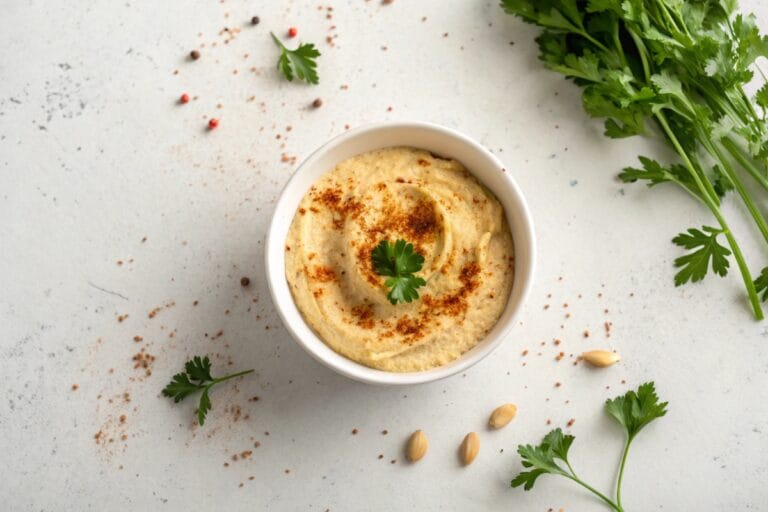
This hummus recipe without tahini gives you all the creamy, garlicky goodness of classic hummus using simple pantry ingredients you probably already have. Instead of tahini, this version leans on olive oil, a little reserved chickpea liquid (aquafaba), and optional nut or seed butter to create a silky, spreadable dip. It is naturally dairy-free, high in fiber, and packed with plant-based protein from chickpeas. If you avoid sesame, do not keep tahini on hand, or just want a more budget-conscious option, this hummus recipe without tahini will quickly become your go-to for snacks, meal prep, and party platters.
Non-vegan option: 2 tablespoons plain Greek yogurt instead of nut butter, if you eat dairy
For Serving
Extra olive oil, for drizzling
Smoked paprika, cumin, or za’atar, for sprinkling
Fresh chopped parsley or cilantro
Fresh veggie sticks (carrots, cucumbers, bell peppers)
Gluten-free crackers or toasted gluten-free pita-style bread
Hummus recipe without tahini
Step-by-Step Instructions
Prep the chickpeas. Open the can of chickpeas. Pour them into a strainer set over a bowl so you can catch the liquid. Rinse the chickpeas well under cool water and reserve about 1/3 cup of the chickpea liquid (aquafaba).
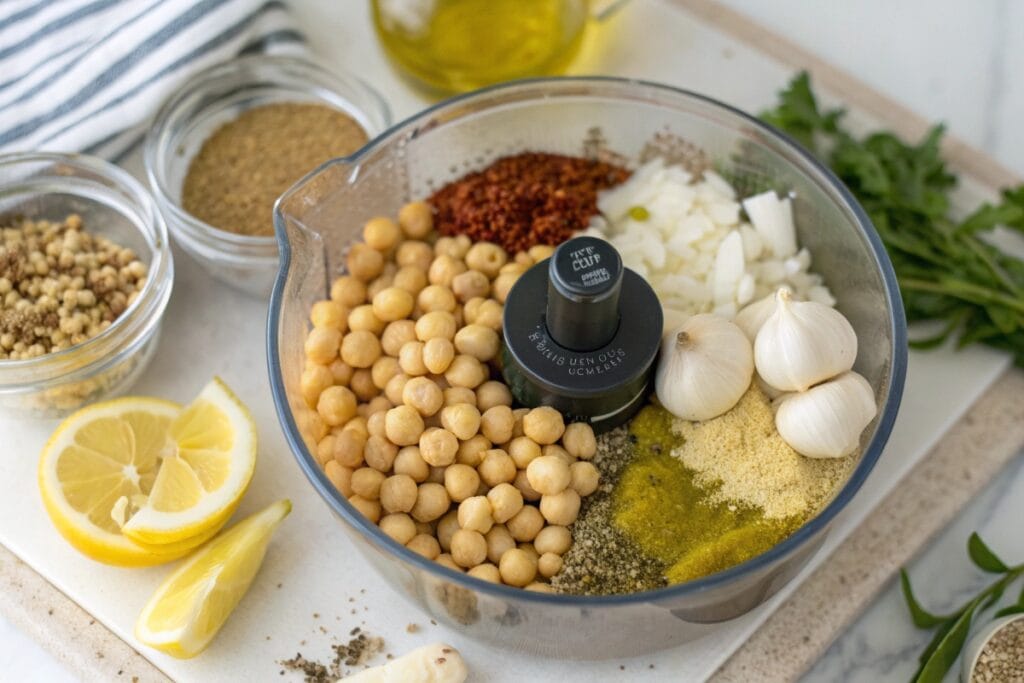
Add base ingredients to the blender. Place the drained chickpeas into a food processor or high-speed blender. Add the olive oil, lemon juice, garlic, cumin, smoked paprika, and salt.
Blend with a little liquid. Pour in 3 tablespoons of the reserved aquafaba (or cold water). Blend on high speed until the mixture starts to become smooth, stopping to scrape down the sides as needed.
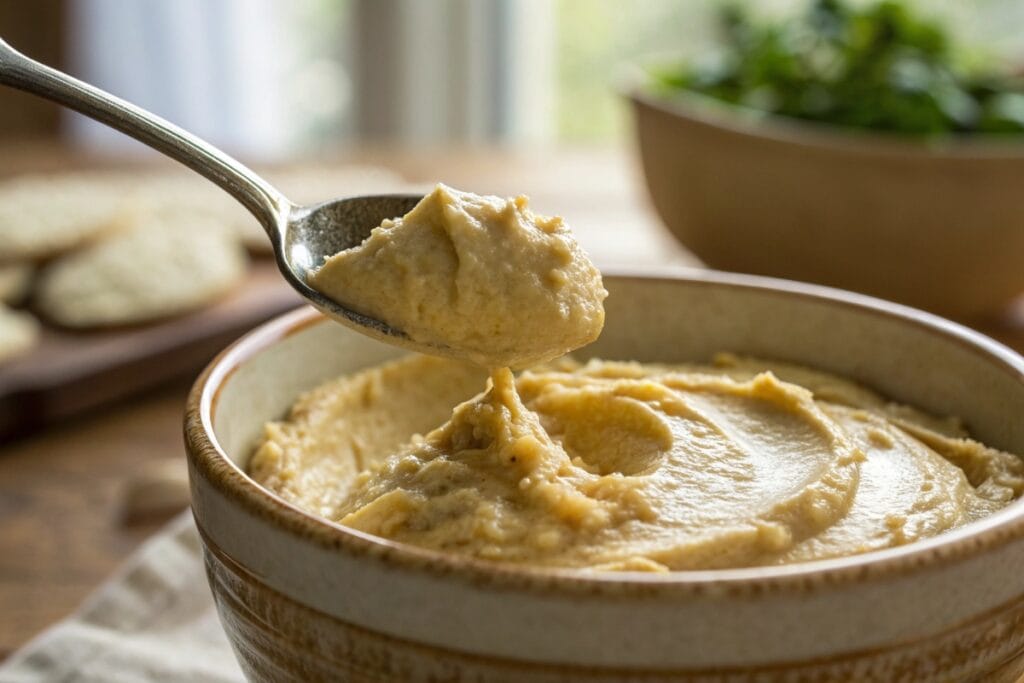
Adjust thickness. If the hummus is too thick or chunky, add more aquafaba or water 1 tablespoon at a time, blending between each addition. Aim for a silky, spreadable consistency.
Add optional tahini substitute. For extra creaminess, blend in 1–2 tablespoons of almond butter, cashew butter, sunflower seed butter, or Greek yogurt. Blend again until fully incorporated and ultra smooth.
Taste and season. Taste the hummus and adjust with more salt, lemon juice, or spices to your preference. If you want a stronger garlic punch, add another small piece of garlic and blend again.
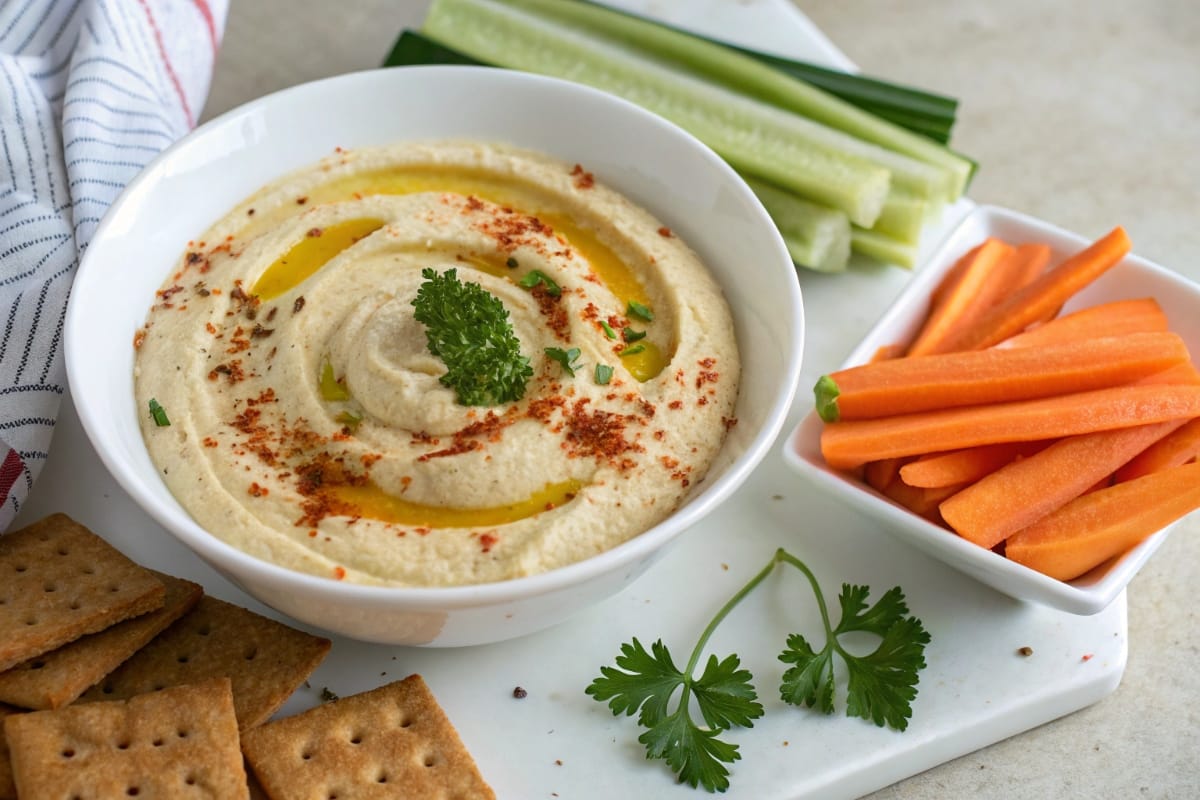
Plate the hummus. Transfer the hummus to a shallow bowl or plate. Use the back of a spoon to swirl the top, creating little grooves to hold the garnishes.
Garnish and serve. Drizzle with a little olive oil, sprinkle with smoked paprika or cumin, and garnish with chopped herbs. Serve your hummus recipe without tahini with fresh veggies, gluten-free crackers, or warm bread.
Hummus recipe without tahini
Tips & Variations
Use nut or seed butter as a tahini substitute. Smooth almond butter, cashew butter, peanut butter, or sunflower seed butter can mimic the creaminess of tahini in hummus. Start with 1 tablespoon, taste, and add more only if you like the flavor.
Go oil-free if you prefer. For an oil-free version, simply skip the olive oil and rely on aquafaba and a bit of nut or seed butter to create a silky texture. You may need a little more liquid to help it blend.
Make Moroccan-inspired hummus. Add 1/2 teaspoon extra ground cumin, 1/4 teaspoon ground coriander, and a pinch of cayenne or harissa paste. Swirl a bit of olive oil over the top and garnish with chopped cilantro and a squeeze of extra lemon.
Boost the protein. For more protein, serve the hummus with high-protein gluten-free crackers or spread it in a wrap with roasted veggies and extra beans or lentils.
Play with texture. For ultra-smooth hummus, peel the chickpeas by gently pinching off the skins before blending. It takes a few extra minutes but yields a very creamy result.
Serving Suggestions
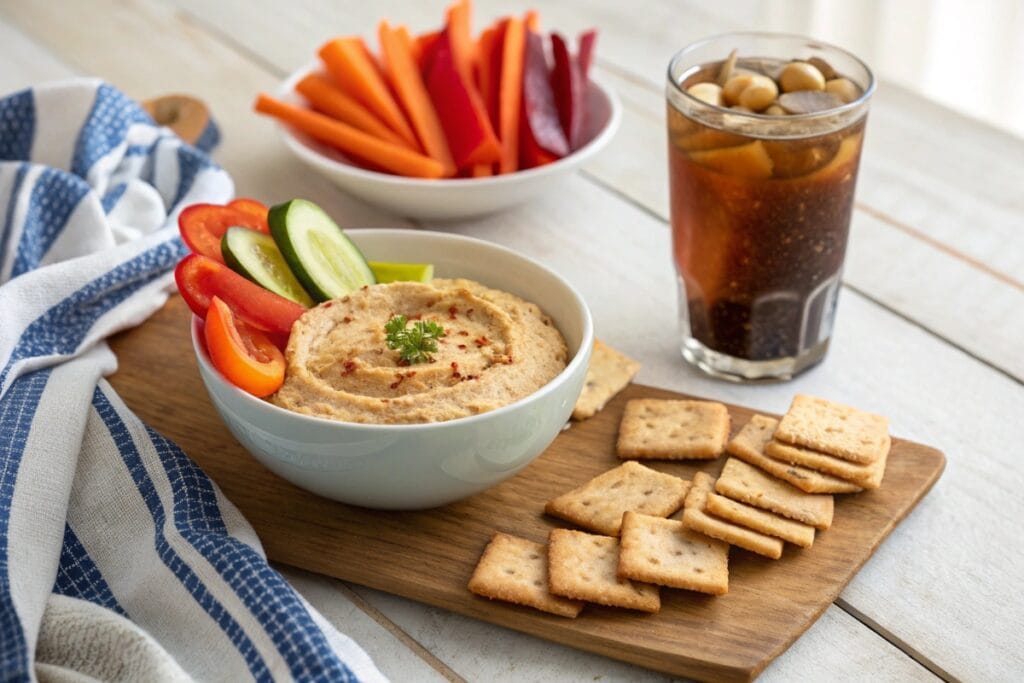
Serve this hummus recipe without tahini as a snack, appetizer, or part of a light lunch spread. It pairs beautifully with crunchy raw vegetables, gluten-free crackers, or warm flatbread. You can also use it as a spread in wraps and sandwiches or thin it with a bit of water and lemon juice to make a creamy salad dressing.
For a casual plant-based dinner, serve a big plate of hummus alongside a tray of roasted vegetables and a cozy dish from the vegan casserole recipes collection. If you prefer a lighter meal, pair it with a bowl of soup from the site’s vegan soup recipes and a small green salad.
Storage & Make-Ahead
Refrigerator: Store hummus in an airtight container in the fridge for up to 4–5 days. Smooth the top and drizzle a thin layer of olive oil over the surface to help keep it from drying out.
Freezer: Hummus freezes surprisingly well. Portion it into small containers, leaving a little space at the top, and freeze for up to 2 months. Thaw overnight in the refrigerator and stir well before serving.
Meal prep: Make a batch at the start of the week and portion it into small containers for easy grab-and-go snacks. Add sliced veggies and gluten-free crackers to your lunchbox.
Refreshing leftovers: If hummus thickens in the fridge, stir in a teaspoon or two of water or lemon juice to loosen it and freshen the flavor.
Nutrition Highlights
Exact values will vary based on your oil and nut butter choices, but for one 2-tablespoon serving of this hummus recipe without tahini (made with olive oil and no nut butter), a rough estimate is:
Calories: ~90
Protein: ~3 g
Carbohydrates: ~9 g
Fiber: ~2 g
Total Fat: ~4 g
Saturated Fat: ~0.5 g
Sugars: ~1 g (naturally occurring)
Chickpeas contribute most of the protein, fiber, and complex carbohydrates here. A cup of cooked chickpeas offers around 14–15 grams of protein and about 12 grams of fiber, plus iron and potassium, making them a nutrient-dense base for dips. Olive oil adds heart-supportive monounsaturated fats. Removing tahini lowers the overall fat slightly and also makes this dip sesame-free for anyone with allergies.
To learn more about why chickpeas are considered a nourishing pantry staple—including their fiber, protein, and heart-health benefits—check out this in-depth overview of chickpea nutrition from Healthline.
Hummus recipe without tahini
Why This Recipe Matters to Me
When I first started adjusting my eating habits, I relied on dips and spreads to make vegetables more appealing and to add protein to quick snacks. Classic hummus was an easy win, but I did not always have tahini on hand, and a few family members avoided sesame entirely. Creating a hummus recipe without tahini let me keep that same comforting, familiar flavor using pantry staples like chickpeas, olive oil, lemon, and garlic. It also fits into many different eating styles—vegan, dairy-free, and often gluten-free depending on what you serve it with. On HealthyAmericanBites.com, that kind of flexible, practical recipe is exactly what I want busy home cooks to have in their back pocket.
FAQ About Hummus Recipe Without Tahini
What can I substitute for tahini in my hummus?
You have several good options if you want to skip tahini. Smooth almond butter, cashew butter, peanut butter, or sunflower seed butter can all add creaminess and a mild nutty flavor similar to tahini. You can also use a combination of olive oil and a bit of Greek yogurt if you eat dairy, which creates a rich, tangy texture. In this hummus recipe without tahini, you can start with olive oil and aquafaba, then add 1–2 tablespoons of your favorite nut or seed butter only if you want extra richness. Bottom line: Use nut or seed butters, Greek yogurt, or just olive oil and chickpea liquid as simple tahini substitutes in hummus.
Can you make good hummus without tahini?
Yes, you can absolutely make delicious hummus without tahini. Chickpeas, lemon, garlic, olive oil, and salt provide plenty of flavor on their own, and blending them with a bit of aquafaba or water creates a creamy texture. Many home cooks actually prefer hummus without tahini because it tastes lighter and lets the lemon and garlic stand out more. If you miss the deeper nutty notes, you can always add a small amount of almond or sunflower seed butter to get closer to the original taste. Bottom line: With good seasoning and enough blending, hummus without tahini can be just as flavorful and creamy as traditional versions.
How do you make Moroccan hummus?
Moroccan-style hummus usually includes warm spices and sometimes a little heat. To adapt this hummus recipe without tahini, add extra cumin, a pinch of ground coriander, smoked paprika, and a small amount of cayenne or harissa paste. Drizzle the finished hummus with olive oil infused with garlic or chili and garnish with chopped cilantro or parsley. You can also add a bit of preserved lemon for a bright, salty kick if you have it on hand. Bottom line: Moroccan hummus builds on basic hummus with cumin, paprika, coriander, and a touch of chili or harissa plus fresh herbs.
Is hummus bad without tahini?
No, hummus is not “bad” without tahini; it is simply a slightly different version. Tahini contributes healthy fats, some protein, and a distinct sesame flavor, but chickpeas themselves already offer fiber, plant-based protein, and key minerals. Skipping tahini can even be helpful for people with sesame allergies or anyone watching added fats. The key is to season your hummus recipe without tahini well with lemon, garlic, salt, and spices so it still tastes full and satisfying. Bottom line: Hummus without tahini can still be nutritious and delicious as long as you balance the flavors and texture.
Can I make this hummus in advance for a party?
Yes, hummus is ideal for making ahead. You can blend a batch 1–2 days before your event and store it in an airtight container in the refrigerator. Before serving, stir the hummus, adjust the seasoning with a bit more salt or lemon juice if needed, and transfer it to a serving bowl. Add a fresh drizzle of olive oil, a sprinkle of paprika, and some herbs to make it look vibrant.
Bottom line: Make your hummus a day or two ahead, then refresh it with garnishes right before your guests arrive.
More Recipes You’ll Love
If you like keeping plant-based snacks and meals on hand, you will find plenty of ideas on HealthyAmericanBites.com.
For more no-fuss, produce-focused dishes that fit right in with this hummus recipe without tahini, browse the site’s raw vegan recipes and raw vegan recipes 2 collections.
When you want to turn hummus into part of a cozy dinner, pair it with a main dish from the vegan dinner recipes archive or a comforting bake from the vegan casserole recipes selection.
For a brunch-style spread, serve hummus with fresh vegetables, gluten-free crackers from the gluten-free crackers guide, and a chilled glass from the vegan iced coffee recipe to round things out.
Final Thoughts
This hummus recipe without tahini proves you do not need specialty ingredients to make a creamy, flavorful dip at home. With one can of chickpeas, a splash of lemon, and a good drizzle of olive oil, you can whip up a versatile spread for snacks, lunches, and party platters in just a few minutes. Once you master the basic technique, experiment with spices, herbs, and toppings to make it your own and keep a batch in the fridge for effortless, plant-based eating all week long.
This hummus recipe without tahini uses everyday pantry ingredients to create a creamy, garlicky chickpea dip in about 10 minutes. Olive oil, lemon juice, and a little chickpea liquid stand in for tahini, so the recipe stays sesame-free and budget-friendly. You can add a spoonful of nut or seed butter if you want extra richness, but it tastes great even without it. Serve this vegan, dairy-free hummus with fresh vegetables, gluten-free crackers, or as a spread in wraps and sandwiches.
Total Time:10 minutes
Yield:8 servings
Ingredients
Scale
1 can (15 oz) chickpeas, drained and rinsed, 1/3 cup liquid reserved
2–3 tablespoons extra-virgin olive oil
3–4 tablespoons fresh lemon juice (about 1 large lemon)
1 small garlic clove, roughly chopped
1/4 teaspoon ground cumin
1/4 teaspoon smoked paprika, plus more for garnish
1/2 teaspoon fine sea salt, plus more to taste
3–5 tablespoons reserved chickpea liquid (aquafaba) or cold water, as needed
2 tablespoons chopped fresh parsley or cilantro, for garnish
Extra olive oil, for drizzling
Fresh veggie sticks, for serving
Gluten-free crackers or pita-style bread, for serving
Instructions
1. Drain and rinse the chickpeas, reserving about 1/3 cup of the liquid (aquafaba) from the can.
2. Add the drained chickpeas to a food processor or high-speed blender.
3. Add the olive oil, lemon juice, garlic, cumin, smoked paprika, and salt to the chickpeas.
4. Pour in 3 tablespoons of the reserved chickpea liquid or cold water.
5. Blend on high until the mixture begins to look smooth, stopping to scrape down the sides as needed.
6. If the hummus is too thick, add more chickpea liquid or water 1 tablespoon at a time and blend again until silky and spreadable.
7. For extra creaminess, add 1–2 tablespoons of nut or seed butter and blend until fully incorporated.
8. Taste the hummus and adjust with more salt, lemon juice, or spices to suit your preference.
9. Transfer the hummus to a shallow bowl, swirl the top with the back of a spoon, and drizzle with olive oil.
10. Garnish with smoked paprika and chopped fresh herbs, then serve with veggies and gluten-free crackers.
Notes
For an oil-free variation, omit the olive oil and use extra chickpea liquid or water along with a spoonful of nut or seed butter for creaminess.
If you prefer milder garlic flavor, use half a small clove or roasted garlic instead of raw.
To make Moroccan-inspired hummus, add extra cumin, a pinch of ground coriander, and a little cayenne or harissa, then garnish with cilantro.
Store leftover hummus in an airtight container in the refrigerator for up to 4–5 days; stir in a teaspoon of water or lemon juice if it thickens.
Hummus can be frozen in small containers for up to 2 months; thaw in the fridge overnight and stir well before serving.
Author:Adam Moretti
Prep Time:10 minutes
Cook Time:0 minutes
Category:Appetizer
Method:No Cook
Cuisine:Mediterranean
Reviewed recipe options
Make this recipe fit me
Choose one of seven popular diet options. NutriMatch will confirm whether the recipe already fits, show a reviewed adaptation when available, or recommend recipes that match your choice.
Please choose a diet first.
Already a reviewed match
This recipe already fits Dairy-Free.
No changes are needed based on its reviewed NutriMatch classification. Check the complete ingredients, product labels, and serving details for your own needs.
Recipe details, product formulas, and cross-contact information can change. Confirm current labels and use professional guidance when medically necessary.
Already a reviewed match
This recipe already fits Gluten-Free.
No changes are needed based on its reviewed NutriMatch classification. Check the complete ingredients, product labels, and serving details for your own needs.
Recipe details, product formulas, and cross-contact information can change. Confirm current labels and use professional guidance when medically necessary.
Not available for this recipe
This recipe cannot currently be made High Protein with a reviewed adaptation.
NutriMatch will not guess at substitutions. Try one of these recipes that is already reviewed for your choice.
Recipe details, product formulas, and cross-contact information can change. Confirm current labels and use professional guidance when medically necessary.
Not available for this recipe
This recipe cannot currently be made Keto with a reviewed adaptation.
NutriMatch will not guess at substitutions. Try one of these recipes that is already reviewed for your choice.
Recipe details, product formulas, and cross-contact information can change. Confirm current labels and use professional guidance when medically necessary.
Not available for this recipe
This recipe cannot currently be made Low Carb with a reviewed adaptation.
NutriMatch will not guess at substitutions. Try one of these recipes that is already reviewed for your choice.
Recipe details, product formulas, and cross-contact information can change. Confirm current labels and use professional guidance when medically necessary.
Already a reviewed match
This recipe already fits Vegan.
No changes are needed based on its reviewed NutriMatch classification. Check the complete ingredients, product labels, and serving details for your own needs.
Recipe details, product formulas, and cross-contact information can change. Confirm current labels and use professional guidance when medically necessary.
Already a reviewed match
This recipe already fits Vegetarian.
No changes are needed based on its reviewed NutriMatch classification. Check the complete ingredients, product labels, and serving details for your own needs.
Recipe details, product formulas, and cross-contact information can change. Confirm current labels and use professional guidance when medically necessary.