
Blog
Highly Processed Foods in the US Dietary Guidelines (2025–2030)
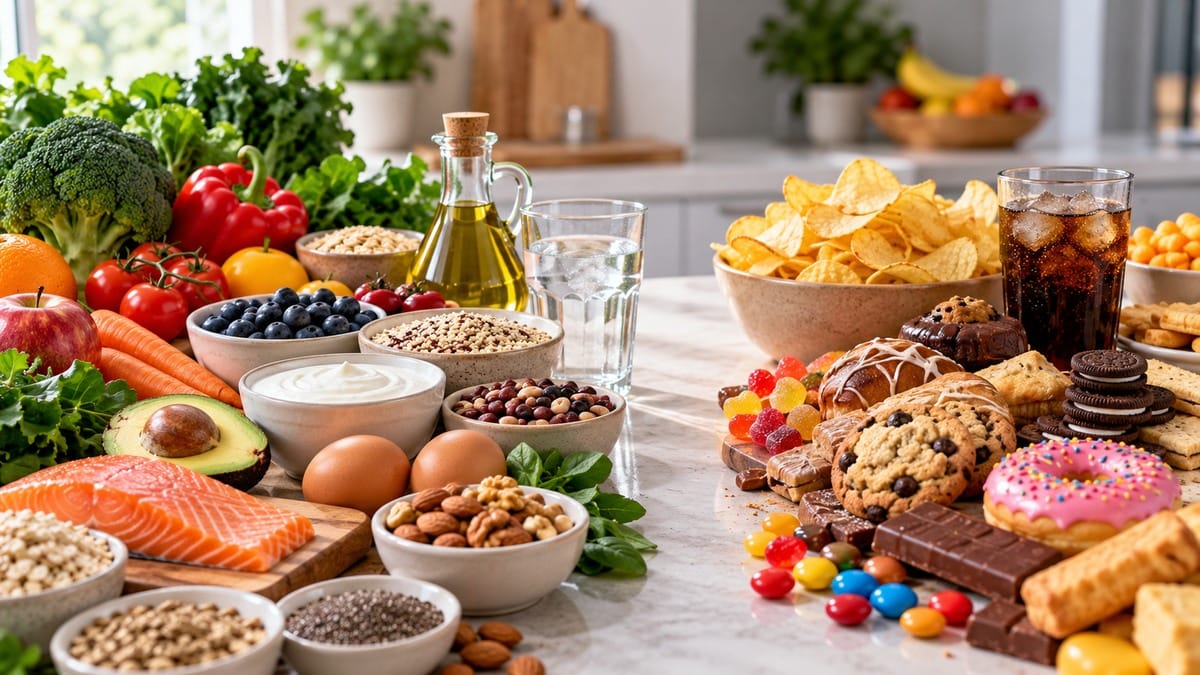
The US dietary guidelines processed foods discussion changed sharply with the final Dietary Guidelines for Americans, 2025–2030. The new federal guidance tells Americans to prioritize whole, nutrient-dense foods and to reduce or avoid highly processed foods that are salty or sweet, especially products built around refined carbohydrates, added sugars, excess sodium, unhealthy fats, or manufactured additives.
That sounds simple, but the terminology still needs care. “Processed” is a very broad word. Frozen vegetables, canned beans, plain yogurt, roasted nuts, pasteurized milk, and whole-grain bread are all processed in some way. The current federal message is aimed much more specifically at highly processed or commonly called ultra-processed foods—not at every food that has been frozen, canned, cooked, packaged, or prepared.
This article is updated against the final Dietary Guidelines for Americans, 2025–2030, the federal scientific foundation, and the FDA’s current work on ultra-processed foods. The final edition is dated January 2026, although its official title remains 2025–2030.
Table of Contents
What the 2025–2030 Guidelines Actually Say About Highly Processed Foods
The final guideline’s public message is direct: prioritize whole, nutrient-dense foods and avoid highly processed packaged, prepared, ready-to-eat, or other foods that are salty or sweet. It gives examples such as chips, cookies, and candy with added sugars and sodium and encourages home-prepared, nutrient-dense meals when practical.
The document also tells consumers to limit foods and beverages that include artificial flavors, petroleum-based dyes, artificial preservatives, and low-calorie non-nutritive sweeteners. It separately advises avoiding sugar-sweetened beverages such as sodas, fruit drinks, and energy drinks.
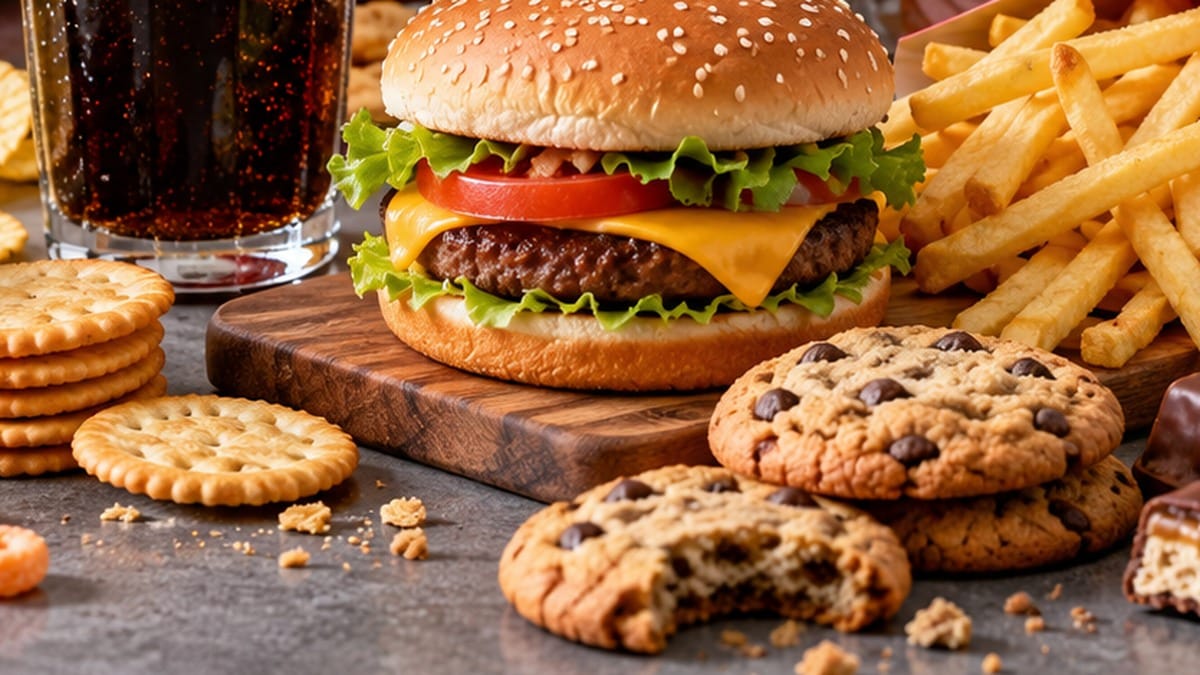
The important word is highly. The guideline is not saying that processing itself automatically makes a food unhealthy. Many useful foods undergo processing for safety, preservation, convenience, or texture. The practical concern is a pattern in which foods high in refined starches, added sugars, sodium, extracted oils, or multiple industrial additives displace more nutrient-dense choices.
There Is Still No Single Uniform Federal Definition
As of 2026, the United States still does not have one final, universally adopted federal definition of “ultra-processed food.” The FDA and USDA are working together on a uniform definition so that research, labeling, and future policy can use more consistent criteria.
The scientific foundation for the 2025–2030 guidelines openly acknowledges this limitation. For that report, highly processed foods were defined provisionally as foods or beverages made primarily from substances extracted from foods—such as refined sugars, refined grains, starches, or oils—and/or containing industrially manufactured chemical additives.
Because that definition is provisional, consumers should be cautious about treating any one internet checklist as a legal rule. The federal agencies themselves are still working toward a uniform standard. That is why this page uses the phrase “highly processed foods” in the way the current guidelines and FDA describe it rather than pretending there is already one final statutory definition.
How the Federal Scientific Report Describes Highly Processed Foods
The scientific foundation gives practical clues that highly processed foods often contain a combination of refined grains or added sugars, refined fats and oils, and long or complicated ingredient lists that may include artificial sweeteners, flavor enhancers, colors, emulsifiers, stabilizers, or preservatives.
Those clues are useful, but they are not a perfect scoring system. A long ingredient list alone does not prove that a food is nutritionally poor, and a short ingredient list does not guarantee that a food is ideal. The overall nutritional profile still matters: protein, fiber, micronutrients, sodium, added sugar, saturated fat, and how the food fits into the rest of the diet.
This is especially important when comparing foods within the same category. A plain yogurt, a lightly sweetened yogurt, and a dessert-style yogurt are all processed dairy products, but they can differ substantially in protein, added sugar, ingredients, and nutrient density.
Examples of Foods the Guidelines Tell Americans to Limit
The final guideline specifically names salty or sweet highly processed foods such as chips, cookies, and candy. Its broader examples and scientific materials also discuss products such as sugary cereals, sweetened beverages, packaged snack foods, instant meals, refined baked goods, and other products built largely from refined starches, added sugars, oils, sodium, and additives.
That does not mean every burger, frozen meal, or packaged cereal belongs in exactly the same category. Preparation and formulation matter. A frozen meal made mainly from vegetables, beans, intact grains, and a modest sauce is not nutritionally identical to a product dominated by refined starch, sodium, added sugar, and very little fiber or protein.
For added sugar specifically, the current guideline now says that no amount is recommended as part of a healthy diet and that one meal should contain no more than 10 grams of added sugars. Our updated added sugar guide explains that rule separately.
What to Choose More Often Instead
The 2025–2030 guidelines center the eating pattern on whole, nutrient-dense foods: protein foods, dairy, vegetables, fruits, healthy fats, and whole grains. That includes both animal and plant foods, so the framework can be adapted to many preferences and cultural eating patterns.
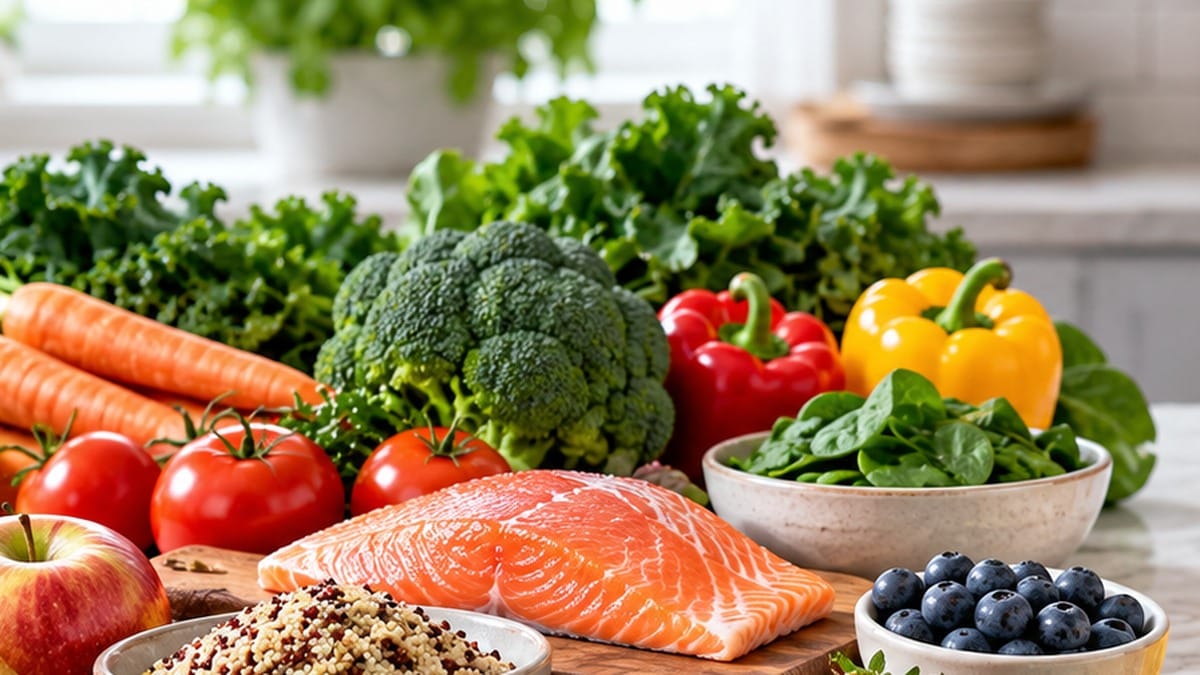
Examples include vegetables, fruit, beans, peas, lentils, eggs, seafood, poultry, meat, plain dairy, nuts, seeds, soy foods, intact or minimally refined grains, and unsaturated fat sources such as olive oil and avocado. Some of these foods still come frozen, canned, jarred, or packaged. The goal is not to avoid the grocery store middle aisles; it is to make nutrient-dense foods the foundation.
A practical shopping strategy is to compare similar products. Choose the version with more useful nutrients and less added sugar, sodium, or refined starch when the difference is meaningful. For example, compare plain versus sweetened yogurt, oats versus sugary cereal, beans versus salty snack foods, or a frozen vegetable-and-grain meal versus a highly refined entrée with little fiber.
Processed Does Not Mean the Same Thing as Highly Processed
Several everyday foods are processed but can still fit comfortably in the federal eating pattern. Frozen vegetables are processed by freezing. Canned beans are cooked and canned. Milk is pasteurized. Yogurt is cultured. Oats are rolled or cut. Whole-grain bread is baked from milled grains and other ingredients.
Calling all of those foods “bad because they are processed” would miss the point of the new guidance. The federal concern is the dietary pattern created when highly processed foods dominate and crowd out foods that contribute more protein, fiber, vitamins, minerals, and other nutrients.
That distinction is also why “shop only the perimeter” is too simplistic. Beans, oats, canned fish, frozen vegetables, whole-grain foods, and other useful staples are often packaged and shelved in the center of the store.
What the Evidence Says—and What It Does Not Prove
The FDA says research has found links between high consumption of foods commonly considered ultra-processed and several adverse health outcomes. The scientific foundation for the 2025–2030 guidelines also reviews associations involving cardiovascular disease, type 2 diabetes, obesity, cancer, and other outcomes.
But the same federal scientific report also describes important limitations. There is not yet a consensus definition, most long-term evidence is observational rather than randomized, and definitions can classify some foods inconsistently. Those limitations matter because an association in population research does not automatically prove that one specific additive, processing method, or product caused an outcome.
The useful takeaway is therefore narrower than “processing causes disease.” The current federal recommendation is to build the diet around whole, nutrient-dense foods and reduce highly processed foods, while research and federal definition work continue.
How to Reduce Highly Processed Foods Without Overcomplicating Meals
You do not need to cook every ingredient from scratch. Start with the foods you eat most often. If breakfast is usually a sweet cereal and sweetened coffee, try plain oats with fruit and yogurt and an unsweetened drink. If lunch depends on chips and packaged sweets, add a simple protein food, fruit, vegetables, and a more substantial grain or bean option.
At dinner, convenience can still fit. Frozen vegetables, canned beans, precooked whole grains, rotisserie chicken, plain yogurt, and simple sauces can shorten cooking time without making the meal nutritionally equivalent to a snack-food dinner.
The goal is not purity. It is proportion. A cookie or packaged snack does not erase an otherwise nutrient-dense eating pattern. The guidelines are describing what should form the center of the diet most of the time.
What This Means for Children and Families
The final guidelines are especially direct about reducing added sugars and highly processed foods in childhood. For ages 5–10, the federal guidance says no amount of added sugars is recommended, and it emphasizes protein foods, dairy, vegetables, fruits, healthy fats, and whole grains.
That does not require a perfectly “clean” lunchbox. A realistic school lunch may still use packaged foods. The more useful question is whether the meal is built mainly from nutrient-dense items or mostly from sweet drinks, chips, candy-like snacks, and refined packaged foods.
Our updated US Dietary Guidelines for Children page covers the age-specific recommendations and school-meal distinction in more detail.
FAQs about US dietary guidelines processed foods
Are highly processed foods banned by the 2025–2030 guidelines?
No. The guidelines recommend reducing or avoiding highly processed foods and prioritizing whole, nutrient-dense foods. They are dietary guidance, not a ban on individual products.
Is there an official US definition of ultra-processed food?
Not yet as a single final uniform federal definition. FDA and USDA are working on one. The scientific foundation for the 2025–2030 guidelines uses a provisional working definition for its analysis.
Are frozen and canned foods considered highly processed?
Not automatically. Freezing or canning is processing, but the guideline’s concern is more specifically with highly processed formulations dominated by refined starches, added sugars, excess sodium, unhealthy fats, or industrial additives. A plain frozen vegetable or canned bean product is not nutritionally equivalent to a sugary snack food.
How can I identify a highly processed food?
Look at the whole product: ingredient list, added sugars, refined starches, sodium, fiber, protein, and additives. The federal scientific report notes that highly processed foods often have refined grains or added sugars, refined fats or oils, and longer ingredient lists with manufactured additives, but it also says the federal definition is still being developed.
Do I need to eliminate every processed food?
No. The final guidelines prioritize whole, nutrient-dense foods and recommend reducing highly processed foods. Many nutritious foods are processed in ordinary ways for safety or convenience.
Final Takeaway
The most accurate reading of the US dietary guidelines processed foods message is not “all processing is bad.” The current federal recommendation is to make whole, nutrient-dense foods the foundation of the diet and to reduce highly processed foods that are salty, sweet, refined, and low in nutritional value.
At the same time, federal agencies are still working toward a uniform definition of ultra-processed foods, and the scientific report acknowledges important evidence limitations. That means consumers can follow the practical food-quality message without treating every packaged food as identical.
For the broader policy changes, see our updated pillar page on the US Dietary Guidelines 2025–2030 and our comparison of 2020–2025 versus 2025–2030. Official current guidance is available through ODPHP, RealFood.gov, and the FDA’s ultra-processed foods resource.
Trending recipe
Sheet Pan Harvest Chicken with Pan-Juice Toast
Sheet pan harvest chicken roasts crisp-skinned thighs with sweet potatoes, Brussels sprouts, apples, and sourdough pan-juice toast for a cozy…
View recipe →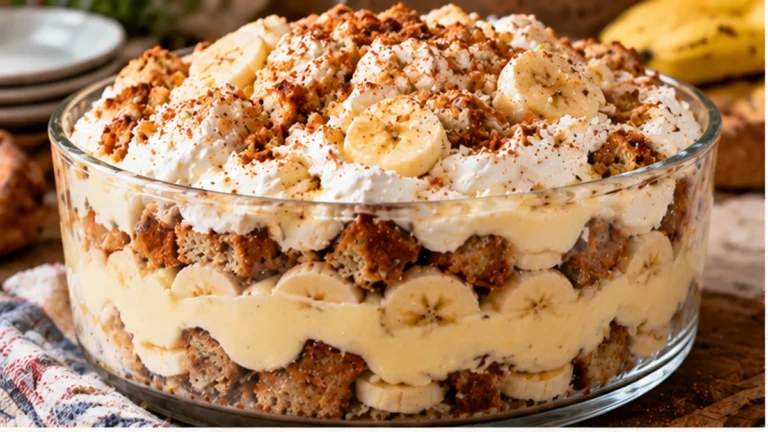
Trending recipe
Banana Bread Banana Pudding
Banana bread banana pudding layers soft banana bread cubes, homemade vanilla pudding, fresh bananas, and whipped cream into an easy…
View recipe →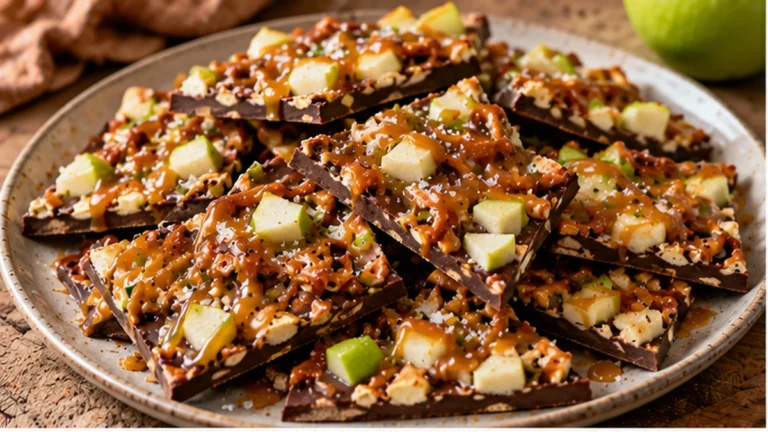
Trending recipe
Caramel Apple Bark
Caramel apple bark layers semisweet chocolate, salty pretzels, crisp Granny Smith apple, and chewy caramel into an easy no-bake fall…
View recipe →