
Blog
High-Protein Eating in the US Dietary Guidelines
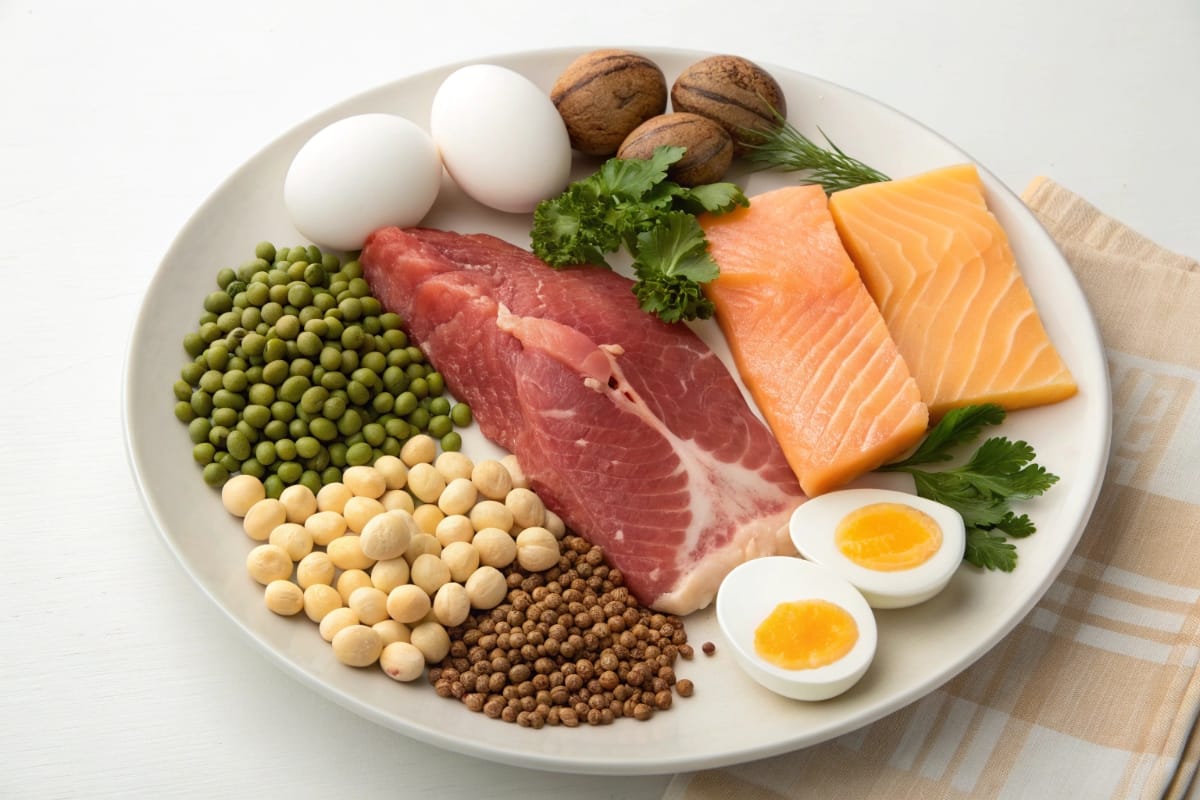
High protein eating plays a more important role than ever in the US dietary guidelines. The latest update highlights protein intake, protein quality, and balanced eating patterns as essential factors for long-term health, muscle maintenance, and metabolic function.
This article explains how high protein US dietary guidelines have evolved, why protein now receives greater attention, and how families can apply these recommendations in everyday life.
Table of Contents
Why High Protein Eating Matters in the US Dietary Guidelines
The renewed emphasis on protein reflects changes in nutrition science. Protein is no longer viewed only as a minimum requirement but as a nutrient that directly supports overall health.
- Muscle mass and strength
- Metabolic health
- Appetite control and satiety
- Healthy aging
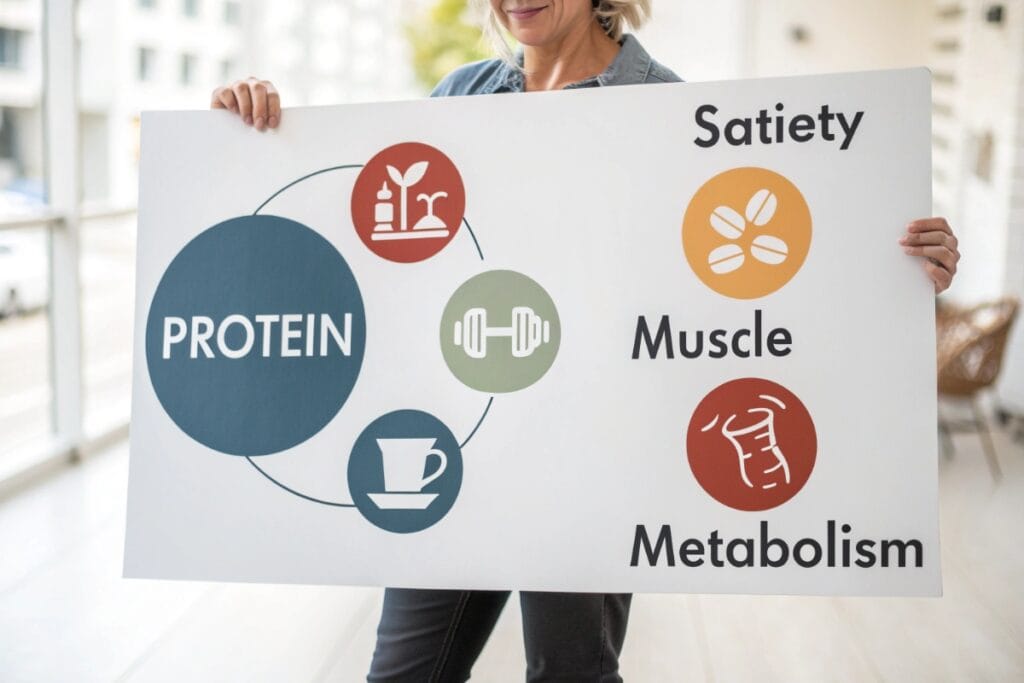
By focusing on high protein eating patterns, the US dietary guidelines aim to improve overall diet quality rather than promote restrictive eating habits.
Protein Intake Recommendations in the US Dietary Guidelines
Protein intake guidance has become more nuanced in the most recent update. Instead of a one-size-fits-all approach, the US dietary guidelines protein focus recognizes that protein needs may vary depending on age, activity level, and health status.
Protein Needs Across Different Life Stages
- Adults benefit from consistent protein intake to maintain muscle mass
- Older individuals may require higher protein density
- Active people need adequate protein for recovery and performance
For a complete overview of all recent nutrition updates, see our main guide on the US dietary guidelines 2025 changes.
Protein Quality and Food Sources in the US Diet
The updated guidelines place strong emphasis on protein quality. This means prioritizing protein sources that are nutrient-dense and minimally processed.
- Eggs, fish, poultry, and lean meats
- Dairy products
- Beans, lentils, nuts, and seeds
A practical overview of different protein-rich options is available in our guide to high-protein foods.
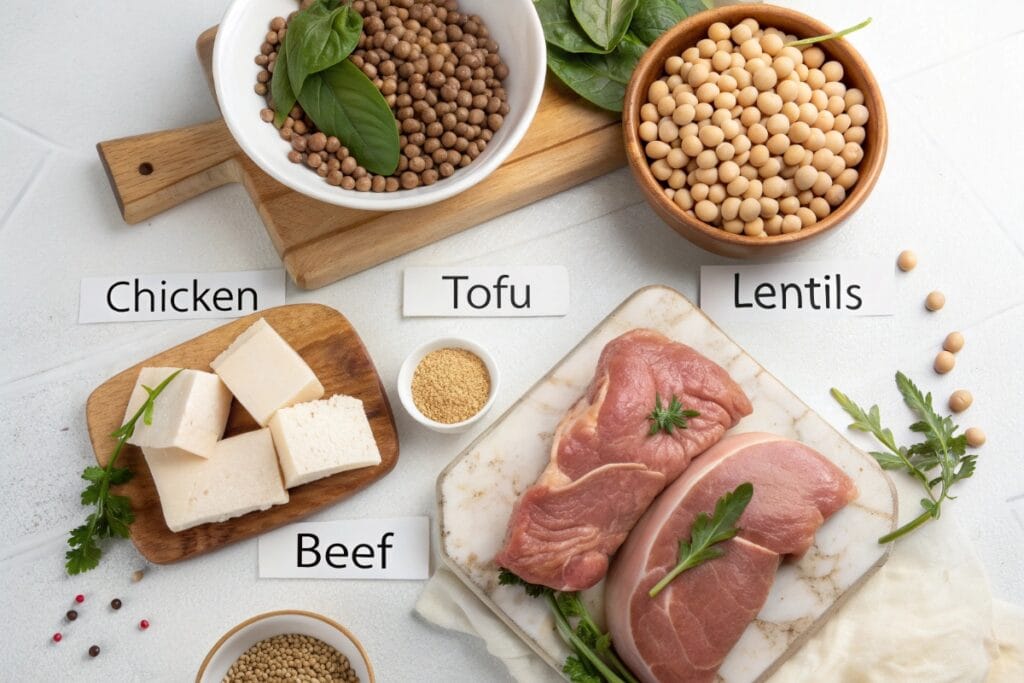
According to research summaries published by the US Department of Agriculture (USDA) , protein quality and overall dietary patterns play a central role in supporting metabolic and muscle health.
High Protein Eating Patterns and Whole Foods
High protein eating in the US dietary guidelines aligns closely with the broader recommendation to favor whole and minimally processed foods. Highly processed protein products are discouraged, while foods closer to their natural form are preferred.
This approach helps Americans meet protein needs without relying heavily on packaged or industrially processed foods.
What High Protein US Dietary Guidelines Mean for Families
For families, the guidance is practical and flexible rather than restrictive.
- Include a protein source in most meals
- Balance animal and plant protein sources
- Focus on whole foods rather than processed protein products
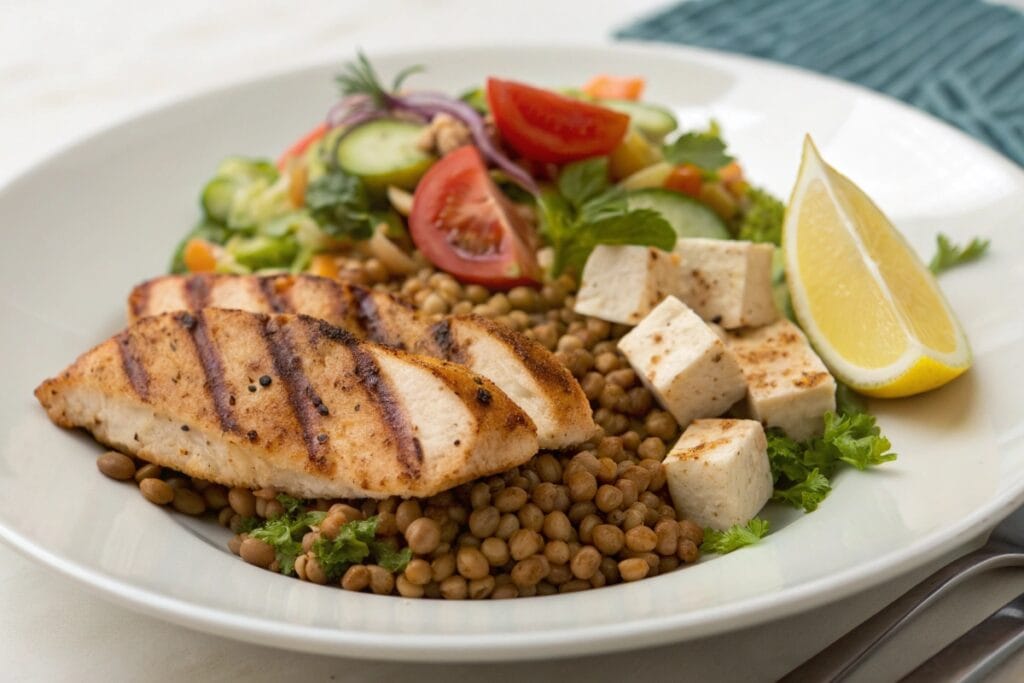
Plant-forward eating patterns can also meet protein needs when thoughtfully planned. Examples of balanced plant-based meal ideas can be found in our collection of vegan dinner recipes, which emphasize simplicity and ingredient quality rather than heavy processing.
Is High Protein Eating the Same as a High-Protein Diet?
No. The US dietary guidelines do not promote extreme high-protein diets. Instead, they support adequate and balanced protein intake as part of sustainable, long-term eating patterns.
The focus remains on consistency and food quality, not short-term dietary trends.
FAQ about high protein US dietary guidelines
Do the US dietary guidelines recommend high protein eating?
The guidelines emphasize adequate protein intake and protein quality as part of balanced eating patterns.
Why is protein intake important in the US dietary guidelines?
Protein intake supports muscle maintenance, metabolic health, and healthy aging across different life stages.
Do the US dietary guidelines focus on protein quality?
Yes. Protein quality from whole food sources is prioritized over highly processed protein products.
Are high protein eating patterns safe for families?
Balanced high protein eating patterns based on whole foods are considered safe and sustainable for families.
Final Thoughts on High Protein Eating in the US Dietary Guidelines
The increased focus on high protein eating in the US dietary guidelines reflects a shift toward realistic, science-based nutrition advice. By emphasizing protein intake, protein quality, and whole-food sources, the guidelines provide a flexible framework that families can realistically follow.
Trending recipe
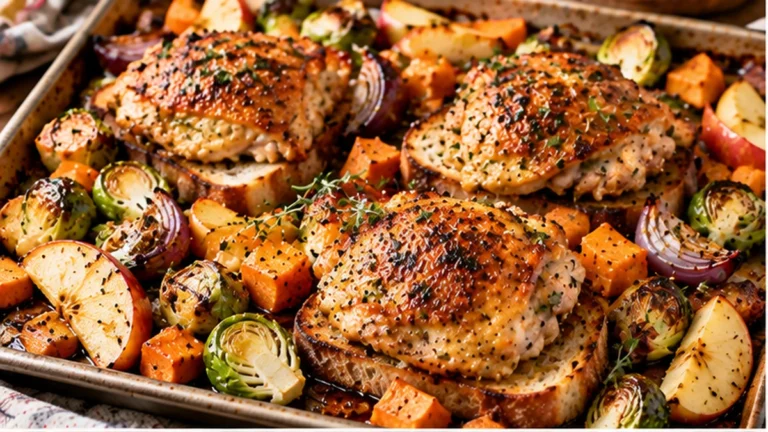
Sheet Pan Harvest Chicken with Pan-Juice Toast
Sheet pan harvest chicken roasts crisp-skinned thighs with sweet potatoes, Brussels sprouts, apples, and sourdough pan-juice toast for a cozy…
View recipe →
Trending recipe
Banana Bread Banana Pudding
Banana bread banana pudding layers soft banana bread cubes, homemade vanilla pudding, fresh bananas, and whipped cream into an easy…
View recipe →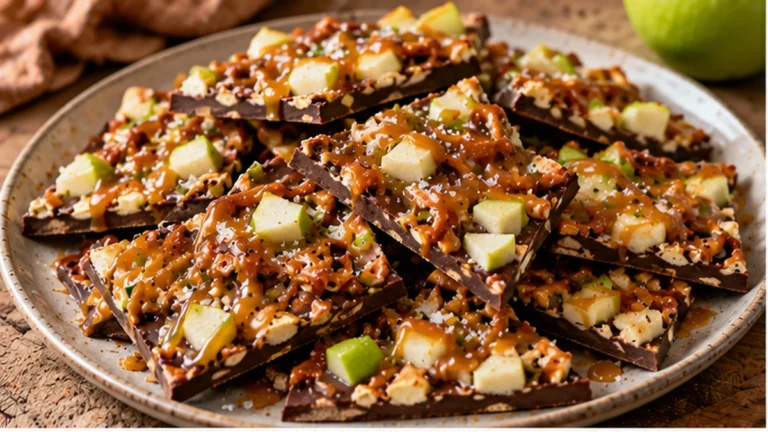
Trending recipe
Caramel Apple Bark
Caramel apple bark layers semisweet chocolate, salty pretzels, crisp Granny Smith apple, and chewy caramel into an easy no-bake fall…
View recipe →