
Blog
US Dietary Guidelines for Families: What Parents Need to Know

The US dietary guidelines for families are designed to help parents build healthier eating habits at home while supporting children’s growth and long-term health. The latest update focuses on food quality, balanced meals, and realistic family routines rather than strict dietary rules.
This article explains how the US dietary guidelines for families apply to everyday life, what they recommend for children, and how households can adopt healthier eating patterns without stress.
Table of Contents
Why US Dietary Guidelines for Families Matter
Family eating habits play a major role in shaping children’s long-term relationship with food. The US dietary guidelines for families emphasize consistency, balance, and food quality to support overall health at every stage of life.
- Support healthy growth and development
- Encourage balanced meals over restrictive diets
- Promote positive eating behaviors at home
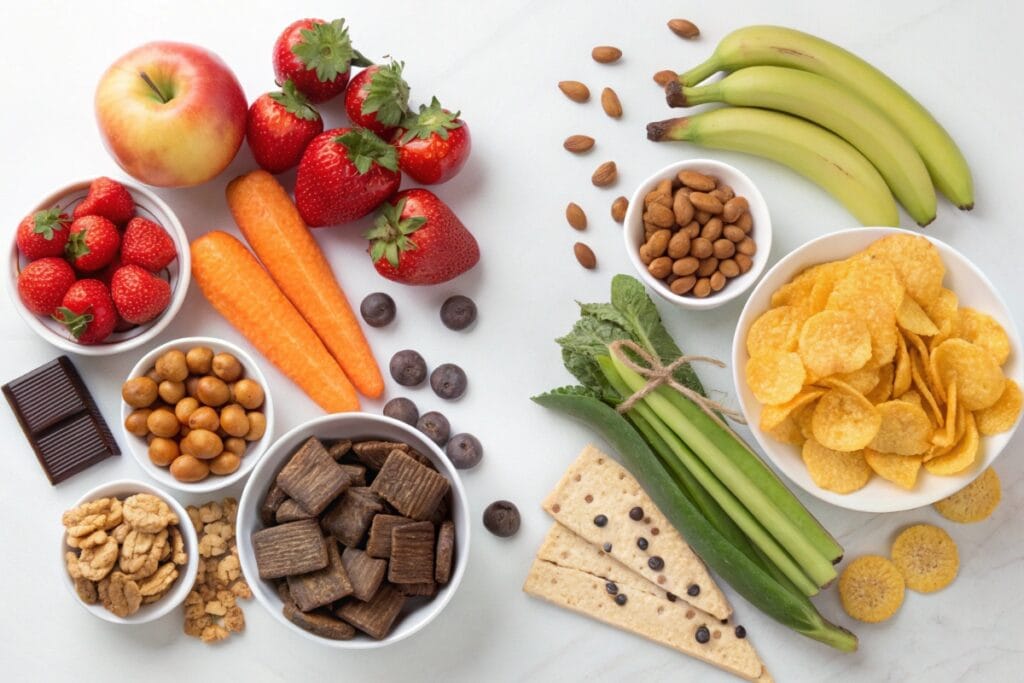
US Dietary Guidelines for Children Explained
The US dietary guidelines for children focus on meeting nutrient needs while avoiding excess added sugar, refined carbs, and highly processed foods.
Key recommendations include:
- Offering a variety of whole foods
- Encouraging fruits and vegetables daily
- Limiting sugary drinks and packaged snacks
These guidelines influence school meals, nutrition education, and public health programs across the country.
Healthy Eating for Families USA: A Whole-Food Approach
Healthy eating for families in the USA is no longer about counting calories. Instead, the guidelines recommend focusing on whole and minimally processed foods.
- Vegetables and fruits
- Whole grains
- Protein-rich foods from animal and plant sources
For a complete overview of the national recommendations, see our main guide on the US dietary guidelines 2025 changes .
Family Nutrition Guidelines USA and Daily Meal Planning
The family nutrition guidelines USA encourage simple routines that are easy to maintain:
- Eat meals together when possible
- Plan meals around whole ingredients
- Model healthy eating behaviors for children
Families following plant-forward or mixed eating patterns can still meet nutrition goals. Balanced meal ideas that emphasize whole foods can be explored in our collection of vegan dinner recipes, which align with guideline principles without relying on heavy processing.
How the Guidelines Support Long-Term Family Health
According to public health guidance from the Centers for Disease Control and Prevention (CDC) , early dietary habits strongly influence long-term health outcomes.
The US dietary guidelines for families aim to reduce the risk of obesity, metabolic disease, and nutrient deficiencies by encouraging sustainable eating habits from an early age.
Frequently Asked Questions
What are the US dietary guidelines for families?
They are national recommendations designed to help families build balanced, healthy eating habits for adults and children.
Are the US dietary guidelines for families suitable for children?
Yes. They include specific guidance for children’s growth, nutrient needs, and healthy eating behaviors.
Do families need to follow strict diets?
No. The guidelines focus on balance, flexibility, and long-term habits rather than restrictive diets.
Can plant-based families follow the guidelines?
Yes. Plant-forward eating patterns can meet nutritional needs when based on whole foods.
Final Thoughts on US Dietary Guidelines for Families
The US dietary guidelines for families provide a flexible framework that supports healthier eating without unnecessary restrictions. By focusing on food quality, balanced meals, and positive routines, families can build habits that benefit both children and adults over the long term.
Trending recipe
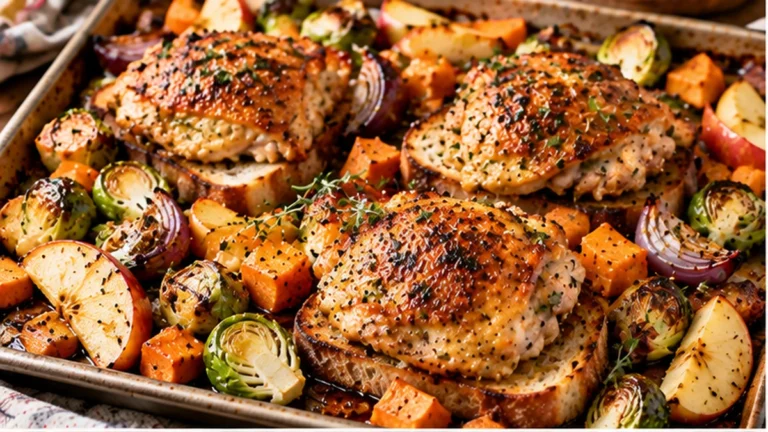
Sheet Pan Harvest Chicken with Pan-Juice Toast
Sheet pan harvest chicken roasts crisp-skinned thighs with sweet potatoes, Brussels sprouts, apples, and sourdough pan-juice toast for a cozy…
View recipe →
Trending recipe
Banana Bread Banana Pudding
Banana bread banana pudding layers soft banana bread cubes, homemade vanilla pudding, fresh bananas, and whipped cream into an easy…
View recipe →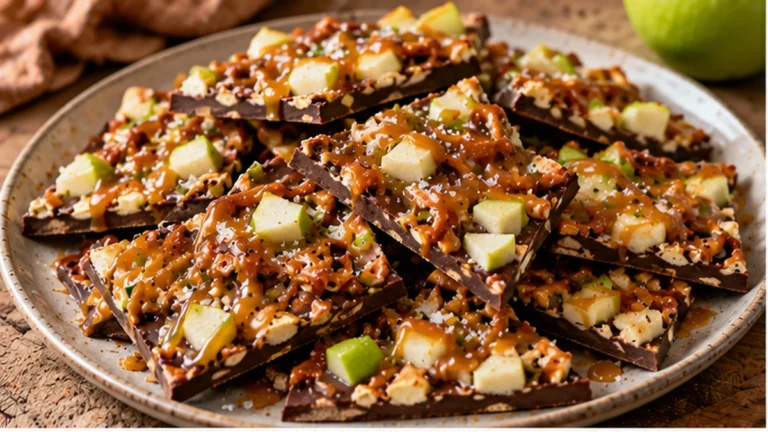
Trending recipe
Caramel Apple Bark
Caramel apple bark layers semisweet chocolate, salty pretzels, crisp Granny Smith apple, and chewy caramel into an easy no-bake fall…
View recipe →