
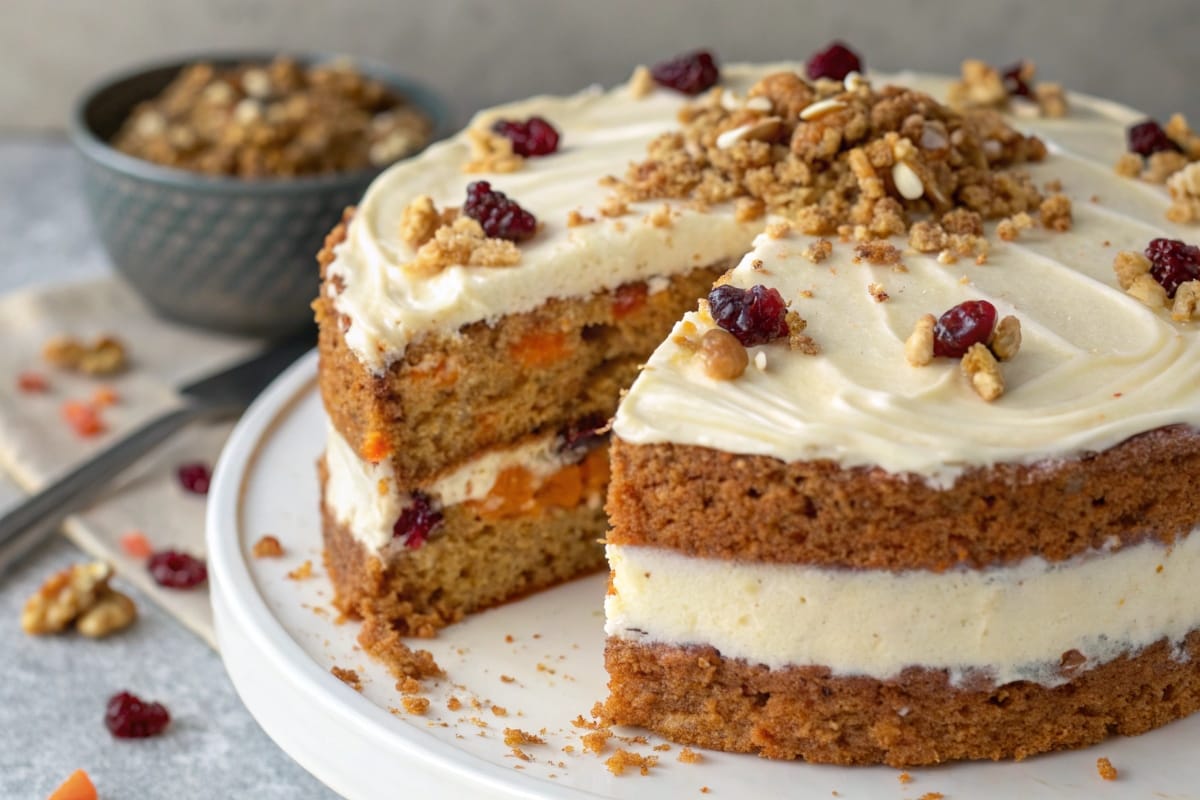
When I was growing up in Santa Barbara, Sundays always smelled like cinnamon, nutmeg, and fresh carrots. My mom and I would spend the afternoon baking — she’d grate the carrots while I whisked eggs and sugar, sneaking spoonfuls of batter when she wasn’t looking. Our kitchen felt alive, full of warmth and love. Years later, when she discovered her gluten intolerance, that family favorite disappeared overnight. Watching her avoid the desserts she once loved hit me hard. So I made it my mission to bring back those flavors — this time, without gluten.
This gluten free carrot cake became our Sunday tradition again, but lighter, healthier, and just as tender. It’s rich, warmly spiced, and unbelievably moist — proof that comfort and nutrition can share a plate. In this article, I’ll show you exactly how to make it, the best flours to use, and how to keep it perfectly soft every time.
If you enjoy sweet, wholesome desserts, you’ll also love pairing this with my refreshing Keto Mango Ice Cream or a batch of chewy Peanut Butter Keto Cookies. Both bring a satisfying finish to any meal without overloading on sugar.
Table of Contents
New to gluten-free? Start with our main guide before you dive into this recipe:
Gluten Free Recipes: Simple American Meals, Snacks, and Desserts
The Story Behind My Gluten Free Carrot Cake
From Sunday Baking to Gluten-Free Living
There’s a reason carrot cake means so much to me. It’s more than a dessert — it’s a memory baked into every layer. My mother used to tell me, “Good food heals more than hunger.” When she lost the ability to enjoy flour-based cakes, I realized how much emotion hides in something as simple as a slice of cake.
I started experimenting in my tiny kitchen after culinary school, trying to recreate her favorite version — the kind packed with shredded carrots, crushed pineapple, and walnuts. The first few attempts? Disasters. Dry, crumbly, and nothing like the original. But every failure taught me more about gluten-free baking: the balance of flours, the importance of moisture, and the power of rest time.
Finally, after weeks of trial and error, I pulled a loaf from the oven that looked right — golden edges, moist center, the smell of cinnamon filling the air. My mom took one bite, smiled, and said, “Adam, this tastes like the old days.” That moment became the heartbeat of HealthyAmericanBites.com — a place where joy and health coexist.
If you’ve ever felt torn between tradition and wellness, this cake bridges the gap beautifully, just like my Gluten Free Egg Noodles do for pasta lovers or the calming Lemon Balm Tea Recipe does for peaceful evenings.
Why This Cake Works Without Gluten
The secret to gluten free carrot cake lies in its natural ingredients. Carrots bring their own moisture, while eggs and oil provide structure that doesn’t depend on gluten. Instead of elasticity from wheat, we rely on smart flour combinations — rice, oat, almond, or all-purpose gluten-free blends.
A quick look shows why this swap works:
| Flour Type | Texture | Gluten-Free? |
|---|---|---|
| All-Purpose Wheat Flour | Light, airy | No |
| Gluten-Free Flour Blend | Moist, soft crumb | Yes |
What’s even better is that gluten-free flours absorb flavor differently — the spices bloom deeper, and the carrots caramelize slightly more. You get a cake that feels indulgent yet easier to digest. When paired with a dairy-free frosting, it’s both comforting and inclusive.
Choosing the Right Ingredients for a Moist Gluten Free Carrot Cake
The Flour Formula
When it comes to baking a perfect gluten free carrot cake, flour choice is everything. The wrong mix can turn a beautiful batter into a dry, crumbly mess, but the right one gives you that tender, melt-in-your-mouth crumb you’d never guess was gluten-free.
The question I hear most is: What flour can I use to make gluten-free carrot cake? After years of testing, my go-to is a 1-to-1 gluten-free baking blend that already includes xanthan gum for structure. My favorites are Bob’s Red Mill 1-to-1 Baking Flour and King Arthur Measure for Measure — both reliable, consistent, and easy to find in most stores.
If you prefer blending your own, use:
- 1 cup almond flour (rich, nutty flavor)
- ½ cup oat flour (soft, tender texture)
- 2 tablespoons tapioca starch (binding and chewiness)
These mimic the elasticity of wheat while keeping the crumb moist. Almond flour adds depth and natural sweetness, while oat flour balances lightness. Tapioca starch gives that subtle spring you want when you take a bite.
When flavoring, don’t skip salt — a tiny pinch of Himalayan salt rounds out the sweetness and enhances the spices. You can learn more about how natural minerals affect flavor in my Himalayan Salt Electrolytes guide.
I also like serving this cake during brunch gatherings, where it pairs perfectly with small savory bites like those in my Keto Appetizers. It creates that lovely contrast between salty and sweet that guests never forget.
Secrets for a Moist Gluten Free Cake
One thing gluten-free baking often gets wrong is texture — dryness is the enemy. But a few small tricks make a huge difference. The first is using freshly grated carrots, not the pre-shredded kind from a bag. Fresh carrots release moisture during baking, keeping the crumb soft and flavorful.
Next, add crushed pineapple or unsweetened applesauce to the batter. These natural sweeteners trap moisture and add subtle fruity notes that complement the spices beautifully. A neutral oil like avocado or light olive oil also helps maintain tenderness for days after baking.
Here’s the golden rule: measure your flour accurately. Gluten-free blends absorb liquid differently, so even a couple of tablespoons extra can make your cake dense. If you have a kitchen scale, weigh your flour — it’s the most reliable way to achieve consistency.
Another helpful step is to let the batter rest for 10 minutes before baking. This allows the flour to hydrate, producing a smoother crumb once baked.
And when you finally mix everything together — the carrots, the spices, the sweet pineapple — the aroma will remind you why baking is so much more than a recipe; it’s an act of love.
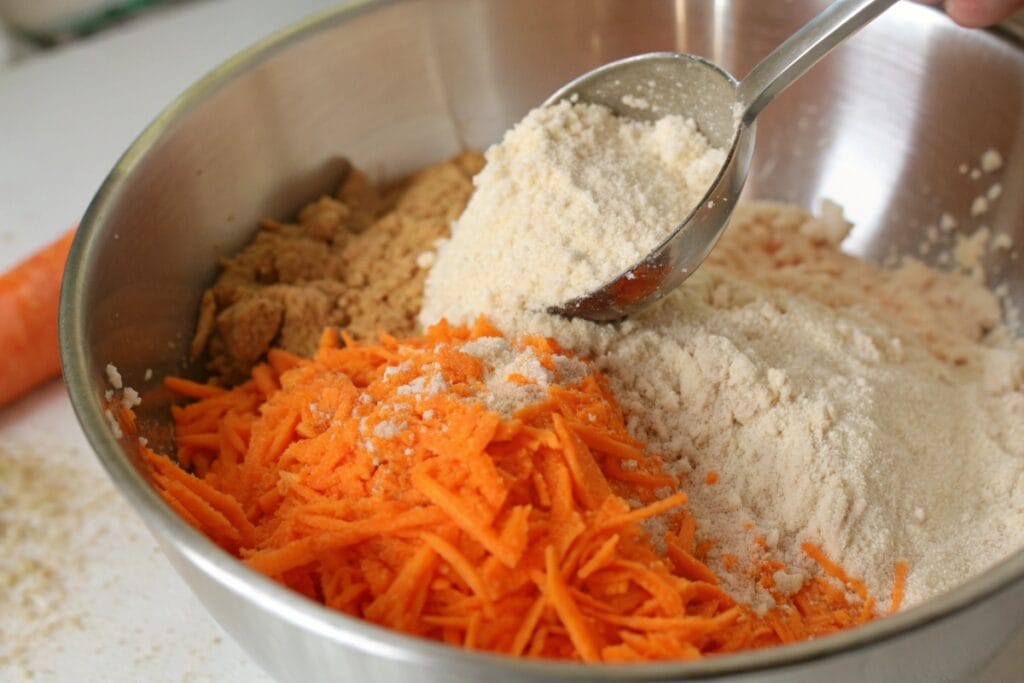
By focusing on fresh ingredients, moisture balance, and flour variety, you’ll create a gluten free carrot cake that’s soft, flavorful, and surprisingly resilient — it stays moist for days without refrigeration.
How to Bake & Frost the Perfect Gluten Free Carrot Cake
Step-by-Step Baking Method
Now that you’ve got your ingredients ready, it’s time to bake the perfect gluten free carrot cake — the kind that fills your home with the smell of cinnamon and vanilla, just like those family Sundays from my childhood.
Baking gluten-free can feel intimidating at first, but once you follow these steps, it becomes second nature.
- Preheat your oven to 350°F (175°C). Grease two 8-inch round pans or one 9×13-inch pan with olive oil spray, then line with parchment paper for an easy release.
- Mix dry ingredients: In a large bowl, whisk together your gluten-free flour blend, baking powder, baking soda, salt, cinnamon, nutmeg, and a touch of ginger for warmth.
- Combine wet ingredients: In another bowl, beat together eggs, brown sugar, and vanilla. Add crushed pineapple or applesauce and oil, whisking until smooth.
- Combine wet and dry: Pour the wet mixture into the dry ingredients and stir gently until combined. The batter should be thick but scoopable.
- Fold in the good stuff: Add grated carrots and chopped walnuts or pecans. Mix just until evenly distributed — overmixing makes it dense.
- Bake: Divide the batter evenly into pans and bake for 30–35 minutes, or until a toothpick inserted in the center comes out clean.
- Cool completely: Let the cakes rest 10 minutes in the pans, then transfer them to a wire rack. This prevents sogginess and keeps the texture perfect.
If you love carrots as much as I do, you might enjoy reading Are Carrots Keto?. It’s a fun deep dive into how this humble vegetable fits into different eating styles. Or, if you’re looking for a light side dish for your next brunch, try my crisp, vibrant Ribbon Carrot Salad — a refreshing contrast to the richness of this cake.
Your baked layers will be soft, aromatic, and beautifully golden, ready to meet the frosting that ties everything together.
Frosting Options — Dairy-Free and Classic
No carrot cake is complete without frosting — that creamy, tangy layer that balances sweetness with just enough bite. Traditional cream cheese frosting is delicious, but you can make it completely dairy-free without sacrificing flavor or texture.
Here’s how:
Classic Cream Cheese Frosting:
- 8 oz cream cheese, softened
- ½ cup butter
- 2 cups powdered sugar
- 1 tsp vanilla extract
Beat until fluffy, smooth, and spreadable.
Dairy-Free Frosting Alternative:
- 8 oz vegan cream cheese (like Miyoko’s or Kite Hill)
- ½ cup vegan butter or coconut oil
- 2 cups powdered sugar
- 1 tsp lemon juice or vanilla extract
The vegan version tastes just as indulgent, with a slightly lighter texture and gentle tang. The coconut oil adds a natural sweetness that pairs perfectly with the spiced cake. If you prefer something lighter still, try Greek yogurt frosting — rich in protein and lower in fat.
For both versions, chill the frosting for 15 minutes before spreading. It firms up slightly, making it easier to create those satisfying, smooth swirls on top.
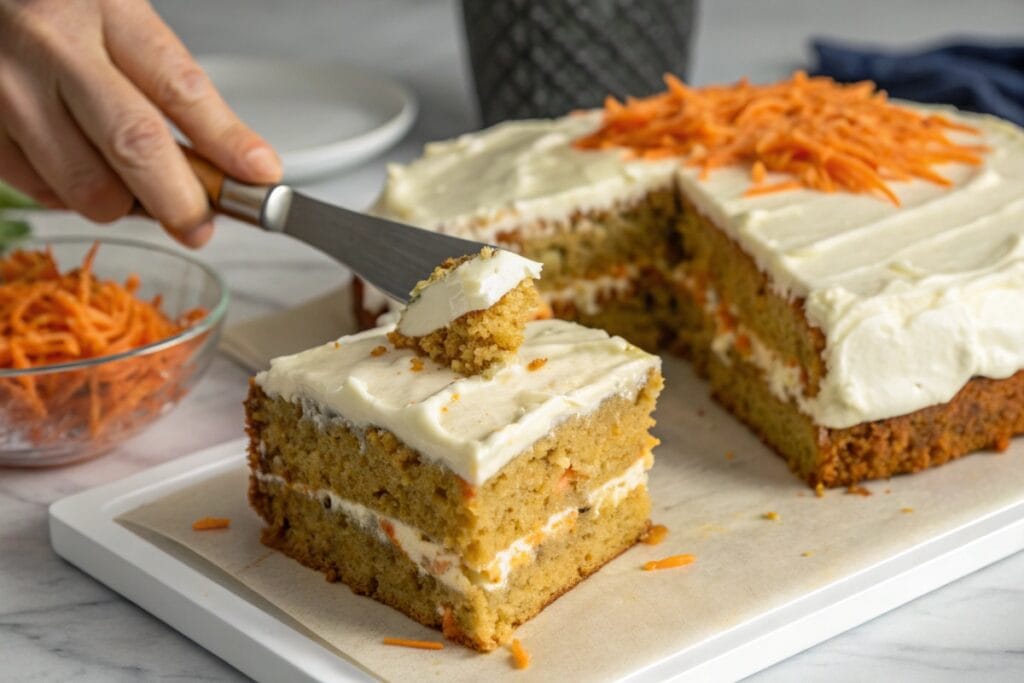
To frost, layer the first cake, add a generous dollop of frosting, and smooth it with an offset spatula. Stack the second layer and coat the top and sides evenly. For an extra touch, sprinkle chopped walnuts or shredded carrots over the top for a rustic, homemade finish.
The result is a moist, spiced cake wrapped in creamy frosting that tastes indulgent yet wholesome — the kind of dessert that wins hearts at first bite.
Serving, Storage, and Health Benefits
Gluten-Free Can Be Healthier — Here’s Why
Many people assume that gluten free carrot cake is simply a diet substitute. But in truth, it’s an opportunity to make dessert both satisfying and nourishing. By replacing refined flour with almond, oat, or rice-based blends, you’re adding natural fiber, healthy fats, and nutrients — all without losing that comforting sweetness.
The carrots themselves bring vitamin A and antioxidants, while nuts like walnuts or pecans add omega-3s and a pleasant crunch. The cake stays moist without excess sugar, thanks to ingredients like applesauce or pineapple. That’s what I love about gluten-free baking: it turns indulgence into something that actually supports your body.
Of course, “healthier” doesn’t mean low-calorie. It simply means your ingredients are real, whole, and digestible. Compared to traditional versions, this cake is gentler on digestion and far less likely to trigger inflammation.
For those exploring plant-forward meals, I often suggest pairing this dessert with savory dishes like my Vegan Mushroom Recipes for a balanced dinner or learning about natural sweeteners in my Pink Himalayan Salt and Honey guide. They show that health and pleasure can coexist beautifully — one slice, one bite, one meal at a time.
How to Store & Enjoy It Longer
This cake keeps beautifully, which makes it perfect for make-ahead gatherings or slow weekends. Once frosted, store your gluten free carrot cake in an airtight container in the refrigerator for up to five days. Bring it to room temperature before serving for the best texture.
If you’d like to keep it longer, slice and freeze individual portions. Wrap them tightly in parchment and store in freezer-safe bags for up to three months. When the craving hits, just thaw a slice on the counter — it’ll taste as fresh as the day you baked it.
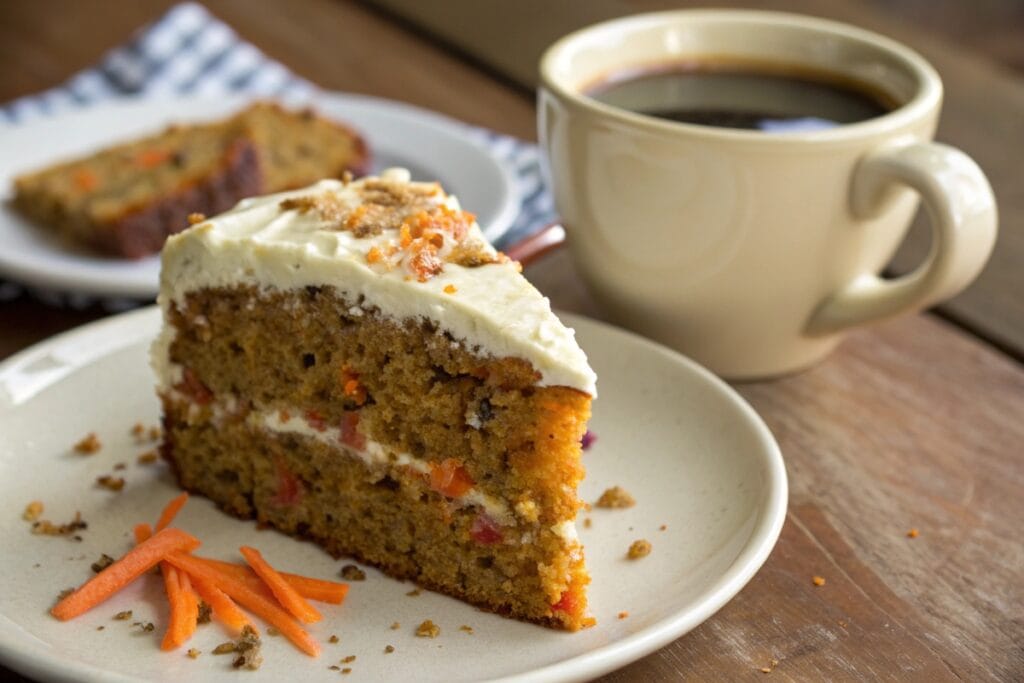
For breakfast, I love pairing a chilled slice with my frothy Cloud Coffee — that creamy sweetness of the drink balances the spice of the cake perfectly. It’s the kind of morning treat that feels like a small celebration.
FAQ About gluten free carrot cake
1. What flour can I use to make gluten-free carrot cake?
Almond flour, oat flour, or a ready-made 1-to-1 gluten-free flour blend work best. They create a soft crumb without gluten.
2. How do you make a carrot cake moist when it’s gluten-free?
Use freshly grated carrots, crushed pineapple, and a neutral oil. They add natural moisture and prevent dryness.
3. Is gluten-free carrot cake healthier than regular carrot cake?
Yes, it often has less refined flour and more fiber. It’s easier on digestion and contains more wholesome ingredients.
4. Can carrot cake be made dairy free as well as gluten free?
Absolutely! Substitute regular cream cheese with vegan cream cheese or cashew-based frosting for a dairy-free option that still tastes rich and creamy.
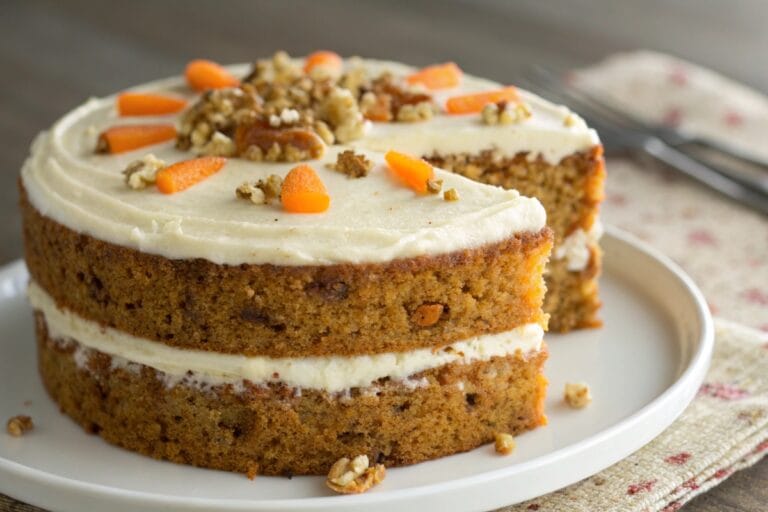
Gluten Free Carrot Cake: Moist, Spiced, and Naturally Sweet
Moist, fluffy, and warmly spiced gluten free carrot cake that’s perfect for celebrations or everyday indulgence.
- Total Time: 50 minutes
- Yield: 10 slices
Ingredients
1½ cups gluten-free flour blend (with xanthan gum)
1 cup grated carrots
½ cup crushed pineapple or applesauce
¾ cup brown sugar
2 eggs
½ cup olive or avocado oil
1 tsp cinnamon
¼ tsp nutmeg
¼ tsp ginger
1 tsp baking powder
½ tsp baking soda
½ tsp Himalayan salt
Instructions
1. Preheat oven to 350°F and prepare pans with oil and parchment.
2. Whisk dry ingredients together in a large bowl.
3. In another bowl, whisk eggs, sugar, and oil. Add carrots and pineapple.
4. Combine wet and dry ingredients; mix gently until smooth.
5. Pour into pans and bake for 30–35 minutes or until a toothpick comes out clean.
6. Cool completely before frosting with classic or dairy-free cream cheese frosting.
Notes
For dairy-free frosting, use vegan cream cheese and butter alternatives.
Store in the refrigerator up to 5 days or freeze slices up to 3 months.
- Prep Time: 15 minutes
- Cook Time: 35 minutes
- Category: Dessert
- Method: Baking
- Cuisine: American
- Diet: Gluten Free
CONCLUSION
Making a gluten free carrot cake isn’t just about replacing flour — it’s about rewriting comfort with compassion. This cake holds the same warmth, spice, and nostalgia as the one my mom and I made years ago, only now it welcomes everyone to the table.
Each slice reminds me why I started Healthy American Bites: to prove that eating well doesn’t mean giving up joy. So bake this cake, share it with someone you love, and taste the balance of sweetness, health, and memory in every bite.
If you’re looking for the perfect finish, enjoy it with my cool, creamy Keto Mango Ice Cream or treat yourself to a few Peanut Butter Keto Cookies on the side. Because food should always make you feel good — body and soul.
For additional guidance on safe gluten-free baking and celiac-friendly ingredients, you can visit the Celiac Disease Foundation’s official resource on gluten-free living — a trusted authority for understanding dietary health and ingredient safety.