

High protein blueberry muffins let you keep that warm, bakery-style breakfast while staying true to your goals. Instead of starting the day with a sugar crash, you get a soft, juicy muffin that actually fills you up. In this guide, you’ll learn exactly what ingredients make blueberry muffins high in protein, whether you can use protein powder in blueberry muffins, how much protein a high-protein blueberry muffin usually contains, and how to use Greek yogurt instead of oil to boost protein. You’ll also get a complete, make-ahead recipe, smart tips, and delicious serving ideas.
Table of Contents
Want a bigger overview of protein-rich meals and snacks? Explore our High Protein Foods Guide for simple explanations, food lists, and a 7-day high protein meal plan using recipes from HealthyAmericanBites.
Why High Protein Blueberry Muffins Change Breakfast
Why Classic Muffins Don’t Keep You Full
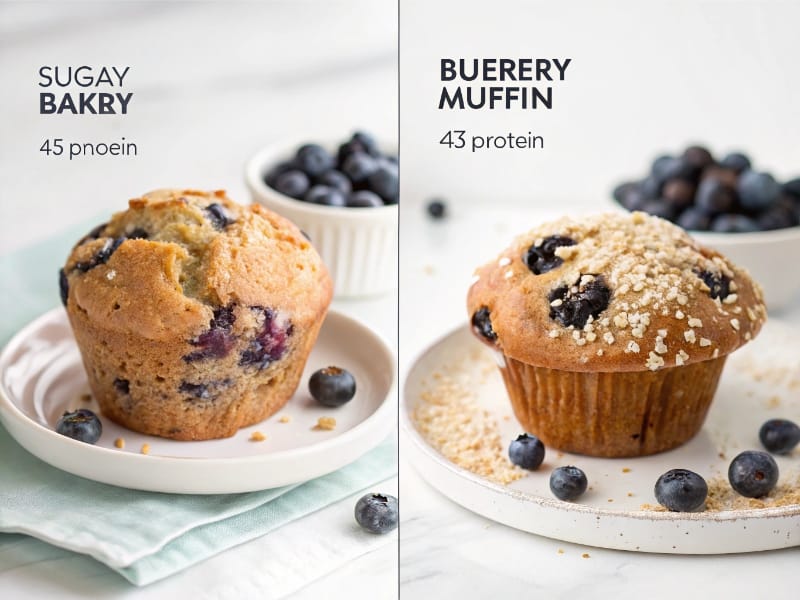
If you grab a regular coffee-shop blueberry muffin, you probably feel hungry again an hour later. That doesn’t surprise nutrition experts. A medium bakery muffin often delivers 350–450 calories, 35–60 grams of carbs, and only 4–8 grams of protein. That carb-heavy balance spikes blood sugar and then drops it, which leads to cravings and low energy.
High protein blueberry muffins flip that ratio. When you swap refined flour for almond flour, add eggs, Greek yogurt, and even a scoop of protein powder, you dramatically raise protein and fiber while you lower net carbs. Recent recipes from dietitians show high protein blueberry muffins with 8–12 grams of protein per standard muffin, along with more fiber and less sugar.
If you love hearty, satisfying mornings, use these muffins as part of a bigger high-protein routine. Pair one with a couple of high-protein egg bites for meal prep or a slice of high-protein quiche to build a serious protein-powered breakfast that keeps you energized until lunch.
What Ingredients Make Blueberry Muffins High in Protein?
When you ask, “What ingredients make blueberry muffins high in protein?” you head straight to the fun part. Here are the main protein boosters bakers love for high protein blueberry muffins:
- Eggs – Each egg brings about 6 grams of high-quality protein plus nutrients like B12 and choline.
- Greek yogurt – A 6-ounce serving of strained Greek yogurt gives you around 15 grams of protein and a creamy texture that keeps muffins moist.
- Protein powder – Whey, casein, or plant-based blends add 8–20 grams of protein per scoop. Many popular blueberry protein muffin recipes blend almond flour with vanilla protein powder for a fluffy crumb and a big protein bump.
- Almond flour and nut butters – Almond flour and peanut or almond butter contribute extra protein, healthy fats, and fiber, which support hunger control.
You don’t need every booster at once. Even two or three of these ingredients transform basic muffins into high protein blueberry muffins that support your goals far better than a standard coffee-shop option.
Protein Powder, Greek Yogurt & Simple Swaps
Can I Use Protein Powder in Blueberry Muffins?
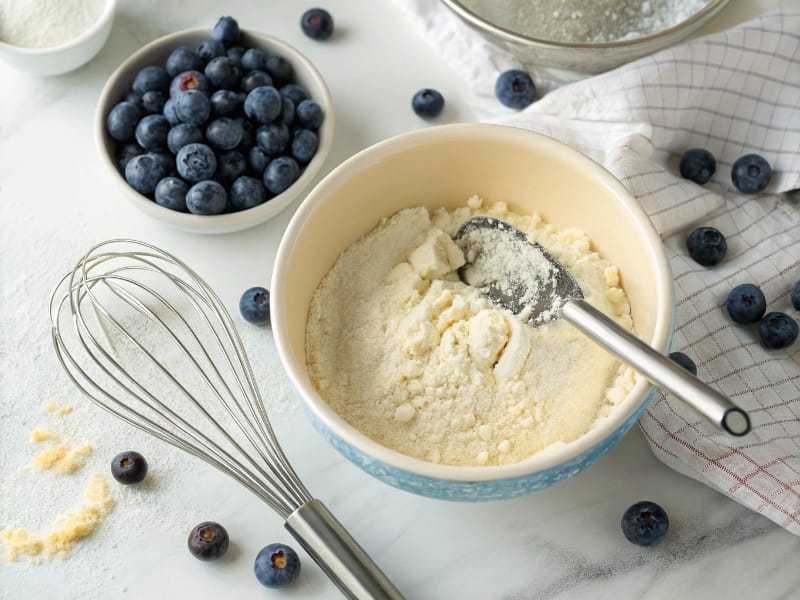
Yes, you absolutely can use protein powder in blueberry muffins, and many recipe developers do that all the time. Several current high protein muffin recipes combine eggs, almond flour, Greek yogurt, and whey or plant-based protein powder to reach 8–12 grams of protein per muffin without ruining the texture.
To do this at home:
- Stir protein powder into your dry ingredients after you whisk flour and baking powder.
- Start with ¼ to ½ cup of whey or plant-based protein powder for a 12-muffin batch.
- Add a splash of extra liquid (almond milk or more yogurt) if the batter feels too thick.
Whey powder often produces a tender crumb in high protein blueberry muffins, while plant-based blends act more like flour and need a bit more liquid. For a full brunch spread, you can bake a tray of muffins and serve them with hearty mains like high-protein buffalo chicken dip or a slice of high-protein chicken feed casserole for extra staying power.
Can I Use Greek Yogurt Instead of Oil to Boost Protein?
You can happily use Greek yogurt instead of part (or even all) of the oil in blueberry muffins, and many high-protein recipes do that. One popular protein muffin method blends eggs, Greek yogurt, melted butter, almond flour, and protein powder to create a thick batter with a soft, moist crumb and extra protein.
Another version uses Greek yogurt with protein powder to build bakery-style protein blueberry muffins without eggs and still delivers an impressive rise.
Greek yogurt adds:
- Protein – Around 15 grams per 6-ounce serving, far more than oil.
- Moisture – A thick, creamy texture that keeps high protein blueberry muffins tender.
- Tang – A subtle flavor that balances sweetness and complements blueberries.
You simply reduce your oil or butter and stir in plain Greek yogurt instead. If you love smooth, high-protein baked goods, you can use similar swaps in high-protein pureed food recipes or in savory breakfasts like high-protein egg bites for an entire day that supports your protein needs.
Here’s a quick cheat sheet for common protein boosters you can mix into your muffins:
| Protein Booster | Approx. Protein per Serving | Easy Way to Use in Muffins |
|---|---|---|
| 2 large eggs | ~12 | Whisk into wet ingredients |
| ¾ cup Greek yogurt | ~18–19 | Swap for oil or part of the milk |
| 1 scoop whey protein | ~20–25 g | Stir into dry ingredients |
| ¼ cup almond flour | ~6 | Replace some all-purpose flour |
Protein Per Muffin, Health Benefits & Smart Pairings
How Much Protein Is in a High-Protein Blueberry Muffin?
If you wonder, “How much protein is in a high-protein blueberry muffin?” you already think in numbers, which helps you stay consistent. Traditional medium blueberry muffins usually offer only about 4–8 grams of protein per muffin.noom.com In contrast, current high protein blueberry muffins routinely reach 8–12 grams of protein per serving.
For example, one registered dietitian’s recipe hits 8 grams of protein per muffin by combining Greek yogurt, eggs, and protein-rich flour. Another popular high protein blueberry muffin recipe delivers 10 grams of protein and 4 grams of fiber per muffin with a cottage cheese–based batter.
You can aim for that same range at home. If your batch makes 12 muffins and the total protein in your batter reaches around 132 grams (from eggs, yogurt, almond flour, and protein powder), each muffin lands near 11 grams of protein. That number turns your high protein blueberry muffins into a mini meal instead of a quick sugar hit.
Are High Protein Blueberry Muffins Healthy?
Are keto or high protein blueberry muffins healthy? They can be a smart part of your day when you build them with real, nutrient-dense ingredients. Nutrition experts point out that muffins made with refined flour and lots of sugar offer little protein or fiber and often contain 350–450 calories, 35–60 grams of carbs, and 25–40 grams of sugar per serving.
By raising protein and fiber and cutting added sugar, you help your muffins support fullness and a more stable blood sugar response. High-protein muffins that stay moderate in calories and low in added sugar can fit into a weight-loss-friendly plan. According to Noom’s nutrition guide, high-protein, high-fiber baked goods satisfy hunger better than typical pastries and make a calorie deficit feel more manageable.
You still need balance. You pair a muffin with extra protein—maybe a side of scrambled eggs or a slice of leftover wagyu ground beef recipe from last night—and round things out with fresh fruit or a veggie scramble. For weekends, you might bake a dozen high protein blueberry muffins, pack them into meal-prep boxes with sausage from your chicken apple sausage air fryer recipe, and enjoy a grab-and-go breakfast that truly keeps you fueled.
Greek Yogurt, Healthy Fats & Easy Meal Ideas
Can I Use Greek Yogurt Instead of Oil to Boost Protein in Muffins?
Yes, and it works beautifully. When you swap oil for Greek yogurt in high protein blueberry muffins, you bring more protein and a lush, tender crumb. Several modern muffin recipes use Greek yogurt as a main moisture source alongside eggs and a small amount of butter or oil.
To do this:
- Replace half or all of the oil with plain Greek yogurt.
- Use full-fat or 2% Greek yogurt for a soft, rich texture.
- Add a little extra baking powder if the batter feels dense.
Greek yogurt supports fullness and brings around 15 grams of protein per 6-ounce portion. That makes it one of the easiest answers to “Can I use Greek yogurt instead of oil to boost protein in muffins?”

Building a High-Protein Breakfast Around Blueberry Muffins
Once you bake a batch of high protein blueberry muffins, you can plug them into an entire day of satisfying, protein-centered eating. Nutrition guidance from sources like EatingWell suggests adults usually need about 46–56 grams of protein per day, and a protein-rich breakfast helps you stay full and energized.
Here are a few fast pairing ideas:
- Enjoy one muffin with air fryer egg bites for a morning plate that hits 20–30 grams of protein.
- Pack two muffins with a small serving from your crockpot chicken pot pie leftovers for a cozy high-protein lunch.
- Serve mini muffins as a side for game-day snacks like high-protein buffalo chicken dip or grilled favorites from your pellet grill recipes collection.
You can keep carbs in check, enjoy sweet blueberry flavor, and still treat your body kindly. For more context on daily protein targets and balanced eating, check out Healthline’s overview of protein needs at which explains how protein supports muscle, hormones, and metabolism across your day.
FAQ: High Protein Blueberry Muffins
What ingredients make blueberry muffins high in protein?
High protein blueberry muffins use ingredients like eggs, Greek yogurt, protein powder, almond flour, cottage cheese, and nut butter to boost protein and improve satiety. Dietitians often combine Greek yogurt, eggs, almond flour, and whey or plant-based protein powder to reach 8–12 grams of protein per muffin while keeping carbs and sugar in check.
Can I use protein powder in blueberry muffins?
You can definitely use protein powder in blueberry muffins. Many high protein recipes add ¼–½ cup of whey or plant-based protein powder to the dry ingredients and then adjust the liquid slightly for a scoopable batter. Successful recipes show that protein powder blends well with almond flour and Greek yogurt to create soft, satisfying muffins that hold their shape and deliver serious protein.
How much protein is in a high-protein blueberry muffin?
Most high-protein blueberry muffin recipes land around 8–12 grams of protein per standard muffin. One recent recipe provides 8 grams of protein per muffin, while another hits 10 grams plus 4 grams of fiber in a 12-muffin batch. In contrast, a medium traditional blueberry muffin usually contains only 4–8 grams of protein.
Can I use Greek yogurt instead of oil to boost protein in muffins?
Yes. Greek yogurt works very well in place of some or all of the oil in muffins, and it adds protein, moisture, and a pleasant tang. High-protein muffin recipes often whisk Greek yogurt with eggs and a bit of melted butter, then fold in almond flour and protein powder for structure. Greek yogurt brings about 15 grams of protein per 6-ounce serving, so it helps your muffins stay both tender and filling.
My Story Behind These High Protein Blueberry Muffins
I’m Adam Moretti, a 38-year-old food lover in Santa Barbara, California. As a kid, I stood on a kitchen stool next to my Italian mom, hands dusty with flour and spices while we stirred big pots of sauce. My dad adored those meals but he lived with diabetes and high blood pressure, so he often watched us eat more than he did. That contrast between comfort food and strict health rules stayed with me. I studied nutrition, trained in culinary school, and finally created HealthyAmericanBites.com so families could enjoy bold, feel-good recipes that care for their bodies too.
Print
High Protein Blueberry Muffins: Easy Fuel for Busy Mornings
These high protein blueberry muffins are soft, golden, and full of juicy berries. Almond flour, Greek yogurt, eggs, and protein powder work together to pack in more than 10 grams of protein per muffin while keeping carbs in check for a satisfying breakfast or snack.
- Total Time: 35 minutes
- Yield: 12 muffins
Ingredients
1 1/2 cups finely blanched almond flour
3 scoops (about 90 g) vanilla or unflavored whey protein powder
2 tsp baking powder
1/2 tsp fine sea salt
2 large eggs, room temperature
1 cup plain Greek yogurt (2% or whole milk)
1/3 cup granular zero-calorie sweetener or sugar substitute
1/4 cup melted butter or coconut oil, slightly cooled
1 tsp vanilla extract
1 cup fresh or frozen blueberries (if frozen, do not thaw)
1 tbsp almond flour (for tossing with blueberries)
Optional: 2 tbsp coarse sugar-free sweetener or extra almond flour for sprinkling on top
Instructions
1. Preheat your oven to 350°F (175°C). Line a 12-cup muffin tin with paper liners.
2. In a medium bowl, whisk 1 1/2 cups almond flour, 3 scoops protein powder, 2 teaspoons baking powder, and 1/2 teaspoon salt until no lumps remain.
3. In a large bowl, whisk the eggs, Greek yogurt, sweetener, melted butter, and vanilla until the mixture looks smooth.
4. Pour the dry ingredients into the wet ingredients. Stir with a spatula until a thick, smooth batter forms. If it feels very stiff, add 1–2 tablespoons of unsweetened almond milk.
5. In a small bowl, toss the blueberries with 1 tablespoon almond flour to help prevent sinking, then gently fold them into the batter.
6. Divide the batter evenly among the 12 muffin cups, filling each about 3/4 full. Sprinkle the tops with extra sweetener or almond flour if you like a bakery-style look.
7. Bake for 18–22 minutes, until the tops look set and a toothpick inserted in the center comes out clean or with just a few moist crumbs.
8. Let the high protein blueberry muffins cool in the pan for 5–10 minutes, then move them to a wire rack to cool completely before serving.
Notes
Store cooled muffins in an airtight container in the refrigerator for up to 5 days, or freeze them for up to 2 months.
Reheat chilled muffins in the microwave for 15–20 seconds or warm them in a low oven until soft.
You can use plant-based protein powder instead of whey; add 1–3 extra tablespoons of almond milk if the batter feels too thick.
For extra protein, enjoy a muffin with scrambled eggs or a serving of cottage cheese for a complete high-protein breakfast.
- Prep Time: 15 minutes
- Cook Time: 20 minutes
- Category: Breakfast
- Method: Baking
- Cuisine: American
visit our facebook page