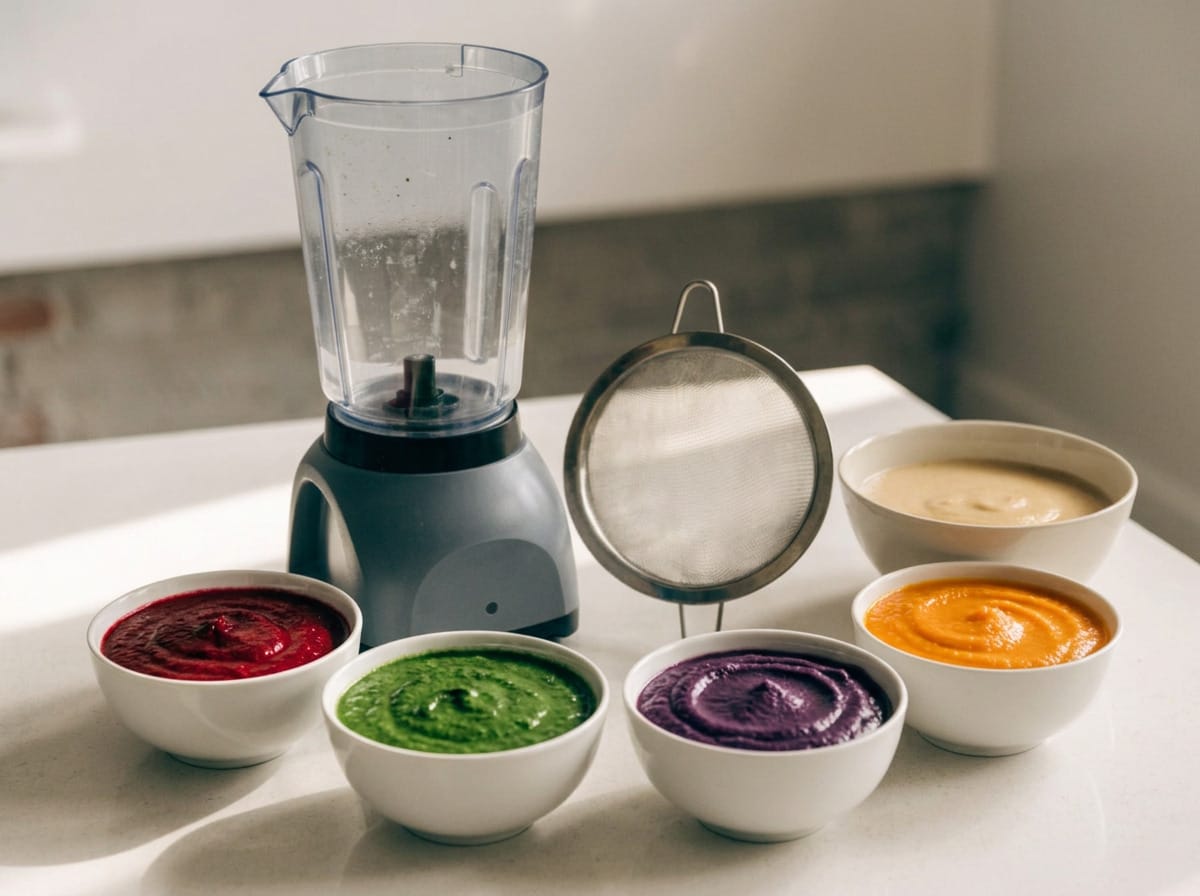
High protein pureed food recipes can bring chicken, fish, eggs, dairy, beans, lentils, and tofu into smooth, spoonable meals. The seven recipes below include savory and lightly sweet options, with approximate protein amounts so you can compare them at a glance.
These recipes are designed as practical home-cooking ideas. They do not prescribe a medical diet or a swallowing treatment. If you have been given a specific texture or liquid thickness because of dysphagia, surgery, or another health condition, follow the plan provided by your clinician.
A food is not automatically safe for a prescribed pureed diet simply because it went through a blender. The final thickness, smoothness, cohesiveness, and absence of lumps all matter. The American Speech-Language-Hearing Association explains that texture changes should be selected from an individual swallowing assessment. The IDDSI testing methods can help people check a prescribed texture at serving time, but they do not replace clinical guidance.
For a broader overview of protein-rich ingredients and meal ideas, visit our high protein foods guide.
Table of Contents
High Protein Pureed Recipes at a Glance
Recipe
Main protein sources
Approximate protein per serving
Creamy Chicken and White Bean Puree
Chicken, white beans, Greek yogurt
39 g
Salmon and Sweet Potato Puree
Salmon, Greek yogurt
30 g
Turkey, Cauliflower, and Ricotta Puree
Turkey, ricotta
36 g
Egg, Cottage Cheese, and Spinach Puree
Eggs, cottage cheese
27 g
Lentil and Greek Yogurt Puree
Lentils, Greek yogurt
29 g
Tofu and Edamame Puree
Silken tofu, edamame
20 g
Pumpkin Yogurt and Cottage Cheese Puree
Greek yogurt, cottage cheese
31 g
Protein values are estimates based on common reference foods. The exact amount will change with the brand, portion size, and substitutions you use. USDA FoodData Central is the reference used for general nutrient estimates.
This creamy chicken and white bean puree blends tender chicken breast, cannellini beans, soft carrots, Greek yogurt, and broth into a smooth savory meal with approximately 39 grams of protein per serving.
Total Time:15 minutes
Yield:2 servings
Ingredients
Scale
Creamy Chicken and White Bean Puree
210 g (about 1 1/2 cups) cooked chicken breast, chopped
90 g (1/2 cup) no-salt-added cannellini beans, drained and rinsed
80 g (1/2 cup) peeled carrots, cooked until very soft
120 ml (1/2 cup) warm low-sodium chicken broth, plus more only if needed
60 g (1/4 cup) plain Greek yogurt
1 teaspoon olive oil
1/4 teaspoon garlic powder
Pinch of dried thyme, optional
Fine salt to taste, optional
Instructions
Put the cooked chicken, cannellini beans, soft carrots, and chicken broth in a small saucepan. Heat over medium-low heat until steaming, stirring occasionally. If using leftovers, reheat them to 165°F.
Remove the saucepan from the heat. Transfer the warm mixture to a high-speed blender or food processor, then add the Greek yogurt, olive oil, garlic powder, thyme, and optional salt.
Begin blending on low speed, then increase to high. Stop and scrape down the container as needed, and continue blending until the mixture is completely smooth with no visible chicken fibers, bean skins, or carrot pieces.
Check the thickness. If the puree is too thick for your intended use, add more warm broth one tablespoon at a time, blending completely after every addition.
For a medically prescribed texture, strain the puree if particles remain and test it at serving temperature according to the individual plan. Do not add coarse garnishes or unapproved liquids.
Divide the puree between two bowls and serve warm. Recheck the texture after any reheating because temperature can change the consistency.
Notes
This is a general recipe, not an individualized swallowing or post-surgical diet prescription.
If you have dysphagia or a prescribed texture level, follow the instructions from your speech-language pathologist or healthcare professional.
Different chicken, bean, yogurt, and broth products will change the flavor, sodium, nutrition, and final thickness.
Refrigerate leftovers in shallow covered containers within two hours and use them within three to four days.
Reheat leftovers to 165°F and check the texture again before serving.
Author:Adam Moretti
Prep Time:10 minutes
Cook Time:5 minutes
Category:Main Dish
Method:Blending
Cuisine:American
What Makes a Good High Protein Puree?
A useful puree starts with a substantial protein source, enough moisture to blend smoothly, and ingredients that cook until tender. The goal is a consistent texture without dry pieces, skins, bones, seeds, or liquid separating around the edges.
Start With Fully Cooked Protein
Chicken, turkey, salmon, eggs, lentils, beans, tofu, Greek yogurt, and cottage cheese all work well in different combinations. Meat and fish should be fully cooked and free from bones, skin, gristle, and tough edges before blending.
Add Moisture Gradually
Warm broth, milk, yogurt, or water can loosen a thick mixture, but add liquid one tablespoon at a time. Pouring in too much at once can turn a spoonable puree into a thin soup.
If you follow a prescribed texture or liquid thickness, use only the liquids and thickeners approved in your care plan. The correct amount may differ from the quantities used in a general home recipe.
Blend Longer Than You Think
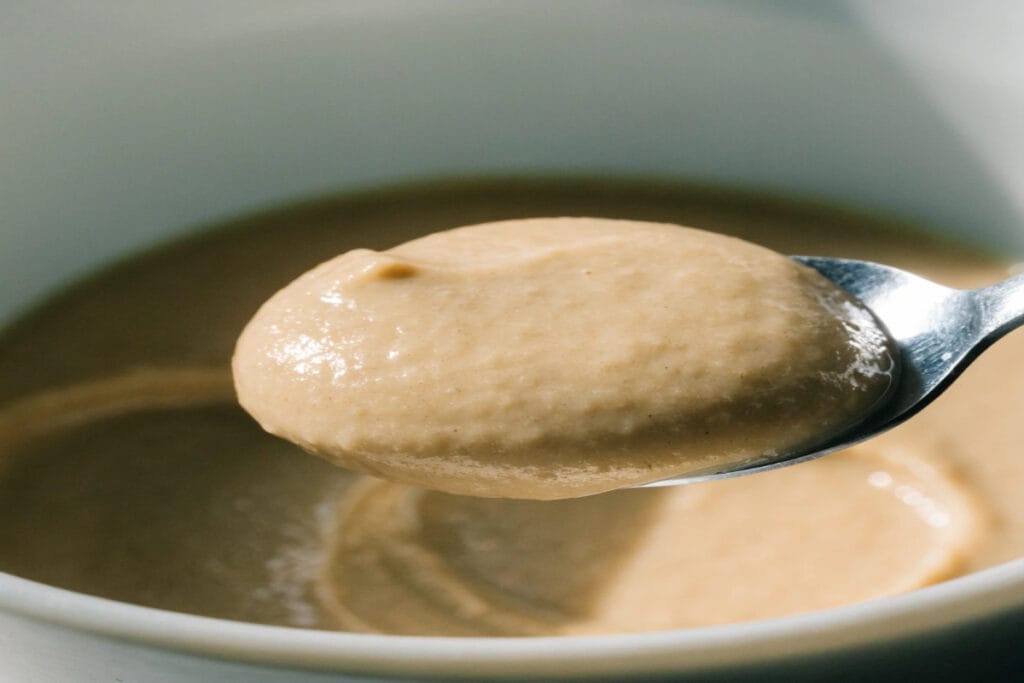
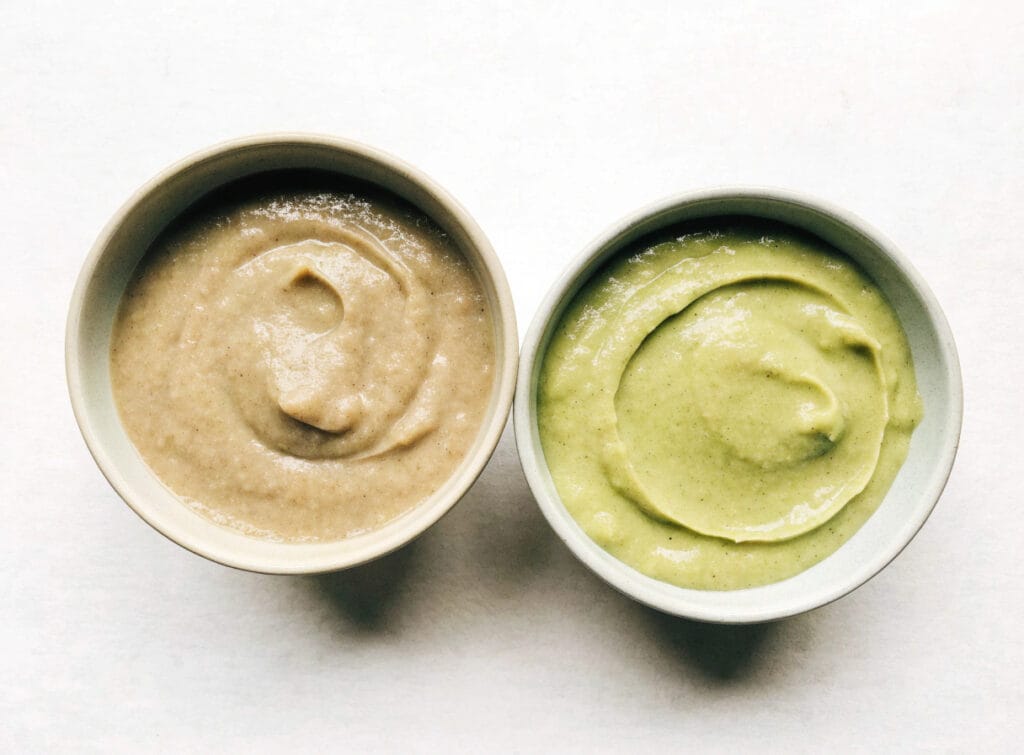
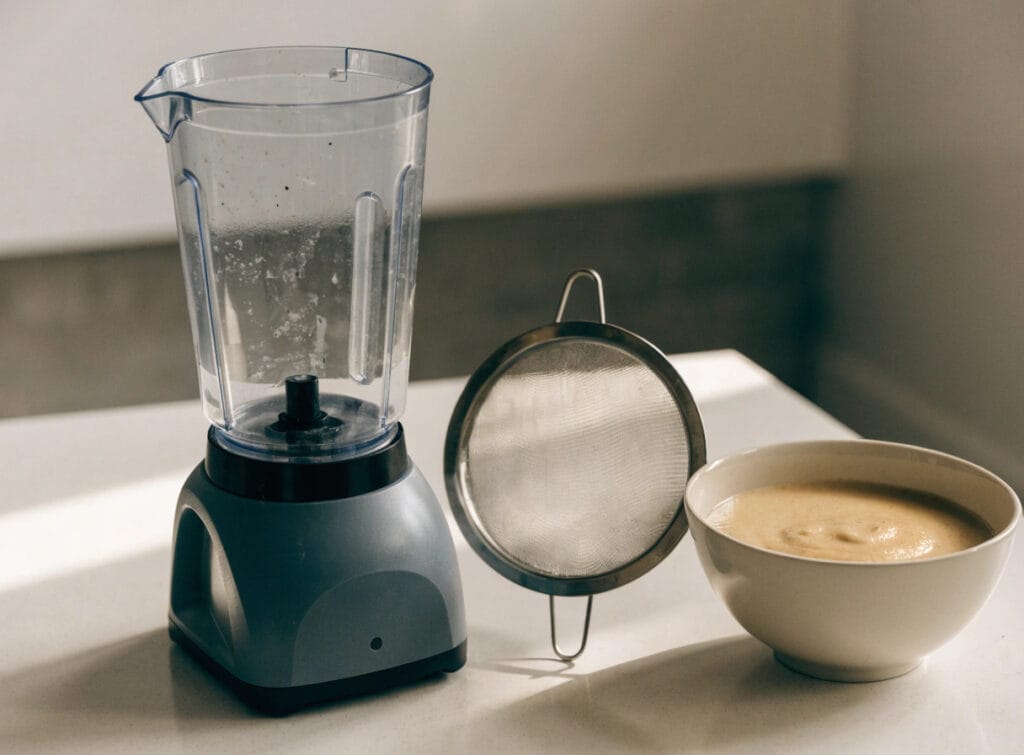
Begin on low speed, stop to scrape down the container, and then blend on high until the mixture is uniform. Meat and bean purees often need more blending than fruit or yogurt. If small particles remain, pass the puree through a fine-mesh sieve.
Check the Texture at Serving Time
Temperature and storage can change consistency. A puree may become thicker after refrigeration or thinner when heated, so check it again immediately before serving. For someone prescribed IDDSI Level 4 Pureed food, follow the official fork-drip and spoon-tilt testing instructions and the individual recommendations from the treating professional.
1. Creamy Chicken and White Bean Puree
This savory puree combines cooked chicken breast with cannellini beans, soft carrots, Greek yogurt, and low-sodium broth. The beans add body while the yogurt keeps the mixture creamy without relying on a large amount of oil.
The complete measurements and printable instructions are in the Tasty Recipe card on this page. Each of the two servings provides approximately 39 grams of protein, depending on the chicken, yogurt, and bean products used.
For the smoothest result, warm the chicken, beans, carrots, and broth before blending. Add the yogurt after the hot ingredients are removed from direct heat, then blend until no visible particles remain.
2. Salmon and Sweet Potato Puree
Salmon and sweet potato create a mild puree with a naturally creamy texture. Greek yogurt adds moisture and extra protein.
Ingredients
4 ounces cooked boneless, skinless salmon
3/4 cup peeled sweet potato, cooked until very soft
1/3 cup plain Greek yogurt
2 to 4 tablespoons warm water or low-sodium broth, as needed
Pinch of dried dill, optional
Method
Check the salmon carefully for bones. Add the salmon, sweet potato, yogurt, and 2 tablespoons liquid to a blender or food processor. Blend until completely smooth, stopping to scrape the container. Add more liquid one tablespoon at a time only if needed.
This makes one generous serving with approximately 30 grams of protein. If a prescribed diet does not allow herb particles, omit the dill.
3. Turkey, Cauliflower, and Ricotta Puree
Tender turkey becomes easier to blend when paired with very soft cauliflower and ricotta. The ricotta adds richness without covering the savory flavor.
Ingredients
4 ounces cooked turkey breast, chopped
3/4 cup cauliflower florets, steamed until very soft
1/4 cup whole-milk or part-skim ricotta
1/4 cup warm low-sodium turkey or chicken broth, plus more if needed
Pinch of onion powder
Method
Place the warm turkey, cauliflower, ricotta, broth, and onion powder in a high-speed blender. Blend until uniform. Scrape down the sides, then blend again. If the mixture remains too thick, add broth one tablespoon at a time.
This recipe makes one serving with approximately 36 grams of protein. Do not use dry turkey, browned edges, skin, or gristle because they can leave particles in the puree.
4. Egg, Cottage Cheese, and Spinach Puree
Eggs and cottage cheese make a quick savory meal, while a small amount of well-cooked spinach adds color. The eggs must be fully cooked before blending.
Ingredients
2 large eggs
1/2 cup cottage cheese
1/4 cup cooked spinach, squeezed and finely chopped
2 to 3 tablespoons milk, as needed
Pinch of salt, optional
Method
Cook the eggs slowly until the whites and yolks are fully set but not browned or rubbery. Add them to a blender with the cottage cheese, spinach, and 2 tablespoons milk. Blend until no curds, egg pieces, or spinach strands remain. Add another tablespoon of milk only if needed.
This makes one serving with approximately 27 grams of protein. If the spinach leaves visible fibers after blending, pass the mixture through a fine-mesh sieve or omit the spinach.
5. Lentil and Greek Yogurt Puree
Cooked lentils provide plant protein and fiber, while Greek yogurt softens their earthy flavor and helps create a creamy consistency.
Ingredients
1 cup cooked brown or green lentils, very soft and well drained
1/2 cup plain Greek yogurt
1/4 cup low-sodium vegetable broth, plus more if needed
1/4 teaspoon ground cumin, optional
Pinch of salt, optional
Method
Blend the lentils, yogurt, broth, and cumin until the mixture is completely smooth. Stop and scrape the blender several times because lentil skins can collect around the sides. Strain the puree if any skins remain.
This makes one large serving with approximately 29 grams of protein. The mixture thickens as it cools, so reassess the texture immediately before eating.
6. Tofu and Edamame Puree
Silken tofu blends smoothly, and cooked shelled edamame raises the protein content. Because edamame skins can remain visible, this puree benefits from thorough blending and straining.
Ingredients
8 ounces silken tofu, drained
1/2 cup shelled edamame, cooked until very tender
1/4 cup low-sodium vegetable broth
1 teaspoon toasted sesame oil, optional
Pinch of garlic powder
Method
Add the tofu, tender edamame, broth, sesame oil, and garlic powder to a high-speed blender. Blend for at least one minute, scrape the sides, and blend again until uniform. Pass through a fine-mesh sieve to remove any remaining edamame skins.
This makes one serving with approximately 20 grams of protein. Soy is a major allergen, and sesame is also a major allergen in the United States, so omit or substitute ingredients when necessary.
7. Pumpkin Yogurt and Cottage Cheese Puree
This chilled option combines pumpkin, Greek yogurt, and cottage cheese with cinnamon. It works as a breakfast or snack and does not require protein powder.
Ingredients
3/4 cup plain Greek yogurt
1/2 cup cottage cheese
1/2 cup plain pumpkin puree, not pumpkin pie filling
1/4 teaspoon ground cinnamon, optional
1 to 2 teaspoons maple syrup, optional
1 to 2 tablespoons milk, only if needed
Method
Blend the Greek yogurt and cottage cheese first until no curds remain. Add the pumpkin, cinnamon, and maple syrup, then blend again until smooth. Add milk only if the mixture is too thick for your intended use.
This makes one serving with approximately 31 grams of protein. For a medically prescribed texture, confirm that the finished mixture matches the required consistency and omit any toppings.
If you do not require a prescribed texture and want another smooth dessert, try our high protein chocolate mousse. Anyone following a texture-modified plan should check that recipe and its toppings against their individual instructions.
Ways to Add Protein Without Ruining the Texture
The best protein booster depends on whether the puree is savory or sweet and on any dietary restrictions.
Greek Yogurt
Plain Greek yogurt blends into chicken, salmon, lentil, pumpkin, and fruit-based mixtures. Add it after very hot ingredients come off direct heat to reduce curdling.
Cottage Cheese or Ricotta
Cottage cheese must be blended until no curds remain. Ricotta is naturally smoother, but both can add protein and creaminess to eggs, vegetables, poultry, or sweet purees.
Silken Tofu
Silken tofu has a neutral flavor and works in both savory and sweet recipes. It is especially useful when dairy is not suitable, although the total protein varies by brand.
Beans and Lentils
Beans and lentils add protein, fiber, and thickness. Cook them until very soft and blend thoroughly. Straining may be necessary because skins can remain in the finished mixture.
Cooked Meat and Fish
Use moist, tender pieces without skin, bones, gristle, or browned edges. Blend meat with a flavorful sauce, broth, yogurt, or soft vegetable rather than trying to puree it dry.
Protein Powder
Unflavored protein powder can increase protein, but it is not essential for these recipes. Powders vary in ingredients, allergens, sweetness, and thickening behavior. Add a small amount at a time and recheck the texture. If the puree is part of a medical nutrition plan, ask the clinician or registered dietitian before adding a supplement.
How to Fix Common Puree Problems
The Puree Is Too Thick
Add warm broth, milk, water, or another appropriate liquid one tablespoon at a time. Blend fully after each addition. For a prescribed diet, use only an approved liquid and recheck the final texture.
The Puree Is Too Thin
Blend in more of the soft base ingredient, such as cooked chicken, beans, sweet potato, yogurt, or tofu. A commercial thickener should be used only according to its directions and any clinical plan.
The Puree Is Grainy
Continue blending, scrape the container, and add a small amount of liquid. If particles remain, strain through a fine-mesh sieve. Dry meat, bean skins, edamame skins, and fibrous vegetables are common causes.
Liquid Separates Around the Edges
Blend the mixture again and reduce the amount of added liquid in the next batch. Separation creates a mixed consistency that may not match a prescribed pureed texture.
The Flavor Is Flat
Use low-sodium broth instead of water and add smooth seasonings such as garlic powder, onion powder, paprika, cinnamon, or finely ground dried herbs. Avoid coarse garnishes when a completely smooth texture is required.
Meal Prep and Storage
Divide purees into shallow, covered containers and refrigerate them within two hours. Keep the refrigerator at 40°F or below. Most properly handled cooked leftovers can be refrigerated for three to four days, according to the USDA leftovers and food safety guidance.
Reheat savory purees in a saucepan or microwave, stirring several times so the temperature is even. Leftovers should reach 165°F. Check the texture again after reheating because the puree may thicken, loosen, or separate.
Freeze individual portions in airtight freezer-safe containers. Thaw them in the refrigerator, not on the counter. Dairy-based purees may separate slightly after freezing; blending or stirring can improve them, but discard a portion if the texture cannot be returned to the required consistency.
FAQ about High Protein Pureed Food Recipes
What pureed foods are high in protein?
Chicken, turkey, salmon, eggs, Greek yogurt, cottage cheese, ricotta, tofu, edamame, lentils, and beans can all be used in high protein purees. Combining two sources, such as chicken with beans or lentils with Greek yogurt, can provide more protein in one serving.
How do you add protein to pureed food?
Blend in Greek yogurt, cottage cheese, ricotta, silken tofu, very soft beans, lentils, cooked poultry, fish, or eggs. Choose an ingredient that matches the flavor of the dish and add moisture gradually. Protein powder is optional and can change the texture.
Are scrambled eggs allowed on a pureed diet?
That depends on the reason for the diet and the texture that was prescribed. Fully cooked scrambled eggs can be blended with cottage cheese or milk until smooth, but a clinician should decide whether the final consistency is appropriate for someone with dysphagia.
How do you make pureed meat smooth instead of grainy?
Start with moist, tender meat and remove skin, bones, gristle, and browned edges. Chop it before blending, pair it with broth or a smooth sauce, and process it while warm. Scrape the blender and strain the puree if particles remain.
Is pureed food the same as a liquid diet?
No. A puree is generally smooth and spoonable, while a liquid diet may include foods that flow or can be drunk. Medical diet definitions and permitted thicknesses vary, so follow the instructions given for the specific diet rather than treating the terms as interchangeable.
Can you freeze high protein pureed meals?
Many chicken, turkey, bean, lentil, tofu, salmon, and vegetable purees can be frozen in individual portions. Thaw them in the refrigerator, reheat safely, and check the consistency again before serving. Yogurt- and cottage-cheese-based mixtures may separate after freezing.
How much protein should a pureed meal contain?
There is no single target that fits everyone. Protein needs depend on age, body size, activity, total food intake, and health conditions. The recipes in this guide provide approximately 20 to 39 grams per listed serving, but a registered dietitian or healthcare professional should set an individualized target when nutrition is part of medical care.
Final Tips
The most reliable high protein pureed food recipes start with fully cooked protein, a moist ingredient, and just enough liquid to blend. Add liquid gradually, remove skins and tough pieces, and keep blending until the texture is uniform.
For ordinary home cooking, adjust the thickness to your preference. For a medically prescribed texture, follow the exact instructions from the treating professional and test the food at the temperature at which it will be served.
The seven recipes in this guide provide a practical mix of poultry, fish, eggs, dairy, legumes, and soy. Rotate flavors, store portions safely, and recheck the consistency after refrigeration, freezing, or reheating.