Looking for more plant-based dinner inspiration? Explore our Vegan Dinner Recipes Guide for easy vegan meals, cozy casseroles, slow cooker ideas, and a simple 7-day vegan dinner plan.
When I was a kid growing up in Santa Barbara, Sunday dinners were sacred. My mom—born and raised in Italy—would spend hours simmering sauces that filled our home with garlic, basil, and slow-cooked tomatoes. Those meals were pure joy, but they also taught me something deeper: food connects family, flavor, and love. Years later, when I became fully plant-based, I promised myself I wouldn’t lose that connection. Instead, I’d reinvent it—one dish at a time.
That’s how my obsession with vegan Italian recipes began. From creamy mushroom risotto to cashew-based Alfredo, these recipes bring Italian tradition into the modern kitchen—without compromising taste or texture. The key is understanding that veganizing Italian food isn’t about subtraction; it’s about substitution done with heart. Olive oil replaces butter, soaked nuts mimic cheese, and roasted vegetables step in for meat—all while keeping that unmistakable Italian warmth.
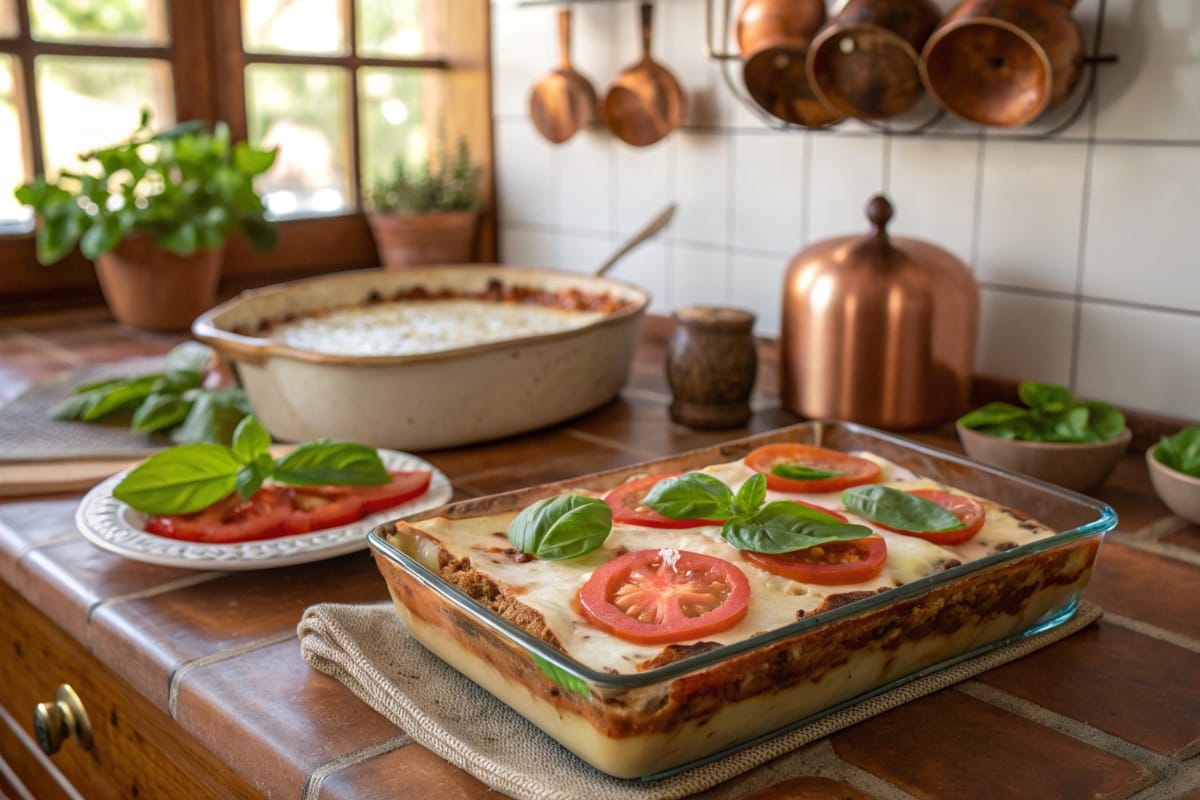
I tested my first vegan lasagna recipe after sipping a chilled white peach sangria mocktail. The creamy cashew béchamel, roasted eggplant, and tangy tomato sauce felt so nostalgic, it could’ve fooled my nonna. Since then, dishes like vegan pesto pasta, plant-based parmigiana, and dairy-free tiramisu have become staples in my kitchen. In this guide, we’ll explore how to create authentic vegan Italian recipes full of comfort, heritage, and soul—one bite at a time.
Classic Italian Dishes Made Vegan
The heart of Italian cuisine lies in simplicity—few ingredients, cooked well, shared with love. That philosophy makes vegan Italian recipes naturally adaptable. Think about pasta, risotto, polenta, and pizza: they’re already halfway vegan. All they need is a little creativity.
Here are a few traditional dishes that transform beautifully:
Vegan Lasagna: Layered with cashew ricotta, spinach, and lentil bolognese.
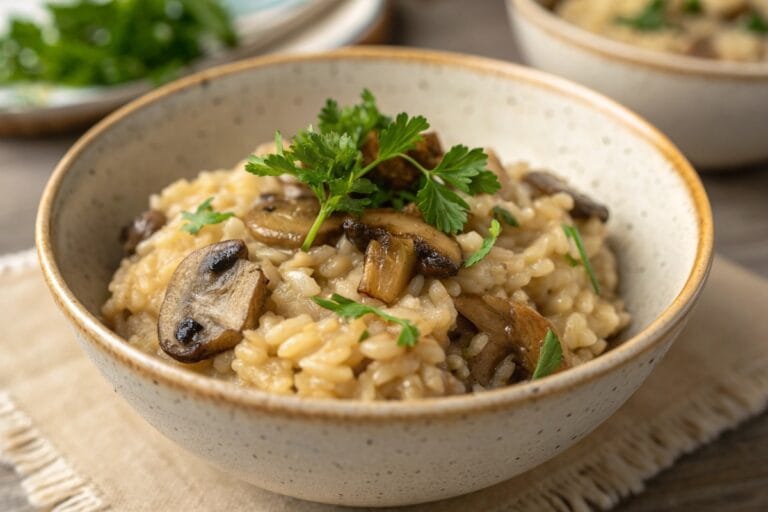
Mushroom Risotto: Arborio rice cooked slowly with vegetable broth and nutritional yeast for creaminess.
Pasta Puttanesca: Anchovy-free, using capers, olives, and sun-dried tomatoes for that salty kick.
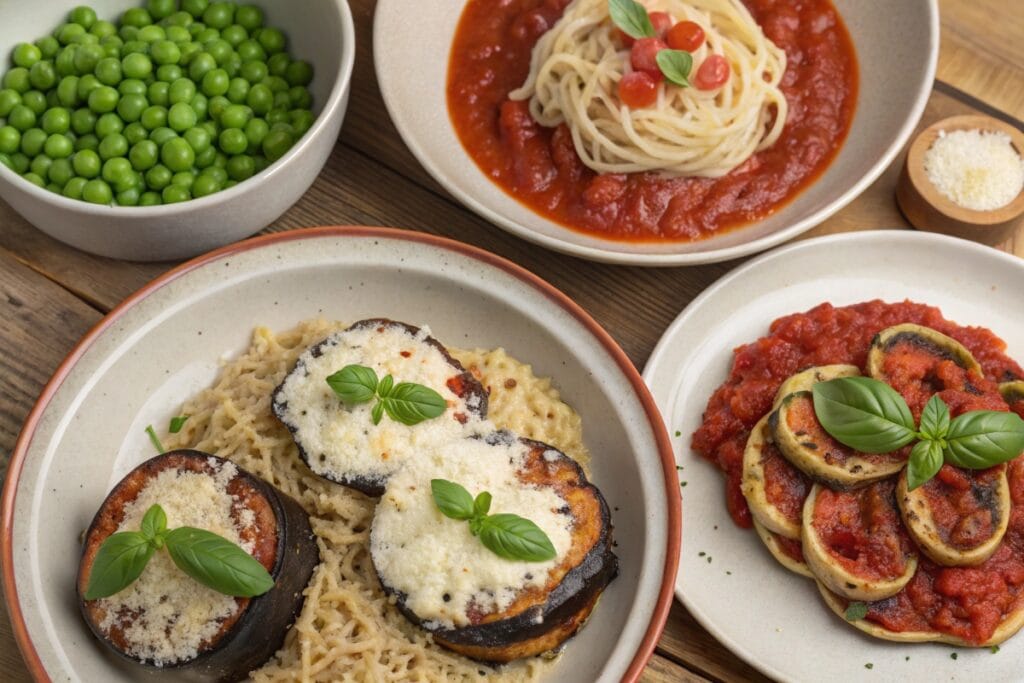
Eggplant Parmigiana: Breaded eggplant slices baked with vegan mozzarella and marinara.
When I started experimenting, I found that flavor mattered more than imitation. A drizzle of olive oil, a handful of basil, and time—that’s the secret. I often serve my vegan lasagna alongside a crisp ribbon carrot salad to balance its richness. For a casual twist, try my vegan mushroom recipes; they bring depth and that signature umami Italian dishes thrive on.
Dish
Traditional Ingredient
Vegan Substitution
Flavor Note
Carbonara
Egg & Cheese
Silken tofu + Nutritional yeast
Creamy & savory
Bolognese
Ground beef
Lentils + Mushrooms
Rich & hearty
Parmigiana
Mozzarella
Cashew cheese
Melted & tangy
Risotto
Butter
Olive oil
Silky & fragrant
Veganizing Italian Pasta Sauces
The soul of vegan Italian recipes lives in the sauce. From marinara to carbonara, sauces define regional identity and comfort. The trick is replicating their creaminess without dairy.
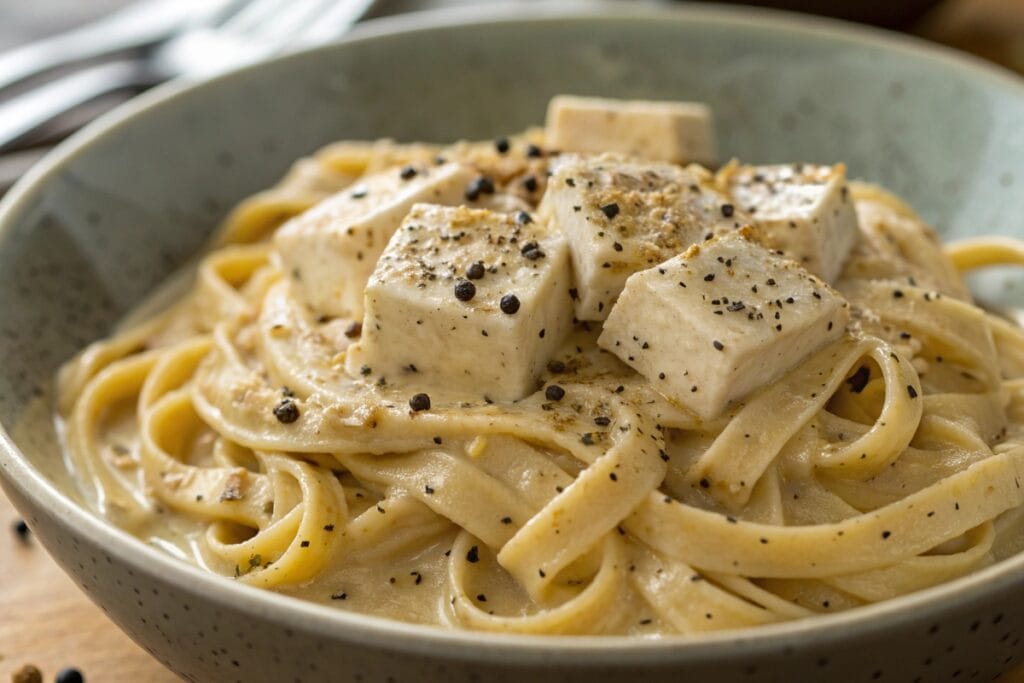
When I first veganized carbonara, I swapped egg yolks for a blend of silken tofu, nutritional yeast, and black salt (kala namak). The result? A silky sauce that clung to spaghetti just like the original. For bolognese, I use lentils and mushrooms, sautéed with red wine and tomato paste—it’s rich, earthy, and utterly satisfying. And for Alfredo, soaked cashews blended with garlic, lemon, and olive oil create that decadent, spoon-coating texture.
I often pair my sauces with herbs I grow myself and a sprinkle of homemade basil salt. For balance, I recommend finishing your meal with a light drink like lemon balm tea—it’s refreshing and helps cleanse the palate.
Sauce
Key Ingredient
Vegan Cream Base
Flavor Tip
Carbonara
Tofu + Nutritional yeast
Olive oil
Add black salt for “egg” aroma
Alfredo
Cashews
Garlic & lemon
Use warm broth for smoother blend
Bolognese
Lentils + Mushrooms
Tomato base
Simmer long for depth
Pesto
Basil + Olive oil
Cashews or sunflower seeds
Add lemon zest for brightness
Veganizing sauces is about chemistry and memory—finding the texture that feels familiar while keeping ingredients clean and vibrant.
The Best Vegan Cheese Substitutes for Italian Cooking
If you’ve ever made lasagna or pizza, you know cheese is the glue of Italian comfort. Luckily, today’s vegan cheeses are good enough to make you forget the old versions. In vegan Italian recipes, choosing the right substitute can make all the difference.
Cashew ricotta is my go-to—it’s soft, slightly tangy, and spreads beautifully in lasagna layers. For meltable mozzarella, I use tapioca starch and coconut oil—it stretches when heated, giving that authentic pull. Nutritional yeast, of course, is the unsung hero; it adds depth and that umami cheesiness you crave in parmesan replacements.
Cheese Type
Vegan Substitution
Texture
Perfect For
Ricotta
Cashew blend
Soft & spreadable
Lasagna, cannelloni
Mozzarella
Tapioca & coconut mix
Stretchy
Pizza, parmigiana
Parmesan
Nutritional yeast + almonds
Crumbly
Pasta topping
Mascarpone
Coconut cream + maple syrup
Silky
Tiramisu
For that extra touch, sprinkle your vegan parm on dishes like my high-protein quiche; the balance of creamy and savory flavors will surprise you. And when I’m testing new cheeses in my kitchen, I love sipping a brazilian ginger drink—its brightness cuts through the richness beautifully.
Capturing True Italian Flavor with Plant-Based Ingredients
True Italian flavor doesn’t come from meat or cheese—it comes from the land. The combination of garlic, olive oil, herbs, and ripe tomatoes defines Italy’s culinary heart. To bring that authenticity into vegan Italian recipes, focus on your pantry.
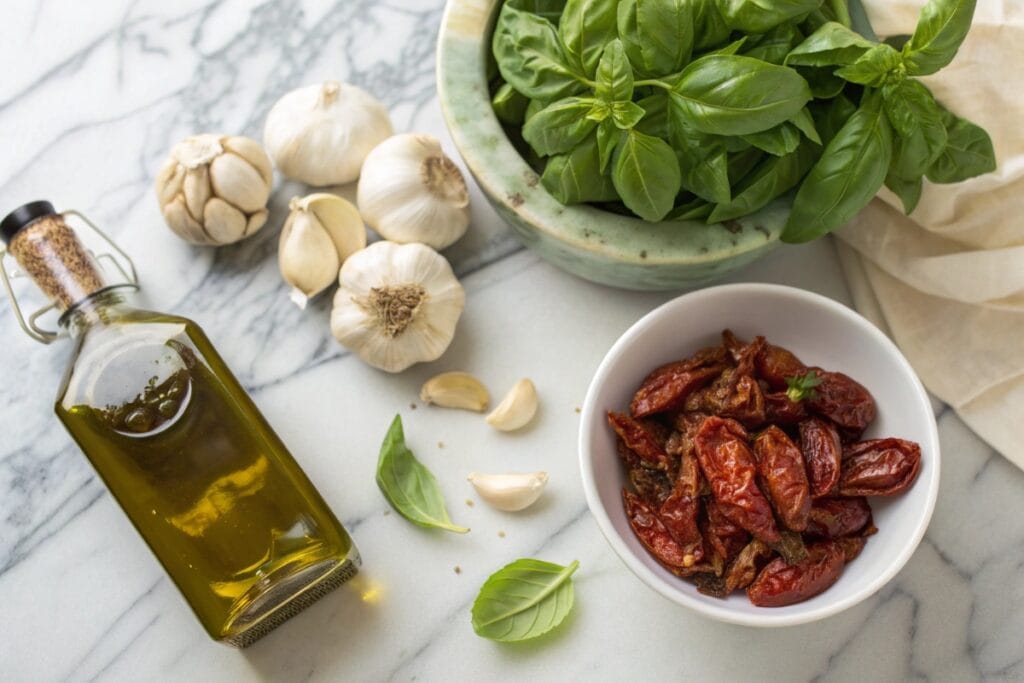
Extra virgin olive oil adds depth and richness. Garlic, onions, and sun-dried tomatoes bring aroma and intensity. Fresh herbs like basil, oregano, rosemary, and thyme turn simple dishes into something that smells like an Italian summer evening.
During testing, I found that a touch of acidity from lemon or vinegar balances everything. Try combining these with roasted vegetables, whole grains, and legumes. For example, my roasted vegetable penne with basil oil became a staple during the vegan paleo recipes guide research phase—it’s rustic, filling, and full of color.
Finish your meal with dessert or something cozy, like a banana bread latte, to bring a comforting close to an Italian-inspired evening.
Ingredient
Flavor Role
How to Use
Olive Oil
Base richness
Drizzle before serving
Garlic
Aromatic depth
Sauté gently, don’t burn
Sun-Dried Tomatoes
Umami
Chop into sauces or spreads
Fresh Basil
Brightness
Add at end for freshness
FAQs about Vegan Italian Recipes
What are some classic Italian dishes that can easily be made vegan?
Lasagna, risotto, pesto pasta, and eggplant parmigiana can all be made vegan with plant-based ingredients.
How can you make vegan versions of traditional Italian sauces like carbonara or bolognese?
Use tofu, cashews, lentils, and mushrooms. These replicate creaminess and texture without dairy or meat.
What cheese substitutes work best in vegan Italian cooking?
Cashew ricotta, tapioca mozzarella, and nutritional yeast-based parmesan are excellent dairy-free alternatives.
What plant-based ingredients capture Italian flavor best?
Olive oil, garlic, sun-dried tomatoes, basil, oregano, and lemon zest bring authentic Italian aroma and taste.
Conclusion‘Vegan Italian Recipes’
Italian food is about love, simplicity, and time. My vegan Italian recipes honor those traditions while keeping them accessible and health-conscious. From lasagna to pesto, risotto to tiramisu, every dish celebrates the soul of Italian cooking—only lighter, brighter, and entirely plant-powered.
Serve these dishes with a crisp salad, a splash of olive oil, and maybe a glass of sparkling water. Because whether it’s vegan or not, true Italian food is about gathering, sharing, and savoring the moment.