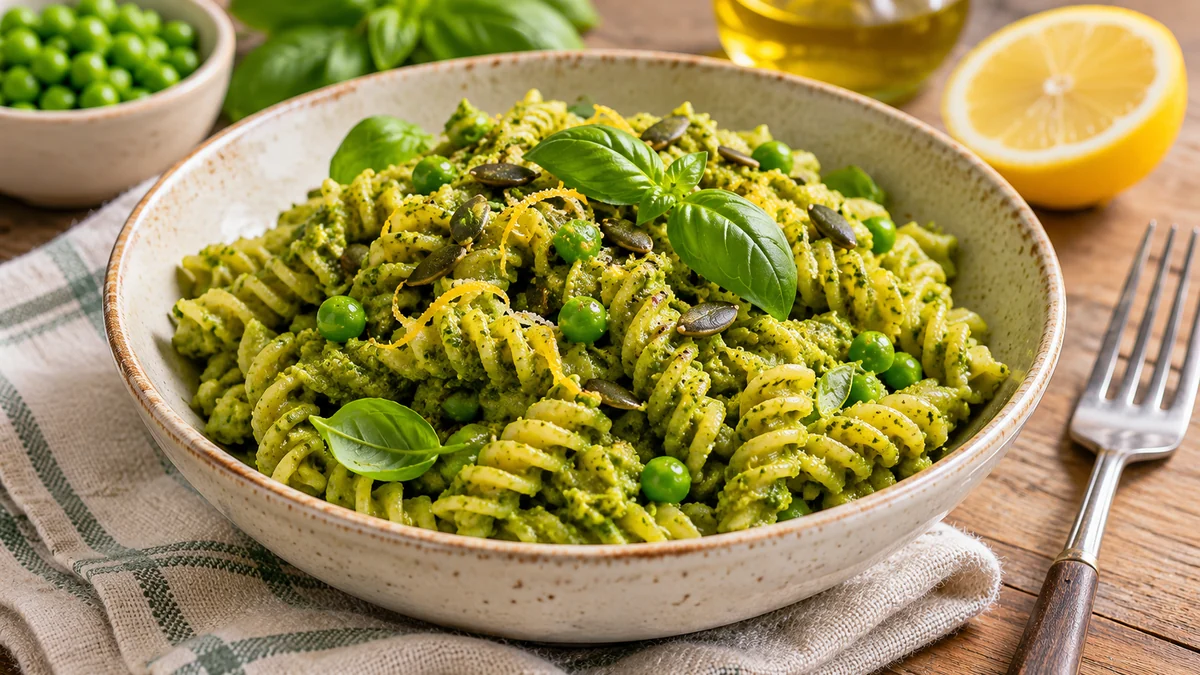
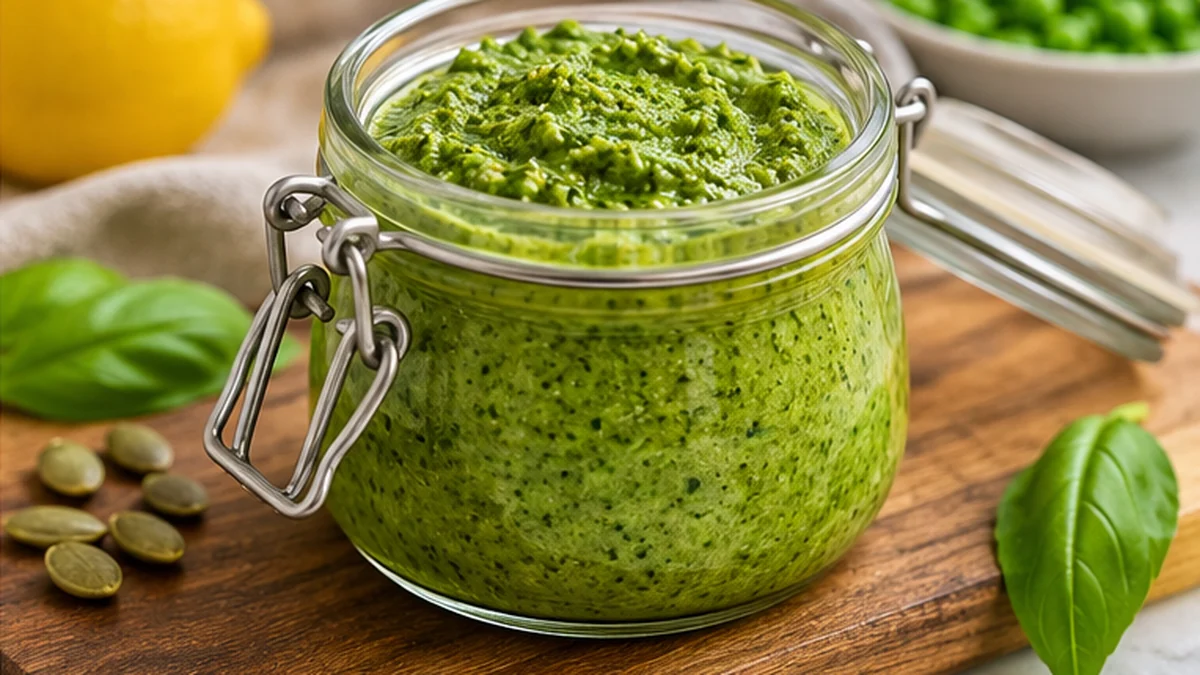
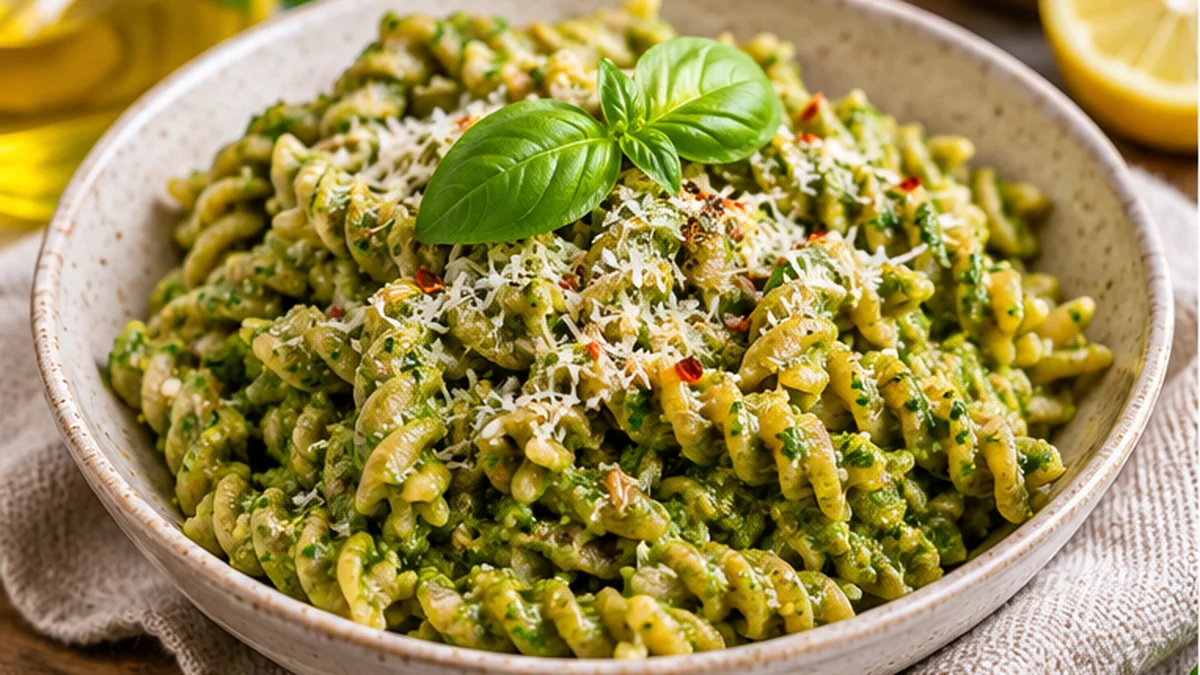
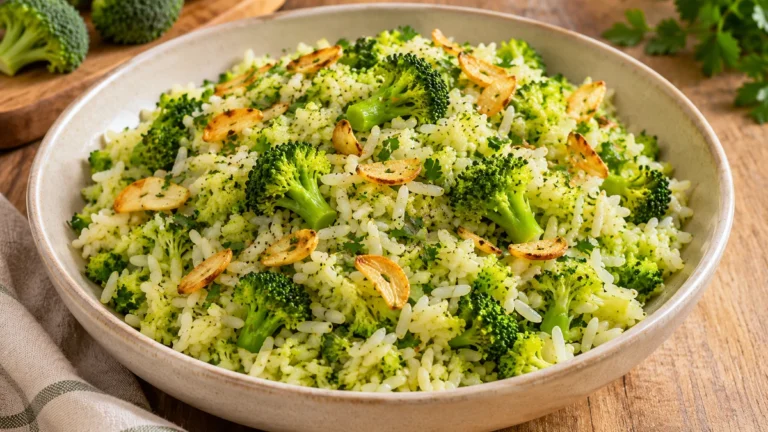
The viral poopmaxxer pesto recipe trend starts with an unexpectedly practical idea: blend green peas into herby pesto so the sauce brings more fiber to the plate. This version turns the idea into a complete dinner, with bright pea-and-white-bean pesto tossed through whole-wheat rotini. It tastes of basil, lemon and garlic—not of a wellness challenge—and the sauce stays creamy without dairy.
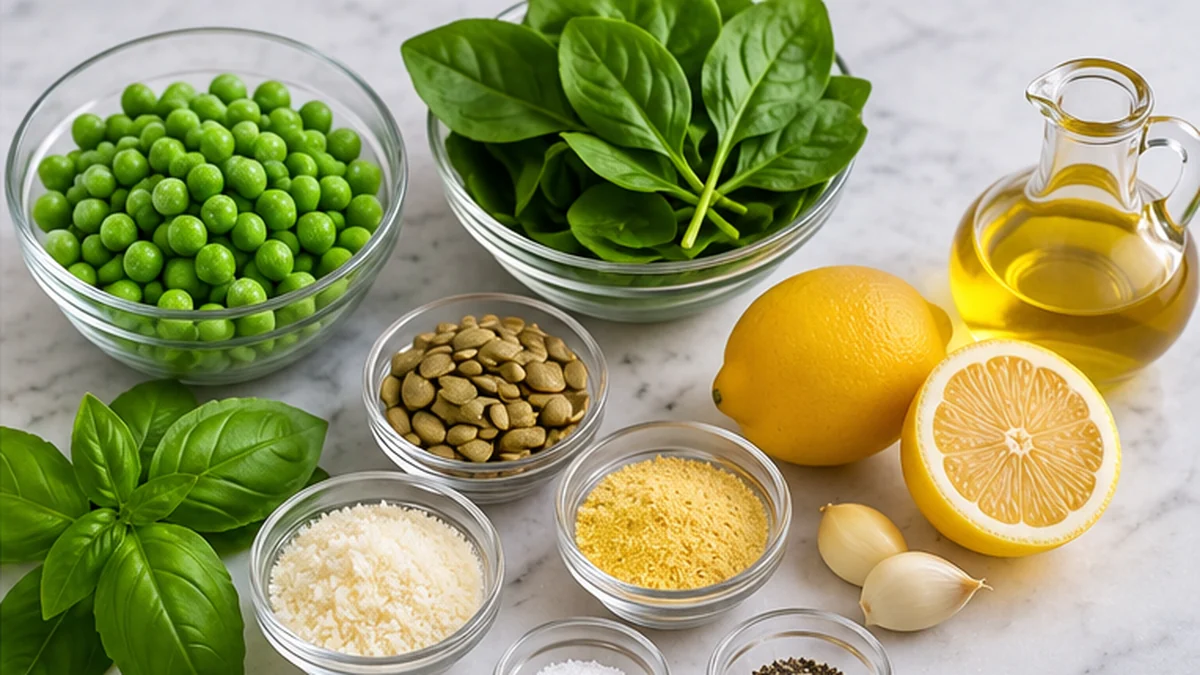
You need frozen peas, one can of cannellini beans, basil, toasted pepitas, olive oil, nutritional yeast and pasta. Each of the four measured pasta servings provides an estimated 16 grams of fiber when made with the reference ingredients. The whole recipe takes about 30 minutes, and you can make the green pesto ahead without committing to pasta every time.
Table of Contents
Poopmaxxer Pesto at a Glance
Main dish: creamy pea-and-white-bean basil pesto tossed with 8 ounces of dry whole-wheat rotini.
This is our own pea-and-white-bean pesto pasta formulation, not a transcript or an exact recreation of Hally’s video. White beans give the pesto a soft, clingy texture, toasted pepitas add richness, nutritional yeast gives a savory finish, and whole-wheat pasta raises the fiber in the finished dinner. The creator’s reported fiber figure should not be applied to this different ingredient list or serving size.
Why Peas and White Beans Work in Pesto
Standard pesto gets much of its texture from nuts, cheese and oil. Here, peas and beans carry more of that job. Once warmed and drained, peas blend into a creamy, lightly sweet base; canned cannellini beans make the sauce thicker and help it coat the ridges of rotini. Fresh basil, garlic, lemon juice and olive oil keep the flavor recognizable as pesto rather than plain mashed beans.
The sauce is intentionally thick when it leaves the food processor. A little reserved pasta water loosens it into a glossy coating after the pasta is drained. Add the water gradually, because pouring in too much at once turns the sauce soupy. For a different way to use peas in lunch prep, see our fibermaxxing pea salad; that is a cold salad with a separate dressing, not this warm blended pesto.
Ingredients for High-Fiber Pea Pesto Pasta
Whole-wheat rotini — 8 ounces (226 g), dry. Four 2-ounce pasta portions make this a measured dinner rather than an unportioned bowl of sauce. The nutrition estimate uses Barilla Whole Grain Rotini label values of 180 calories, 7 g fiber and 8 g protein per dry 2-ounce serving. Another brand or gluten-free pasta changes the totals.
Frozen green peas — 2 cups (about 320 g) after cooking and draining. Frozen peas are convenient and economical. Cook until just hot and tender, then drain well; a brief dip in cool water stops carryover cooking. The USDA FoodData Central estimate for two cooked cups is about 17.6 g fiber across the entire recipe, not in each serving.
No-salt-added cannellini beans — 1 drained and rinsed 15-ounce can, about 240 g drained. White beans create body without cream. Choose a mild-tasting brand and rinse until the liquid is no longer foamy. Regular salted beans also work, but sodium may rise substantially. If your drained weight differs from 240 g, the result and the estimate will differ slightly.
Fresh basil — 2 packed cups (about 40 g). The leaves should be fresh rather than blackened or slimy. Basil gives the sauce its pesto flavor. A little parsley can replace a portion of the basil, but removing all the basil makes a noticeably different sauce.
Roasted unsalted pepitas — 1/4 cup (about 28 g). These pumpkin seed kernels replace traditional pine nuts. Their mild toasted flavor is compatible with the peas and they help the pesto keep some texture. Check for any relevant seed allergy, and do not confuse unsalted pepitas with heavily salted snack seeds.
Extra-virgin olive oil — 3 tablespoons. The oil brings the herbs and beans together; most of this dish’s fat comes from olive oil and pepitas. Nutritional yeast — 2 tablespoons (10 g). It adds a savory, slightly cheese-like note without dairy. Use a brand whose label fits your dietary needs.
Fresh lemon juice — 3 tablespoons, plus the finely grated zest of 1 lemon. Lemon keeps the flavor lively. Add the measured juice first and only increase after tasting. Garlic — 2 small cloves provides a gentle bite; oversized raw cloves can dominate. Fine salt — 1/4 teaspoon and freshly ground black pepper finish the pesto. Optional garnish: fresh basil, extra pepitas, crushed red pepper or a little vegan Parmesan-style topping; garnishes are not included in the nutrition figures.
Printable Poopmaxxer Pesto Pasta Recipe
The card below makes four full servings of pasta with a thick pea-and-bean sauce. Do not interpret the fiber number as a value for a tablespoon of pesto: it includes the pasta and exactly one-quarter of the prepared sauce. The optional vegan Parmesan-style garnish is not included in that calculation.
2 cups cooked and drained green peas (about 320 g; start with frozen peas)
1 (15-ounce) can no-salt-added cannellini beans, rinsed and drained (about 240 g drained)
2 packed cups fresh basil leaves (about 40 g), plus more to garnish if desired
1/4 cup (28 g) roasted unsalted pepitas (pumpkin seed kernels)
3 tablespoons extra-virgin olive oil
2 tablespoons (10 g) nutritional yeast
3 tablespoons freshly squeezed lemon juice
Finely grated zest of 1 lemon
2 small garlic cloves, peeled
1/4 teaspoon fine salt (plus optional salt for pasta water; see notes)
1/4 teaspoon freshly ground black pepper
Up to 3/4 cup reserved pasta cooking water, as needed
Optional garnish: fresh basil, extra pepitas, crushed red pepper or vegan Parmesan-style topping (not in nutrition estimate)
Instructions
Bring a large pot of water to a boil. Cook the dry whole-wheat rotini according to the package, typically 9 to 10 minutes, until al dente. Reserve 3/4 cup cooking water before draining.
Meanwhile, simmer frozen green peas in boiling water for 2 to 3 minutes until just tender and bright green. Drain immediately and briefly cool. Rinse and thoroughly drain the cannellini beans.
Place peas, cannellini beans, basil, pepitas, olive oil, nutritional yeast, lemon juice, zest, garlic, salt and pepper in a food processor. Pulse to break down, scrape the bowl, then process 30 to 60 seconds to make a thick, finely textured green pesto. Add pasta water 1 tablespoon at a time only if needed to help the blades.
Return drained pasta to the empty pot with the heat off. Add all of the pesto and toss. Stir in 1/4 cup reserved pasta water, then more in small splashes until the sauce becomes silky and coats the rotini.
Taste and adjust with a little more lemon, salt or pepper if needed. Divide into four bowls and serve immediately. Add optional garnishes only after portioning.
Notes
The pesto is designed to be thick before it is loosened with pasta water. Do not use all 3/4 cup unless needed.
Nutrition is estimated for 1/4 of the entire pasta recipe, including 2 ounces dry whole-wheat rotini and 1/4 of the prepared sauce, not for pesto alone.
Reference nutrition assumes a whole-wheat pasta label with 180 kcal and 7 g fiber per 2 oz dry, 2 cooked cups peas, about 240 g drained no-salt-added white beans, 28 g unsalted pepitas and 10 g nutritional yeast.
Sodium assumes 1/4 teaspoon fine salt in the pesto and no additional salt absorbed from pasta water; using salted beans or more cooking-water salt changes sodium.
Optional vegan Parmesan-style garnish and other additions are excluded from nutrition calculations. Check ingredient labels if avoiding gluten or allergens.
Refrigerate leftovers promptly at 40°F or colder and use within 3 to 4 days. For best texture, freeze pesto without pasta.
Author:Adam Moretti
Prep Time:15 minutes
Cook Time:15 minutes
Category:Main Dish
Method:Stovetop
Cuisine:American-inspired
Diet:Vegan
How to Make Poopmaxxer Pesto
Step 1: Boil the Pasta and Reserve Water
Bring a large pot of water to a boil. Add the whole-wheat rotini and cook according to the box, usually about 9 to 10 minutes for the reference pasta, until al dente. Stir during the first minute so the spirals separate. Before draining, dip a heat-safe mug into the pot and reserve 3/4 cup of the starchy cooking water. Season the pasta water to taste if desired; sodium from extra cooking-water salt is not included in the nutrition estimate.
Step 2: Warm the Peas and Prepare the Beans
While the pasta cooks, simmer the frozen peas in lightly boiling water for 2 to 3 minutes, just until tender and bright. Drain immediately and briefly rinse with cool water. If you are using a single pot, cook the peas first and set them aside while the pasta boils. Rinse the canned cannellini beans under cool running water, drain thoroughly, and measure roughly 240 g. Wet, undrained beans can make the pesto unnecessarily loose.
Step 3: Blend the Thick Green Pesto
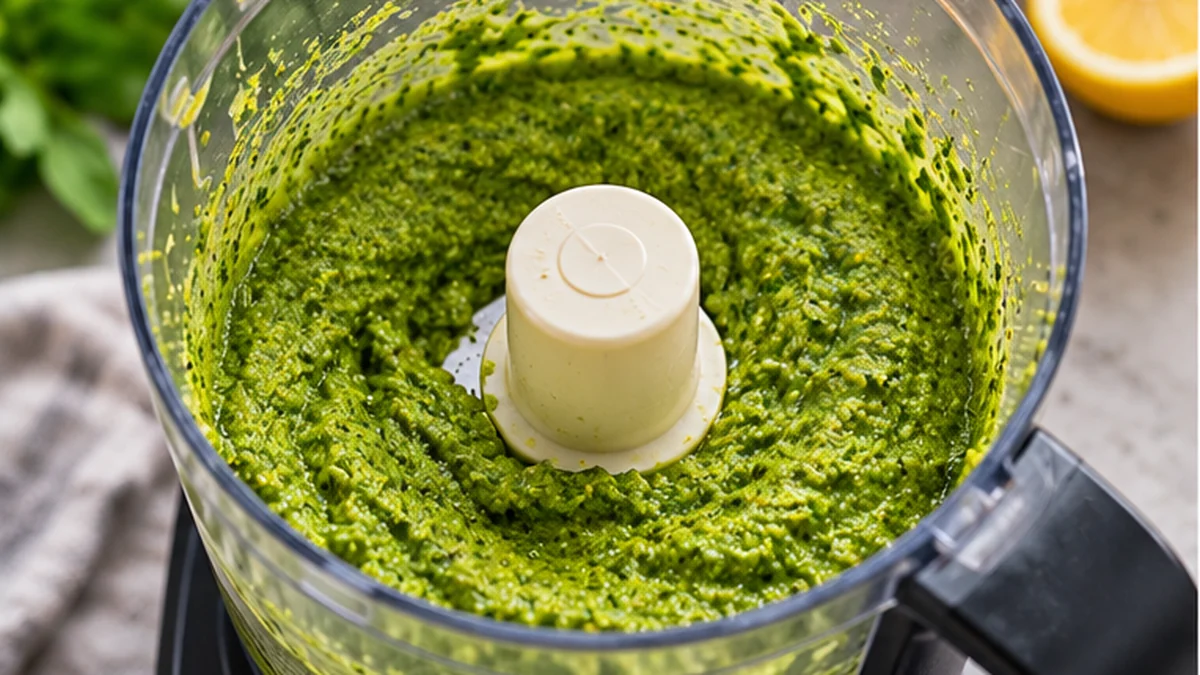
Add peas, drained beans, basil, pepitas, nutritional yeast, garlic, lemon juice, lemon zest, olive oil, fine salt and pepper to a food processor. Pulse 8 to 10 times, scrape down the sides, then process for roughly 30 to 60 seconds. Stop while there are still fine green flecks and a little seed texture. If the blades struggle, add reserved pasta water one tablespoon at a time, no more than 1/4 cup initially. Avoid processing continuously for several minutes, which can warm and dull the herbs.
Step 4: Coat the Pasta Off the Heat
Return drained rotini to the now-empty pot with the heat turned off. Spoon in all the pesto and toss gently. Add 1/4 cup reserved pasta water; continue adding another tablespoon or two at a time until the sauce looks glossy and clings to every curl. Residual pasta heat is enough to warm the pesto. If the pot has cooled completely, place it over the lowest heat for no more than a minute while stirring; do not boil the basil sauce.
Step 5: Taste and Serve
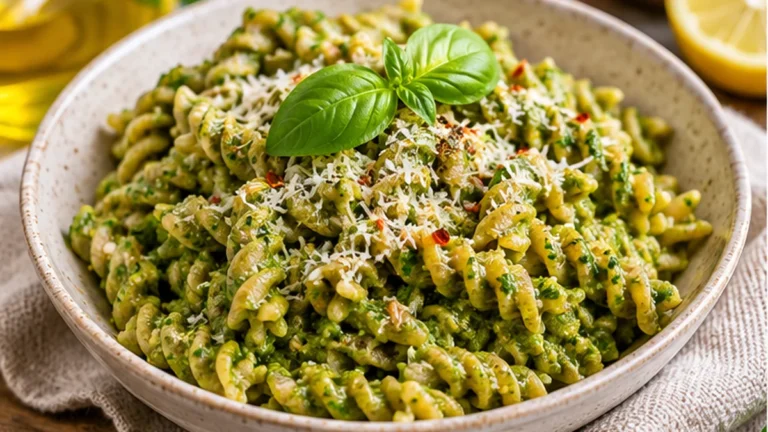
Taste one pasta spiral before serving. If it tastes flat, a few drops of lemon or a pinch of salt can sharpen it. Divide into four bowls and top with a little torn basil, reserved pepitas or a small amount of vegan Parmesan-style garnish if you like. Serve immediately while the pasta is supple. The pesto is green because of the peas and herbs; green color alone does not indicate that stored food is safe.
What the Pesto Should Look and Taste Like
Before mixing it into pasta, the pesto should be thick enough to hold a soft mound on a spoon, with small dark-green basil flecks. It will be a lighter, creamier green than a traditional all-basil pesto. After adding warm pasta water, it should become a silky coating, not a puddle at the bottom of the bowl. Expect a fresh basil-lemon aroma, gentle sweetness from peas and a savory finish from the yeast and toasted seeds.
How Much Fiber Is in This Poopmaxxer Pesto Pasta?
Using the measured ingredients and the reference product labels, the whole four-serving recipe contributes about 64 g of fiber, or approximately 16 g per full pasta portion. The estimate is based on ingredient totals divided by four, not a value guessed from the trend or a social media caption. Here is the approximate breakdown per serving:
Whole-wheat rotini (2 oz dry): 7 g fiber, based on the selected package label.
Cooked peas (1/2 cup): about 4.4 g fiber, based on USDA cooked-pea data.
Cannellini beans (one-quarter of a drained can): roughly 3 to 4 g fiber, depending on the drained weight and brand.
Pepitas, nutritional yeast, basil, garlic and lemon: approximately 1 g fiber combined after portioning.
Total: approximately 15 to 17 g, rounded to 16 g in the recipe card. Whole-wheat pasta, rather than the word “poopmaxxing,” does much of the fiber work.
For reference, the FDA lists 28 g as the Daily Value for dietary fiber on a 2,000-calorie label. Sixteen grams is a substantial amount in one meal, especially for someone who has recently been eating little fiber. Increase high-fiber foods gradually and drink fluids normally rather than treating this pasta as a constipation cure. The amount that suits an individual depends on their usual diet and medical circumstances.
The calculation uses no-salt-added beans, unsalted pepitas, 3 tablespoons of olive oil and a 1/4-teaspoon measure of fine salt in the pesto. Different bean liquids, pasta brands or optional toppings will change calories, sodium and fiber. The recipe itself is a food idea, not a controlled test or a promise of digestive results.
Troubleshooting: Fix the Sauce Before You Serve It
The pesto is too thick or pasty
This usually happens because both peas and beans absorb water, especially when the pot is hot. Add warm reserved pasta water one tablespoon at a time while stirring. Wait a few seconds between additions; the starch in the water helps the sauce become glossy. Do not pour in a full cup immediately. If you are serving the pesto as a dip, leave it thicker and finish with a little olive oil instead.
The pesto tastes grassy, sharp or bitter
Raw garlic can overwhelm the sauce, and damaged basil leaves sometimes taste unpleasant. Use two small garlic cloves, trim away any discolored leaves and do not cook the herbs in a bubbling pot. If the flavor still seems sharp, blend in another spoonful of beans or a few extra warm peas, then recheck the salt and lemon. More oil is not the only fix.
The pasta looks dry after a few minutes
Whole-wheat pasta absorbs moisture while it sits. Toss in a tablespoon of warm water or reheat very gently with a splash of water. The sauce should cling, not sit as thick pellets on individual spirals. Keeping some cooked pasta water in the fridge briefly can help with same-day leftovers, but for longer storage use fresh water when reheating.
The pesto is watery or separates
Drain both the peas and beans well before processing. If you added too much liquid, blend in a few extra beans or let the sauce rest for two minutes. A short additional pulse incorporates the olive oil. Do not attempt to boil away the water: prolonged cooking darkens the basil and can make the sauce taste dull.
Smart Variations Without Losing the Point
More basil flavor: Replace 1/2 cup of peas with a handful of extra basil leaves, then add pasta water as needed. This makes a more herb-forward pesto but lowers the calculated fiber slightly. Nut-free-style preparation: The base uses pumpkin seeds instead of tree nuts; however, check every ingredient and manufacturing label if an allergy matters, and do not assume an unverified finished meal is free from cross-contact.
Gluten-free pasta: Use certified gluten-free pasta as appropriate, but note that the reference whole-wheat rotini contains wheat. Some chickpea or lentil pastas provide plenty of fiber while rice-based pasta may provide much less. Use the nutrition label to recalculate the totals; for a homemade dough method, see our gluten-free pasta recipe, which contains eggs and therefore is not a vegan substitute as written.
Extra vegetables: Fold in quickly sautéed zucchini, blistered cherry tomatoes or cooked broccoli florets after tossing the pasta with sauce. These additions are optional and are not counted in the recipe card. For a different noodle texture, our carrot button noodles show another vegetable-forward pasta idea; the dough and cooking method are different.
Lower-oil version: Replace one tablespoon of olive oil with additional warm water; the sauce will be less rich and the fat and calories will decrease. Cheesier flavor: Increase nutritional yeast by a teaspoon or use a small vegan Parmesan-style finishing sprinkle. Do not quietly replace the yeast with dairy Parmesan and continue calling the dish vegan.
Make Ahead, Refrigerating and Freezing
For meal prep, keep the pesto separate from the noodles if possible. Transfer cooled pesto to a shallow, covered container and refrigerate promptly at 40°F or below. Use refrigerated leftovers within 3 to 4 days; the FoodSafety.gov cold storage chart gives the general guidance for comparable cooked leftovers. Do not leave a pot of pasta on the counter for hours to cool. Refrigerate perishable food within two hours of preparation.
Freeze the sauce alone in portions for up to about 2 months for best flavor and color; thaw in the refrigerator, then stir well and add a little warm water. Whole-wheat pasta is best cooked fresh, since frozen and reheated rotini often loses its bite. If you have already combined pasta and pesto, store it in individual covered portions, reheat until thoroughly hot and loosen with a splash of water. Freezer time is for quality, not a claim of a precise safety cutoff.
If you are planning a full week of plant-based dinners, pair this with a different main from our vegan dinner recipes collection rather than eating the same large fiber-heavy pasta every day. For a cooler-weather alternative built around beans and vegetables, browse our vegan soup recipes.
Poopmaxxer pesto recipe FAQs
Is this the exact viral Hally poopmaxxer pesto recipe?
No. It is an independent recipe inspired by the same pea-pesto concept. This version adds cannellini beans, nutritional yeast, roasted pepitas and a measured whole-wheat pasta serving. The creator’s preparation and any nutrition claims from the original clip should not be attributed to these ingredients.
Can I make poopmaxxer pesto without a food processor?
A high-speed blender works, but add warm pasta water a tablespoon at a time and stop frequently to scrape the jar. A very small blender may struggle with the full thick batch; divide it into two rounds. You can mash peas and beans by hand, but the result will be a chunky herb-bean sauce rather than smooth pesto.
Does the pesto itself have 16 grams of fiber?
No. That estimate is for one of four complete pasta portions, including 2 ounces dry whole-wheat pasta. A spoonful of pesto contains much less. If you spread the sauce over toast, use it in wraps, or divide it into six smaller sauce portions, recalculate the nutrition for the actual amount you eat.
Can I use canned peas instead of frozen?
You can, but the texture and green color will be less fresh and the sodium may be higher. Rinse and drain canned peas thoroughly, then taste before adding salt. Do not cook them again for several minutes because they are already soft. Frozen peas are the default for this recipe.
Is this a weight-loss or constipation treatment?
No. It is a fiber-containing dinner and has not been tested as a treatment for any health condition. A single meal cannot guarantee bowel changes or weight loss. Anyone with ongoing constipation, severe abdominal pain, or dietary restrictions should seek individualized medical advice rather than copying an extreme social-media fiber challenge.
Can I make this gluten free and vegan?
The pesto itself uses no wheat or animal products when the nutritional yeast and other ingredients are suitable, but the specified whole-wheat rotini is not gluten free. Substitute a verified gluten-free and vegan pasta, follow its cooking directions, and check labels and cross-contact when gluten avoidance is medically necessary. The nutrition values will change.
What other meals can use the leftover pesto?
Toss a few tablespoons with roasted potatoes, serve it as a dip for vegetables, spoon it onto grain bowls, or spread it on toasted bread. These uses work well with the thicker, unthinned pesto before pasta water is added. Each alternative has different calories and fiber from the complete pasta dinner.
Final Tips for a Better Bowl
Use fresh basil, drain the peas and beans, keep the sauce thick until the pasta is ready, and loosen it slowly with starchy water. Make the recipe with the measured portions once before changing several ingredients at a time. This keeps the bright pesto flavor while letting you understand what contributes fiber: peas, beans, pepitas and especially the whole-wheat pasta. The playful name is optional; good texture and an accurate recipe are not.
Reviewed recipe options
Make this recipe fit me
Choose one of seven popular diet options. NutriMatch will confirm whether the recipe already fits, show a reviewed adaptation when available, or recommend recipes that match your choice.
Please choose a diet first.
Already a reviewed match
This recipe already fits Dairy-Free.
No changes are needed based on its reviewed NutriMatch classification. Check the complete ingredients, product labels, and serving details for your own needs.
Recipe details, product formulas, and cross-contact information can change. Confirm current labels and use professional guidance when medically necessary.
Not available for this recipe
This recipe cannot currently be made Gluten-Free with a reviewed adaptation.
NutriMatch will not guess at substitutions. Try one of these recipes that is already reviewed for your choice.
Recipe details, product formulas, and cross-contact information can change. Confirm current labels and use professional guidance when medically necessary.
Not available for this recipe
This recipe cannot currently be made High Protein with a reviewed adaptation.
NutriMatch will not guess at substitutions. Try one of these recipes that is already reviewed for your choice.
Recipe details, product formulas, and cross-contact information can change. Confirm current labels and use professional guidance when medically necessary.
Not available for this recipe
This recipe cannot currently be made Keto with a reviewed adaptation.
NutriMatch will not guess at substitutions. Try one of these recipes that is already reviewed for your choice.
Recipe details, product formulas, and cross-contact information can change. Confirm current labels and use professional guidance when medically necessary.
Not available for this recipe
This recipe cannot currently be made Low Carb with a reviewed adaptation.
NutriMatch will not guess at substitutions. Try one of these recipes that is already reviewed for your choice.
Recipe details, product formulas, and cross-contact information can change. Confirm current labels and use professional guidance when medically necessary.
Already a reviewed match
This recipe already fits Vegan.
No changes are needed based on its reviewed NutriMatch classification. Check the complete ingredients, product labels, and serving details for your own needs.
Recipe details, product formulas, and cross-contact information can change. Confirm current labels and use professional guidance when medically necessary.
Already a reviewed match
This recipe already fits Vegetarian.
No changes are needed based on its reviewed NutriMatch classification. Check the complete ingredients, product labels, and serving details for your own needs.
Recipe details, product formulas, and cross-contact information can change. Confirm current labels and use professional guidance when medically necessary.