If you’ve ever finished a big bowl of pasta and felt hungry again an hour later, you’ve already felt the difference between “filling” and “satisfying.” High protein foods live in that second category. They don’t just fill your stomach for a moment; they help you stay full, steady your energy, and support your muscles over the long run.
In the U.S., more people are looking for simple ways to add protein without turning their kitchen into a science lab. They want family-friendly meals, snacks, and even desserts that feel like normal food, not diet food. That’s where the right high protein foods make life easier: you can still eat casseroles, muffins, dips, and skillet dinners—just built around smarter ingredients.
This guide is your main hub for high protein foods on HealthyAmericanBites. We’ll walk through exactly what counts as a high protein food, why protein matters, and how to use these foods in breakfasts, snacks, dinners, and desserts. You’ll also see links to specific high protein recipes so you can move from reading to cooking in just a couple of clicks.
Table of Contents
What Are High Protein Foods?
High protein foods are simply foods that give you a lot of protein per serving compared to their calories or portion size. They’re the ingredients that do the heavy lifting on your plate: they help build and maintain muscle, support recovery after activity, and keep you feeling full long after you eat.
You’ll find high protein foods in both animal and plant categories:
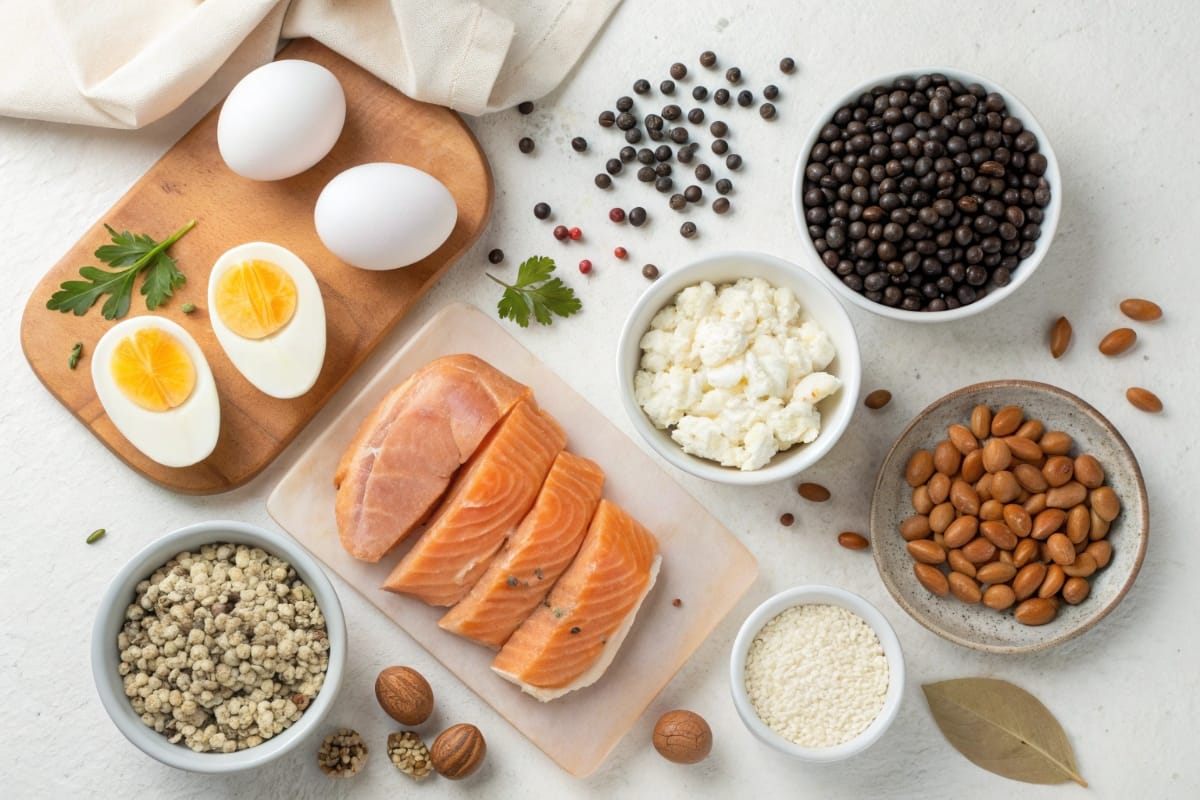
Animal-based high protein foods include chicken, turkey, beef, pork, fish, eggs, and most dairy products like Greek yogurt and cottage cheese. A modest portion of chicken thighs, a bowl of yogurt, or a couple of eggs can deliver a big chunk of your daily protein in one meal.
Plant-based high protein foods include beans, lentils, tofu, tempeh, peas, nuts, and seeds. They usually come with extra fiber, which is great for digestion and staying full, even if you need slightly bigger portions to match the protein of meat or dairy.
In everyday life, a food is often considered “high protein” when:
Protein is the main nutrient people think about in that food (like chicken, eggs, Greek yogurt).
A single serving helps you get closer to your daily protein needs—for example, 15–30 grams of protein in one meal for many adults, depending on body size, goals, and medical advice.
The key idea is simple: when you build your day around high protein foods, you let protein play the starring role on your plate instead of being an afterthought. The rest of this guide shows you how to turn those foods into breakfasts, lunches, dinners, snacks, and even desserts that fit real American routines.
Why Do High Protein Foods Matter?
High protein foods aren’t just for bodybuilders or athletes. For most people, they’re one of the easiest ways to feel satisfied after a meal and stay that way for hours. When protein shows up in every meal, you’re less likely to crash at 3 p.m. or raid the pantry at night.
Here are some of the main reasons high protein foods matter in everyday life:
They help you feel full longer. Protein slows digestion and helps your brain get the “I’ve eaten enough” signal, so you’re less likely to keep snacking mindlessly.
They support muscle maintenance and recovery. Whether you lift weights, walk a lot, or simply want to stay strong as you age, protein gives your body the building blocks it needs for muscle tissue.
They can steady your energy and blood sugar. A plate built mostly from refined carbs can spike and crash your blood sugar. High protein foods paired with fiber and healthy fats help smooth those swings.
They fit many goals: weight loss, recomposition, or just “not being hungry all day.” When your meals are anchored with protein, it’s usually easier to manage portions and stay within a comfortable calorie range.
You don’t need extreme rules to get these benefits. You just need to make high protein foods show up more often on your plate—especially at breakfast and your main meals.
How Much Protein Do You Actually Need?
There isn’t one perfect number that fits everyone, because your ideal protein intake depends on your body size, activity level, health conditions, and goals. But there are some simple patterns that help most people think about high protein foods in a practical way.
A common, beginner-friendly approach is to:
Aim to include a solid source of protein at every meal, instead of leaving it for dinner only.
Think in terms of rough ranges per meal, not exact grams at every bite.
For many adults, that looks like:
Around 15–30 grams of protein at breakfast
Around 20–35 grams of protein at lunch and dinner
Optional high protein snacks in between
You don’t have to hit those ranges perfectly at every meal. The real goal is to stop having days where breakfast is just coffee and a pastry, lunch is chips and a sandwich with barely any meat, and dinner is the only time protein shows up. When you consistently build meals around high protein foods, your daily totals tend to land in a better place automatically.
If you have medical conditions, are pregnant, or are training very hard, it’s always smart to discuss specific protein targets with your healthcare provider or a registered dietitian. This guide focuses on practical food choices, not medical prescriptions.
Categories of High Protein Foods
Before we dive into specific breakfasts, dinners, and snacks, it helps to see the big picture. High protein foods fall into two broad groups:
Animal-based high protein foods
Plant-based high protein foods
Both can play a role in a high protein lifestyle. Some people lean more animal-heavy, others mostly plant-based, and many sit somewhere in the middle.
High Protein Animal-Based Foods
Animal-based foods tend to pack a lot of protein into smaller portions, which is why they’re the backbone of many high protein recipes.
1. Chicken and Turkey Skinless chicken thighs or breasts, ground chicken or turkey, and chicken or turkey sausage are classic “center of the plate” proteins that work in skillets, casseroles, slow cooker meals, and grills. Recipes like High Protein Chicken Feed and Crockpot Chicken Pot Pie show how chicken can anchor a satisfying, protein-forward meal.
2. Beef and Pork (Including Richer Cuts Like Wagyu) Ground beef, steaks, roasts, and pork loin all offer high protein in a relatively small portion. Higher-fat options like Wagyu ground beef add even more richness and flavor. On HealthyAmericanBites, the Wagyu Ground Beef Recipe and the protein-focused meals inside Pellet Grill Recipes are great examples of beef-based high protein meals.
3. Eggs and Egg-Based Dishes Eggs and egg whites are extremely versatile and cook quickly. You can see them in action in recipes like High Protein Quiche, High Protein Egg Bites Meal Prep, and Air Fryer Egg Bites, where eggs become the main protein source in make-ahead breakfasts and snacks.
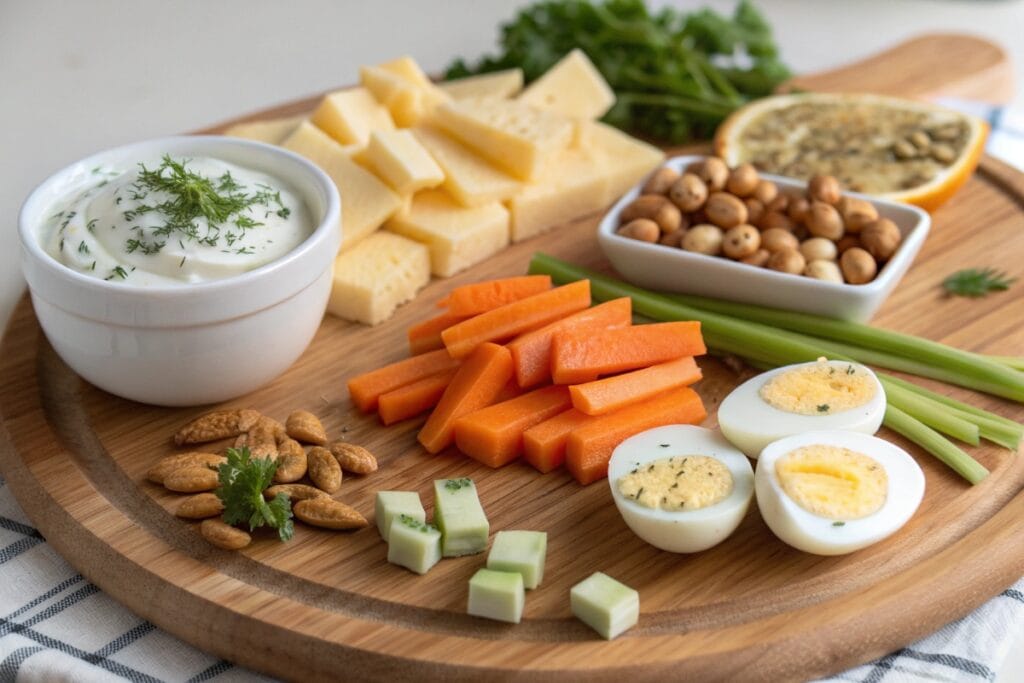
4. Dairy and High Protein Dairy Products Greek yogurt, cottage cheese, and cheese sticks or slices are all easy ways to add protein to breakfast bowls, snacks, dips, and baked goods. They often appear behind the scenes in high protein muffins, biscuits, and desserts.
5. Fish and Seafood Salmon, tuna, cod, shrimp, and scallops bring protein plus beneficial fats, especially in oily fish. Even if you don’t always follow a seafood-heavy pattern, rotating fish into your dinners is a simple way to boost protein variety.
High Protein Plant-Based Foods
Plant-based high protein foods usually come with extra fiber and micronutrients. They sometimes require slightly larger portions to match the protein of meat or dairy, but they’re powerful tools in any high protein plan.
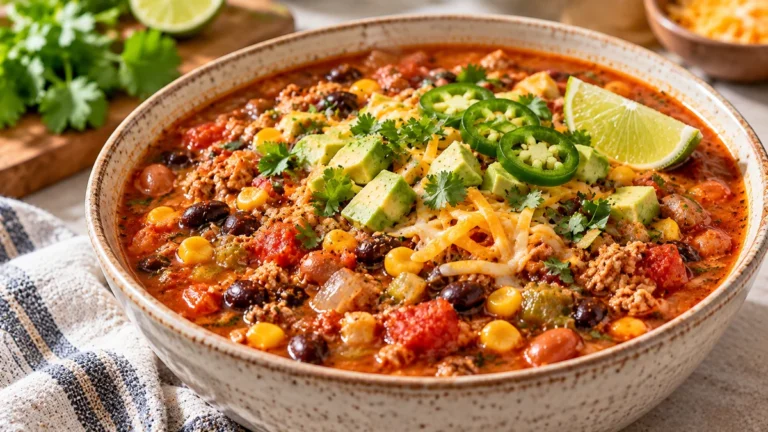
1. Beans and Lentils Black beans, pinto beans, kidney beans, chickpeas, and lentils work beautifully in soups, stews, chilis, salads, and even some pasta and grain bowls. Pairing beans or lentils with animal protein can also give you a very filling, protein-rich plate.
2. Soy Foods Tofu, tempeh, and edamame are among the highest-protein plant options and can stand in for meat in many recipes when seasoned well. They fit especially well into bowls, stir-fries, and salads.
3. High Protein Grains and Pasta Grains like quinoa and certain high-protein pastas (such as chickpea, lentil, or pea-based pasta) give you a mix of carbs and protein. In recipes like High Protein Pasta Salad, they help turn a simple salad into a dish that can hold its own as a full meal.
4. Nuts and Seeds Almonds, peanuts, cashews, pumpkin seeds, sunflower seeds, chia, flax, and hemp seeds bring protein, healthy fats, and crunch. They’re best used in measured portions as snacks, toppings for yogurt and oats, or ingredients in muffins and bars.
High Protein Foods for Breakfast
When your first meal of the day is built on high protein foods, everything else gets easier. You’re less likely to raid the snack drawer mid-morning, and you start the day with steady energy instead of a sugar spike and crash.
Egg-Based High Protein Breakfasts
Eggs are one of the simplest high protein foods you can use. They’re budget-friendly, cook fast, and work in dozens of formats—from classic scrambles to more structured recipes you can prep ahead.
Great examples from HealthyAmericanBites include:
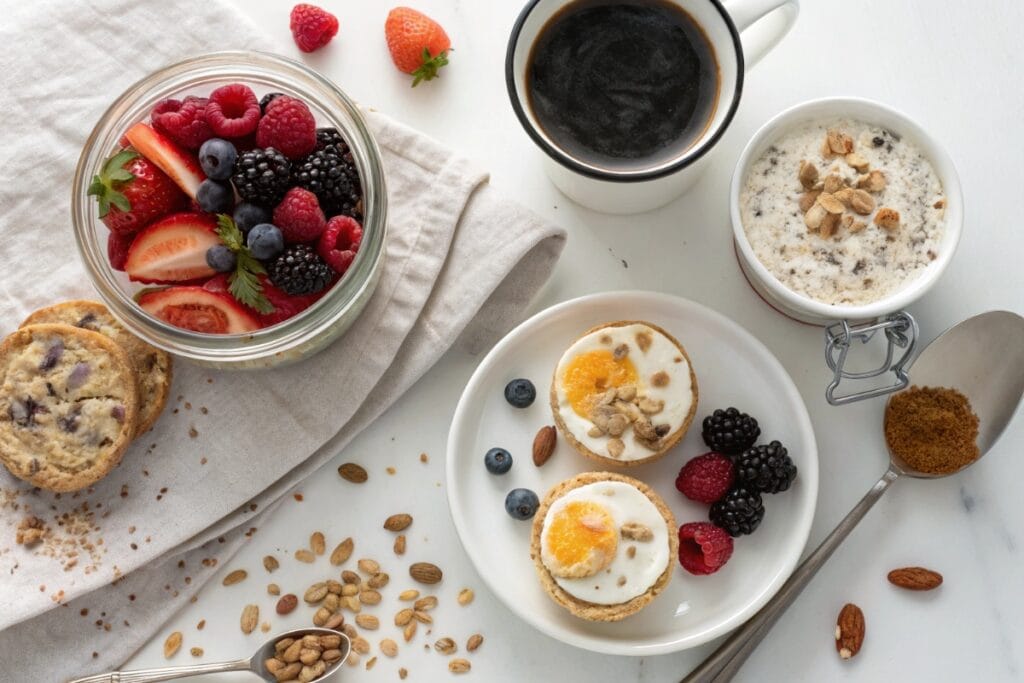
High Protein Quiche – A sliceable, make-ahead breakfast loaded with eggs, cheese, and add-ins like veggies or meat. It’s perfect for weekends or for reheating on busy weekdays.
Air Fryer Egg Bites – A faster, hands-off version that uses your air fryer instead of the oven, ideal when you don’t want to heat up the whole kitchen.
All of these recipes use eggs as the main high protein food, then layer in extras like cheese, vegetables, and sometimes meat to boost both protein and flavor.
Oats, Biscuits, and Breakfast Bakes
If you like something slightly sweet in the morning, you can still center the meal on high protein foods by using yogurt, milk, eggs, and protein-rich grains or flours.
On HealthyAmericanBites, you’ll find:
High Protein Overnight Oats – Rolled oats combined with Greek yogurt, milk, and sometimes protein powder, left to thicken in the fridge. They deliver slow carbs plus a strong protein base.
High Protein Breakfast Biscuits – Savory biscuits with extra protein from cheese, yogurt, eggs, or lean meats, ideal with eggs or on their own as a handheld breakfast.
These recipes show how you can transform “carb-heavy” classics into high protein breakfasts by changing the ingredients behind the scenes.
High Protein Foods for Lunch and Dinner
High protein foods really shine at lunch and dinner, when you want meals that feel substantial and keep you satisfied until the next one.
Chicken-Based High Protein Meals
Chicken is one of the most popular high protein foods in the U.S. because it’s versatile and easy to season any way you like.
Some examples from HealthyAmericanBites include:
High Protein Chicken Feed – A protein-forward chicken dish that can be served over rice, potatoes, or vegetables for a filling plate.
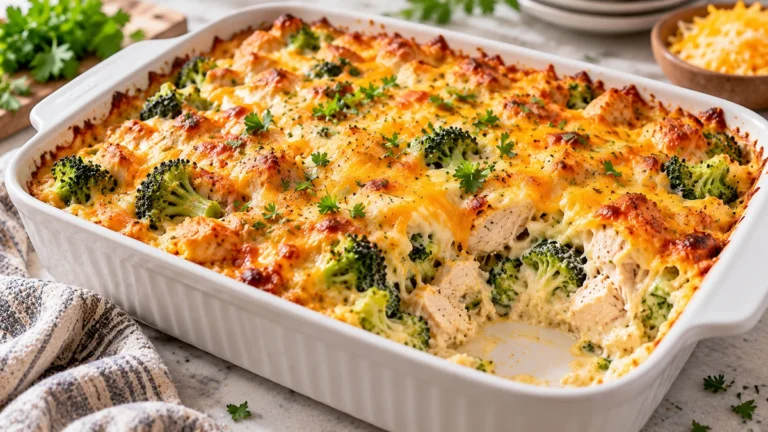
Crockpot Chicken Pot Pie – A comfort meal where chicken, veggies, and a creamy base come together in the slow cooker; the chicken provides the bulk of the protein.
Chicken Apple Sausage (Air Fryer) – A quick-cooking sausage option that combines chicken protein with lightly sweet apple, great with roasted vegetables or potatoes on the side.
Each of these meals uses chicken as the primary high protein food and builds flavor and volume with vegetables, seasonings, and starches.
High Protein Beef and Grill Meals
Beef-based dishes can be very high in protein and feel especially satisfying on busy days or colder evenings.
On your site, you feature:
Wagyu Ground Beef Recipe – A richer, indulgent option where a highly marbled ground beef provides plenty of protein and deep flavor.
Pellet Grill Recipes – A collection of grill-friendly ideas where meats like chicken, beef, or sausage are smoked or grilled for big flavor and high protein.
Grilled Cheese Burrito – A fun, comfort-food meal that can pack plenty of protein through beef, cheese, and possibly beans, depending on the exact build.
These recipes are great for families who enjoy hearty, restaurant-style meals at home but still want protein front and center.
High Protein Stuffed Veggies, Bowls, and Salads
You can also build high protein meals by combining protein-rich fillings with vegetables, grains, or pasta.
Examples include:
High Protein Stuffed Peppers – Bell peppers filled with a mixture of ground meat, beans, rice, or cheese, turning a vegetable into a complete high protein meal.
High Protein Pasta Salad – A chilled dish that often includes high protein pasta, chicken, beans, or cheese, making it much more filling than a plain noodle salad.
Low Calorie High Protein Meals – A collection that shows how to use high protein foods like lean meats, eggs, and dairy in ways that keep calories in check.
These options are ideal when you want variety: some nights you might crave a hot stuffed pepper; other days a cold pasta salad hits the spot.
High Protein Snacks, Dips, and Soft Foods
High protein foods don’t only belong on big dinner plates. They’re also perfect for snacks, dips, and gentle meals for people who need softer textures.
High Protein Dips and Party Foods
Dips are one of the easiest ways to sneak more protein into your day. They can be served with vegetables, chips, crackers, or used as a spread in wraps and sandwiches.
On HealthyAmericanBites, you highlight:
High Protein Buffalo Chicken Dip – A creamy, spicy dip made with shredded chicken and a protein-rich base like Greek yogurt or cheese.
These dips turn high protein foods (chicken, yogurt, cheese) into something people actually look forward to at parties or game nights.
High Protein Pureed Foods
For readers recovering from surgery, dealing with chewing or swallowing issues, or simply wanting very gentle meals, pureed high protein foods are important.
Smooth blends made from chicken, beans, eggs, and dairy that keep protein high while staying easy to eat.
Options that can be flavored with herbs, spices, and gentle sauces so they don’t feel like hospital food.
This kind of content is especially helpful for caregivers, older adults, or anyone in a recovery phase who still needs adequate protein.
High Protein Desserts and Sweet Treats
Dessert doesn’t have to be a pure sugar bomb. When you build treats around high protein foods, you can satisfy your sweet tooth and support your goals at the same time.
It uses ingredients like Greek yogurt, cottage cheese, or protein powder to create a rich, creamy texture with significantly more protein than a traditional mousse.
It works as a dessert, snack, or even a post-workout treat when someone wants something sweet that still supports their protein intake.
Muffins, Biscuits, and “Snack Cakes” as Protein Treats
Many of your breakfast-style baked goods can double as desserts or afternoon snacks:
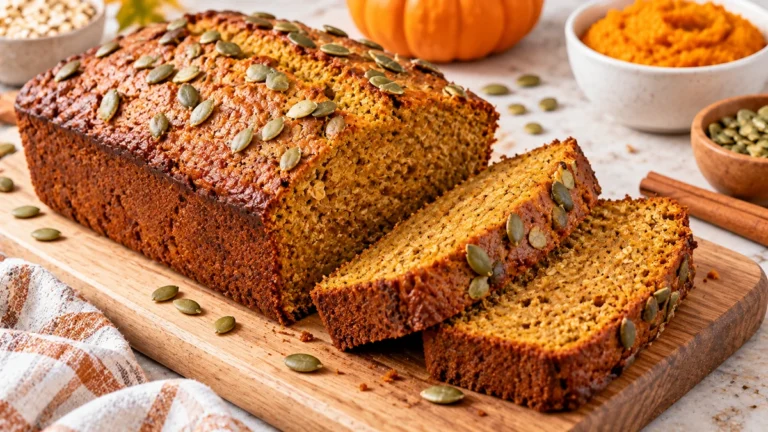
These recipes use high protein foods (eggs, yogurt, sometimes protein powder) to turn what looks like a treat into something that actually helps people hit their daily protein goals.
High Protein Foods for Weight Loss and Low-Calorie Days
High protein foods are especially useful for people who want to lose weight or maintain weight loss without feeling constantly hungry.
The basic idea is:
Choose leaner high protein foods more often (like chicken breast, egg whites, Greek yogurt, cottage cheese, shrimp).
Add volume with vegetables and high-fiber options, while being more deliberate with added fats and sugars.
Meals that still include sauces, herbs, and satisfying sides
But use lean proteins and controlled portions to keep calories in a lower range
Without dropping protein so low that people feel starved
This kind of content is perfect for readers who search for “high protein foods for weight loss” and want concrete, familiar meal ideas instead of abstract advice.
How to Build a High Protein Plate (Step by Step)
Putting all of this together doesn’t have to be complicated. You can think about building any plate around high protein foods with a simple four-step pattern:
Pick your main high protein food. Examples: chicken thighs, Wagyu ground beef, eggs, Greek yogurt, cottage cheese, high protein pasta, or chicken apple sausage.
Add fiber and volume. Vegetables (roasted, steamed, raw), salads, beans, or a modest portion of whole grains make the plate look and feel generous without relying only on extra fat or starch.
Add smart fats. Olive oil, avocado, nuts, seeds, or cheese in reasonable amounts boost flavor and satisfaction, especially when paired with lean proteins.
Finish with flavor. Herbs, spices, sauces, and dips (like High Protein Buffalo Chicken Dip) keep your meals exciting and make a high protein lifestyle easier to stick with.
Once you get used to this pattern, you can look at any meal and quickly identify the high protein foods, the volume foods, and the flavor elements—and adjust them to match your goals.
7-Day High Protein Foods Sample Plan
You don’t need a complicated spreadsheet to start eating more high protein foods. A simple weekly structure can make a huge difference, especially if you repeat your favorite meals and keep leftovers in the rotation.
Here’s a flexible 7-day sample plan using recipes from HealthyAmericanBites. Treat it as a template, not a rulebook—swap in whatever fits your schedule and taste.
Day 1
Breakfast:High Protein Overnight Oats – Easy to prep the night before, built on oats, Greek yogurt, and milk.
Lunch:High Protein Pasta Salad – A chilled bowl that uses high protein pasta and add-ins like chicken or beans.
Dinner:Wagyu Ground Beef Recipe – Rich, flavorful ground beef as the main protein, served with vegetables and a simple starch if you like.
You can repeat this pattern week after week while rotating flavors, sauces, and side dishes. The key is that a high protein food anchors every meal, so you never go long stretches with just carbs and fat.
FAQ – High Protein Foods for Everyday Life
1. What are 10 examples of high protein foods?
Ten simple examples of high protein foods include: chicken breast, turkey, lean ground beef, eggs, Greek yogurt, cottage cheese, tofu, lentils, black beans, and salmon. Nuts and seeds like almonds or pumpkin seeds also provide protein, especially when used as toppings or snacks. You can build almost any plate by choosing one of these as your main protein and adding vegetables and smart carbs around it.
2. What high protein foods are best for breakfast?
High protein foods can support weight loss because they help you feel full on fewer calories and protect muscle while you’re in a calorie deficit. Leaner choices like chicken breast, egg whites, Greek yogurt, cottage cheese, and certain fish offer a lot of protein without too many extra calories. Your Low Calorie High Protein Meals recipes illustrate how to put those foods into real-life plates that are both satisfying and easier to fit into a weight-loss plan.
6. Do high protein foods have to be animal-based?
No. While many high protein foods are animal-based, you can absolutely get a lot of protein from plants. Beans, lentils, tofu, tempeh, high protein pastas, and even nuts and seeds contribute significantly when used consistently. Many people thrive on a mix of animal and plant protein, which gives them flexibility with flavor, budget, and digestion.
More High Protein Foods & Recipes on HealthyAmericanBites
High protein foods don’t have to mean dry chicken breast and boring egg whites. When you treat protein as the star and build flavors around it, you can serve casseroles, dips, muffins, skillet meals, and even chocolate mousse that fit your goals and still feel like comfort food. Bookmark this guide, and whenever you plan your week, start by choosing the high protein foods you love most—then let the recipes on HealthyAmericanBites fill in the details.
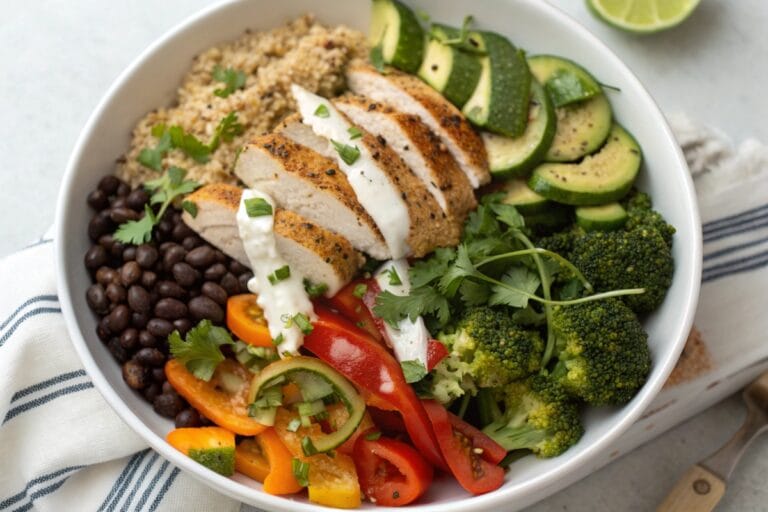
Recipe card for High Protein Chicken Veggie Power Bowls
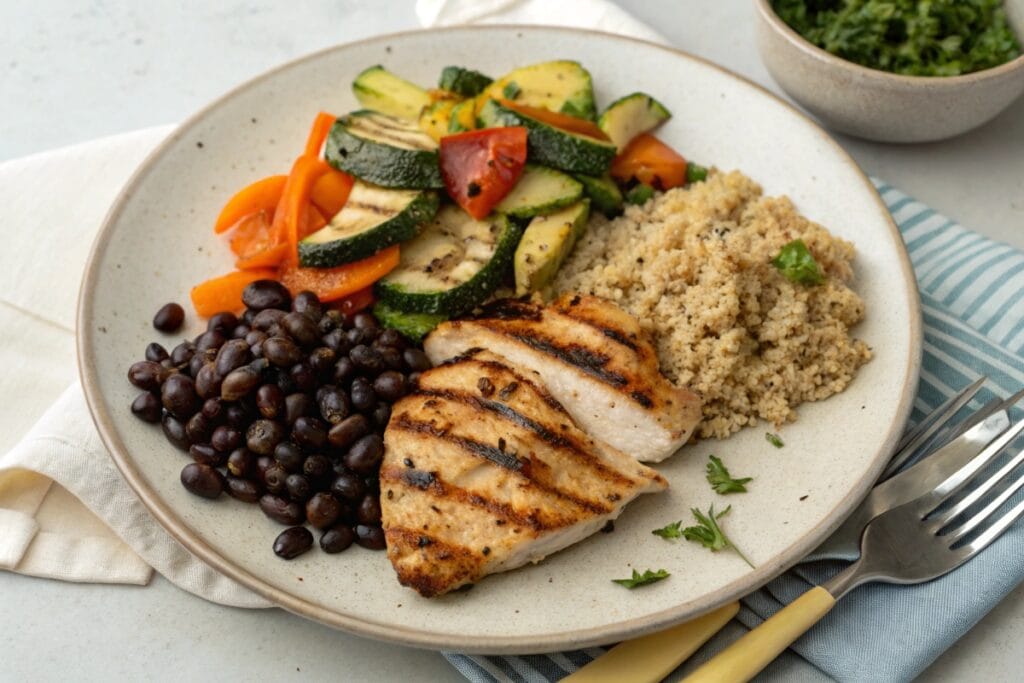
These high protein chicken veggie power bowls bring together several high protein foods in one easy meal: lean chicken breast, black beans, Greek yogurt, and a modest bed of quinoa or brown rice. Colorful roasted vegetables add volume and fiber so each bowl feels big and satisfying without going overboard on calories. Use this recipe as a simple example of how to build a high protein plate from the foods listed in the High Protein Foods guide.
2 cups cooked quinoa or brown rice (or a mix), warmed
1 1/2 cups cooked black beans, rinsed and drained
1 cup plain Greek yogurt
2 tablespoons lemon juice (for the yogurt sauce)
1 small garlic clove, very finely minced (for the yogurt sauce)
2–3 tablespoons water, to thin the sauce
Salt and pepper, to taste
Fresh parsley or cilantro, chopped (optional)
Lemon wedges, for serving
Instructions
1. Preheat the oven to 400°F (200°C) and line a large sheet pan with parchment paper if you like for easier cleanup.
2. In a medium bowl, toss the chicken pieces with 1 tablespoon olive oil, 2 tablespoons lemon juice, minced garlic, smoked paprika, cumin, oregano, 1/2 teaspoon salt, and 1/2 teaspoon pepper until evenly coated. Set aside to marinate while you prep the vegetables.
3. Place the broccoli florets, sliced bell pepper, zucchini, and red onion on the sheet pan. Drizzle with the remaining 1 tablespoon olive oil, sprinkle with a pinch of salt and pepper, and toss to coat.
4. Push the vegetables toward the edges of the pan and spread the marinated chicken in the center in a single layer so everything has space to roast.
5. Roast for 18–20 minutes, stirring once halfway through, until the chicken reaches 165°F (74°C) internally and the vegetables are tender with lightly browned edges.
6. While the chicken and vegetables roast, warm the cooked quinoa or brown rice and the black beans in separate bowls. Keep them covered so they stay warm.
7. Make the simple yogurt sauce by stirring together the Greek yogurt, 2 tablespoons lemon juice, minced garlic, and enough water to reach a drizzleable consistency. Season with a pinch of salt and pepper to taste.
8. To build the bowls, divide the quinoa or rice among 4 bowls. Top each with a quarter of the black beans, a quarter of the roasted chicken, and a generous scoop of the roasted vegetables.
9. Drizzle each bowl with the Greek yogurt sauce, sprinkle with chopped parsley or cilantro if using, add a lemon wedge on the side, adjust salt and pepper, and serve warm.
Notes
You can swap the chicken for turkey, shrimp, or firm tofu and still keep these bowls high in protein.
Use different high protein bases like lentil pasta, extra beans, or more Greek yogurt sauce if you want to experiment with other foods from the High Protein Foods guide.
For a lower calorie version, use more vegetables and beans, a slightly smaller portion of quinoa or rice, and a lighter drizzle of yogurt sauce.
Leftover bowls keep well in airtight containers in the refrigerator for up to 4 days. Store the yogurt sauce separately and add it after reheating.
These bowls are a simple way to practice building a high protein plate: pick a main protein, add fiber-rich vegetables and beans, then finish with a flavorful sauce.