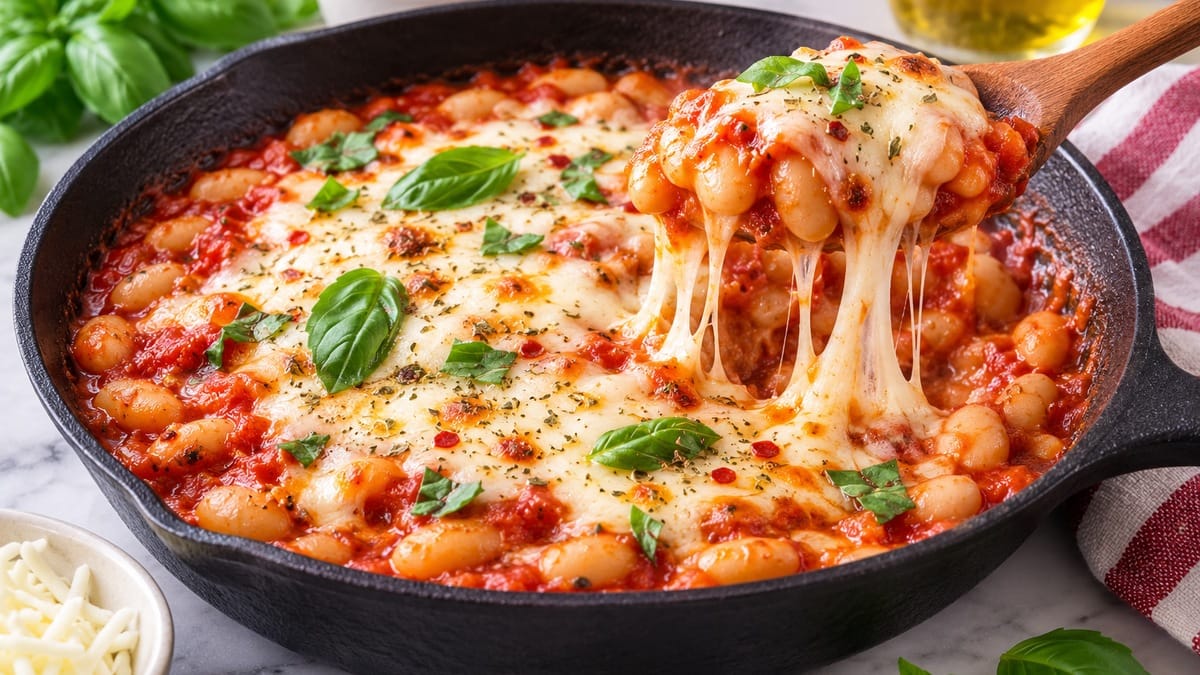
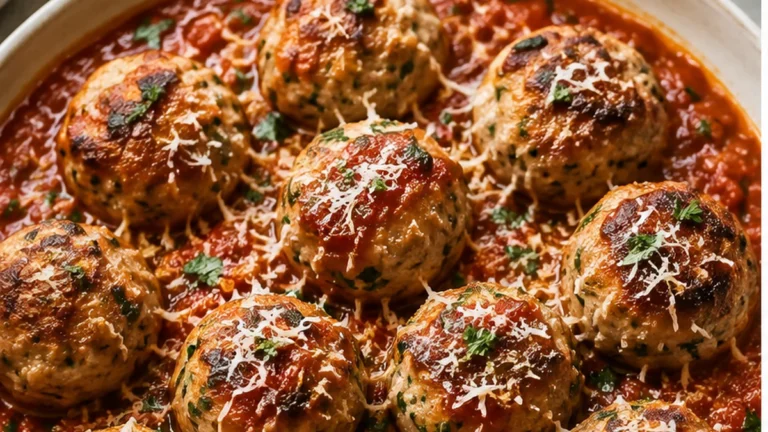
Gluten free pizza beans are the kind of weeknight dinner that sounds almost too simple until you taste them: creamy white beans simmered in a concentrated tomato sauce, covered with melted mozzarella and Parmesan, then finished with basil and a little red pepper. You get the cozy flavor of pizza without making dough, and the whole skillet is ready in about 20 minutes.
This version is built to solve the two problems that can make pizza beans disappointing: a watery sauce and bland beans. Draining the beans well, blooming the garlic and oregano in olive oil, and cooking a spoonful of tomato paste before the marinara gives the sauce enough body to cling to every bean. Low-moisture mozzarella melts cleanly instead of releasing extra water.
Each serving comes out to roughly 380 calories, 24 grams of protein, and about 11 grams of fiber, depending on the brands you use. For more practical ideas, bookmark our gluten free recipes guide and use these gluten free pizza beans whenever you need a fast, filling dinner from pantry staples.
Table of Contents
Quick Recipe Snapshot
Prep time: 8 minutes
Cook time: 12 minutes
Total time: 20 minutes
Servings: 4
Cooking method: Stovetop
Best beans: Cannellini or Great Northern
Texture: Saucy, creamy, cheesy — not soupy
Diet: Gluten free and vegetarian as written
Why These Gluten Free Pizza Beans Work
A good bean skillet needs contrast. The beans should stay creamy inside, the tomato sauce should taste concentrated rather than thin, and the cheese should melt into a distinct top layer instead of disappearing into the sauce. This recipe handles each part separately before bringing everything together.
The onion gets a few minutes on its own so it softens. Garlic and oregano cook briefly in the oil to release their aroma. Tomato paste is stirred in until it darkens slightly, which adds a deeper cooked-tomato flavor and helps thicken the base. Only then do the beans and marinara go into the skillet.
The final trick is patience: simmer the beans uncovered before adding the cheese. That short reduction is what turns a basic can-of-beans dinner into a skillet you can scoop with a spoon without leaving a puddle of thin tomato liquid behind.
Ingredients You’ll Need
Cannellini Beans
Cannellini beans are my first choice because they are large, creamy, and mild enough to carry the pizza flavors. Great Northern beans are an excellent second choice and stay a little firmer. Butter beans also work, but their larger size makes the finished dish feel more like a bean bake than a pizza-style skillet.
Use two 15- to 15.5-ounce cans. Drain them in a colander, rinse briefly, and let them sit for a few minutes while you prepare the onion. The drier the surface of the beans, the easier it is for the sauce to cling.
Marinara Sauce
Choose a thick marinara with a flavor you already like. A thin pasta sauce can still work, but it may need an extra two or three minutes of uncovered simmering. If your sauce is very sweet, the finished skillet can taste more like baked beans than pizza, so a savory, tomato-forward marinara is the better fit.
Tomato Paste
One tablespoon is enough. Cooking it for about a minute before adding the marinara removes the raw canned taste and gives the sauce more body. This small step is especially useful because canned beans bring some surface moisture even after draining.
Low-Moisture Mozzarella
Use shredded low-moisture mozzarella rather than fresh mozzarella packed in water. Fresh mozzarella tastes great, but it can release enough liquid to loosen the sauce. Part-skim or whole-milk low-moisture mozzarella both melt well here.
Parmesan, Onion, Garlic, and Herbs
Parmesan adds salty depth, while onion and garlic create the savory base. Dried oregano gives the strongest pizza cue. Fresh basil goes on after cooking so it stays aromatic instead of turning dark in the hot sauce. Crushed red pepper is optional but adds a pleasant background heat.
Is This Recipe Really Gluten Free?
The basic ingredients in these gluten free pizza beans do not require wheat, barley, or rye, but packaged foods can vary. In the United States, the FDA says foods labeled “gluten-free” must meet its standard, including containing less than 20 parts per million of gluten. You can read the FDA gluten and food labeling guidance for the current definition.
When gluten avoidance is important, check the label on the marinara, shredded cheese, Parmesan, dried seasonings, and any optional toppings. Also use clean utensils, a clean skillet, and a work surface that has not been exposed to regular flour or bread crumbs.
Creamy cannellini beans simmered in a thick marinara with garlic, oregano, tomato paste, mozzarella, Parmesan, and basil. A high-protein, high-fiber gluten-free skillet dinner ready in about 20 minutes.
Total Time:20 minutes
Yield:4 servings
Ingredients
Scale
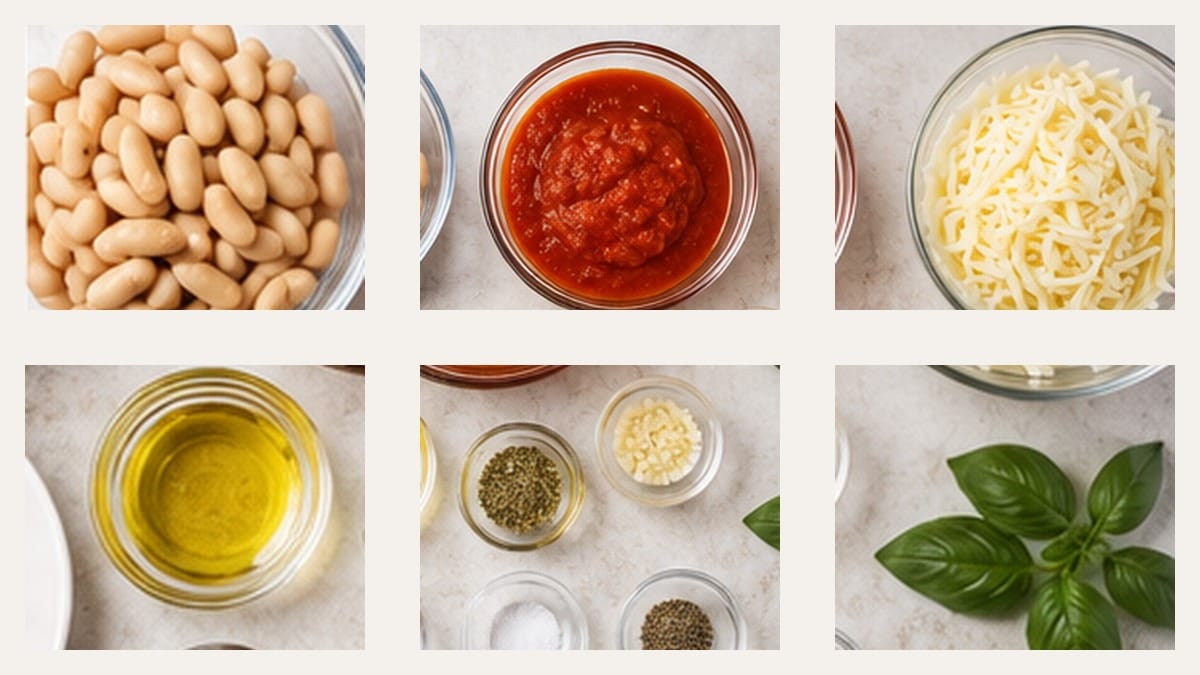
1 tablespoon extra-virgin olive oil
1 small yellow onion, finely diced
3 garlic cloves, minced
1 teaspoon dried oregano
1/4 teaspoon ground black pepper
1/4 teaspoon crushed red pepper flakes, optional
1 tablespoon tomato paste
2 (15- to 15.5-ounce) cans cannellini or Great Northern beans, drained, rinsed, and well drained
2 cups thick gluten-free marinara sauce
1 cup shredded low-moisture mozzarella cheese
1/4 cup finely grated Parmesan cheese
1/4 cup fresh basil leaves, torn or sliced
Fine salt, only if needed after tasting
Instructions
Heat the olive oil in a 10- to 12-inch skillet over medium heat. Add the onion and cook for 3 to 4 minutes, stirring occasionally, until softened.
Add the garlic, oregano, black pepper, and optional crushed red pepper. Cook for about 30 seconds, stirring constantly, until fragrant.
Stir in the tomato paste and cook for 45 to 60 seconds, until it darkens slightly and coats the onion.
Add the well-drained beans and marinara. Fold gently to combine. Simmer uncovered for 5 to 6 minutes, stirring once or twice, until the sauce thickens and clings to the beans.
Reduce the heat to low. Sprinkle the mozzarella and Parmesan evenly over the skillet, cover, and cook for 2 to 4 minutes, until the cheese is fully melted.
Remove from the heat, top with fresh basil, and let stand uncovered for 2 minutes. Taste and add salt only if needed before serving.
Notes
Use low-moisture mozzarella for the most reliable texture. Fresh mozzarella can release extra water.
If the sauce is still thin after 6 minutes, simmer uncovered for another 1 to 3 minutes before adding the cheese.
When gluten avoidance is important, verify the labels on marinara, cheese, seasonings, and optional toppings and prevent cross-contact in the kitchen.
For pepperoni pizza beans, add gluten-free-labeled pepperoni on top of the mozzarella before covering. Nutrition will change.
For a dairy-free variation, use a suitable dairy-free shredded cheese and omit the Parmesan.
Nutrition is an estimate and varies by brand.
Author:Adam Moretti
Prep Time:8 minutes
Cook Time:12 minutes
Category:Main Dish
Method:Stovetop
Cuisine:American
Diet:Gluten Free
How to Make Gluten Free Pizza Beans
1. Soften the Onion
Heat one tablespoon of olive oil in a 10- to 12-inch skillet over medium heat. Add the diced onion and cook for 3 to 4 minutes, stirring occasionally, until it looks translucent around the edges. You are not trying to brown it deeply; you just want to remove the raw bite.
2. Bloom the Garlic and Oregano
Add the minced garlic, oregano, black pepper, and optional crushed red pepper. Stir for about 30 seconds. Garlic can burn quickly, so keep it moving and go straight to the tomato paste as soon as it smells fragrant.
3. Cook the Tomato Paste
Stir in the tomato paste and cook for 45 to 60 seconds. It should darken from bright red to a slightly deeper brick color and begin coating the onion. This is the step that gives the skillet a richer pizza-sauce flavor without requiring a long simmer.
4. Simmer the Beans and Marinara
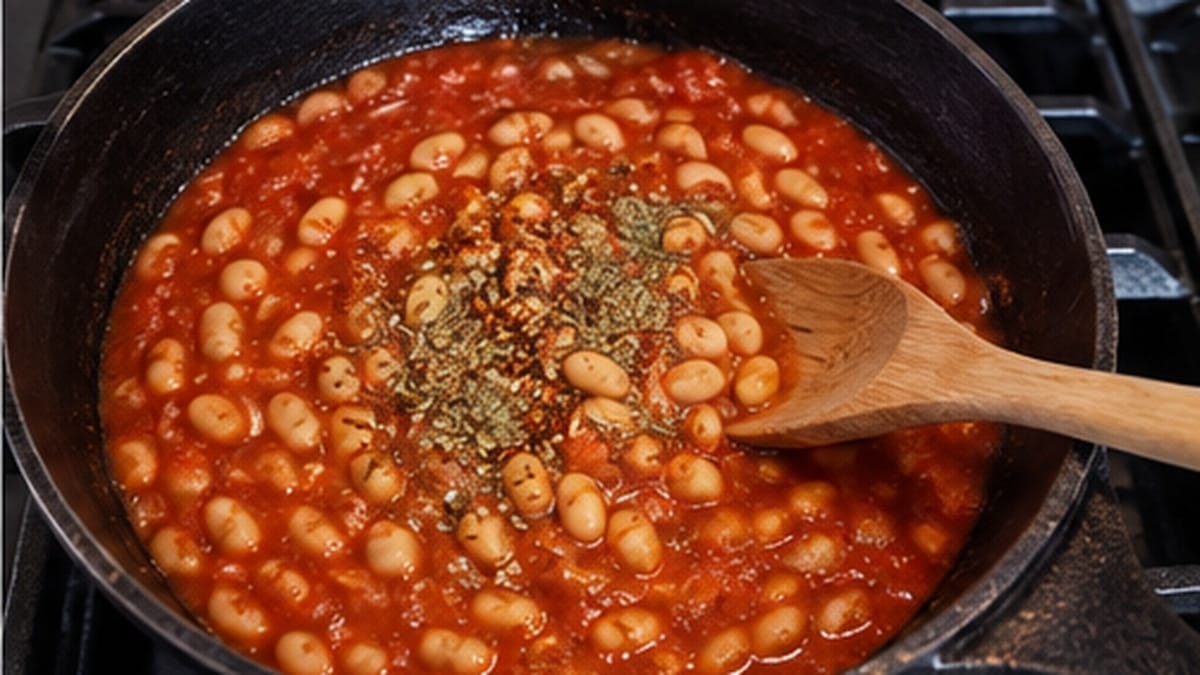
Add the drained beans and marinara. Fold everything together gently so you do not mash the beans. Bring the sauce to a steady but gentle simmer and cook uncovered for 5 to 6 minutes. Stir once or twice, scraping the bottom of the skillet so nothing sticks.
At the end of this step, drag a spoon across the bottom of the skillet. The sauce should part briefly before flowing back in. If it immediately floods the path, simmer another minute or two before adding the cheese.
5. Melt the Cheese
Sprinkle the mozzarella evenly across the top, followed by the Parmesan. Reduce the heat to low, cover the skillet, and cook for 2 to 4 minutes until the mozzarella is melted. For browned spots, you can place an oven-safe skillet under the broiler for about one minute instead, but the covered stovetop method keeps the recipe truly one-pan and easy.
6. Rest Before Serving
Turn off the heat, add the fresh basil, and let the skillet stand uncovered for 2 minutes. The sauce thickens slightly as it settles. Taste before adding salt because canned beans, marinara, mozzarella, and Parmesan can all contribute sodium.
How to Keep Pizza Beans From Getting Watery
Watery pizza beans usually come from several small sources of moisture stacking up at the same time. The beans are still wet, the marinara is thin, fresh mozzarella releases water, and the skillet is covered too early. Fixing even two of those issues makes a noticeable difference.
Drain the beans for a few minutes. Do not add them straight from the rinsing colander while they are dripping wet.
Use low-moisture mozzarella. Save fresh mozzarella for recipes where extra liquid is less of a problem.
Cook the tomato paste. It adds concentration and thickening power.
Simmer uncovered first. Do not put the lid on until the cheese goes on.
Choose a thick marinara. If your sauce pours like tomato juice, reduce it longer before topping with cheese.
Let the skillet rest. Two minutes off the heat helps the sauce settle around the beans.
Best Beans for Pizza Beans
Cannellini and Great Northern beans are the most reliable choices for this recipe, but the best option depends on the texture you want.
Cannellini: creamy, large, and ideal for a rich skillet.
Great Northern: slightly firmer and excellent if you want the beans to hold their shape.
Butter beans: very creamy and extra-large; great for a more substantial, fork-and-knife style dish.
Navy beans: smaller and softer; they work, but the skillet feels more uniform and less chunky.
Chickpeas: firmer and nuttier. They are a useful variation, although the result tastes less creamy than classic white-bean pizza beans.
Pizza Sauce vs. Marinara: Which Is Better?
Either can work, but marinara is usually the easier choice because it is already seasoned and widely available. Pizza sauce is often thicker and can give the skillet an even more concentrated pizza flavor, but some brands are designed to cook on dough and may taste sharp if they are only warmed briefly.
If you use pizza sauce, start with 1 3/4 cups instead of 2 full cups and add more only if the beans look dry. If you use marinara, stick with 2 cups and reduce it uncovered until the sauce clings.
Easy Variations
Vegetable Pizza Beans
Cook 1 cup of chopped mushrooms or bell pepper with the onion. If you add spinach, stir in two packed cups during the last minute of simmering so it wilts without releasing too much liquid.
Pepperoni Pizza Beans
Add a small handful of pepperoni slices on top of the mozzarella before covering the skillet. Choose a product that is clearly suitable for your gluten-free needs. This variation is no longer vegetarian and the nutrition will be higher than the base recipe.
Dairy-Free Pizza Beans
Use a dairy-free shredded mozzarella that is labeled gluten free and omit the Parmesan. Some dairy-free cheeses melt better than others, so covering the skillet for the full four minutes usually gives a better result.
Extra-Spicy Pizza Beans
Double the crushed red pepper or finish each serving with pickled jalapeños. You can also stir in a spoonful of chili crisp if the product is appropriate for your gluten-free needs.
What to Serve With Gluten Free Pizza Beans
The skillet is filling enough to be dinner on its own, especially with a salad or roasted vegetables. For a larger meal, spoon the beans over creamy polenta, rice, or a baked potato. A piece of certified gluten-free toast is useful for scooping up the extra tomato sauce.
If you want another Italian-style gluten-free dinner for later in the week, our homemade gluten free pasta recipe is a good next option. For a completely different bean dinner, our gluten free taco seasoning works well with black beans, pinto beans, or lentils.
Meal Prep, Storage, and Reheating
Gluten free pizza beans are a useful meal-prep recipe because the sauce thickens slightly after chilling and the beans hold up well to reheating. Divide leftovers into shallow containers once they have cooled enough to handle and refrigerate promptly.
The USDA recommends using most cooked leftovers within 3 to 4 days and reheating leftovers to 165°F. See the USDA leftovers and food safety guidance for details.
For the best texture, reheat a portion in a covered skillet over medium-low heat with one or two teaspoons of water. The microwave also works; heat in short intervals and stir between them so the center warms evenly. Add fresh basil after reheating rather than before storing.
Can You Freeze Pizza Beans?
Yes. Freeze cooled portions in airtight freezer-safe containers. The beans and tomato sauce freeze very well, although melted cheese can become slightly grainier after thawing. If you are intentionally cooking for the freezer, one option is to freeze the bean-and-sauce mixture without the mozzarella, then add fresh cheese when you reheat it.
Thaw overnight in the refrigerator when possible. Reheat gently, then add a splash of water only if the sauce has become too thick.
Troubleshooting
My Sauce Is Too Thin
Keep the skillet uncovered and simmer for another 2 to 4 minutes before adding the cheese. Use medium heat and stir occasionally. Do not add more tomato paste at the very end because uncooked paste can taste metallic.
My Beans Are Breaking Apart
The skillet is probably being stirred too aggressively or simmered too hard. Fold the beans with a silicone spatula and keep the sauce at a gentle bubble rather than a rolling boil.
My Cheese Is Greasy
Very high heat can cause cheese to separate. Reduce the heat before adding mozzarella and let the trapped steam melt it slowly under the lid.
The Skillet Tastes Flat
First check the salt level, then add a little more oregano, black pepper, or crushed red pepper. A small splash of balsamic vinegar can brighten a dull tomato sauce, but add only 1/2 teaspoon at a time so it does not become sweet or sharp.
Frequently Asked Questions About Gluten Free Pizza Beans
Are gluten free pizza beans healthy?
They can fit comfortably into a balanced meal. This version centers on white beans, tomato sauce, olive oil, and moderate amounts of cheese, and it provides roughly 24 grams of protein and 11 grams of fiber per serving. The biggest variable is sodium, which depends heavily on the canned beans, marinara, and cheese you choose.
Do I need to rinse canned beans?
For this recipe, yes. Rinsing removes the thick canning liquid from the surface and gives you better control over the consistency of the tomato sauce. Let the rinsed beans drain well before they enter the skillet.
Can I use dried beans instead of canned?
Yes. Use about 3 cups of fully cooked, drained white beans. The beans should already be tender before they go into the tomato sauce because the 20-minute skillet is not long enough to cook dried or partially cooked beans.
Can I make pizza beans without an oven?
Absolutely. The base recipe is designed for the stovetop. Covering the skillet traps enough heat to melt the mozzarella in a few minutes. Broiling is only an optional way to brown the cheese.
Can I use fresh mozzarella?
You can, but drain it very well and use less than you think you need. Fresh mozzarella contains more water than low-moisture shredded mozzarella, so it can make the sauce looser. For the most reliable result, low-moisture mozzarella is better.
Are pizza beans good for meal prep?
Yes. The bean-and-tomato base holds its texture for several days in the refrigerator, and the sauce often tastes even more developed after resting overnight. Store basil separately if you want it to stay bright and fresh.
Final Tips for the Best Gluten Free Pizza Beans
The difference between average and excellent gluten free pizza beans comes down to moisture control and seasoning. Drain the beans thoroughly, cook the tomato paste until it darkens, reduce the marinara uncovered, and use low-moisture mozzarella. Those four choices give you a skillet that is creamy and saucy without turning soupy.
Once you have the base recipe right, treat it like pizza: add mushrooms, spinach, pepperoni, jalapeños, or whatever toppings fit your table. Keep the core ratio of beans to thick tomato sauce consistent, and you will have a fast 20-minute dinner that is easy to repeat without feeling like the same meal every time.
Reviewed recipe options
Make this recipe fit me
Choose one of seven popular diet options. NutriMatch will confirm whether the recipe already fits, show a reviewed adaptation when available, or recommend recipes that match your choice.
Please choose a diet first.
Reviewed Dairy-Free adaptation
Dairy-Free Gluten-Free Pizza Beans
Use the reviewed substitutions below to prepare a Dairy-Free version while keeping the original recipe's basic method.
Ingredient swaps
1 cup shredded low-moisture mozzarella cheeseUse 1 cup dairy-free mozzarella-style shreds
1/4 cup finely grated Parmesan cheeseUse 1/4 cup dairy-free Parmesan-style alternative
Check: Check every packaged substitute, sauce, seasoning, and topping for milk ingredients and the cross-contact information you need.
Use these reviewed changes with the original ingredient quantities and instructions above. The original recipe card stays unchanged.
Recipe details, product formulas, and cross-contact information can change. Confirm current labels and use professional guidance when medically necessary.
Already a reviewed match
This recipe already fits Gluten-Free.
No changes are needed based on its reviewed NutriMatch classification. Check the complete ingredients, product labels, and serving details for your own needs.
Recipe details, product formulas, and cross-contact information can change. Confirm current labels and use professional guidance when medically necessary.
Already a reviewed match
This recipe already fits High Protein.
No changes are needed based on its reviewed NutriMatch classification. Check the complete ingredients, product labels, and serving details for your own needs.
Recipe details, product formulas, and cross-contact information can change. Confirm current labels and use professional guidance when medically necessary.
Not available for this recipe
This recipe cannot currently be made Keto with a reviewed adaptation.
NutriMatch will not guess at substitutions. Try one of these recipes that is already reviewed for your choice.
Recipe details, product formulas, and cross-contact information can change. Confirm current labels and use professional guidance when medically necessary.
Not available for this recipe
This recipe cannot currently be made Low Carb with a reviewed adaptation.
NutriMatch will not guess at substitutions. Try one of these recipes that is already reviewed for your choice.
Recipe details, product formulas, and cross-contact information can change. Confirm current labels and use professional guidance when medically necessary.
Reviewed Vegan adaptation
Vegan Gluten-Free Pizza Beans
Use the reviewed substitutions below to prepare a Vegan version while keeping the original recipe's basic method.
Ingredient swaps
1 cup shredded low-moisture mozzarella cheeseUse 1 cup vegan mozzarella-style shreds
1/4 cup finely grated Parmesan cheeseUse 1/4 cup vegan Parmesan-style alternative
Check: Confirm every packaged substitute, sauce, seasoning, and topping is vegan; product formulas and processing aids can vary.
Use these reviewed changes with the original ingredient quantities and instructions above. The original recipe card stays unchanged.
Recipe details, product formulas, and cross-contact information can change. Confirm current labels and use professional guidance when medically necessary.
Already a reviewed match
This recipe already fits Vegetarian.
No changes are needed based on its reviewed NutriMatch classification. Check the complete ingredients, product labels, and serving details for your own needs.
Recipe details, product formulas, and cross-contact information can change. Confirm current labels and use professional guidance when medically necessary.