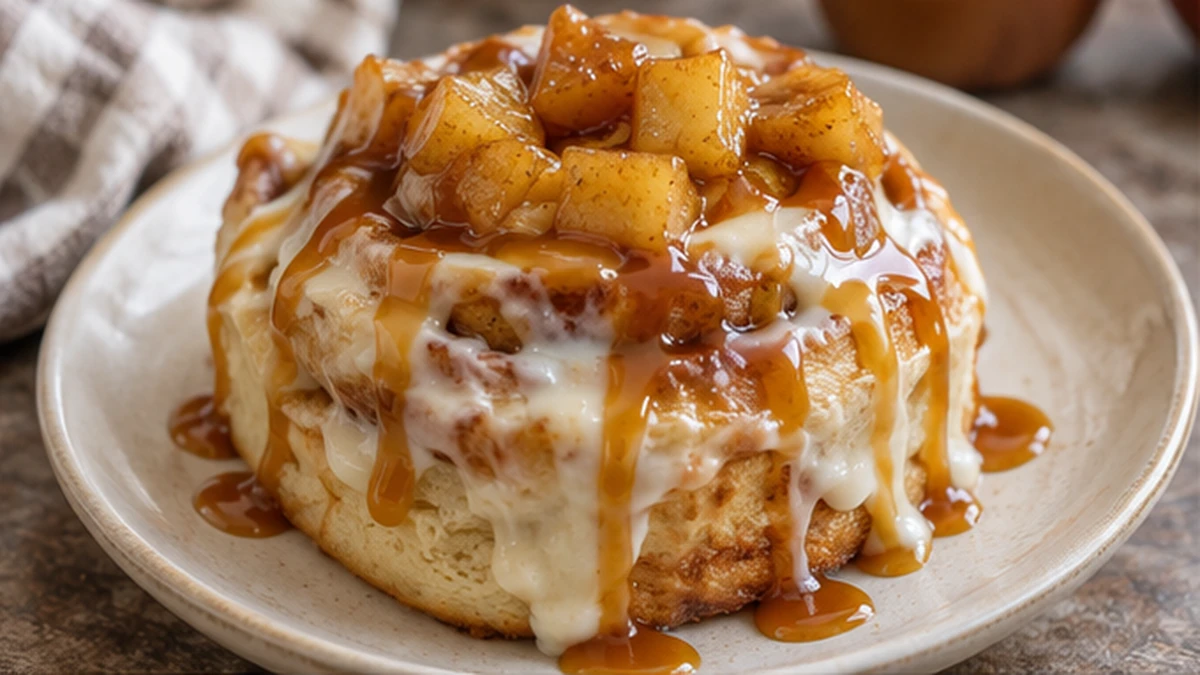
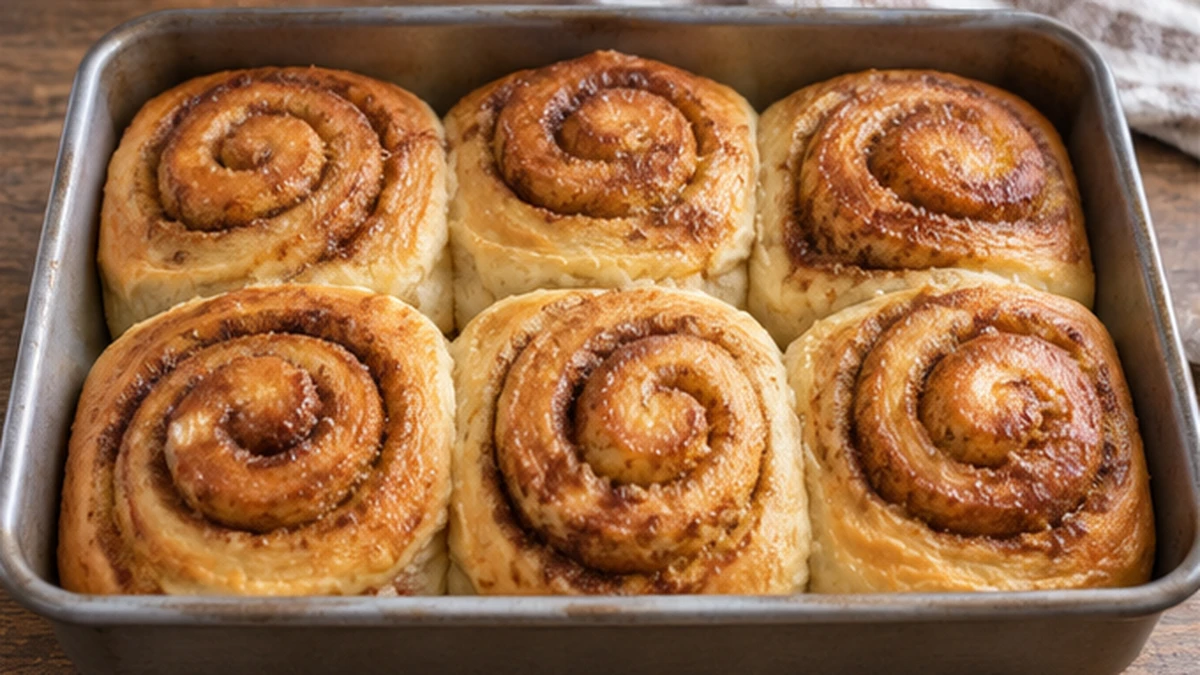
This First Watch caramel apple cinnamon roll copycat brings the holiday brunch special home with six soft yeast rolls, a brown sugar cinnamon spiral, tangy cream cheese icing, warm spiced apple compote and a final drizzle of salted caramel. The apples go on top after baking, not inside the dough, so the centers stay fluffy rather than wet. If you enjoy cinnamon-swirled bakes, our cinnamon roll banana bread is a quicker, yeast-free alternative.
First Watch introduced its holiday menu on October 27, 2026, with availability announced through January 4, 2027, at participating locations. The official holiday menu announcement confirms the combination of freshly baked cinnamon roll, cream cheese icing, spiced apple topping and salted caramel. This is an independently developed home recipe inspired by that description, not the restaurant’s proprietary formula or a claim of a taste-tested match.
Table of Contents
What makes this cinnamon roll different?
The First Watch caramel apple cinnamon roll is built in layers. A conventional apple cinnamon roll often has chopped fruit tucked into the spiral, while this version starts with a classic cinnamon bun and adds a spoonable apple topping at serving time. Keeping the components separate also makes it easier to prepare brunch for several people: the bread can be reheated without melting the icing or drying out the fruit.
The goal is a tall, tender roll that holds its toppings without becoming soggy. The cinnamon filling supplies the dark spiral, the apples provide a slightly tart contrast, and the salted caramel finishes the plate. For a baked fruit dessert with a crunchy topping instead of bread, see our miso salted caramel apple crisp.
Ingredients and exact measurements
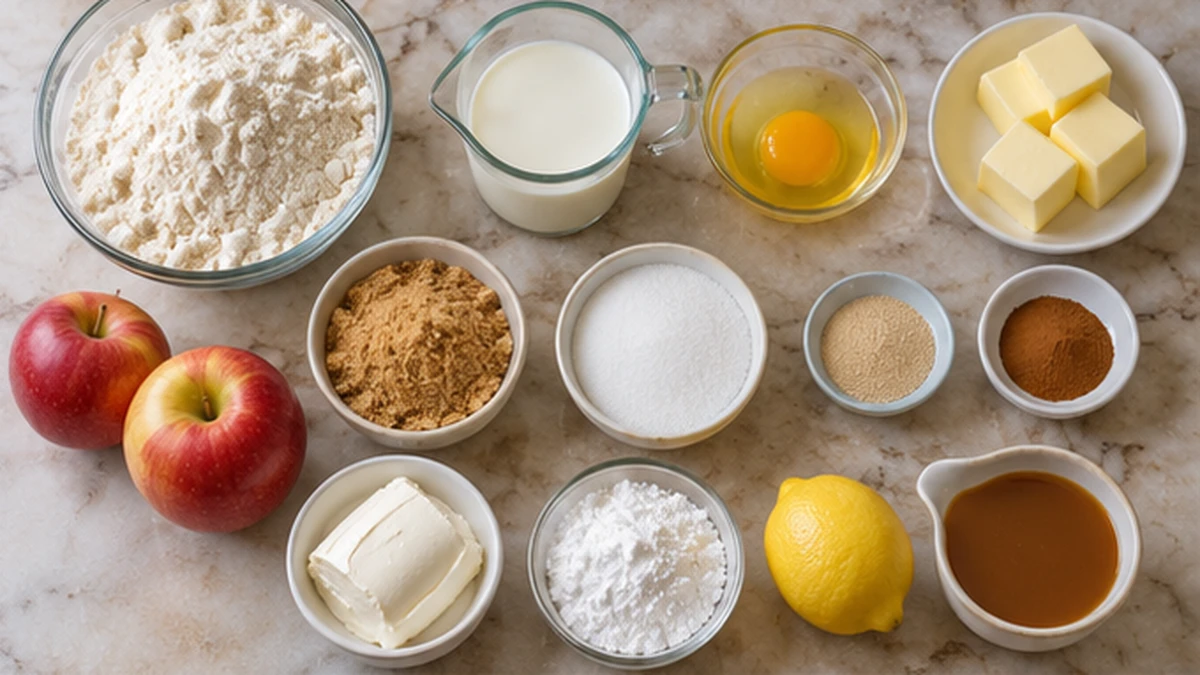
The recipe makes six generous rolls in a 9-inch square pan. Weigh the flour and sugars for repeatability. Use unsalted butter so the salt level stays predictable, and choose a prepared salted caramel dessert sauce that pours from a spoon. No additional caramel cooking is necessary.
For the yeast dough
Use 3 cups (360 g) all-purpose flour, 3/4 cup (180 ml) whole milk, 1/4 cup (50 g) granulated sugar, 2 1/4 teaspoons (7 g) instant yeast, 1 large egg, 4 tablespoons (56 g) softened unsalted butter and 3/4 teaspoon fine salt. Reserve a small portion of the measured flour for rolling if needed. Whole milk adds richness, while the egg and butter help keep the crumb tender. Instant yeast can go directly into the flour; it does not need a separate activation step.
For the cinnamon filling
Mix 1/2 cup (100 g) packed light brown sugar with 1 tablespoon ground cinnamon. Spread 3 tablespoons (42 g) softened unsalted butter over the dough before scattering the sugar mixture. The butter should be pliable, not melted into a puddle. Melted filling is harder to contain when the dough is rolled and can leak heavily into the pan.
For the apple compote
Peel and core two medium apples to obtain 300 g diced apple. Use firm sweet-tart apples such as Pink Lady or Honeycrisp. Add 1 tablespoon (14 g) unsalted butter, 2 tablespoons (25 g) packed brown sugar, 1 teaspoon ground cinnamon, 1 tablespoon lemon juice and 2 tablespoons water. Cut the fruit into roughly half-inch pieces so it softens evenly without disappearing into applesauce. Our apple cinnamon spoon cake is another way to use apples, but it bakes the fruit directly under a cake topping.
For the icing and caramel
Use 4 ounces (113 g) full-fat block cream cheese, 1/2 cup (60 g) powdered sugar and 1 tablespoon (15 ml) whole milk. Finish with 6 tablespoons (approximately 114 g) prepared salted caramel sauce, one tablespoon per roll. Check the sauce label for dietary suitability if needed. The cream cheese should be softened enough to beat smoothly, but not heated until liquid.
First Watch caramel apple cinnamon roll recipe card
Warm the 180 ml milk to about 100°F (38°C). Combine flour, yeast, granulated sugar and salt. Mix in warm milk and egg, then gradually knead in 56 g softened butter. Knead 8–10 minutes by hand or 6–8 minutes with a dough hook until smooth and elastic.
Cover and rise in a warm spot 60–90 minutes until roughly doubled.
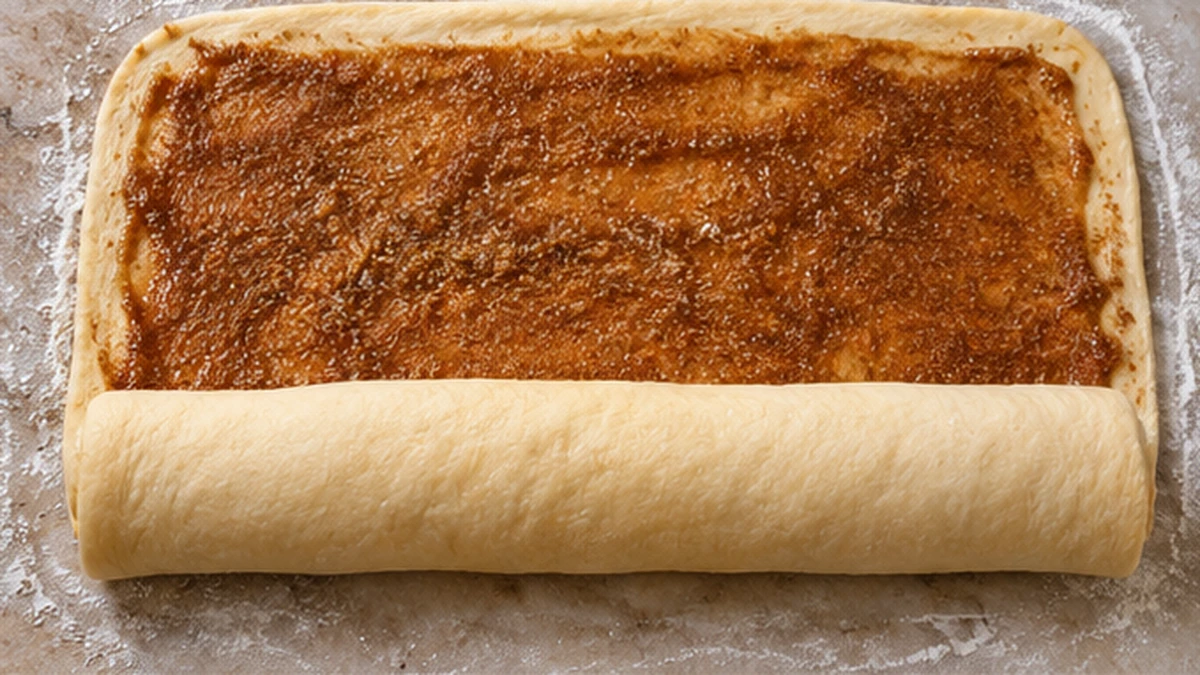
Roll dough into a 12-by-15-inch rectangle. Spread 42 g softened butter over it, leaving a half-inch border along one long edge. Mix 100 g brown sugar and 1 tablespoon cinnamon; scatter over butter. Roll from the opposite long edge into a 15-inch log, pinch seam and cut into six equal rolls.
Arrange cut-side up in a parchment-lined 9-inch square pan, cover and rise 35–55 minutes until puffy. Preheat oven to 350°F (177°C).
Bake 25–30 minutes until golden and the center bread reaches about 190°F (88°C). Rest 10 minutes.
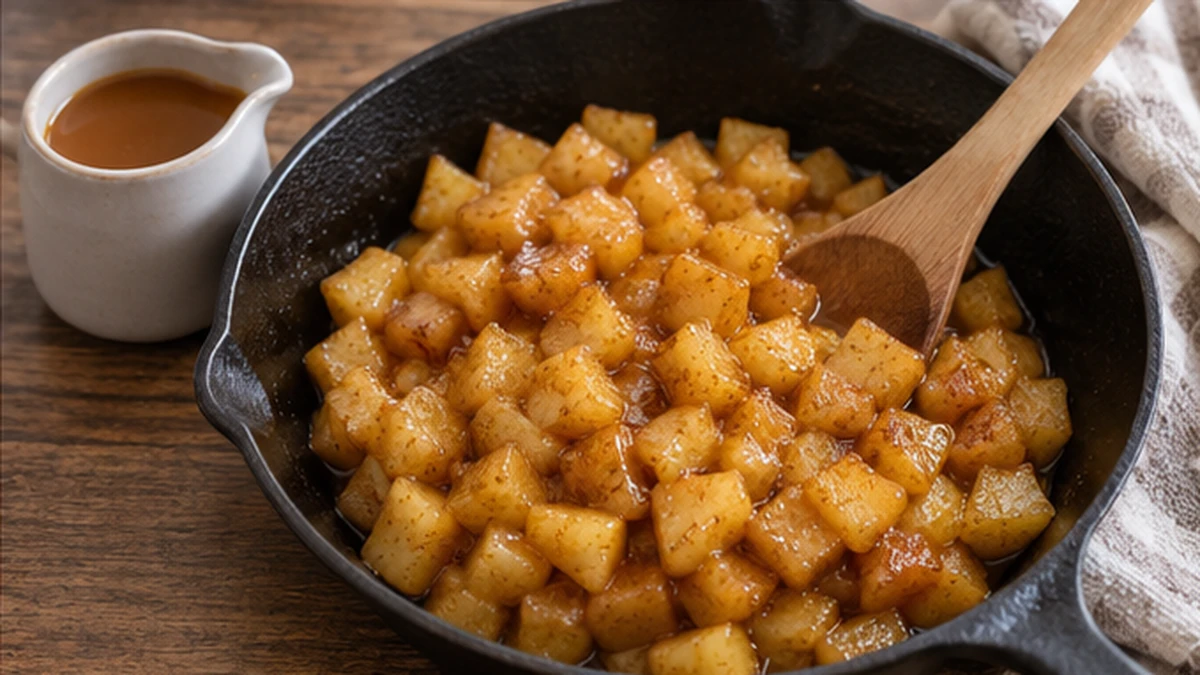
While rolls bake, melt 14 g butter in a skillet. Add apples, 25 g brown sugar, 1 teaspoon cinnamon, lemon juice and water. Cook uncovered over medium heat 8–12 minutes until tender and glossy. Cool slightly.
Beat cream cheese until smooth; mix in powdered sugar and 15 ml milk. Divide icing and compote among six warm rolls, then drizzle each with 1 tablespoon salted caramel sauce.
Notes
Independent inspired-by recipe; not a restaurant formula or a kitchen-tested match.
Allow about 3 hours 45 minutes total: 40 minutes active prep, 30 minutes cooking (compote overlaps baking), and up to 155 minutes rising and resting. Actual proofing varies.
Nutrition is a representative ingredient-based estimate for one of six rolls including all toppings, with an assumed caramel sauce label.
Refrigerate topped rolls within two hours; use within three days. Contains wheat, milk and egg. Choose a vegetarian caramel sauce.
Author:Adam Moretti
Prep Time:40 minutes
Cook Time:30 minutes
Category:Breakfast, Dessert
Method:Oven, Stovetop
Cuisine:American
Diet:Vegetarian (with vegetarian caramel sauce)
How to make the rolls step by step
1. Mix and knead the enriched dough
Warm the milk to approximately 100°F (38°C). Combine the flour, instant yeast, sugar and salt in a large bowl. Add the milk and egg and mix until a shaggy dough forms. Work in the softened butter a little at a time, then knead for 8 to 10 minutes by hand or about 6 to 8 minutes with a dough hook on low speed. The finished dough should be smooth, elastic and slightly tacky rather than dry. If it clings to the bowl initially, continue kneading before deciding whether it needs more flour.
A useful check is to stretch a small piece gently between your fingers. It should stretch into a thin membrane before tearing, although an enriched dough does not need to pass a perfect windowpane test. Avoid adding handfuls of flour to eliminate every trace of stickiness. Excess flour is one of the easiest ways to produce dense, dry rolls.
2. Allow the first rise
Cover the bowl and leave it in a comfortably warm, draft-free spot for about 60 to 90 minutes, until the dough is roughly doubled. The temperature of the kitchen affects the timing more than the clock does. A cold kitchen may need longer. Do not set the dough on a hot burner or inside an oven that is actively heating; excessive heat can damage the yeast and melt the butter out of the dough.
3. Roll and fill the dough
Gently deflate the dough and roll it into a rectangle about 12 by 15 inches. Spread the softened filling butter across the surface, leaving a half-inch border along one long edge. Scatter the cinnamon and brown sugar evenly. Starting from the opposite long edge, roll into a log about 15 inches long. Pinch the seam closed and divide the log into six pieces, each approximately 2 1/2 inches wide. Use a sharp serrated knife or plain unflavored dental floss to avoid crushing the spirals.
Place the rolls cut-side up in a parchment-lined 9-inch square pan. Arrange them in two rows of three with room to expand. A metal pan gives relatively quick, even heat transfer. If you use glass, watch the center closely and follow the pan manufacturer’s instructions about oven temperature and thermal shock.
4. Proof again and bake
Cover the pan and let the rolls rise for 35 to 55 minutes until noticeably puffy and almost touching. Preheat the oven to 350°F (177°C) near the end of this rise. Bake for 25 to 30 minutes, until the tops are golden and the center roll is cooked through. A thermometer inserted into the bread portion, rather than a pocket of melted sugar, should read around 190°F (88°C). If the tops darken before the middle sets, tent loosely with foil. Let the rolls stand for 10 minutes before icing.
5. Cook the spiced apple topping
While the rolls bake, melt the compote butter in a skillet over medium heat. Add the diced apples, brown sugar, cinnamon, lemon juice and water. Cook for 8 to 12 minutes, stirring occasionally, until the apples are tender but retain their shape and the liquid has reduced to a glossy coating. If the skillet dries before the apples soften, add a small splash of water. If the apples are tender but the liquid is still thin, simmer uncovered briefly. Let the compote cool slightly before serving.
6. Make the cream cheese icing and assemble
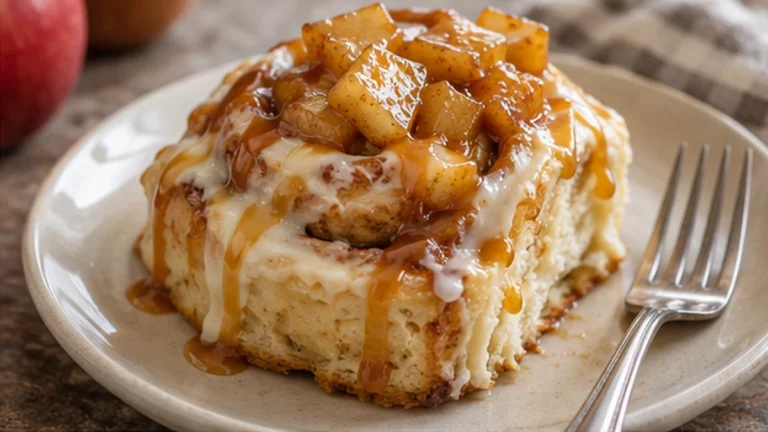
Beat the softened cream cheese until smooth, then mix in the powdered sugar and tablespoon of milk. The icing should spread easily without running straight off a roll. Divide it evenly among the six warm rolls, spoon one-sixth of the compote over each and finish with one tablespoon salted caramel sauce per serving. Warm the sauce gently according to its label if it is too thick to drizzle. The finished First Watch caramel apple cinnamon roll copycat should have visible apple pieces sitting above the icing, with caramel running over the top.
How to tell whether the dough is ready
Look at the dough rather than relying on a fixed proofing time. After the first rise it should look inflated and feel lighter. During the second rise the cut spirals should expand visibly. If a lightly floured fingertip leaves an indentation that returns slowly, the rolls are generally ready for the oven. If the indentation springs back immediately, give them more time. If the dough collapses easily, it may be overproofed; bake promptly rather than allowing it to sit longer.
The center roll is the best place to check doneness because it is surrounded by other rolls and receives less direct heat from the pan. A browned edge alone does not guarantee that the center has baked. The bread should look set when gently pulled apart, with soft layers rather than sticky raw dough. Do not taste unbaked dough: both raw flour and raw egg can carry harmful bacteria.
Troubleshooting the apple cinnamon rolls
Why did the rolls turn out dense?
Dense rolls usually come from insufficient kneading, too much flour, inactive yeast or a rise that was cut short. Check the yeast expiration date and avoid overheating the milk. Weigh the flour, let the dough develop elasticity, and give it enough time to become visibly puffy. A sweet enriched dough rises more slowly than a plain flour-and-water bread.
Why is the apple topping watery?
Different apples release different amounts of juice. Cook the compote uncovered in a wide skillet so steam can escape. The topping should mound on a spoon rather than run like juice. Do not add it to the raw dough to solve this problem: that would change the intended First Watch caramel apple cinnamon roll structure and could make the spiral gummy.
Why did the icing disappear?
A roll fresh from the oven is hot enough to melt cream cheese icing. Wait about ten minutes so the icing softens against the warm bread but retains a visible white layer. If the cream cheese is lumpy, beat it by itself before adding sugar or milk. Avoid adding extra milk until you have mixed in all the powdered sugar.
Ingredient substitutions and shortcuts
You can use refrigerated cinnamon rolls for a shorter assembly project, following the package baking directions and keeping the homemade compote, cream cheese icing and salted caramel. The yield and nutrition below apply only to the scratch dough. Active dry yeast can replace instant yeast by weight; dissolve it in the warm milk with a little of the measured sugar before mixing and allow extra rising time if needed.
A firm Granny Smith apple gives a sharper contrast to the caramel. If using a sweeter apple, keep the lemon juice for balance. A thin caramel coffee syrup is not a direct replacement for thick dessert sauce, because it may soak into the bread instead of coating the apples. Regular caramel dessert sauce with a small pinch of fine salt is a reasonable alternative.
This recipe contains wheat, milk and egg. A one-to-one gluten-free flour blend is not a reliable direct replacement in this yeast dough; it needs a separately formulated recipe. For guests avoiding wheat, consider the gluten-free apple cider donut bread instead. The rolls are not low-carb or high-protein.
Make ahead, storage and reheating
For an overnight brunch, shape the rolls and place them in the pan, cover tightly and refrigerate before the second rise for up to about 12 hours. The next morning, allow them to become visibly puffy at room temperature before baking. This may take 60 to 90 minutes, depending on how cold the dough is. The apple compote and icing can be made the previous day and refrigerated in separate covered containers.
Refrigerate assembled rolls within two hours and keep at 40°F (4°C) or colder. Use within three days. The Minnesota Department of Agriculture guidance on cream cheese frosting explains why a topping can change the refrigeration requirements of an otherwise shelf-stable baked good. For best texture, store the bread, apples, icing and caramel separately whenever practical.
Freeze fully cooled, unfrosted rolls in an airtight bag for up to two months for best quality. Thaw in the refrigerator overnight, then warm the plain bread in a 300°F oven for about 8 to 12 minutes before topping. Reheat the apples separately until hot and let them cool slightly before assembly. Do not repeatedly warm and chill the entire batch.
What to serve with caramel apple cinnamon rolls
These large rolls work best as the sweet centerpiece of brunch rather than as a light everyday breakfast. Serve with unsweetened coffee, tea or a smaller savory dish. For a coffee-shop-style pairing, try the brown sugar cookie shaken espresso, using less sweetener if desired. For a festive apple-themed table, the snowy apple drink and caramel apple bark offer different textures and serving formats.
If guests prefer a breakfast that can be prepared without baking, our apple peanut butter chia pudding offers another use for cinnamon and fresh apple. Browse the recipe collection for more savory options to round out the table.
Nutrition and portion size
Nutrition is estimated per one of six large rolls, including the complete icing, compote and one tablespoon of caramel. Values are based on representative generic ingredient composition from USDA FoodData Central and an assumed dessert sauce label of about 60 calories per 19 g. The exact caramel brand, apple weight and dairy products will change the numbers. This is a sweet bakery-style treat, not a reduced-sugar or high-protein adaptation. Sharing one roll between two people halves the estimated values.
FAQs about First Watch Caramel Apple Cinnamon Roll
Is this the official First Watch caramel apple cinnamon roll recipe?
No. The restaurant has publicly described the components, but the dough, measurements, timings and topping proportions here are an independent home adaptation. It is not affiliated with or endorsed by First Watch.
When is the restaurant version available?
The 2026 holiday offering was announced for October 27 through January 4, 2027, with location exceptions. Check the First Watch menu for current availability. You can make the homemade version throughout the year.
Can I put apples inside the rolls?
You can develop a different apple-filled roll, but this recipe deliberately puts the cooked apples on top. Doing so keeps the bread spiral dry enough to bake evenly and follows the publicly described presentation more closely.
Can I make smaller rolls?
Yes. Divide the same log into nine equal pieces instead of six and arrange them in the pan with room for expansion. Begin checking the bake a few minutes earlier. Divide all toppings into nine portions and recalculate the nutrition per roll.
Final tips
For a successful First Watch caramel apple cinnamon roll copycat, prioritize a properly risen dough, a thick apple compote and a brief cooling period before icing. Keep the toppings separate until serving if making the rolls ahead. The three finishing layers should remain distinct: white cream cheese icing, tender cinnamon apples and a ribbon of salted caramel.