These school lunch ideas for picky eaters are built around one practical goal: pack a lunch that feels familiar enough to eat, but flexible enough to include fruit, vegetables, grains, protein foods, and dairy or fortified alternatives over the course of the day. You do not need a perfect bento box or a brand-new menu every morning. Simple combinations often work best.
The guide below gives you 25 mix-and-match lunch ideas, a repeatable lunchbox formula, make-ahead tips, food-safety guidance, and one easy turkey-and-cheese pinwheel lunchbox you can use as a starting point. The approach is intentionally low-pressure: familiar foods stay in the box, while new foods can be offered in small amounts without turning lunch into a test.
Table of Contents
Why School Lunch Ideas for Picky Eaters Work Better When They Stay Predictable
Selective eating is common in childhood, and pressure usually does not make new foods more appealing. The American Academy of Pediatrics recommends offering a variety of nutritious foods, including at least one food a child already likes, while allowing the child to decide what and how much to eat. Repeated, low-pressure exposure can help unfamiliar foods become more acceptable over time.
For school lunch, predictability matters even more because the eating window can be short and the environment may be noisy or distracting. A practical lunchbox can keep the main item familiar, add one or two dependable sides, and include a very small “learning food” only when that fits the child. The goal is not to force bites or reward eating; it is to make the lunch easy to recognize and easy to manage.
A Simple Lunchbox Formula
Main: sandwich, wrap, quesadilla, pasta, rice, eggs, or another familiar base.
Protein food: turkey, chicken, cheese, yogurt, eggs, beans, hummus, tofu, or another accepted option.
Fruit or vegetable: choose a texture the child already tolerates, such as apple slices, berries, cucumber, carrots, or applesauce.
Crunchy or fun side: crackers, pretzels, popcorn for older children, a muffin, or another simple item.
Optional learning food: one very small portion of something less familiar, served without pressure.
USDA MyPlate encourages variety across fruits, vegetables, grains, protein foods, and dairy or fortified soy alternatives during the day. A single lunch does not have to contain every food group in a textbook arrangement, but this formula makes it easier to build a useful mix without overcomplicating the box.
25 School Lunch Ideas for Picky Eaters
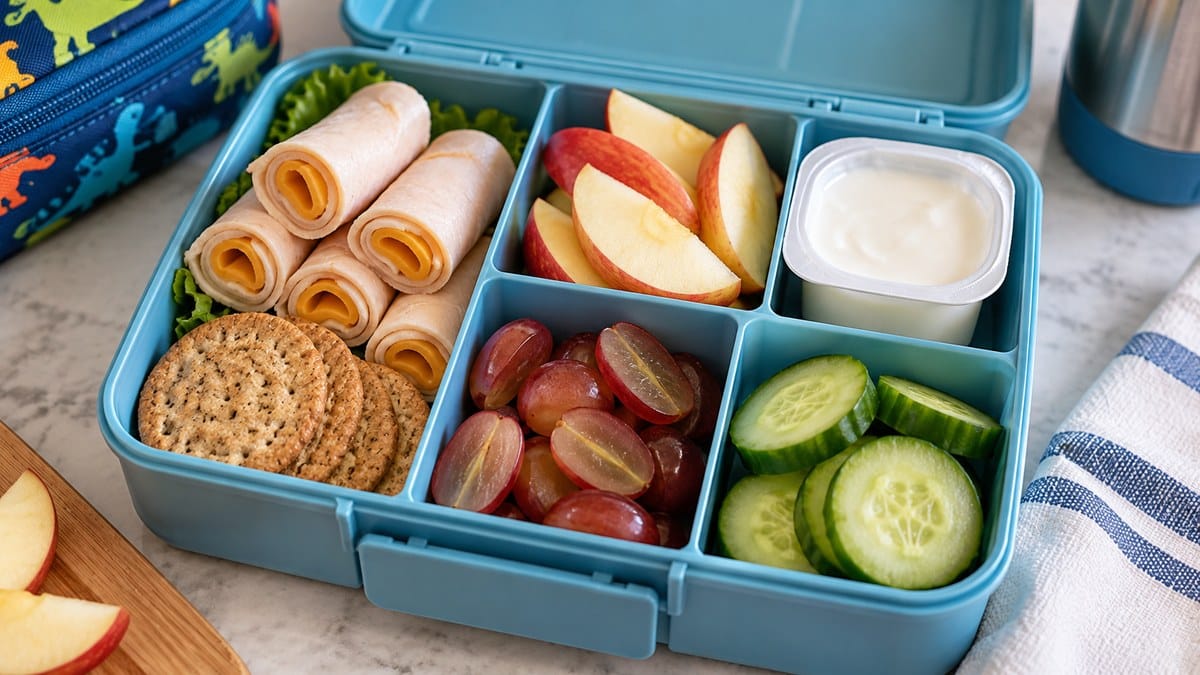
1. Turkey and Cheese Roll-Ups
Layer sliced turkey and cheddar, roll them tightly, and serve with crackers, apple wedges, and cucumber slices. This is useful for kids who like sandwich fillings but dislike bread.
2. Peanut Butter or Sunflower Butter Sandwich
Use the spread your school allows, cut the sandwich into halves or small squares, and add banana slices or applesauce. Sunflower seed butter is a common nut-free alternative when school rules restrict peanuts or tree nuts.
3. Plain Cheese Quesadilla Wedges
Fold shredded cheese into a tortilla, warm it until melted, cool it before packing, and cut it into wedges. Pack salsa or a mild dip separately only if your child already likes it.
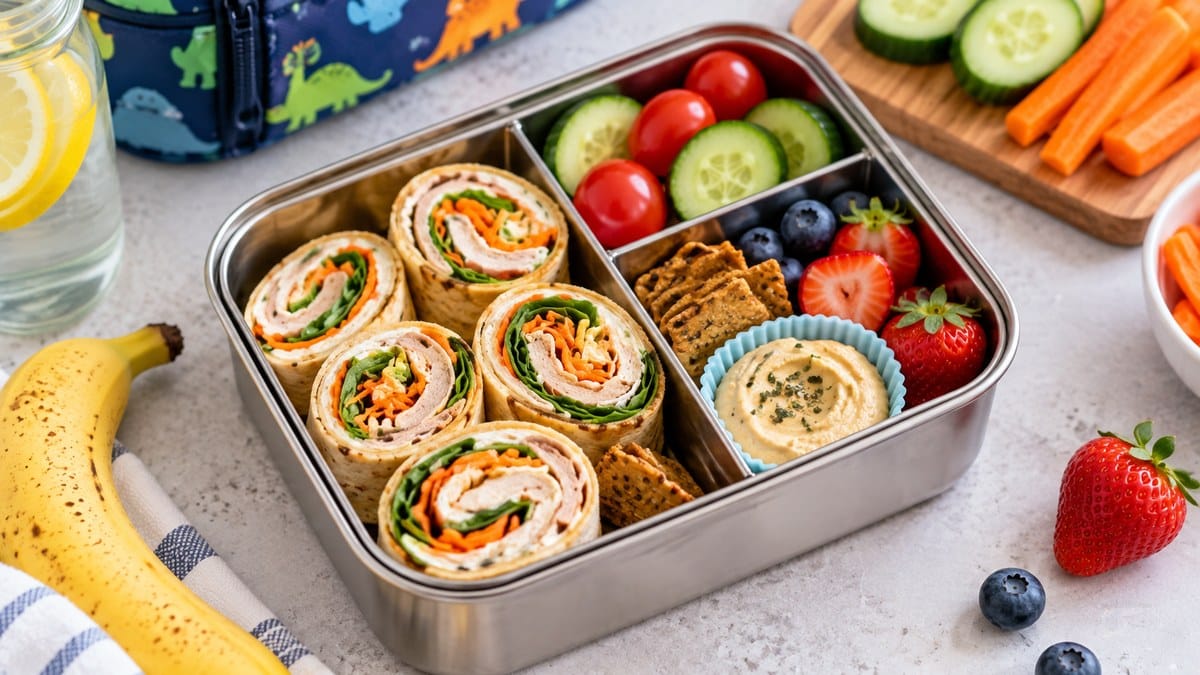
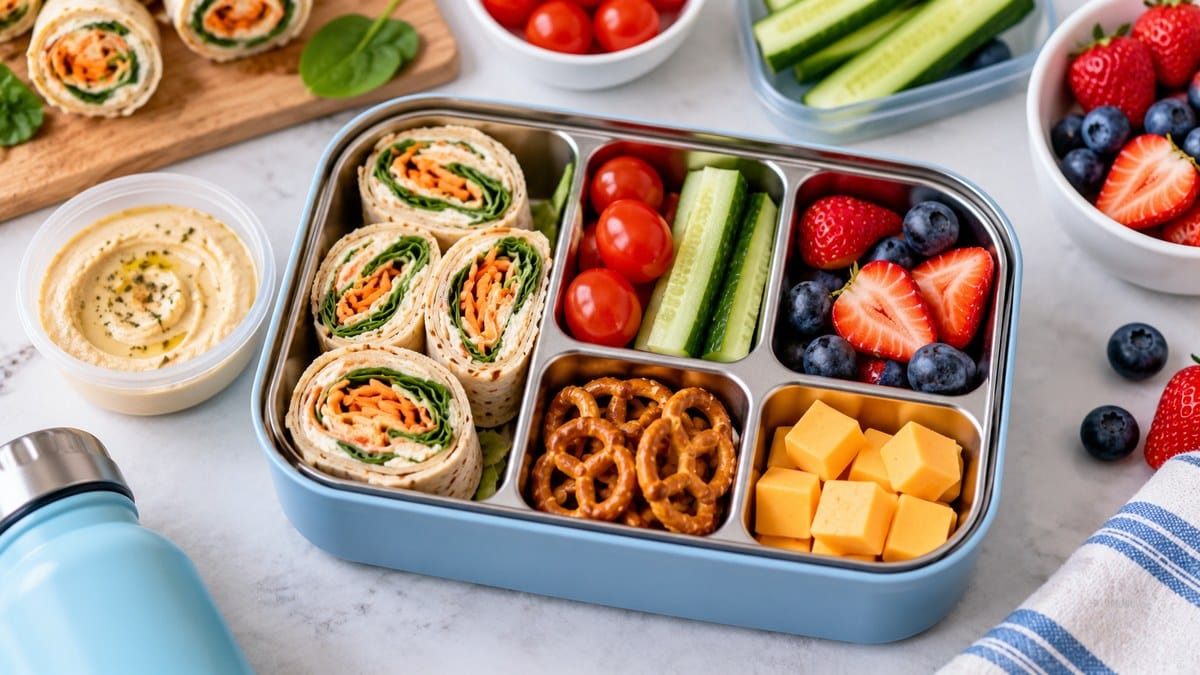
4. Turkey and Cheese Pinwheel Lunchbox
Spread a tortilla lightly with cream cheese, layer turkey, cheddar, spinach, and shredded carrot, then roll and slice. The complete version appears in the recipe card below.
5. Hummus, Pita, and Crunchy Sides
Pack pita triangles with hummus, cucumber rounds, carrots, and a fruit your child accepts. Keep the hummus cold with the rest of the perishable lunch.
6. Mini Bagel with Cream Cheese
A plain or whole-grain mini bagel can be easier to manage than a large sandwich. Pair it with berries and a simple protein side such as yogurt or a hard-boiled egg.
7. Crackers, Cheese, and Turkey Box
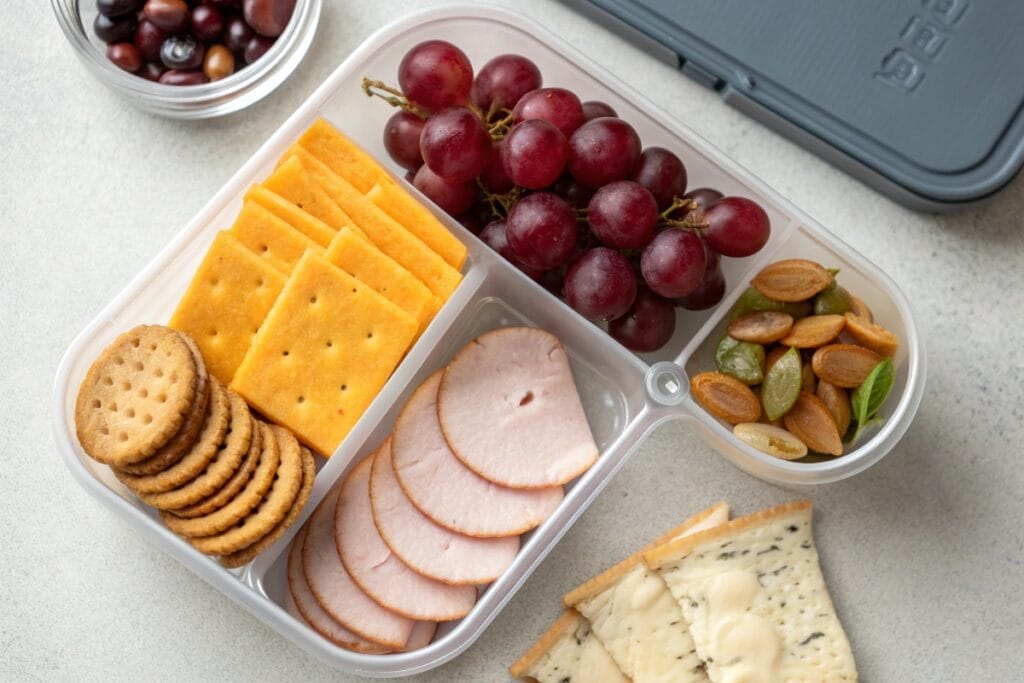
Turn familiar snack foods into a lunch by packing crackers, sliced cheese, turkey, grapes, and cucumber in separate compartments. Keeping textures separate can make the box feel more predictable.
8. Cold Pasta with Butter or Olive Oil
Pack cooked pasta with a small amount of butter or olive oil and mild seasoning. Add cheese cubes and fruit on the side rather than mixing everything together if mixed textures are unpopular.
9. Mac and Cheese in a Thermos
Preheat an insulated food jar according to the manufacturer’s instructions, then add piping-hot mac and cheese. Pack fruit or crackers separately for contrast.
10. Rice and Chicken Thermos Lunch
Pack warm rice with small pieces of cooked chicken in an insulated food jar. Keep sauces optional so the child can decide whether to add them.
11. Breakfast-for-Lunch Pancake Box
Pack mini pancakes with yogurt or nut/seed butter for dipping, plus berries or banana. A breakfast-style lunch can feel familiar even when sandwiches are rejected.
12. Egg and Cracker Lunchbox
Pack a peeled hard-boiled egg with crackers, cheese, fruit, and cucumber. Keep the egg cold and use an insulated lunch bag with cold sources.
13. Yogurt Parfait Components
Pack yogurt in a leakproof container with berries and a separate container of granola or cereal. Letting the child combine the parts can reduce the problem of soggy textures.
14. Plain Chicken and Crackers
Use chilled, bite-size cooked chicken with crackers and fruit. A mild dip can be packed separately for kids who enjoy dipping but skipped for those who prefer plain foods.
15. Bean and Cheese Tortilla Roll
Spread mashed beans and a little shredded cheese on a tortilla, roll it, and slice into pinwheels. Serve with mild fruit or vegetable sides.
16. Mini Muffin Lunchbox
Pair a homemade muffin with cheese, yogurt, fruit, and a few crackers. The muffin can act as the familiar anchor while the other compartments provide variety.
17. Plain Fried Rice
Use lightly seasoned rice with egg and a small amount of peas or carrots if accepted. If mixed-in vegetables cause rejection, keep the rice plain and serve produce separately.
18. Cheese and Fruit Snack Plate
Pack cheese cubes, crackers, apple slices, berries, and a simple dip. Snack-plate lunches are especially useful for children who prefer several small items over one large main dish.
19. Turkey Sandwich with Components Separated
If assembled sandwiches come home untouched, pack bread, turkey, and cheese in separate compartments. The child can eat them separately or build the sandwich at lunch.
20. Sunflower Butter Banana Roll-Up
Spread sunflower seed butter on a tortilla, add banana, roll tightly, and slice. Confirm the school’s allergy policy before sending seed or nut products.
21. Cold Cheese Pizza Squares
Pack small pieces of plain cheese pizza that the child already likes, along with fruit and crunchy vegetables. Keep the pizza cold if it contains perishable toppings or cheese.
22. Cottage Cheese and Crackers
For kids who already like cottage cheese, pack it cold in a leakproof container with crackers and fruit. Do not use this as a “new food challenge” in a busy school lunch if the texture is unfamiliar.
23. Tortilla Chips with Mild Bean Dip
Pack plain tortilla chips with a mild bean dip or refried beans in a separate cup, plus fruit and cheese. This keeps dipping optional and the textures distinct.
24. Simple Pasta Salad, Deconstructed
Pack plain pasta, cheese cubes, cucumber, and turkey in separate sections rather than tossing them with dressing. The same foods can feel easier to approach when they are not mixed.
25. Leftover Favorite Dinner in a Thermos
If a child reliably eats a familiar dinner such as rice, pasta, soup, or stew, a properly heated insulated food jar can turn that favorite into an easy school lunch the next day.
Easy Turkey and Cheese Pinwheel Lunchbox
This pinwheel lunchbox is the featured recipe because it uses familiar ingredients, keeps textures distinct, and can be assembled in about 10 minutes. If turkey or cheese is not a preferred food, use the same lunchbox structure with another accepted filling rather than forcing a substitute.
An easy no-cook school lunchbox with turkey-and-cheese tortilla pinwheels, fruit, cucumber, and crackers.
Total Time:10 minutes
Yield:1 lunchbox
Ingredients
Scale
1 (8-inch) whole-wheat tortilla
1 tablespoon plain cream cheese
2 ounces lower-sodium sliced turkey
1 slice cheddar cheese (about 3/4 ounce)
1/4 cup baby spinach
1/4 cup finely shredded carrot
1/2 cup seedless grapes, cut in an age-appropriate way
1/2 cup cucumber slices
3/4 ounce whole-grain crackers
Instructions
Lay the tortilla flat and spread the cream cheese in a thin, even layer, leaving about 1/2 inch uncovered around the edge.
Layer the turkey, cheddar, spinach, and shredded carrot over the cream cheese. Keep the filling in a thin layer so the tortilla rolls tightly.
Roll the tortilla firmly into a log. Slice into 5 to 6 pinwheels with a sharp knife.
Pack the pinwheels in one lunchbox compartment. Add the grapes, cucumber, and crackers in separate sections.
Keep the lunchbox refrigerated until packing. For school, place it in an insulated lunch bag with at least two cold sources around the perishable foods.
Notes
Check the school allergy policy before packing foods that contain peanuts, tree nuts, seeds, dairy, or other restricted allergens.
USDA FSIS recommends at least two cold sources for a packed lunch containing perishable foods.
Prepare grapes and other firm round foods in an age-appropriate way for younger children.
Nutrition is an estimate based on one 8-inch whole-wheat tortilla, lower-sodium turkey, cheddar, cream cheese, produce, and 3/4 ounce crackers; brands vary.
Author:Adam Moretti
Prep Time:10 minutes
Cook Time:0 minutes
Category:Lunch
Method:No Cook
Cuisine:American
Diet:Omnivore
How to Pack the Lunchbox
1. Start with the familiar main
Pack the food that is most likely to be eaten first. That might be pinwheels, a quesadilla, crackers and cheese, pasta, or another familiar item. Starting with the dependable part of lunch keeps the box recognizable.
2. Add one fruit and one easy side
Choose fruit in a familiar form: apple wedges, berries, banana, grapes prepared in an age-appropriate way, or an unsweetened fruit cup. Add crackers, cucumbers, cheese, or another low-effort side.
3. Keep mixed textures optional
Use small compartments or containers if foods touching each other causes problems. Dips, sauces, granola, and wet ingredients can stay separate until the child decides to combine them.
4. Keep portions realistic
A lunchbox does not need to be packed to the lid. Large portions can make a meal look more demanding. Start with amounts that match what the child usually eats at home and adjust over time based on what reliably comes back uneaten.
5. Ask for simple feedback
Instead of asking whether the lunch was “good” or “bad,” ask which item was easiest to eat, which texture worked, and whether anything was hard to open or too cold. Practical feedback helps you improve the next lunch without turning food into a performance.
Food Safety for Packed School Lunches
Perishable foods such as deli meat, cheese, yogurt, eggs, cooked chicken, and cut produce need temperature control. USDA Food Safety and Inspection Service guidance says to use at least two cold sources in an insulated bag for a cold packed lunch, such as two frozen gel packs or a frozen gel pack plus a frozen water bottle or juice box. Place cold sources around the perishable food.
For hot foods such as soup, rice, pasta, chili, or mac and cheese, use an insulated food container designed to hold food hot and follow the manufacturer’s directions. The USDA also recommends using an insulated container for hot lunches rather than letting cooked food sit warm in a regular lunchbox for hours.
Check your school’s allergy policy before packing peanuts, tree nuts, seed butters, or other restricted foods. For younger children, prepare foods in an age-appropriate way. Whole grapes, popcorn, nuts, hard raw vegetables, and large chunks of meat or cheese can be choking hazards for younger children, so follow pediatric guidance for cutting and serving.
How to Introduce New Foods Without Turning Lunch Into a Battle
The American Academy of Pediatrics recommends a low-pressure approach to picky eating. One useful pattern is to include at least one familiar food, continue offering a variety over time, and let the child decide what and how much to eat from what is offered. Some foods may need many exposures before they become accepted.
School lunch is often not the best place for a large portion of a completely unfamiliar food. If you want to include something new, use a very small portion next to foods the child already accepts. That keeps the lunch practical while still giving the new item a chance to become familiar.
Offer a tiny portion instead of replacing the familiar main item.
Avoid bargaining, pressure, or requiring a “clean plate.”
Repeat foods in different weeks rather than expecting immediate acceptance.
Let the child help choose between two reasonable lunch options.
Use home meals for more relaxed food exploration when possible.
Make-Ahead Tips for Busy School Mornings
Prep produce: wash and dry sturdy fruit and vegetables ahead, then portion them as needed.
Make pinwheels the night before: wrap the whole roll tightly, refrigerate it, and slice in the morning for cleaner cuts.
Freeze cold sources: keep gel packs or a water bottle ready so the lunch can be packed safely.
Repeat successful combinations: a lunch that works on Monday can appear again later in the week.
Use a short rotation: keeping five to eight dependable lunch combinations reduces decision fatigue without requiring the exact same meal every day.
For another fast family option, the site’s 5 Ingredient Kids Meals page can help with simple dinner or lunch ideas. If your child likes dips, the Chipotle Adobo Ranch can be made milder by reducing the chipotle, though a plain ranch or yogurt dip may be a better fit for children who prefer mild flavors.
FAQ about School Lunch Ideas for Picky Eaters
What are the easiest school lunch ideas for picky eaters?
Start with foods the child already eats reliably: simple sandwiches, crackers and cheese, plain pasta, quesadillas, yogurt, fruit, or a familiar thermos meal. Keep unfamiliar foods optional and small.
What can I pack if my child does not like sandwiches?
Try pinwheels, snack boxes, quesadilla wedges, mini bagels, pasta, rice, hard-boiled eggs, yogurt-and-granola components, pancakes, or a hot thermos meal. A school lunch does not need to be sandwich-based.
Can I pack deli meat, cheese, yogurt, or eggs without an ice pack?
These foods are perishable and should be kept cold. USDA FSIS recommends an insulated lunch bag with at least two cold sources for perishable packed lunches.
How much variety should I pack?
Variety across the week matters more than making every lunch completely different. Repeating familiar foods is useful, especially when the child eats them reliably. You can rotate one fruit, one crunchy side, or one small learning food while keeping the main item familiar.
When should picky eating be discussed with a pediatrician?
If selective eating is affecting growth, nutrition, energy, swallowing, or everyday functioning, or if the range of accepted foods becomes very limited, discuss it with the child’s pediatrician or another qualified clinician. This article is general lunch-planning guidance, not a diagnosis or feeding treatment plan.
Final Tips
The most useful school lunch ideas for picky eaters are the ones a family can repeat without stress. Keep the main food familiar, pack manageable portions, use separate compartments when that helps, and rotate sides slowly. A lunchbox does not have to look impressive to be successful.
Most importantly, keep food safety separate from food preference. Perishable foods still need cold sources even if they are familiar favorites, and hot foods need a proper insulated container. Once those basics are covered, you can focus on making lunch simple, predictable, and easy to eat.