

This spotted dick recipe gives you a tender, old-fashioned British steamed pudding dotted with juicy currants and raisins and served with a quick vanilla custard. Traditionally, spotted dick is a suet-based sponge pudding with dried fruit “spots,” steamed until fluffy and then drowned in warm custard.:contentReference[oaicite:0]{index=0} Here, you still get the cozy flavor of lemon, vanilla, and dried fruit, but with clear measurements and a few small tweaks so home cooks can make it a bit lighter if they want. It is perfect for holiday dinners, cold-weather weekends, or anytime you want a nostalgic dessert that feels special without being complicated.
Quick Recipe Snapshot
- Prep time: 25 minutes
- Cook time: 1 hour 15 minutes
- Total time: About 1 hour 40 minutes
- Servings: 8
- Difficulty: Medium (mostly hands-off steaming)
- Diet type: Vegetarian (if you use vegetable suet; contains gluten and dairy)
You’ll find a printable recipe card with exact measurements and nutrition details at the end of this post.
Table of Contents
Ingredients for This Spotted Dick Recipe
For the Spotted Dick Pudding
- 1 1/2 cups (180 g) self-rising flour
- 1/3 cup (70 g) granulated sugar
- 1/3 cup (70 g) shredded suet or very cold grated unsalted butter
- 3/4 cup (110 g) currants or raisins (or a mix)
- 1/4 teaspoon fine sea salt
- Finely grated zest of 1 lemon
- 2/3 cup (160 ml) whole milk, plus 1–2 tablespoons extra if needed
- Butter (for greasing the pudding basin)
For the Quick Vanilla Custard
- 1 1/2 cups (360 ml) whole milk
- 1/2 cup (120 ml) heavy cream
- 3 large egg yolks
- 1/4 cup (50 g) granulated sugar
- 1 1/2 teaspoons vanilla extract
- Pinch of salt
Equipment
- 1.5–2 quart (1.5–2 liter) heatproof pudding basin or deep bowl
- Large pot or Dutch oven with lid (big enough to hold the basin)
- Heatproof plate or canning ring (to raise the basin off the bottom)
- Foil and parchment paper
- Kitchen string
Step-by-Step Instructions
- Prep the steamer. Place a heatproof plate or canning ring in the bottom of a large pot or Dutch oven. Add hot water until it reaches about 1–2 inches (2.5–5 cm) up the sides, but not above the top of the plate. Cover the pot and bring the water to a gentle simmer while you assemble the spotted dick recipe.
- Grease the pudding basin. Generously butter the inside of your pudding basin or heatproof bowl. This helps the steamed pudding release cleanly after cooking.
- Combine dry ingredients. In a large mixing bowl, whisk together the self-rising flour, sugar, and salt. Add the suet or grated butter and rub it into the flour with your fingertips until the mixture looks like coarse crumbs.
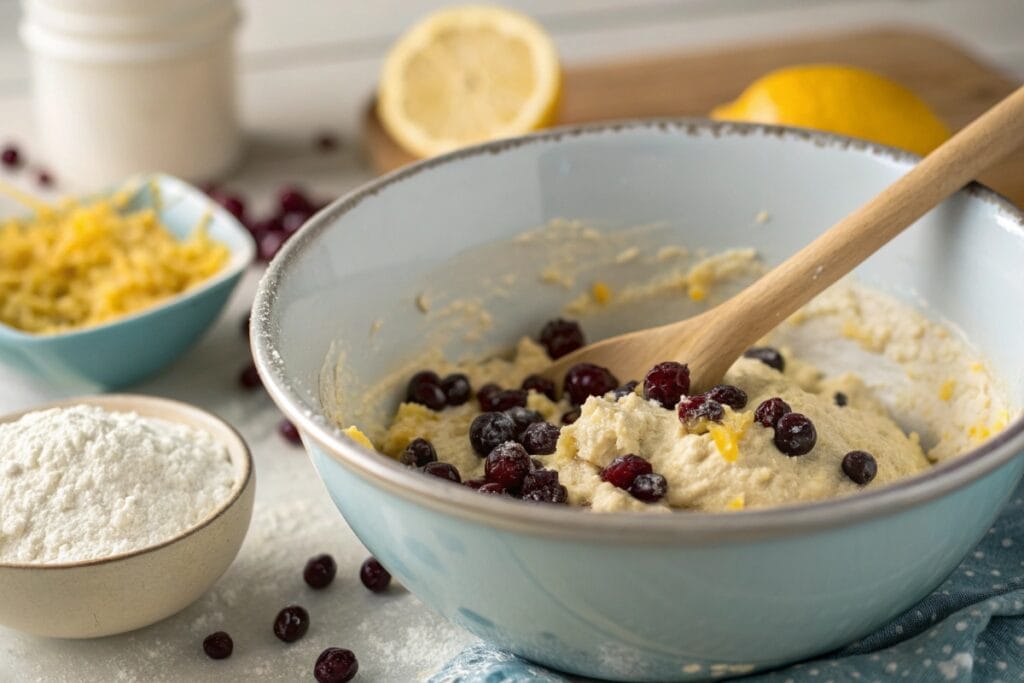
- Add fruit and lemon zest. Stir in the currants or raisins and the finely grated lemon zest. The dried fruit gives the “spotted” look and bursts of sweetness that make this spotted dick recipe so recognizable.:contentReference[oaicite:1]{index=1}
- Stir in the milk. Pour in most of the milk and stir gently with a spoon until a soft, thick batter forms. Add the remaining milk a tablespoon at a time if the batter feels too stiff. It should be thicker than cake batter but still drop from the spoon.
- Fill the basin. Spoon the pudding mixture into the prepared basin and smooth the top. Leave at least 1 inch (2.5 cm) of space at the top for the pudding to expand as it steams.
- Cover the pudding. Cut a circle of parchment paper slightly larger than the top of the basin and butter one side. Place it buttered side down over the batter. Cover with a layer of foil and crimp tightly around the rim of the basin. Tie kitchen string around the rim to secure and make a handle if needed so you can lift it easily.
- Steam the spotted dick pudding. Carefully set the covered basin onto the plate or ring inside the pot. The water should come halfway up the sides of the basin; add more hot water if needed. Cover the pot with the lid and steam gently for about 1 hour 15 minutes, checking occasionally and topping up with hot water so the pot never boils dry.
- Make the custard near the end of steaming. When the pudding has about 20 minutes left, heat the milk and cream in a small saucepan over medium-low heat until hot but not boiling. In a separate bowl, whisk the egg yolks, sugar, salt, and vanilla until smooth. Slowly pour the warm milk mixture into the yolks while whisking constantly, then return everything to the saucepan. Cook over low heat, stirring, until the custard thickens enough to coat the back of a spoon. Do not let it boil. Remove from heat and keep warm.
- Test for doneness. Remove the pudding basin from the pot using oven mitts and carefully unwrap a corner of the foil and parchment. Insert a skewer into the center. If it comes out clean or with just a few moist crumbs, the spotted dick recipe is done. If the batter still looks wet, reseal and steam for another 10–15 minutes.
- Turn out the pudding. Once cooked, let the pudding rest in the basin for 5 minutes. Then run a thin knife around the edge, invert a warm serving plate over the basin, and flip carefully. Lift off the basin; the pudding should release in a domed shape with “spots” of fruit visible.
- Serve with custard. Slice the warm pudding into wedges and ladle the vanilla custard over each portion. Serve immediately for the best texture and flavor.
Tips & Variations
- Make a slightly lighter version. To trim the richness a bit, use half suet and half grated butter, or swap some whole milk in the custard for extra milk instead of cream. Portioning the spotted dick recipe into 8 smaller slices also helps keep calories in check while still feeling indulgent.
- Try an all-butter spotted dick. If you cannot find suet, use all cold grated butter. Traditional spotted dick uses suet for a particular texture, but many modern recipes successfully replace it with butter.:contentReference[oaicite:2]{index=2}
- Add warm spices. For a more Christmas pudding–style vibe, add a pinch of ground cinnamon or mixed spice to the batter along with the lemon zest. Christmas puddings usually include dried fruit, suet, breadcrumbs, flour, eggs, and a mix of warm spices, often with a splash of alcohol.:contentReference[oaicite:3]{index=3}
- Use different dried fruits. Swap part of the currants for chopped dried apricots or golden raisins for a twist. Just keep the total amount of dried fruit about the same so the texture stays balanced.
- Make ahead and reheat. You can steam the pudding earlier in the day, let it cool, and then re-steam for 20–30 minutes before serving. This makes the spotted dick recipe easier to serve at a dinner party.

Serving Suggestions
Spotted dick tastes best warm, sliced thick and topped with plenty of custard. However, you can easily dress it up or down depending on the occasion.
- Classic presentation: Serve slices on warm plates with a generous pour of vanilla custard. This keeps the pudding moist and highlights the lemon and dried fruit flavor.
- Holiday dessert: Pair this spotted dick recipe with a side of air fryer candied cranberries or a spoonful of popping cranberries for a bright, tart contrast.
- Cozy dessert board: Add small wedges of pudding to a dessert board alongside squares of dark chocolate and little bowls of nuts or a batch of hot honey popcorn for a movie night.
- Leftover breakfast treat: Enjoy a thin slice of leftover spotted dick warmed in the microwave and served with a spoonful of Greek yogurt instead of custard for a more balanced breakfast.
- For different diets: If you cook for friends who need plant-based options, serve this along with something from your favorite vegan dessert recipes collection so everyone has a dessert they can enjoy.
Storage & Reheating
- Room temperature: If you plan to serve the pudding within a few hours, you can leave it covered at room temperature, then reheat gently before serving.
- Refrigerator: Store leftover spotted dick in an airtight container in the fridge for up to 3 days. Store custard separately, also tightly covered.
- Freezer: Wrap individual slices of pudding tightly in plastic wrap and then foil, or store in freezer-safe containers for up to 2 months. Thaw overnight in the fridge before reheating.
- Reheating pudding: Reheat slices in the microwave for 20–30 seconds at a time until warm, or wrap in foil and warm in a 300°F (150°C) oven for 10–15 minutes.
- Reheating custard: Warm custard gently in a small saucepan over low heat, stirring constantly, until just hot. Do not boil or it may curdle.
Nutrition Highlights
Approximate per serving (1/8 of pudding plus a modest serving of custard):
- Calories: ~320
- Protein: ~6 g
- Carbohydrates: ~50 g
- Fat: ~10 g
- Fiber: ~1–2 g
- Sugar: ~28 g
Traditional steamed puddings like spotted dick are rich, higher-calorie desserts because they combine flour, sugar, suet or butter, and dried fruit. Typical commercial versions land around 280–340 calories per 100 g with a mix of carbs and fat and a modest amount of protein.:contentReference[oaicite:4]{index=4} This lighter spotted dick recipe keeps the ingredients similar but uses clear portions and an at-home custard so you can decide how much sauce to pour. For a deeper dive into how classic British puddings like this one work and where they come from, you can read this overview of the dessert’s history and name from Food Republic.:contentReference[oaicite:5]{index=5}
Why This Recipe Matters to Me
The first time I tasted spotted dick, it was at a small pub that served desserts in old-fashioned pudding basins, with custard poured at the table. It felt like a window into another food culture: simple ingredients turned into something warm, comforting, and memorable. As I started focusing more on healthier cooking, I did not want to lose those nostalgic desserts; I just wanted clearer portions and a little more control over richness. This spotted dick recipe does exactly that. It keeps the cozy British feel of steamed pudding and custard, but with straightforward measurements and a few gentle tweaks so you can fit a slice into a balanced week instead of saving it only for once-a-year occasions.
FAQ About Spotted Dick Recipe
Why is it called spotted sick?
Many people mishear the name as “spotted sick,” but the classic dessert is called “spotted dick.” The “spotted” part refers to the dots of dried fruit scattered throughout the pudding, and “dick” is widely believed to be an old dialect word for pudding or dough.:contentReference[oaicite:6]{index=6} Over time, the name stuck and became part of British food culture and humor. This spotted dick recipe simply updates that traditional steamed pudding for modern home kitchens.
Bottom line: It is called spotted dick because of the fruit “spots” and an old term for pudding, not because anything is wrong with it.
What are the ingredients of Christmas pudding?
Traditional British Christmas pudding is a cousin of this spotted dick recipe but usually richer and more elaborate. Classic versions include a mix of dried fruits (raisins, currants, sultanas), candied peel, suet, breadcrumbs, flour, brown sugar, eggs, and warm spices like cinnamon or mixed spice.:contentReference[oaicite:7]{index=7} Many recipes also add grated apple or carrot for moisture and flavor and a generous splash of alcohol such as brandy, stout, or rum. The pudding is steamed for hours and sometimes made weeks in advance so the flavors can mature.
Bottom line: Christmas pudding combines dried fruit, suet, flour or breadcrumbs, sugar, eggs, spices, and often alcohol into a rich steamed dessert.
What ingredients do I need for pudding?
For a classic British-style steamed pudding like this spotted dick recipe, you generally need a base of flour, fat (such as suet or butter), sugar, liquid (usually milk), and eggs or another binder, plus flavorings. In this version, self-rising flour, suet or butter, sugar, milk, lemon zest, and dried fruit come together to create the characteristic sponge-like texture. American-style stovetop puddings are different; they use milk, sugar, cornstarch or eggs, and flavorings like chocolate or vanilla to make a creamy dessert.
Bottom line: A steamed pudding needs flour, fat, sugar, liquid, and flavorings, while this spotted dick recipe adds dried fruit and lemon zest for its classic look and taste.
Is spotted dick served hot or cold?
Spotted dick tastes best served warm, straight after steaming or reheating. The heat keeps the pudding soft and helps the custard soak into each slice. You can eat leftover slices at room temperature or chilled, but the texture becomes firmer and more cake-like. If you make this spotted dick recipe ahead of time, gently re-steam the whole pudding or warm individual slices in the microwave or oven before adding custard.
Bottom line: Serve spotted dick warm with hot custard for the most traditional and comforting experience.
More Recipes You’ll Love
If this spotted dick recipe inspires you to play with more cozy desserts and snacks, you might enjoy a few other ideas on HealthyAmericanBites.com.
For a fun contrast of textures, try spooning warm custard over this pudding and serving it alongside a small bowl of hot honey popcorn for a sweet-salty movie night.
If you want something fruitier for your next dessert, the buttermilk blueberry breakfast cake and the collection of gluten-free desserts give you more options for brunch tables and guests who avoid gluten.
And when you need a plant-based dessert to sit beside a traditional British pudding, browse the site’s vegan dessert recipes and cozy vegan banana bread recipe for dairy-free, egg-free choices that still feel special.
Final Thoughts ‘ Spotted Dick Recipe ‘
This spotted dick recipe proves that classic desserts can still have a place in a more health-conscious kitchen, especially when you focus on portion size and balance the rest of your day around a richer treat. Steamed pudding might sound old-fashioned, but it delivers the kind of comfort that never really goes out of style. Try it once for a holiday dinner, then keep the recipe handy for rainy weekends when a warm, custard-soaked slice is exactly what you want.
Print
Spotted Dick Recipe (Lightened-Up Classic British Pudding)
This spotted dick recipe gives you a soft, traditional British steamed pudding dotted with currants and raisins and served with a simple vanilla custard. The batter comes together quickly with self-rising flour, suet or butter, lemon zest, and dried fruit, then steams gently on the stovetop until fluffy and rich. A quick stovetop custard finishes the dessert and brings everything together. It is cozy enough for winter weekends and classic enough to serve as a holiday pudding for guests.
- Total Time: 1 hour 40 minutes
- Yield: 8 servings
Ingredients
1 1/2 cups (180 g) self-rising flour
1/3 cup (70 g) granulated sugar
1/3 cup (70 g) shredded suet or very cold grated unsalted butter
3/4 cup (110 g) currants or raisins (or a mix)
1/4 teaspoon fine sea salt
Finely grated zest of 1 lemon
2/3 cup (160 ml) whole milk, plus 1–2 tablespoons extra if needed
Butter, for greasing the pudding basin
1 1/2 cups (360 ml) whole milk (for custard)
1/2 cup (120 ml) heavy cream
3 large egg yolks
1/4 cup (50 g) granulated sugar
1 1/2 teaspoons vanilla extract
Pinch of salt
Instructions
1. Prepare a large pot or Dutch oven by placing a heatproof plate or canning ring on the bottom and adding 1–2 inches of hot water, then bring to a gentle simmer with the lid on.
2. Generously butter the inside of a 1.5–2 quart pudding basin or deep heatproof bowl and set aside.
3. In a large bowl, whisk together the self-rising flour, granulated sugar, and salt, then rub in the suet or grated butter with your fingertips until the mixture looks like coarse crumbs.
4. Stir in the currants or raisins and the finely grated lemon zest so the dried fruit is evenly distributed.
5. Pour in most of the milk and mix gently until a soft, thick batter forms, adding the remaining milk a tablespoon at a time if needed so the batter drops from a spoon.
6. Spoon the batter into the prepared basin, leaving about 1 inch of space at the top to allow the pudding to rise.
7. Cover the basin with a buttered parchment circle (buttered side down), then a layer of foil, and tie securely around the rim with kitchen string.
8. Carefully place the covered basin on the plate or ring inside the pot, making sure the water comes about halfway up the sides of the basin; cover the pot and steam gently for about 1 hour 15 minutes, adding hot water as needed.
9. About 20 minutes before the pudding is done, heat the milk and cream for the custard in a saucepan until hot but not boiling.
10. In a separate bowl, whisk the egg yolks, sugar, vanilla, and a pinch of salt, then slowly pour in the warm milk mixture while whisking constantly.
11. Return the custard to the saucepan and cook over low heat, stirring constantly, until it thickens enough to coat the back of a spoon; remove from heat and keep warm without boiling.
12. To test the pudding, carefully unwrap a corner of the foil and parchment and insert a skewer into the center; if it comes out clean or with a few moist crumbs, the pudding is done.
13. Let the pudding rest for 5 minutes, then run a knife around the edge, invert a warm plate over the basin, and flip to release the pudding.
14. Slice the warm spotted dick and serve each portion with a generous spoonful of warm vanilla custard.
Notes
If you cannot find suet, you can use all cold grated butter for the pudding; the texture will be slightly different but still soft and rich.
Make sure the water in the steaming pot stays at a gentle simmer rather than a hard boil to avoid water splashing into the basin.
You can steam the pudding earlier in the day, let it cool, and then re-steam for 20–30 minutes before serving.
Store leftover pudding covered in the refrigerator for up to 3 days and reheat slices in the microwave or a low oven; rewarm custard gently over low heat without boiling.
Because this is a richer dessert, keeping the pudding to 8 servings and pouring a moderate amount of custard over each slice helps keep portions reasonable.
- Prep Time: 25 minutes
- Cook Time: 1 hour 15 minutes
- Category: Dessert
- Method: Stovetop, Steamed
- Cuisine: British