
Blog
Added Sugar in the US Nutrition Guidelines (2025–2030)
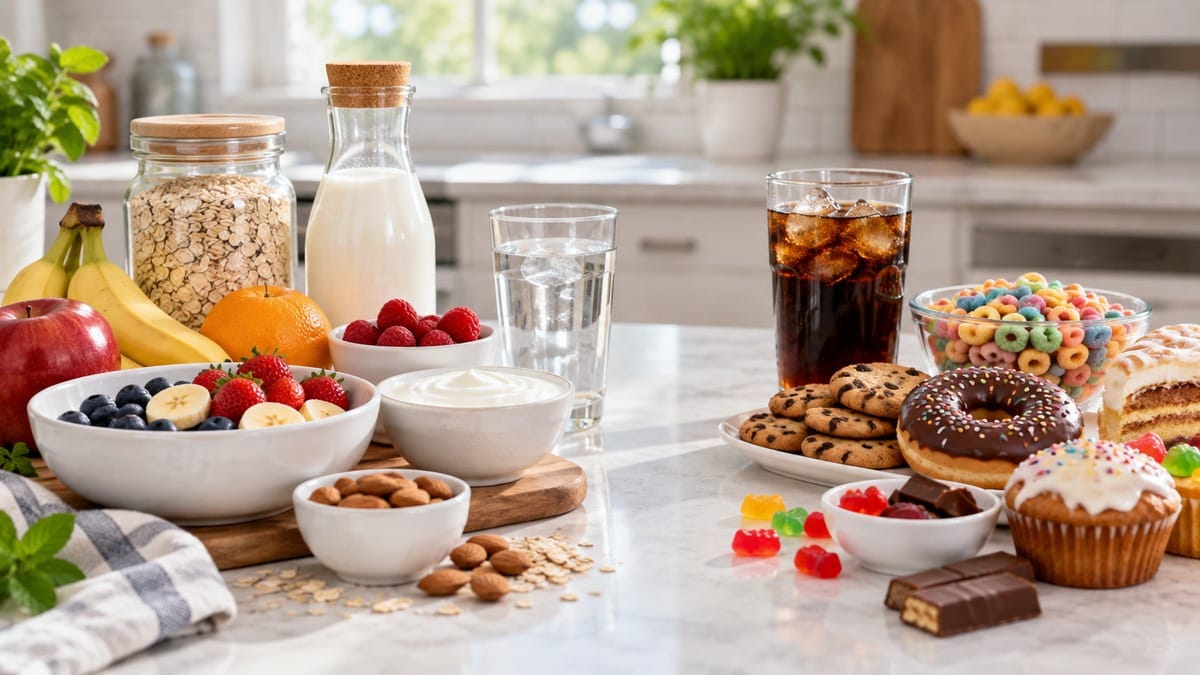
The added sugar US nutrition guidelines changed in an important way with the final Dietary Guidelines for Americans, 2025–2030. The previous edition used a familiar daily limit—less than 10% of calories from added sugars for people age 2 and older. The new edition uses different language and a different structure.
The final 2025–2030 federal guidance says that no amount of added sugars or non-nutritive sweeteners is recommended or considered part of a healthy or nutritious diet. It also says that one meal should contain no more than 10 grams of added sugars. That is a major change from the older percentage-of-calories approach.
This article explains what the new rule means, how to read it correctly, what counts as added sugar, what does not count, and how to use food labels without confusing naturally occurring sugar with sugar added during manufacturing or preparation.
Table of Contents
What Changed in the 2025–2030 Added Sugar Guidance?
The 2020–2025 Dietary Guidelines recommended limiting added sugars to less than 10% of total daily calories starting at age 2 and avoiding added sugars for children younger than 2. That framework treated added sugar mainly as a percentage of total energy intake.
The final 2025–2030 guidelines no longer use that less-than-10%-of-calories rule as the headline recommendation. Instead, the current federal document states that no amount of added sugars or non-nutritive sweeteners is recommended as part of a healthy diet and then adds a meal-level ceiling of no more than 10 grams of added sugars in one meal.
That wording is stricter in tone, but it should not be interpreted as saying that naturally occurring sugars in fruit or plain milk are the same as added sugars. The federal document explicitly separates naturally occurring sugars from sugars added to foods and beverages.
What Counts as Added Sugar?
Added sugars are sugars added during processing, cooking, or preparation. The final guidelines tell consumers to look for ingredient names containing the word “sugar” or “syrup” or ending in “-ose.” Examples include cane sugar, beet sugar, high-fructose corn syrup, corn syrup, rice syrup, glucose, dextrose, sucrose, fructose, maltose, honey, molasses, agave syrup, and fruit juice concentrate.
The key point is not the marketing name. Organic cane sugar, honey, maple-style syrups, and agave can all function as added sugars when they are added to a product. A food does not become “no added sugar” simply because the sweetener sounds natural.
Naturally Occurring Sugar Is Different
Whole fruit, plain milk, and plain yogurt can contain sugar without containing added sugar. Fruit contains naturally occurring sugars along with water, fiber, vitamins, minerals, and plant compounds. Plain dairy contains lactose, a naturally occurring milk sugar.
That distinction matters when reading labels. A plain yogurt may show several grams of total sugar while still showing 0 g added sugars. A sweetened yogurt can show both naturally occurring milk sugar and added sugar from sweeteners. The Nutrition Facts panel separates those by listing “Includes X g Added Sugars.”
How to Read the Nutrition Facts Label for Added Sugars
The most useful line on the Nutrition Facts panel is not “Total Sugars” by itself. Look directly underneath it for Includes X g Added Sugars. That is the amount to compare across similar products.
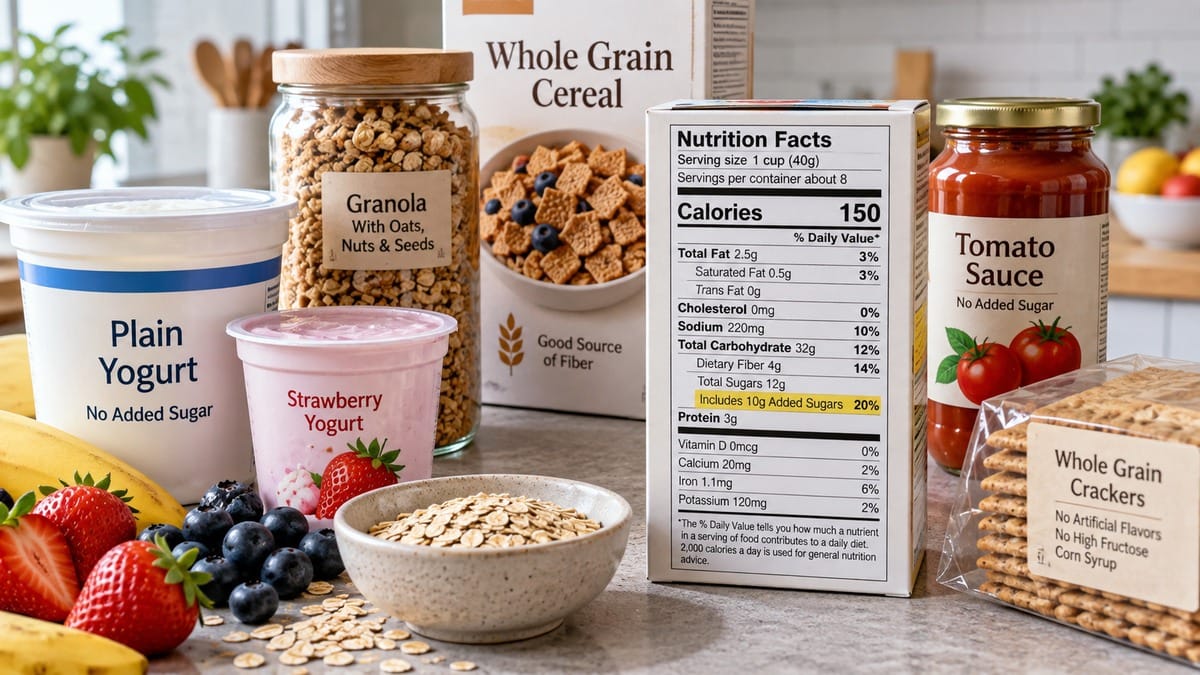
For example, two yogurts can both contain 12 grams of total sugar, but one might have 0 grams of added sugar while another might include 7 grams of added sugar. The total-sugar number alone cannot tell you whether the sweetness comes mostly from naturally occurring lactose, fruit, or added sweeteners.
When comparing products, keep the serving size in view. A cereal box, snack bar, sauce, flavored yogurt, or drink can appear low in added sugar if the listed serving is much smaller than the amount you actually eat or drink.
What Does “No More Than 10 Grams per Meal” Mean?
The final guidelines state that one meal should contain no more than 10 grams of added sugars. That is a meal-level limit, not a recommendation to aim for 10 grams at every meal. The same document also says that no amount of added sugar is recommended as part of a healthy diet.
A practical reading is: the federal guidance encourages minimizing added sugar overall, and it sets 10 grams as an upper limit within a single meal. If a breakfast already contains a sweetened cereal, flavored yogurt, and a sweetened coffee drink, the combined added sugar can rise quickly even when none of the individual items looks extreme on its own.
The most useful strategy is to count at the meal level. Add together the added sugar from beverages, cereal, yogurt, condiments, breads, spreads, desserts, and other packaged foods that appear in the same meal.
Sugary Drinks Are One of the Easiest Places to Cut Back
The 2025–2030 guidelines specifically say to avoid sugar-sweetened beverages such as sodas, fruit drinks, and energy drinks. Drinks can deliver a large amount of added sugar without replacing much of the hunger that a solid meal would satisfy.

Water remains the simplest default beverage. Plain milk can also contribute protein and nutrients without added sugar, and unsweetened sparkling water can offer variety. Sweetened coffee drinks, bottled teas, energy drinks, fruit drinks, and regular soda are worth checking closely because added sugar can accumulate quickly.
One important nuance: 100% fruit juice is not the same as a sugar-sweetened beverage with added sugar, but it also does not provide the same fiber structure as whole fruit. The federal guidance still prioritizes whole, nutrient-dense foods.
Snack Foods Have Additional Federal Reference Limits
The final guidelines also point to FDA “Healthy” claim limits when selecting snack foods. They give examples such as grain snacks that should not exceed 5 grams of added sugar per ¾-ounce whole-grain equivalent and dairy snacks that should not exceed 2.5 grams of added sugar per ⅔-cup equivalent.
Those examples are useful for packaged snacks, but they are not a replacement for reading the full label. Serving sizes, sodium, saturated fat, fiber, protein, and the rest of the ingredient list still matter.
Children Have Even More Direct Added Sugar Guidance
For middle childhood ages 5–10, the final 2025–2030 guidance says directly that no amount of added sugars is recommended. For younger children, the broader life-stage guidance also emphasizes avoiding added sugars during infancy and early childhood.
That does not require banning fruit, plain milk, or unsweetened yogurt. The same added-versus-natural distinction applies. For families, the simplest priorities are often water instead of sweet drinks, plain or lower-added-sugar dairy products, unsweetened cereals or oats, and whole fruit instead of candy-like snacks.
Our separate guide to the US Dietary Guidelines for children explains the age-specific recommendations in more detail.
Non-Nutritive Sweeteners Are Also Addressed
The final guidelines group non-nutritive sweeteners into the same broader message: no amount is recommended or considered part of a healthy or nutritious diet. Examples listed by the federal document include aspartame, sucralose, saccharin, xylitol, and acesulfame K.
That does not mean every product containing a non-nutritive sweetener is identical in composition or risk. The practical federal message is simpler: build the diet around whole, nutrient-dense foods rather than depending heavily on sweetened foods, whether the sweetness comes from added sugar or low-calorie sweeteners.
Where Added Sugar Hides Most Often
Desserts and soda are obvious sources, but added sugar also appears in foods that do not always taste like dessert. Common examples include flavored yogurt, granola, breakfast cereal, sandwich bread, bottled sauces, ketchup, barbecue sauce, salad dressing, flavored oatmeal, protein bars, coffee creamers, and sweetened plant beverages.
That is why a label-first approach works better than trying to memorize “good” and “bad” foods. Two products in the same category can differ dramatically in added sugar.
The broader 2025–2030 framework also recommends reducing highly processed foods. That overlaps with added-sugar reduction because many highly processed sweet foods and drinks combine added sugar with refined starch, sodium, and other ingredients. See our guide to processed foods in the new US Dietary Guidelines for that part of the policy.
FAQs about added sugar US nutrition guidelines
Do the 2025–2030 guidelines say zero added sugar?
The final guidelines say that no amount of added sugars is recommended or considered part of a healthy or nutritious diet. They also state that one meal should contain no more than 10 grams of added sugars.
Is fruit sugar considered added sugar?
No. Naturally occurring sugar in whole fruit is not considered added sugar. Added sugar is introduced during manufacturing, cooking, or preparation.
Is honey considered added sugar?
Yes, when honey is added to a food or beverage it counts as added sugar. The final federal document lists honey among examples of added sugars.
Should I use total sugar or added sugar on the label?
For this guideline, focus on the “Includes X g Added Sugars” line. Total sugar includes both naturally occurring and added sugars.
Did the old 10% rule disappear?
The 2020–2025 edition used less than 10% of calories per day as its headline added-sugar limit. The final 2025–2030 edition uses different wording and the 10-gram-per-meal ceiling instead.
Final Takeaway
The biggest correction to older summaries of the added sugar US nutrition guidelines is that the current 2025–2030 edition does not simply repeat the old “under 10% of calories” rule. It says no amount of added sugar is recommended as part of a healthy diet and gives a meal-level upper limit of 10 grams.
In practice, the easiest places to apply that guidance are beverages, flavored dairy, cereals, snack bars, sauces, and desserts. Read the “Includes Added Sugars” line, compare serving sizes, and remember that naturally occurring sugar in fruit and plain milk is not the same thing as added sugar.
For the full federal context, read our updated pillar guide to the US Dietary Guidelines 2025–2030. The current official edition is maintained by USDA and HHS through ODPHP and RealFood.gov.
Trending recipe
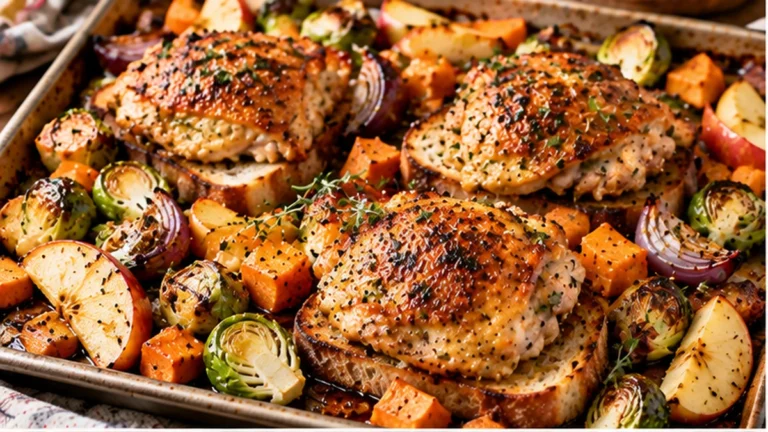
Sheet Pan Harvest Chicken with Pan-Juice Toast
Sheet pan harvest chicken roasts crisp-skinned thighs with sweet potatoes, Brussels sprouts, apples, and sourdough pan-juice toast for a cozy…
View recipe →
Trending recipe
Banana Bread Banana Pudding
Banana bread banana pudding layers soft banana bread cubes, homemade vanilla pudding, fresh bananas, and whipped cream into an easy…
View recipe →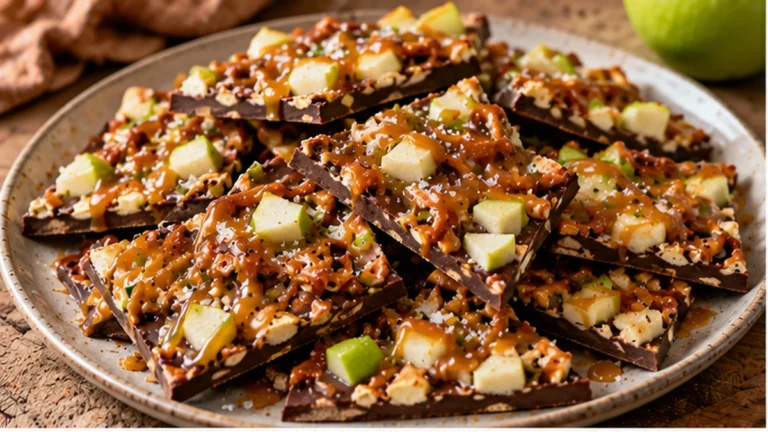
Trending recipe
Caramel Apple Bark
Caramel apple bark layers semisweet chocolate, salty pretzels, crisp Granny Smith apple, and chewy caramel into an easy no-bake fall…
View recipe →