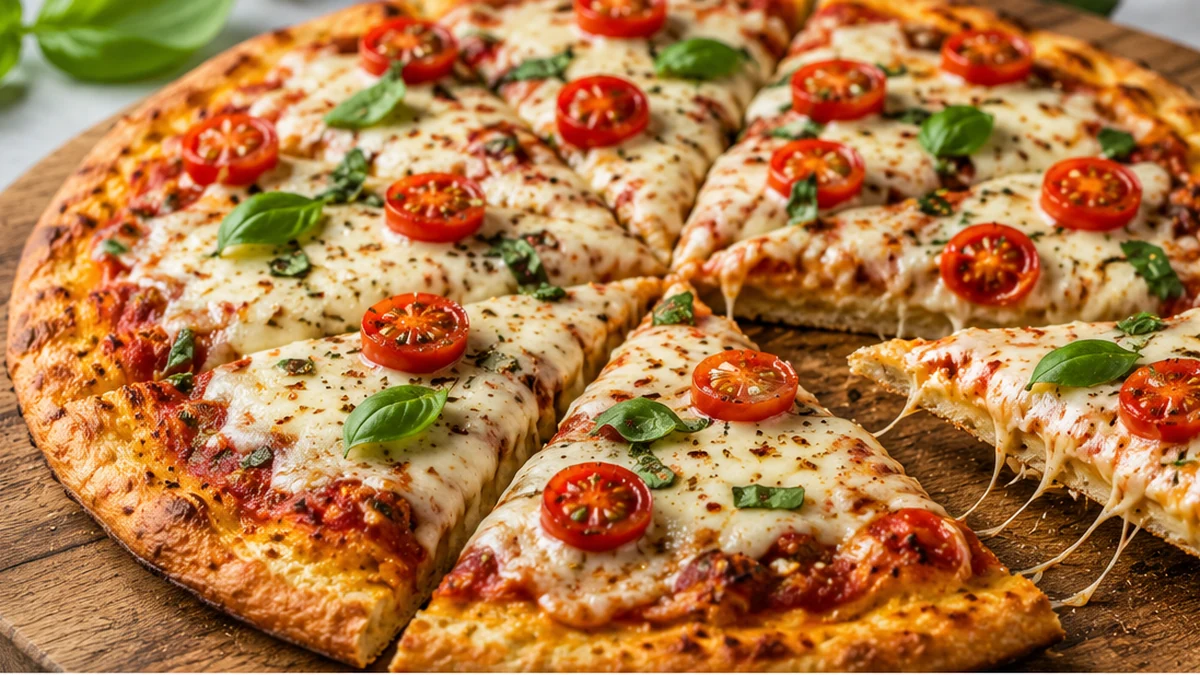
High protein cottage cheese pizza crust gives you a real dough-style pizza base without yeast or a long rise. Cottage cheese supplies moisture and protein, all-purpose flour gives the crust the chew and structure that a pizza needs, and a small amount of Parmesan strengthens the savory flavor while pushing the protein higher.
This is intentionally different from the blended cottage-cheese flatbreads that bake like a thin egg-based sheet. Here, you mix and knead an actual soft dough, roll it into a 10-inch round, pre-bake it on a hot pan, and then add toppings. The result is sturdy enough to lift by the slice, lightly crisp underneath, and tender through the center.
The crust itself makes two servings and provides an estimated about 24 grams of protein per serving before sauce, mozzarella, chicken, pepperoni, or other toppings. For more protein-forward meal ideas, use our high protein foods guide as a starting point.
Table of Contents
Why This Cottage Cheese Pizza Crust Works
It behaves like pizza dough. Flour gives the crust enough gluten structure to roll, pre-bake, top, and slice instead of producing a soft eggy sheet.
Cottage cheese replaces part of the usual liquid. The moisture hydrates the flour while the milk proteins raise the protein content of the finished crust.
Parmesan adds structure and protein. A quarter cup brings savory flavor without turning the dough into a cheese crust.
The hot-pan pre-bake matters. Starting the crust on a thoroughly heated sheet pan helps the bottom set before wet sauce and toppings go on.
No yeast means no rising time. Baking powder gives a modest lift, so the crust can go from mixing bowl to oven quickly.
The base is flexible. Use the finished crust for a classic tomato-and-mozzarella pizza, a vegetable pizza, or a higher-protein chicken or turkey-pepperoni version.
Ingredients You’ll Need
The crust uses five core ingredients. Brands of cottage cheese vary in moisture, so the dough may need a light dusting of flour during kneading, but avoid adding large handfuls of flour. Too much makes the baked crust dry and dense.
2% Cottage Cheese
Use 1 cup (about 226 g) 2% cottage cheese. Two-percent cottage cheese keeps the protein high while adding enough moisture and fat for a tender crust. If the container has obvious liquid pooled on top, stir it well and spoon off only the excess whey. You do not need to press the cheese dry.
For another savory bake built around cottage cheese, our avocado cottage cheese bread uses almond flour, eggs, and avocado for a completely different loaf-style texture.
All-Purpose Flour
Use 1 1/4 cups (150 g) all-purpose flour, plus no more than a tablespoon or two for the work surface if needed. Weighing the flour is especially useful here because a packed measuring cup can add enough extra flour to make a tight crust.
This primary version uses wheat flour on purpose. That keeps it distinct from our gluten-free cottage cheese flatbread and gives the pizza crust a more traditional chew. A gluten-free 1-to-1 variation is discussed below, but it produces different nutrition and texture.
Parmesan
A quarter cup of finely grated Parmesan adds savory flavor and helps the crust reach the protein target without requiring protein powder. Finely grated cheese blends into the dough more evenly than large shreds. Because cottage cheese and Parmesan both contain sodium, the base does not need added salt.
Baking Powder and Italian Seasoning
One teaspoon of baking powder gives the yeast-free dough a small amount of lift. Italian seasoning adds oregano-and-herb flavor directly to the base, so the edges still taste good even when they are not covered by sauce.
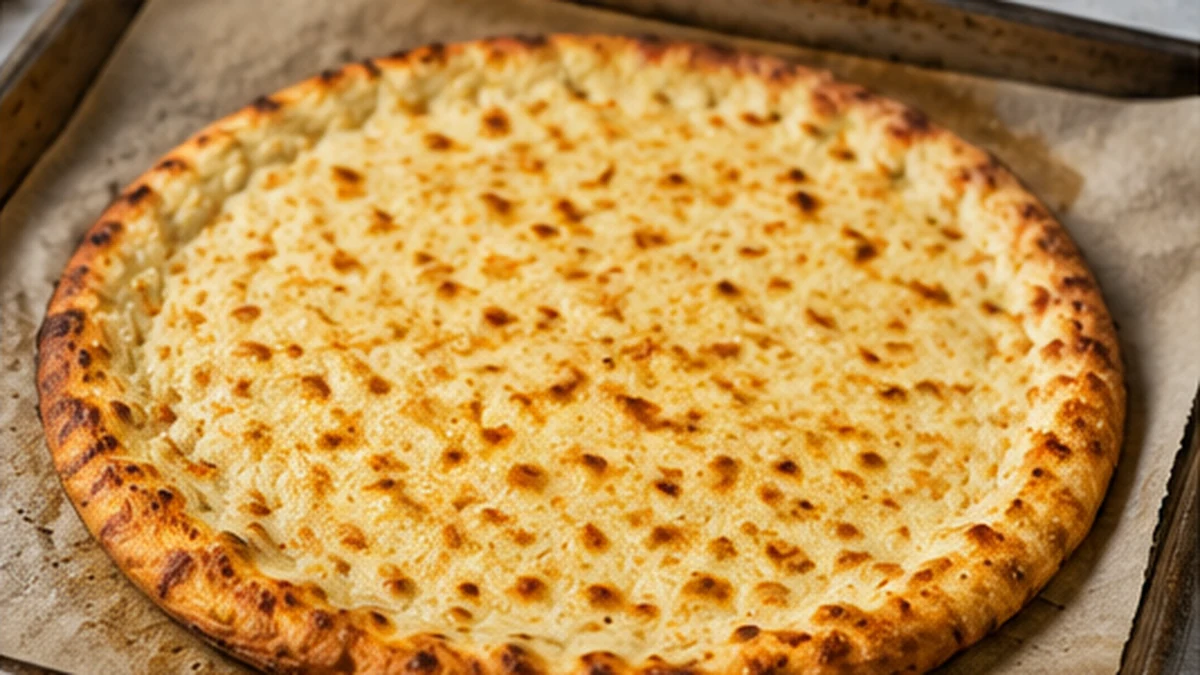
A no-yeast cottage cheese pizza crust made with 2% cottage cheese, all-purpose flour, Parmesan, baking powder, and Italian seasoning. Pre-baking on a hot pan gives the bottom a firmer, lightly crisp finish.
Total Time:25 minutes
Yield:1 (10-inch) pizza crust, 2 servings
Ingredients
Scale
1 cup (226 g) 2% cottage cheese
1 1/4 cups (150 g) all-purpose flour, plus up to 1 to 2 tablespoons for the work surface only if needed
1/4 cup (25 g) finely grated Parmesan cheese
1 teaspoon baking powder
1 teaspoon dried Italian seasoning
Instructions
Preheat the oven to 450°F (232°C). Place a heavy rimmed sheet pan or pizza pan in the oven while it heats.
Whisk the flour, Parmesan, baking powder, and Italian seasoning in a large bowl.
Add the cottage cheese and stir with a wooden spoon until shaggy clumps form. Press the mixture together with clean hands into a soft dough.
Turn the dough onto a lightly floured surface and knead for 2 to 3 minutes, until cohesive. Use only enough extra flour to keep the dough manageable.
Place the dough on parchment paper and roll or press it into an even 10-inch round about 1/4 inch thick.
Carefully transfer the parchment and crust onto the preheated pan. Pre-bake for 8 to 10 minutes, until the surface looks dry and the edges begin to color.
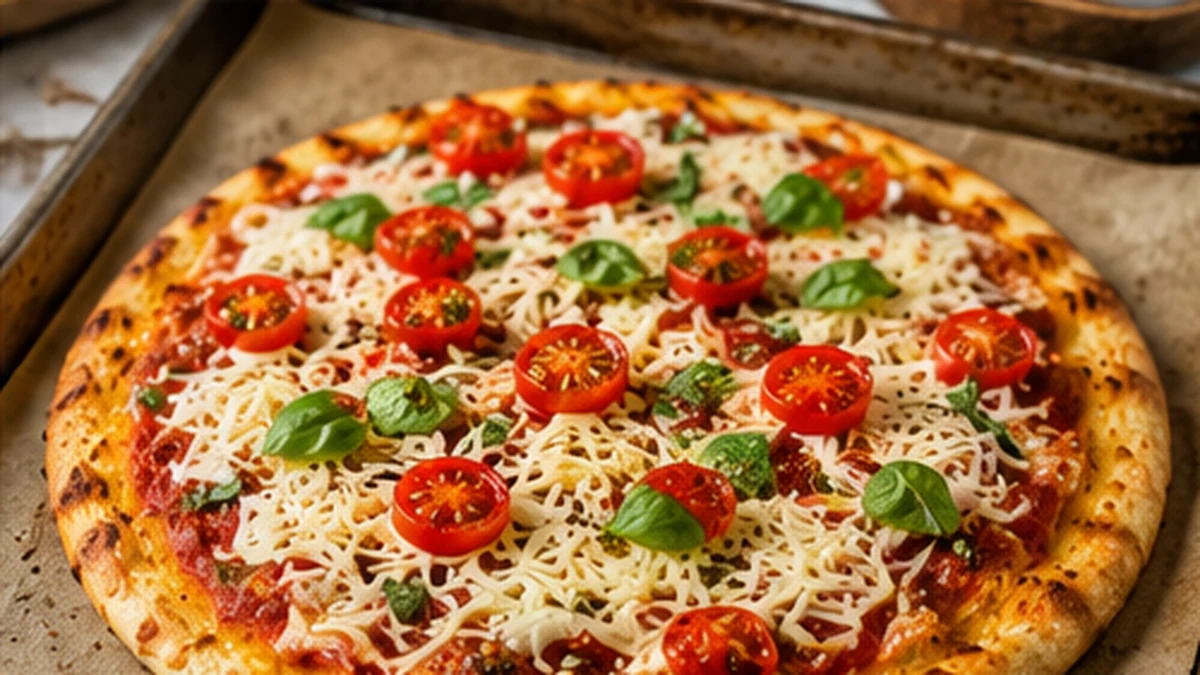
For a finished pizza, add a thin layer of thick sauce, low-moisture mozzarella, and desired toppings. If the crust releases cleanly, slide out the parchment and bake directly on the hot pan for 5 to 7 minutes more, until the cheese melts and the bottom is lightly crisp.
Let the finished pizza stand for 2 to 3 minutes before slicing. If you are saving the crust for later, cool the plain pre-baked crust completely before storing.
Notes
Nutrition is calculated for the plain crust only and does not include sauce, mozzarella, meat, vegetables, or other pizza toppings.
If cottage cheese has a large pool of whey on top, spoon off only the excess liquid. Do not press the cottage cheese completely dry.
If the dough remains very sticky after resting for 2 minutes, add extra flour 1 tablespoon at a time. Adding much more flour makes the crust dry.
A gluten-free 1-to-1 baking flour can be used as a variation, but texture and nutrition will differ from the primary wheat-flour recipe.
Do not taste raw dough because uncooked flour can contain harmful bacteria.
For meal prep, refrigerate a cooled pre-baked crust for up to 3 days or freeze it flat for up to about 2 months for best texture.
Author:Adam Moretti
Prep Time:15 minutes
Cook Time:10 minutes
Category:Pizza
Method:Oven
Cuisine:American
Diet:High Protein, Vegetarian
How to Make High Protein Cottage Cheese Pizza Crust
1. Preheat the Pan, Not Just the Oven
Set the oven to 450°F (232°C). Put a heavy rimmed sheet pan or pizza pan in the oven while it heats. Starting with a hot baking surface is one of the easiest ways to get a firmer bottom on a moisture-rich cottage cheese dough.
2. Mix the Dough
Whisk the flour, Parmesan, baking powder, and Italian seasoning in a bowl. Add the cottage cheese and stir with a wooden spoon until shaggy clumps form. Use clean hands to press the mixture together. It should be soft and a little tacky, not liquid and not dry.
3. Knead Briefly
Turn the dough onto a lightly floured surface and knead for about 2 to 3 minutes. The small cottage cheese curds will begin to disappear into the dough. Stop once the dough forms a cohesive ball; this is a quick no-yeast crust, so there is no benefit to working it like artisan bread dough.
4. Roll to an Even 10-Inch Round
Place the dough on a sheet of parchment and roll or press it into a round about 10 inches wide and roughly 1/4 inch thick. Keep the center close to the same thickness as the edges. A thick middle is the main reason cottage cheese pizza crust turns soft under the toppings.
5. Pre-Bake Before Adding Sauce
Carefully transfer the parchment and crust onto the preheated pan. Bake for about 8 to 10 minutes, until the surface looks dry and the edges are beginning to color. The bottom should be set enough that the crust can be lifted without bending like raw dough.
6. Top Lightly and Finish the Pizza
For a finished pizza, remove the crust from the oven and add a thin layer of thick pizza sauce, shredded low-moisture mozzarella, and toppings that are not overly wet. Slide the parchment out if the crust releases cleanly, then return the topped pizza directly to the hot pan for another 5 to 7 minutes, until the cheese melts and the bottom is browned to your liking.
How to Get a Crisper Bottom
Cottage cheese contains much more moisture than a standard flour-and-water pizza dough, so crispness comes from managing that moisture rather than simply baking longer. Four details make the biggest difference.
Use a hot pan. Let the sheet pan preheat with the oven so the bottom starts setting immediately.
Roll the crust evenly. A 1/4-inch center bakes more reliably than a thick, pillowy center surrounded by thin edges.
Pre-bake before sauce. The first bake creates a dry surface and a firm base before wet ingredients arrive.
Keep toppings controlled. Thick sauce, low-moisture mozzarella, cooked vegetables, and drained toppings protect the crust better than watery tomato slices or a heavy layer of sauce.
Troubleshooting
The Dough Is Too Sticky to Knead
First let it stand for two minutes. The flour continues absorbing moisture from the cottage cheese. If the dough still coats your hands heavily, dust the work surface with one tablespoon of flour and knead again. Add a second tablespoon only if necessary. Dumping in a large amount of extra flour changes both texture and nutrition.
The Dough Is Dry and Crumbly
This usually means the flour was overmeasured or the cottage cheese was unusually dry. Press the dough together for another minute before adding anything. If dry flour still will not incorporate, work in one teaspoon of cottage cheese at a time rather than adding water.
The Center Is Soft After Toppings
The crust was probably too thick in the middle, the pre-bake was too short, or the toppings released too much liquid. Put the pizza directly on the hot pan for a few extra minutes. Next time, roll the center thinner and use a lighter layer of sauce.
The Crust Is Tough
Too much bench flour and overbaking are the usual causes. Weigh the 150 grams of flour, use only enough extra flour to keep the dough manageable, and stop the first bake as soon as the surface is dry and the edges begin to color.
The Cottage Cheese Curds Are Still Visible
Small curds are not a problem. They soften into the crust as it bakes. If you strongly prefer a completely smooth dough, pulse the cottage cheese briefly in a blender before measuring, but do not add extra liquid.
Toppings That Work Best
A high protein crust does not need every topping to be protein-focused, but you can build a more substantial meal by using toppings with low moisture and good flavor. A simple Margherita-style version with thick sauce, low-moisture mozzarella, tomatoes used sparingly, and basil keeps the crust in the foreground.
For more protein, add cooked chicken breast, turkey pepperoni, lean ground turkey, or a little extra mozzarella. If you want pizza flavor without making dough at all, our gluten free pizza beans use cannellini beans, marinara, mozzarella, and Parmesan in a quick skillet dinner.
Variations and Substitutions
Full-Fat Cottage Cheese
Full-fat cottage cheese can replace the 2% version in the same measured amount. It generally makes the dough slightly richer and may feel a little softer. The calorie and fat values will be higher than the nutrition listed for the primary recipe.
Gluten-Free 1-to-1 Flour
A gluten-free 1-to-1 baking blend can work as a variation, but it is not identical to the primary crust. Different blends absorb moisture differently and do not develop gluten, so the crust can be more tender and may need an extra minute or two during the pre-bake. Use a blend intended to replace wheat flour by volume and do not apply the primary nutrition numbers to that version.
Whole-Wheat Flour
You can replace up to half of the all-purpose flour with whole-wheat flour for a more robust flavor. The dough usually absorbs a little more moisture and the finished crust becomes firmer. Start with half whole wheat rather than replacing the full amount the first time.
Skip the Parmesan
You can omit the Parmesan if necessary, but it changes both flavor and protein. The crust will still work, although it may need a teaspoon or two less cottage cheese or a light dusting of flour because the dry Parmesan is no longer absorbing moisture.
Make-Ahead, Storage, and Freezing
For the best make-ahead result, pre-bake the plain crust, cool it completely, and refrigerate it before adding toppings. Store the cooled crust wrapped or in an airtight container for up to 3 days. Add sauce and toppings immediately before the final bake.
You can also freeze the pre-baked crust. Cool it completely, wrap it tightly, and freeze it flat for up to about 2 months for best texture. Thaw overnight in the refrigerator, then place it on a hot sheet pan, add toppings, and bake until the bottom is crisp and the toppings are hot.
If you are looking for another protein-forward recipe that works well for planned lunches, our high protein pasta salad is designed specifically around make-ahead portions.
Raw Flour Safety
Do not taste the uncooked pizza dough. The FDA explains that flour is a raw food and may contain harmful bacteria that are killed during proper cooking or baking. Wash hands, bowls, counters, and utensils after handling raw flour and dough.
FAQ about High Protein Cottage Cheese Pizza Crust
How Much Protein Is in Cottage Cheese Pizza Crust?
Using 226 grams of 2% cottage cheese, 150 grams of all-purpose flour, and 25 grams of Parmesan, one half of the plain crust is estimated to provide about 24 grams of protein. Toppings are not included in that number and can raise or lower the final meal nutrition.
Does Cottage Cheese Pizza Crust Taste Like Cottage Cheese?
The cottage cheese flavor is mild after baking, especially with Parmesan and Italian seasoning in the dough. Small curds mostly disappear into the crust. The final result tastes closer to a quick savory bread crust than a bowl of cottage cheese.
Do I Have to Blend the Cottage Cheese?
No. This flour-based dough works without blending. Stirring and brief kneading distribute the curds well enough for a cohesive crust. Blend only if you prefer a smoother-looking dough.
Why Do I Need to Pre-Bake the Crust?
Pre-baking gives the moisture-rich dough time to set before sauce and cheese are added. Without that first bake, the center can stay soft while the toppings finish cooking. The hot-pan pre-bake is the main technique that makes this version feel like pizza rather than flatbread batter.
Can I Use Self-Rising Flour?
Yes. Replace the all-purpose flour with the same weight of self-rising flour and omit the baking powder. Self-rising flour already contains leavening and salt, so the sodium and nutrition will differ from the primary recipe.
Can I Freeze Cottage Cheese Pizza Crust?
Yes. Freeze it after the pre-bake rather than as raw dough. A cooled pre-baked crust is easier to wrap, stack, thaw, and finish with toppings without changing its shape.
Final Tips
The best high protein cottage cheese pizza crust comes down to moisture control: weigh the flour, avoid draining the cottage cheese until dry, roll the center evenly, and give the crust its own pre-bake before adding sauce.
Once the plain crust is firm, finish it directly on a hot pan with a modest amount of toppings. That combination gives you the crispest bottom, the easiest slices to lift, and a crust that still stays tender inside.
Reviewed recipe options
Make this recipe fit me
Choose one of seven popular diet options. NutriMatch will confirm whether the recipe already fits, show a reviewed adaptation when available, or recommend recipes that match your choice.
Please choose a diet first.
Reviewed Dairy-Free adaptation
Dairy-Free High-Protein Cottage-Style Pizza Crust
Use the reviewed substitutions below to prepare a Dairy-Free version while keeping the original recipe's basic method.
Ingredient swaps
1 cup (226 g) 2% cottage cheeseUse 1 cup (226 g) thick dairy-free cottage-cheese alternative
1/4 cup (25 g) finely grated Parmesan cheeseUse 1/4 cup (25 g) dairy-free Parmesan-style alternative
Check: Check every packaged substitute, sauce, seasoning, and topping for milk ingredients and the cross-contact information you need. The adapted nutrition differs from the published recipe; recalculate it before relying on the original high-protein, keto, or low-carb claim.
Use these reviewed changes with the original ingredient quantities and instructions above. The original recipe card stays unchanged.
Recipe details, product formulas, and cross-contact information can change. Confirm current labels and use professional guidance when medically necessary.
Use the reviewed substitutions below to prepare a Gluten-Free version while keeping the original recipe's basic method.
Ingredient swaps
1 1/4 cups (150 g) all-purpose flour, plus up to 1 to 2 tablespoons for the work surface only if neededUse 1 1/4 cups (150 g) gluten-free 1-to-1 baking flour with xanthan gum, plus up to 1 to 2 tablespoons for the work surface only if needed
Instruction changes
Let the mixed dough rest for 10 minutes before shaping so the gluten-free flour can hydrate.
Check: Use products labeled gluten-free when needed and check sauces, seasonings, baking ingredients, and shared equipment for cross-contact. The adapted nutrition differs from the published recipe; recalculate it before relying on the original high-protein, keto, or low-carb claim.
Use these reviewed changes with the original ingredient quantities and instructions above. The original recipe card stays unchanged.
Recipe details, product formulas, and cross-contact information can change. Confirm current labels and use professional guidance when medically necessary.
Already a reviewed match
This recipe already fits High Protein.
No changes are needed based on its reviewed NutriMatch classification. Check the complete ingredients, product labels, and serving details for your own needs.
Recipe details, product formulas, and cross-contact information can change. Confirm current labels and use professional guidance when medically necessary.
Not available for this recipe
This recipe cannot currently be made Keto with a reviewed adaptation.
NutriMatch will not guess at substitutions. Try one of these recipes that is already reviewed for your choice.
Recipe details, product formulas, and cross-contact information can change. Confirm current labels and use professional guidance when medically necessary.
Not available for this recipe
This recipe cannot currently be made Low Carb with a reviewed adaptation.
NutriMatch will not guess at substitutions. Try one of these recipes that is already reviewed for your choice.
Recipe details, product formulas, and cross-contact information can change. Confirm current labels and use professional guidance when medically necessary.
Reviewed Vegan adaptation
Vegan Cottage-Style Pizza Crust
Use the reviewed substitutions below to prepare a Vegan version while keeping the original recipe's basic method.
Ingredient swaps
1 cup (226 g) 2% cottage cheeseUse 1 cup (226 g) thick vegan cottage-cheese alternative
1/4 cup (25 g) finely grated Parmesan cheeseUse 1/4 cup (25 g) vegan Parmesan-style alternative
Check: Confirm every packaged substitute, sauce, seasoning, and topping is vegan; product formulas and processing aids can vary. The adapted nutrition differs from the published recipe; recalculate it before relying on the original high-protein, keto, or low-carb claim.
Use these reviewed changes with the original ingredient quantities and instructions above. The original recipe card stays unchanged.
Recipe details, product formulas, and cross-contact information can change. Confirm current labels and use professional guidance when medically necessary.
Already a reviewed match
This recipe already fits Vegetarian.
No changes are needed based on its reviewed NutriMatch classification. Check the complete ingredients, product labels, and serving details for your own needs.
Recipe details, product formulas, and cross-contact information can change. Confirm current labels and use professional guidance when medically necessary.