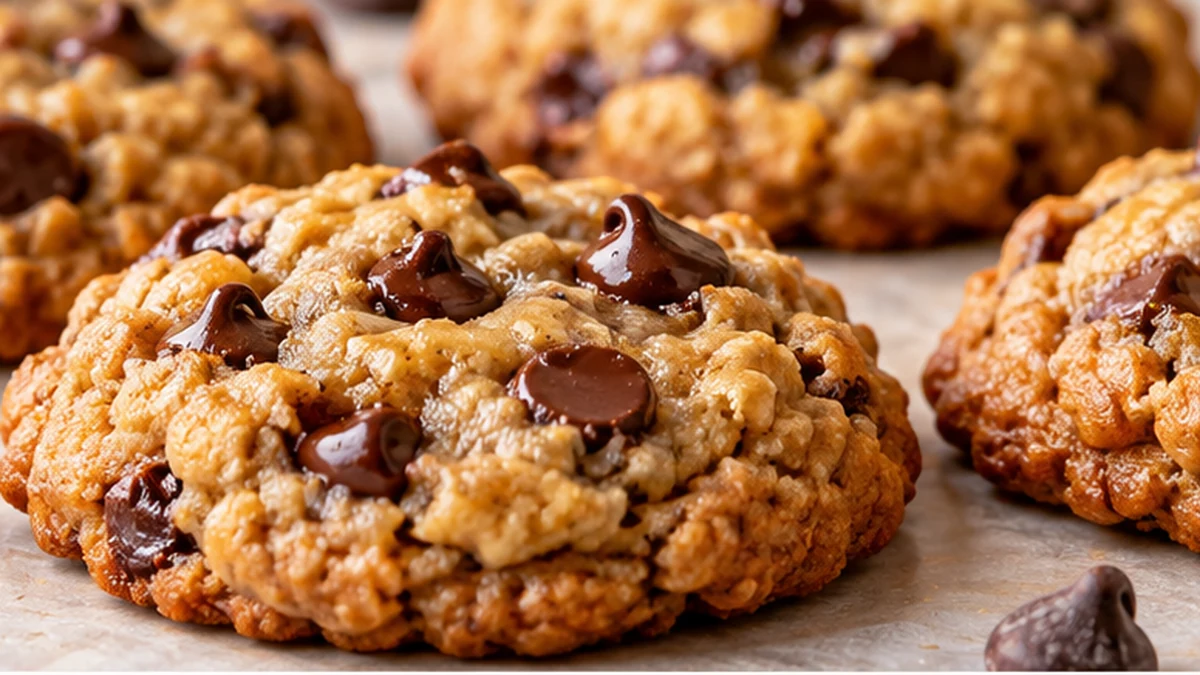
These high protein chickpea cookies use a full can of whole chickpeas, peanut butter, eggs, oats, vanilla whey protein, and chocolate chips to make a soft flourless cookie with about 23 grams of protein per two-cookie serving. The chickpeas disappear into the dough after a thorough blend, while peanut butter and vanilla carry most of the flavor.
This recipe is intentionally different from our vegan protein cookies without protein powder. That recipe uses chickpea flour, sunflower seed butter, hemp hearts, oats, and flaxseed. This version is built around canned chickpeas and protein powder, so it targets a different texture, ingredient list, and search intent.
Table of Contents
Why You’ll Love These High Protein Chickpea Cookies
Each serving is two cookies and provides approximately 23 grams of protein based on the ingredient assumptions listed in the recipe notes.
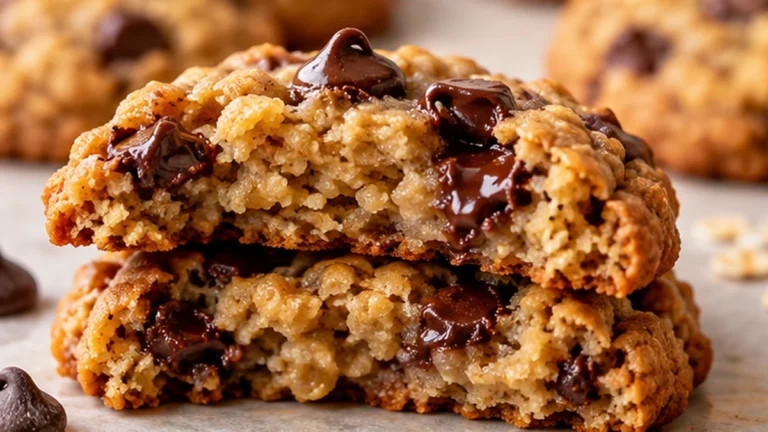
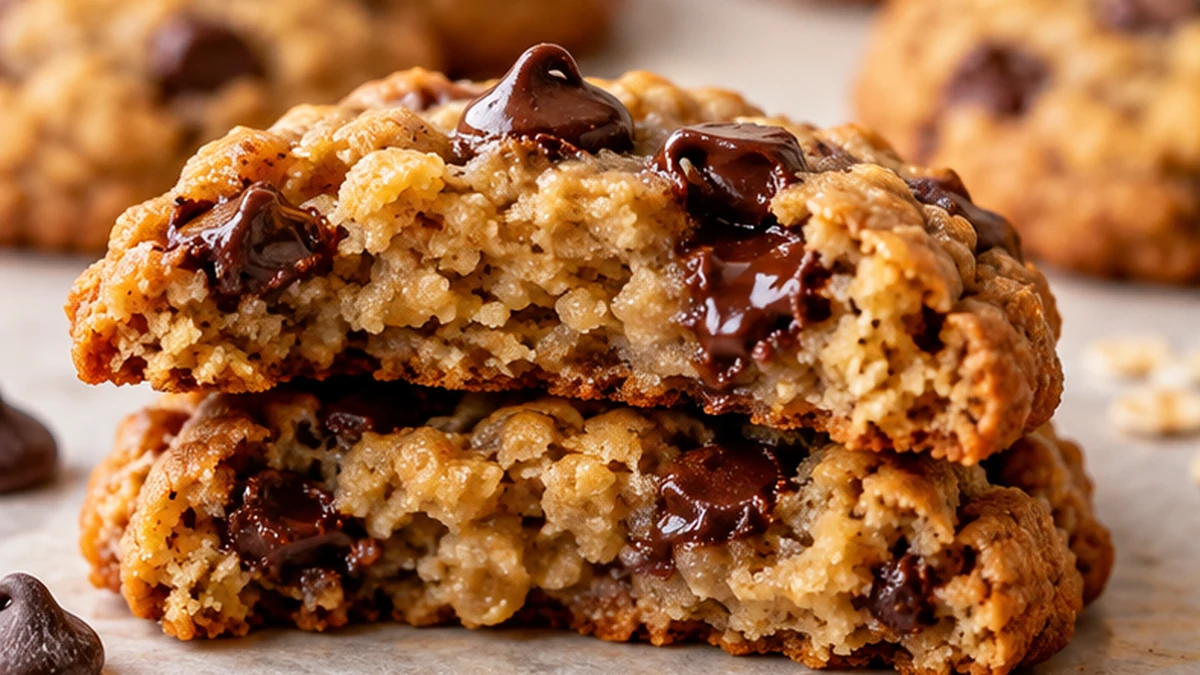
The dough uses whole canned chickpeas rather than chickpea flour, which keeps the centers soft and slightly fudgy.
No wheat flour is required; use certified gluten-free oats and suitably labeled packaged ingredients when gluten cross-contact matters.
A food processor does nearly all of the mixing, so there is no creaming butter or long chill time.
Peanut butter, vanilla, cinnamon, and chocolate help balance the mild legume flavor.
The cookies can be cooled, packed, and frozen for make-ahead snacks or desserts.
Ingredients You’ll Need
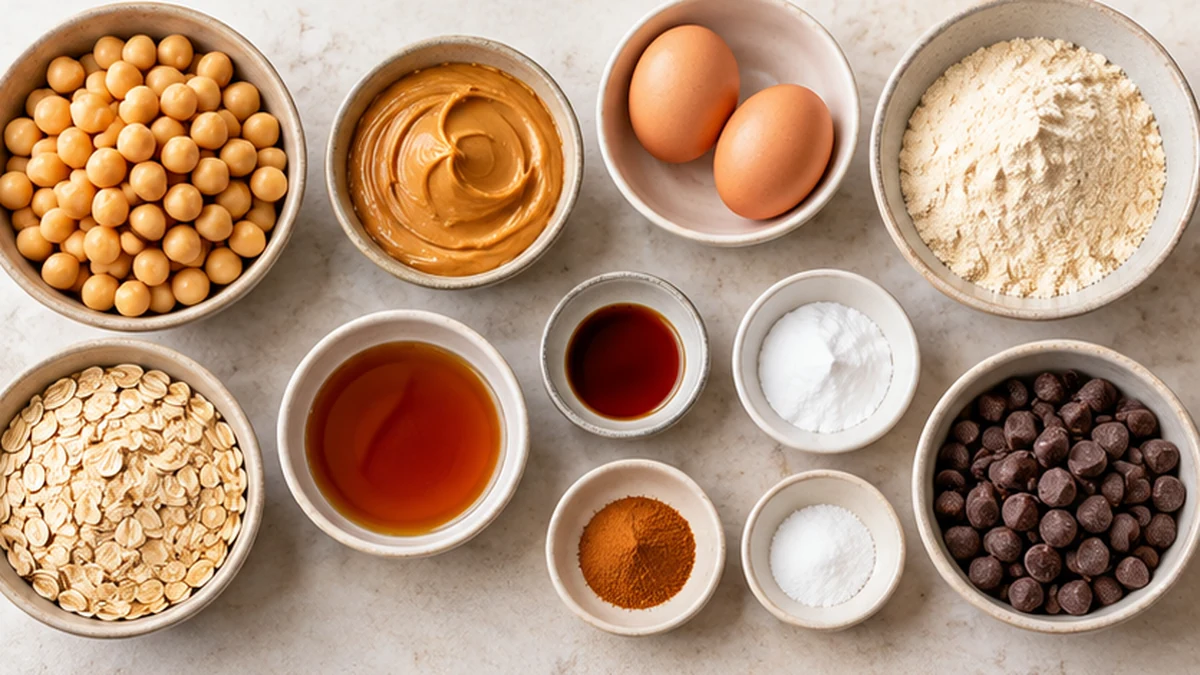
The ingredient list is short, but the ratios matter because chickpeas and protein powder pull the dough in opposite directions: chickpeas add moisture, while whey absorbs liquid quickly. Measure the protein powder and oats rather than adding extra by eye.
Canned Chickpeas
Use one 15-ounce can of no-salt-added chickpeas, drained and rinsed well. After rinsing, spread them on a clean towel and blot away surface water. The goal is not to dry them completely; removing excess canning liquid simply keeps the dough from becoming loose and helps the peanut butter, egg, and protein powder emulsify more evenly.
Natural Peanut Butter
Smooth natural peanut butter adds fat, protein, and roasted flavor. Stir the jar thoroughly before measuring so the oil and peanut solids are evenly mixed. Unsalted peanut butter makes the sodium estimate easier to control. Almond butter can work as a flavor variation, but it changes the allergen profile and can make the dough slightly thicker.
Vanilla Whey Protein Powder
The base recipe uses 3 scoops, or about 90 grams, of vanilla whey protein powder. A representative label with roughly 24 grams of protein and 120 calories per 30-gram scoop is used for the nutrition estimate. Different brands absorb liquid differently, so a very dry or casein-heavy blend may need one or two teaspoons of water after the oats are added.
Eggs, Oats, Maple Syrup, and Chocolate Chips
Two large eggs help bind the pureed chickpeas and keep the cookies from crumbling. Old-fashioned rolled oats add chew and structure without turning the dough bready. Maple syrup supplies sweetness and moisture, while mini semisweet chocolate chips distribute chocolate through each bite without requiring a large amount.
Soft flourless chocolate chip cookies made with whole canned chickpeas, natural peanut butter, eggs, oats, and vanilla whey protein. Two cookies provide approximately 23 grams of protein.
Total Time:30 minutes
Yield:12 cookies (6 servings)
Ingredients
Scale
1 (15-ounce) can no-salt-added chickpeas, drained and rinsed (about 240 g drained)
1/2 cup (128 g) smooth unsalted natural peanut butter, well stirred
2 large eggs
1/4 cup (60 ml; about 80 g) pure maple syrup
1 teaspoon pure vanilla extract
3 scoops (about 90 g) vanilla whey protein powder; use a gluten-free-labeled product when needed
1/2 cup (40 g) old-fashioned rolled oats; certified gluten free when needed
1 teaspoon baking powder
1/2 teaspoon ground cinnamon
1/4 teaspoon fine salt
1/3 cup (about 60 g) mini semisweet chocolate chips; use a gluten-free-labeled product when needed
1 to 2 teaspoons water, only if needed for a very dry dough
Instructions
Preheat the oven to 350°F (175°C). Line a large baking sheet with parchment paper.
Drain and rinse the chickpeas thoroughly, then blot them with a clean towel to remove excess surface water.
Add the chickpeas, peanut butter, eggs, maple syrup, and vanilla to a food processor. Process for 60 to 90 seconds, scrape the bowl, and blend again until the mixture is completely smooth with no visible chickpea pieces.
Add the whey protein powder, oats, baking powder, cinnamon, and salt. Pulse just until the oats are partly broken down and a thick, scoopable dough forms. If the dough is unusually dry, pulse in water 1 teaspoon at a time.
Transfer the dough to a bowl and fold in the mini chocolate chips. Let the dough stand for 5 minutes if it seems loose so the oats and protein powder can absorb moisture.
Divide the dough into 12 equal portions on the prepared sheet. Press each portion into a round about 2 1/2 inches wide and 1/2 inch thick because the cookies spread only slightly.
Bake for 13 to 15 minutes, until the edges are set and the centers no longer look wet.
Cool the cookies on the baking sheet for 10 minutes, then transfer them carefully to a wire rack and cool completely.
Notes
Nutrition is estimated per 2-cookie serving using no-salt-added canned chickpeas, unsalted natural peanut butter, two large eggs, old-fashioned oats, maple syrup, semisweet mini chocolate chips, and vanilla whey protein providing about 24 g protein and 120 calories per 30 g scoop.
Protein powder brands absorb moisture differently. If the dough cracks when pressed, add water 1 teaspoon at a time. A plant-based protein powder may need more liquid and will change the listed nutrition.
For a gluten-free batch, use certified gluten-free oats and verify the labels on the whey protein, baking powder, peanut butter, and chocolate chips when cross-contact matters.
Do not taste the raw dough because it contains raw eggs.
Store cooled cookies airtight at room temperature for up to 2 days, refrigerate for up to 5 days, or freeze for up to 2 months for best quality.
Author:Adam Moretti
Prep Time:15 minutes
Cook Time:15 minutes
Category:Dessert
Method:Baking
Cuisine:American
Diet:High Protein
How to Make High Protein Chickpea Cookies
1. Rinse and Dry the Chickpeas
Drain the chickpeas, rinse them until the water runs clear, and blot them with a towel. Loose skins can be removed if they come off easily, but peeling every chickpea is not necessary. What matters more is getting rid of excess surface water before blending.
2. Blend the Wet Base Until Completely Smooth
Add the chickpeas, peanut butter, eggs, maple syrup, and vanilla to a food processor. Process for a full 60 to 90 seconds, stop to scrape the bowl, then blend again until no visible chickpea pieces remain. A smoother puree gives the finished cookie a more uniform crumb and makes the chickpea flavor less noticeable.
3. Add the Protein Powder and Oats
Add the whey protein, rolled oats, baking powder, cinnamon, and salt. Pulse until the oats are partly broken down and a thick scoopable dough forms. Avoid processing for several extra minutes; once the dry ingredients are hydrated, excessive blending can make the baked cookies dense.
4. Fold in the Chocolate Chips
Scrape the dough into a bowl and fold in the mini chocolate chips. The dough should be soft but hold a mound on a spoon. If your protein powder made it unusually stiff, mix in water one teaspoon at a time. If it is loose, let it stand for five minutes before deciding whether it needs more oats.
5. Portion and Shape
Divide the dough into 12 equal portions on a parchment-lined baking sheet. These cookies do not spread like a traditional butter-and-sugar cookie, so press each mound to roughly 2 1/2 inches wide and about 1/2 inch thick before baking. Keeping the portions even also keeps the protein calculation consistent.
6. Bake and Cool
Bake at 350°F for 13 to 15 minutes, until the edges are set and the centers no longer look wet. Let the cookies cool on the pan for 10 minutes before transferring them to a rack. They firm as they cool, so moving them immediately can make the soft centers break.
How to Reduce the Chickpea Flavor
The biggest quality issue with chickpea cookies is not sweetness; it is an earthy or bean-like finish. Three details help. Rinse the chickpeas thoroughly, blend the wet base until completely smooth, and bake until the centers are set rather than leaving the dough underdone. Peanut butter, vanilla, cinnamon, and chocolate then have a cleaner background to work against.
Cooling matters too. A warm bean-based cookie can smell more legume-forward than the same cookie at room temperature. Let the first batch cool fully before deciding whether the flavor balance needs more vanilla or a small pinch of salt next time.
Texture Troubleshooting
The Dough Is Too Dry
Protein powders vary dramatically. Whey isolate usually needs less liquid than a whey-casein blend or some plant protein powders. If the dough cracks when pressed, add water one teaspoon at a time and pulse briefly. Stop as soon as it becomes scoopable; too much liquid makes the centers gummy.
The Dough Is Too Soft
Let the dough rest for five minutes so the oats and whey can absorb moisture. If it still spreads into a puddle rather than holding a mound, pulse in one tablespoon of rolled oats. Avoid adding large handfuls because extra oats lower the protein density and can make the cookie dry.
The Cookies Are Crumbly
The cookies are most fragile when hot. Give them the full 10-minute pan rest before moving them. Also make sure the chickpea mixture was blended smooth and the eggs were fully incorporated before the dry ingredients went in.
The Cookies Are Rubbery
Rubbery cookies usually come from too much protein powder, overprocessing after the whey is added, or overbaking. Weigh the powder if possible, pulse only until combined, and remove the cookies when the centers are set but still soft.
Protein and Nutrition Notes
A two-cookie serving is estimated at about 368 calories, 23 grams of protein, 34 grams of carbohydrate, 5 grams of fiber, and 17 grams of fat. The estimate assumes no-salt-added canned chickpeas, unsalted natural peanut butter, two large eggs, old-fashioned oats, vanilla whey protein at roughly 24 grams of protein per 30-gram scoop, pure maple syrup, and semisweet mini chocolate chips.
Protein powder, peanut butter, canned chickpeas, and chocolate chips vary by brand, so use the labels in your kitchen when you need a brand-specific number. If you are building more meals around protein targets, our high protein foods guide gives a broader overview of meals, snacks, and serving ideas.
Variations and Substitutions
Without Protein Powder
Do not simply omit the whey from this recipe. It absorbs a meaningful amount of moisture and supplies much of the protein. For a cookie designed from the start without powdered supplements, use our vegan protein cookies without protein powder instead.
Plant-Based Protein Powder
A plant-based vanilla protein powder can be used as an experiment, but the dough may need more liquid because pea and blended plant proteins often thicken more aggressively than whey. Add water in teaspoon amounts and expect a slightly denser cookie. Because the exact powder changes both texture and nutrition, the listed macros apply only to the whey version.
Different Nut Butter
Smooth almond butter is the closest swap for peanut butter. Cashew butter is milder but can produce a softer dough. Sunflower seed butter changes the flavor more noticeably and may react with baking soda in some recipes, so this version uses baking powder only. Any swap changes the nutrition and allergen profile.
Different Chocolate
Dark, semisweet, or milk chocolate chips all work. Mini chips give the most even distribution at one-third cup. Chopped chocolate creates larger melted pockets but makes portion-to-portion nutrition less consistent.
Make-Ahead, Storage, and Freezing
Cool the cookies completely before packing them. Because these cookies are moist and bean-based, keep them in an airtight container at room temperature for up to two days, or refrigerate them for up to five days for better texture control. The USDA notes that homemade cookies can generally be stored longer than that, but the shorter window here is a conservative quality recommendation for this specific moist recipe. See the USDA cookie storage guidance for the broader storage ranges.
For freezing, place the cooled cookies in a single layer until firm, then transfer them to a freezer container with parchment between layers. Freeze for up to two months for best quality. Thaw at room temperature or warm a cookie briefly in a low oven or microwave.
Do high protein chickpea cookies taste like chickpeas?
They can taste mildly earthy if the chickpeas are not rinsed well, the puree is left coarse, or the cookies are underbaked. Thorough rinsing, smooth blending, peanut butter, vanilla, cinnamon, chocolate, and full cooling all make the bean flavor less noticeable.
How much protein is in these chickpea cookies?
The estimate is approximately 23 grams of protein per serving, and one serving is two cookies. Each individual cookie is therefore roughly 11 to 12 grams of protein with the stated ingredients and 12-cookie yield.
Are these chickpea cookies flourless?
Yes. The base recipe does not use wheat flour, almond flour, or chickpea flour. Whole canned chickpeas, oats, whey protein, peanut butter, and eggs provide the structure. If gluten cross-contact matters, use certified gluten-free oats and check the labels on the protein powder, baking powder, peanut butter, and chocolate chips.
Can I use a blender instead of a food processor?
A strong blender can work, but the thick dough is harder to move around the blades. Blend the chickpeas and wet ingredients first, then transfer the puree to a bowl and stir in the whey, oats, leavening, spices, and chocolate chips by hand.
Can I make the cookies sweeter?
Yes. Add one or two tablespoons more maple syrup, but expect a softer dough and slightly higher sugar and calorie values. A better first adjustment is often using sweeter chocolate chips or adding a little extra vanilla without changing the wet-to-dry ratio very much.
Final Tips
For the most reliable high protein chickpea cookies, use well-rinsed chickpeas, blend the wet base until completely smooth, measure the whey instead of scooping loosely, and shape the cookies before they enter the oven. Let them cool on the pan before judging the texture.
Choose one of seven popular diet options. NutriMatch will confirm whether the recipe already fits, show a reviewed adaptation when available, or recommend recipes that match your choice.
Please choose a diet first.
Not available for this recipe
This recipe cannot currently be made Dairy-Free with a reviewed adaptation.
NutriMatch will not guess at substitutions. Try one of these recipes that is already reviewed for your choice.
Recipe details, product formulas, and cross-contact information can change. Confirm current labels and use professional guidance when medically necessary.
Already a reviewed match
This recipe already fits Gluten-Free.
No changes are needed based on its reviewed NutriMatch classification. Check the complete ingredients, product labels, and serving details for your own needs.
Recipe details, product formulas, and cross-contact information can change. Confirm current labels and use professional guidance when medically necessary.
Already a reviewed match
This recipe already fits High Protein.
No changes are needed based on its reviewed NutriMatch classification. Check the complete ingredients, product labels, and serving details for your own needs.
Recipe details, product formulas, and cross-contact information can change. Confirm current labels and use professional guidance when medically necessary.
Not available for this recipe
This recipe cannot currently be made Keto with a reviewed adaptation.
NutriMatch will not guess at substitutions. Try one of these recipes that is already reviewed for your choice.
Recipe details, product formulas, and cross-contact information can change. Confirm current labels and use professional guidance when medically necessary.
Not available for this recipe
This recipe cannot currently be made Low Carb with a reviewed adaptation.
NutriMatch will not guess at substitutions. Try one of these recipes that is already reviewed for your choice.
Recipe details, product formulas, and cross-contact information can change. Confirm current labels and use professional guidance when medically necessary.
Not available for this recipe
This recipe cannot currently be made Vegan with a reviewed adaptation.
NutriMatch will not guess at substitutions. Try one of these recipes that is already reviewed for your choice.
Recipe details, product formulas, and cross-contact information can change. Confirm current labels and use professional guidance when medically necessary.
Already a reviewed match
This recipe already fits Vegetarian.
No changes are needed based on its reviewed NutriMatch classification. Check the complete ingredients, product labels, and serving details for your own needs.
Recipe details, product formulas, and cross-contact information can change. Confirm current labels and use professional guidance when medically necessary.