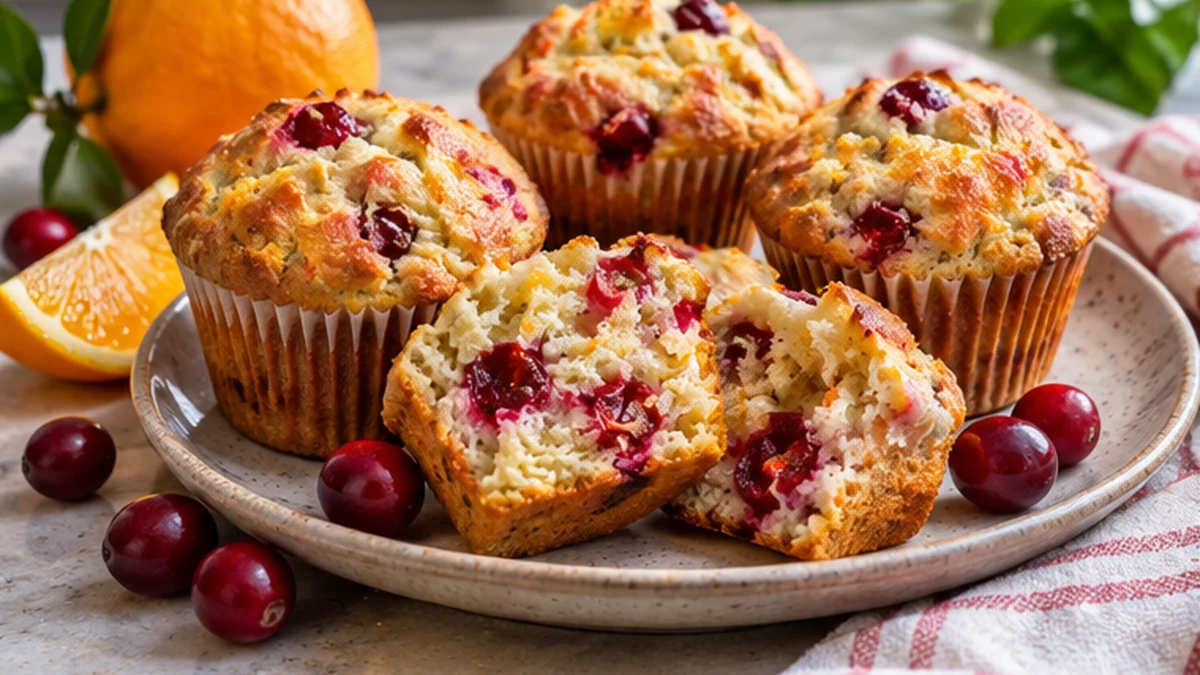
Cranberry orange cottage cheese muffins bring bright orange zest and tart cranberry pieces to a soft breakfast muffin made with blended cottage cheese, Greek yogurt, eggs, and a measured amount of vanilla whey protein. One standard muffin is estimated to provide about 13 grams of protein, with a golden top and a tender crumb rather than a dry, powdery center. For a different seasonal option with no protein powder, see our high protein pumpkin muffins without protein powder.
This recipe makes twelve muffins in one pan and uses fresh or frozen cranberries without a sugary glaze. The cottage cheese disappears into the batter, orange zest delivers most of the citrus aroma, and a modest amount of oil helps the muffins stay moist after refrigeration. If you are planning a full week of breakfasts, our breakfast recipes collection has other warm and make-ahead choices.
The essential technique is to blend the cottage cheese until smooth, keep the flour and protein powder measured, and stop mixing once the batter comes together. The muffins are moderately sweet with a lively tart finish; they are not low-carb or gluten-free because the primary recipe includes wheat flour. For a completely different make-ahead texture, try the high protein overnight oats recipe instead of converting this muffin batter into oats.
Table of Contents
Why You Will Like These Cranberry Orange Cottage Cheese Muffins
About 13 grams of estimated protein per standard muffin, using twelve equal portions.
Fresh orange zest and cranberries create a recognizable tart-sweet bakery flavor.
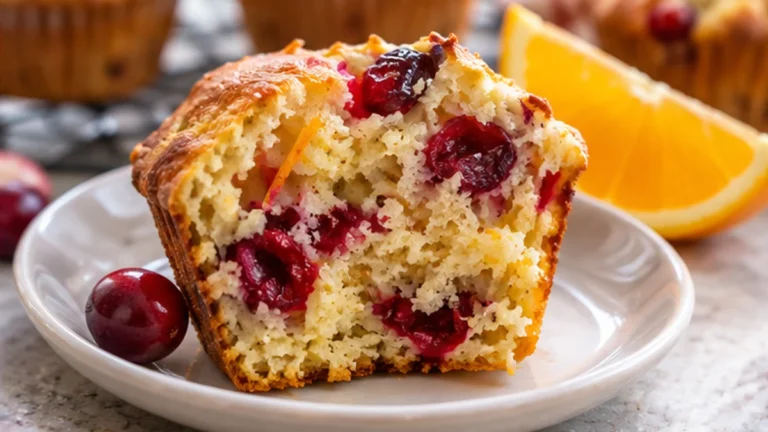
Blended cottage cheese adds moisture with no obvious curds in the crumb.
A smaller amount of vanilla whey enhances protein without replacing the structural flour.
The batter uses one blender and two mixing bowls—no stand mixer required.
Fresh and frozen cranberries both work; frozen berries go straight into the batter.
Cooled muffins can be packed separately and frozen for planned breakfasts.
Ingredients for Cranberry Orange Cottage Cheese Muffins
Cottage Cheese and Greek Yogurt
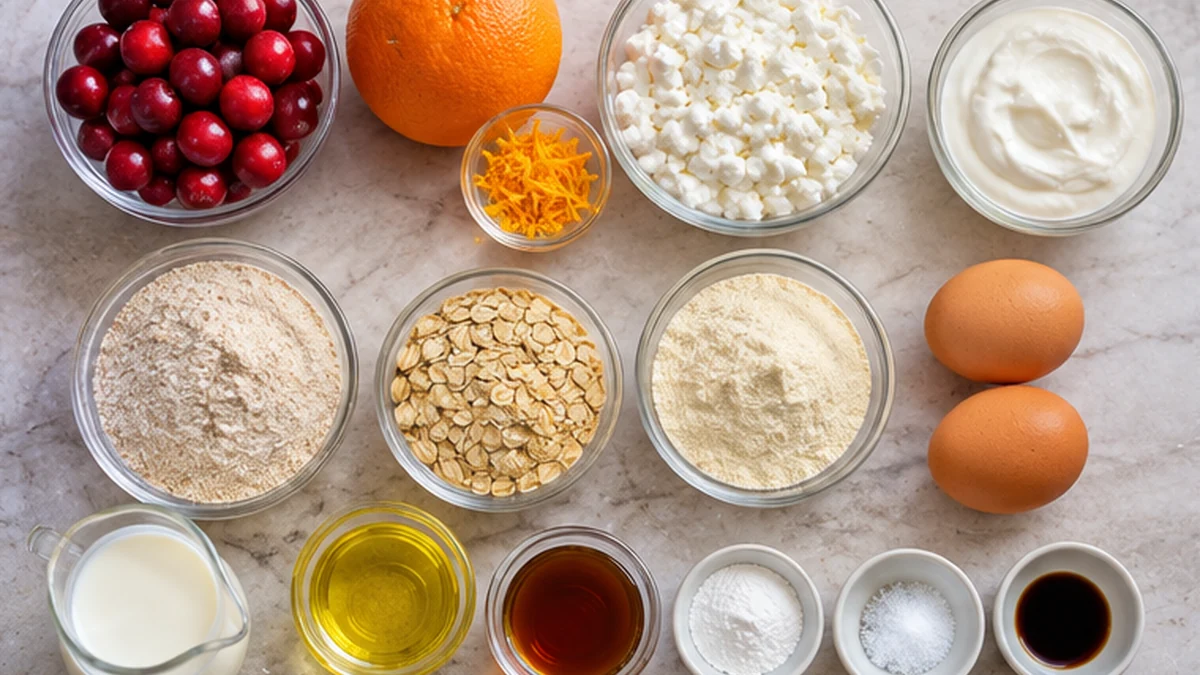
Use 1½ cups (340 g) 2% cottage cheese and ¾ cup (170 g) plain nonfat Greek yogurt. Blend the cottage cheese with the other wet ingredients until no white curds remain. These two dairy ingredients add protein and moisture without needing a stick of butter. The same blended-cottage-cheese technique gives our high protein pumpkin bread a tender texture, although this muffin recipe has a different flour and liquid balance.
Whole-Wheat Flour, Oats, and Vanilla Whey
Measure 1½ cups (180 g) white whole-wheat flour, ½ cup (45 g) quick oats, and ½ cup (60 g) vanilla whey isolate. The flour develops the muffin structure, the oats give a little chew, and the whey contributes concentrated protein. Powder brands absorb liquid differently, so use the gram measures and the exact style of powder for the most predictable batter. Do not substitute 60 grams of plant protein powder without adjusting the formula; many plant blends thicken more aggressively.
Fresh Cranberries and Orange
Use 1¼ cups (125 g) fresh or frozen cranberries, the finely grated zest of one medium orange, and 1 tablespoon fresh orange juice. Chop large cranberries in half so they are easier to distribute. Keep the peel’s bitter white pith out of the zest. This combination is much more tart than the fruit in our cranberry lemon drop mocktail, which uses sweetened juice cocktail rather than raw berries.
Eggs, Maple Syrup, Oil, Milk, and Leavening
Two large eggs help the muffins set. Use ⅓ cup pure maple syrup for measured sweetness, ¼ cup neutral oil for a tender crumb, ½ cup 2% milk to loosen the blended base, and a teaspoon of vanilla. Two teaspoons of baking powder and ½ teaspoon baking soda support the rise; ¼ teaspoon fine salt sharpens the orange flavor. The finished muffins are not intensely sweet, so serve with fruit or yogurt if you want a larger breakfast.
The recipe card below lists the full batch for twelve standard muffins. Use a scale if possible, and divide the batter evenly rather than pouring extra into the last few cups. The estimated nutrition is for one muffin without an added glaze, butter, or nut topping.
Moist orange-zest muffins with tart cranberries, blended cottage cheese, Greek yogurt, eggs, oats and vanilla whey isolate; about 13 g estimated protein per muffin.
Total Time:55 minutes
Yield:12 standard muffins
Ingredients
Scale
1 1/2 cups (180 g) white whole-wheat flour, spooned and leveled
1/2 cup (45 g) quick oats
1/2 cup (60 g) vanilla whey protein isolate (about 48 g protein in the full amount)
2 teaspoons baking powder
1/2 teaspoon baking soda
1/4 teaspoon fine salt
1 1/2 cups (340 g) 2% cottage cheese
3/4 cup (170 g) plain nonfat Greek yogurt
2 large eggs
1/3 cup (approximately 107 g) pure maple syrup
1/4 cup (60 ml) neutral oil, such as avocado oil
1/2 cup (120 ml) 2% milk, plus up to 2 tablespoons only if needed for a very stiff batter
Finely grated zest of 1 medium orange (avoid the bitter white pith)
1 tablespoon (15 ml) fresh orange juice
1 teaspoon pure vanilla extract
1 1/4 cups (125 g) fresh or frozen cranberries, large berries halved
Baking spray for liners, if needed
Instructions
Preheat the oven to 375°F (190°C). Line a 12-cup standard muffin pan and lightly spray the liners if needed.
In a large bowl whisk together the flour, quick oats, whey isolate, baking powder, baking soda and salt until no powder clumps remain.
Blend the cottage cheese, Greek yogurt, eggs, maple syrup, oil, milk, orange zest, orange juice and vanilla for 30 to 45 seconds until completely smooth.
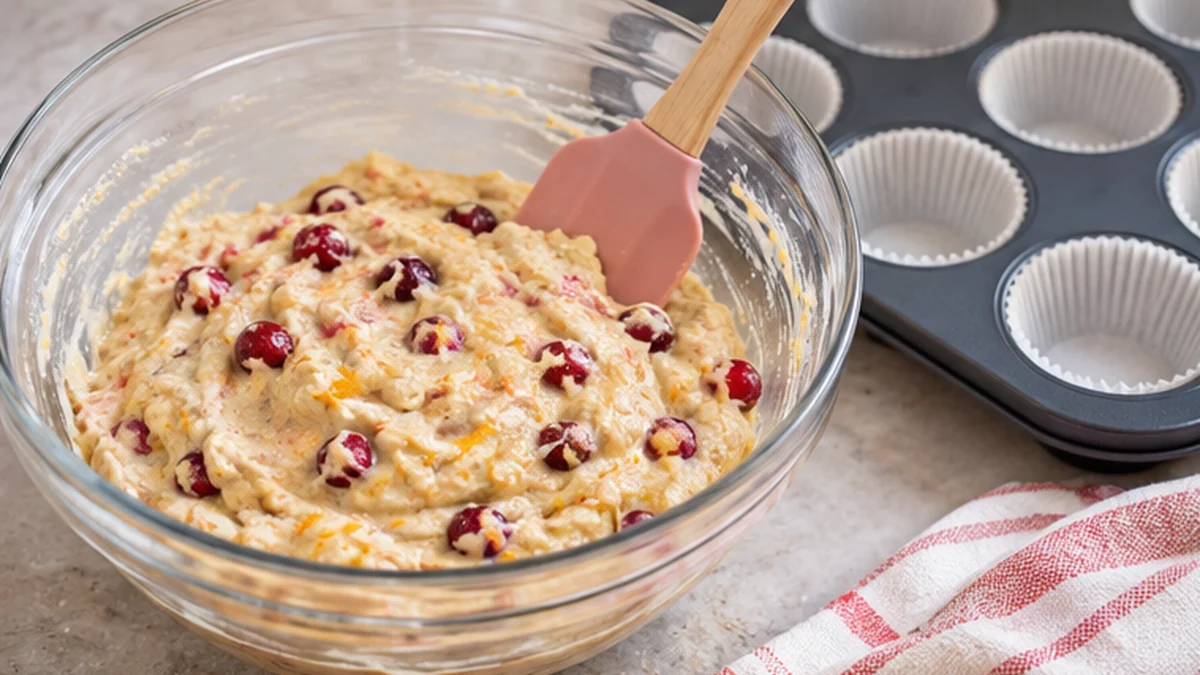
Fold the wet mixture into the dry ingredients just until no dry flour patches remain. The batter should be thick and scoopable. If unusually stiff, add milk 1 tablespoon at a time, no more than 2 tablespoons.
Fold in the cranberries gently, keeping their pieces evenly spread rather than crushing them into the batter.
Divide batter evenly among 12 muffin cups. Bake for 24 to 28 minutes, until the tops are lightly golden, a center muffin springs back, and a toothpick comes out without wet batter. If using a thermometer, the egg-containing centers should reach at least 160°F (71°C).
Let the muffins cool in the pan for 10 minutes, then transfer to a wire rack. Cool before removing the paper liners and serving.
Notes
Nutrition is a transparent estimate for 1 of 12 muffins, calculated using typical ingredient values and a whey isolate providing about 24 g protein per 30 g powder. Recalculate using exact brand labels for personal tracking.
Vanilla whey isolate is part of the recipe balance; replacing it with plant protein or removing it changes texture and the stated nutrition.
Fresh or frozen cranberries work; do not thaw frozen berries first. Sweetened dried cranberries are not a direct replacement.
The primary recipe contains wheat, dairy and eggs, and is not gluten free.
Do not eat raw batter. Wash utensils and surfaces after handling raw eggs and flour.
Refrigerate completely cooled muffins at 40°F or below and use within 3 to 4 days, or freeze individually for about 2 months for best quality.
Author:Adam Moretti
Prep Time:20 minutes
Cooling:10 minutes
Cook Time:25 minutes
Category:Breakfast
Method:Oven Baking
Cuisine:American
Diet:High Protein, Vegetarian
How to Make Cranberry Orange Cottage Cheese Muffins
1. Preheat the Oven and Prepare the Pan
Heat your oven to 375°F (190°C). Line a twelve-cup muffin pan with sturdy paper liners and spray the liners lightly with baking spray if they tend to stick. Position the rack near the oven center. These are baked muffins, not a refrigerator dessert like our apple peanut butter chia pudding; keeping the oven fully preheated is important for an even rise.
2. Combine the Dry Ingredients
Whisk the white whole-wheat flour, quick oats, vanilla whey isolate, baking powder, baking soda, and salt together in a large bowl. Break apart clumps of protein powder with the whisk. When the leavening is evenly mixed into the flour, it is less likely to create isolated tunnels or bitter patches in the baked crumb.
3. Blend the Wet Ingredients Smooth
Put the cottage cheese, Greek yogurt, eggs, maple syrup, oil, milk, orange zest, orange juice, and vanilla in a blender. Blend for about 30 to 45 seconds, scraping once if needed, until creamy and completely smooth. This is the same general idea used to hide cottage-cheese texture in our high protein pumpkin muffins, but this citrus batter uses whey and wheat flour rather than almond flour.
4. Fold the Batter and Cranberries
Pour the wet mixture into the bowl of dry ingredients and fold with a wide spatula until there are no flour streaks. The batter should be thick and scoopable, not runny. Fold in the chopped cranberries with only three or four final turns; a few red streaks are normal. If the mixture is unusually stiff because of your whey powder, add one tablespoon of milk at a time, up to two tablespoons, without turning it into pancake batter.
5. Divide and Bake
Spoon the batter evenly among all twelve prepared cups, around three-quarters to nearly full depending on the liner size. Bake for 24 to 28 minutes, checking the center muffins first. The tops should be lightly golden and spring back, and a toothpick should come out without wet batter. For a muffin recipe with different fruit and fat proportions, consult our high protein banana muffin ideas in the breakfast collection rather than assuming identical baking times.
6. Cool Before Removing the Liners
Rest the pan for 10 minutes, then transfer the muffins to a rack. Waiting helps the protein-and-dairy crumb finish setting and reduces sticking. Cut one only after it has cooled enough to show the crumb clearly; the red cranberry pockets should be moist without leaving raw batter around them.
What Makes These Muffins Moist Instead of Rubbery?
Cranberry orange cottage cheese muffins depend on a balance of flour, moisture, fat, and heat. Whey isolate contributes protein but can make batters firm when used as the main dry ingredient; here it is only a portion of the flour mixture. Cottage cheese and Greek yogurt supply water and softness, while a small amount of oil helps the cooled texture. Our high protein blueberry muffins take a different approach with almond flour, so that recipe is not a reliable cup-for-cup substitution chart for this one.
Dense muffins can result from excess flour, old baking powder, a cold oven, or batter mixed too aggressively. Weigh flour instead of packing it into a cup and whisk the dry ingredients before adding wet ingredients. Make sure the oven is fully preheated and avoid opening the door during the first twenty minutes. A protein-enriched muffin will be a little sturdier than a very sugary bakery muffin, but it should not be rubbery.
The Centers Are Wet or Gummy
This usually means the muffins need another two to four minutes or the cranberries were unusually juicy. Check one center muffin rather than judging only the browned edge cups. If the tops color before the centers set, lay a loose sheet of foil over the pan and finish baking. Let the muffins cool on a rack before deciding that the centers are underdone.
Variations and Ingredient Swaps
Use Frozen Cranberries
Replace fresh cranberries with the same weight of frozen cranberries and fold them into the batter directly from frozen. Do not thaw and drain unless the package explicitly instructs you to, because thawed berries can bleed through the whole batter. The baking time may need another minute or two if the fruit is icy.
What About Gluten-Free Flour?
The main recipe uses wheat flour and is not gluten free. A 1-to-1 gluten-free blend may need different liquid and baking time, especially with whey isolate; it has not been validated here. Readers avoiding gluten can start with the verified recipes in our gluten-free recipe collection and check every packaged ingredient for cross-contact.
Can I Skip the Protein Powder?
Not without developing a new batter. Removing sixty grams of whey changes the dry matter, water absorption, protein per serving, and baking behavior. A better no-powder alternative is the high protein pumpkin bread without protein powder, or its individually portioned pumpkin muffin version.
Storing Cranberry Orange Cottage Cheese Muffins
Cool the muffins completely and place them in airtight containers. For the dairy-and-egg-rich version here, refrigerate at 40°F (4°C) or below and use within about 3 to 4 days; freeze individually wrapped muffins for the best longer-term quality, ideally within two months. The FoodSafety.gov storage chart provides general safe refrigerator and freezer temperatures. Our high protein apple baked oats are another reheatable option for breakfast meal prep.
Thaw one muffin overnight in the refrigerator or microwave it from thawed in short intervals until pleasantly warm. Do not seal warm muffins in a container: trapped steam can make the surfaces wet. Pack the muffins separately from fresh fruit or yogurt so the liners do not soften. For portable meal planning, visit our snack recipe collection for complementary options.
Food Safety and Nutrition Notes
Do not taste the unbaked batter: both flour and raw eggs can contain harmful microorganisms. The FDA flour-handling guide advises baking raw flour mixtures thoroughly and cleaning utensils and counters after handling raw batter. For an egg-containing baked good, fully cooked centers are the goal; if checking with a thermometer, FoodSafety.gov lists 160°F for egg dishes. Do not use raw batter as a taste test.
The estimated nutrition for one of twelve equal muffins is about 200 calories, 13 grams of protein, 23 grams of carbohydrates, and 7 grams of fat. This estimate uses 2% cottage cheese, nonfat Greek yogurt, 2% milk, pure maple syrup, white whole-wheat flour, quick oats, and a representative whey isolate with approximately 24 grams protein per 30 grams. It is a formulation estimate, not a laboratory result; labels differ. The USDA FoodData Central database is a useful reference for common foods, while packaged whey and dairy should be calculated from the actual label. Our high protein foods guide offers additional context on using a range of protein sources.
This muffin contains wheat, dairy, and eggs, and the ingredient labels matter for allergens. The cranberry and orange ingredients do not make it suitable for a medical diet. For readers who want a more customized set of meal ideas from published recipes, our NutriMatch recipe finder lets you compare reviewed meal types and dietary features; this is not a claim that the muffins fit every dietary preference.
Cranberry Orange Cottage Cheese Muffins FAQs
How much protein is in cranberry orange cottage cheese muffins?
Cranberry orange cottage cheese muffins provide about 13 grams per standard muffin in this twelve-muffin formulation, based on representative ingredient values. Cottage cheese, Greek yogurt, eggs, flour, oats, and whey isolate all contribute; actual protein depends on the brands and serving sizes. See the complete recipe card for the ingredients used in that estimate.
Can I use large-curd cottage cheese?
Yes. Both large-curd and small-curd cottage cheese work because you blend the wet mixture until completely smooth. Avoid adding extra liquid separated in the tub. That technique also works in our high protein pumpkin bread, which is formulated for a loaf pan rather than muffins.
Can I make cranberry orange cottage cheese muffins without whey?
The recipe is designed around a measured amount of whey isolate. Omitting it changes the flour balance and lowers the protein estimate. For a no-powder option, choose a recipe formulated that way rather than guessing at a flour swap.
How do I prevent dry protein muffins?
Weigh the dry ingredients, blend the dairy smooth, mix gently, and stop baking once the center is cooked rather than waiting for dark brown tops. If your whey powder absorbs more liquid, fold in up to two additional tablespoons of milk before portioning the batter. For a different type of make-ahead protein breakfast, compare our apple peanut butter chia pudding.
Are these cranberry orange muffins gluten free?
No. They contain white whole-wheat flour. If you must avoid gluten, do not assume an untested flour swap is safe or gives the same texture. Browse our gluten-free recipes and check packaged ingredients and kitchen cross-contact as needed.
What should I serve with them for breakfast?
One muffin pairs well with fresh fruit, plain yogurt, or a cup of coffee; add those extras separately when calculating your meal. If you want a no-bake breakfast instead, our high protein overnight oats and apple chia pudding both use a refrigerated preparation method and different nutrition profiles.
Final Tips for Cranberry Orange Cottage Cheese Muffins
For the most reliable cranberry orange cottage cheese muffins, weigh the flour and whey, finely grate only the orange peel, blend the cottage cheese until smooth, and fold the cranberries gently into a thick batter. Start checking the center cups after 24 minutes, then cool the whole batch on a rack before storing it. For another seasonal baked breakfast with a different flavor profile, try the high protein pumpkin muffins.
This recipe is built to be both enjoyable and measurable: real citrus aroma, tart cranberry pockets, a tender muffin crumb, and a transparent protein estimate. Enjoy the muffins warm or freeze individual portions, while remembering that nutrition changes with substitutions and product brands.
Reviewed recipe options
Make this recipe fit me
Choose one of seven popular diet options. NutriMatch will confirm whether the recipe already fits, show a reviewed adaptation when available, or recommend recipes that match your choice.
Please choose a diet first.
Not available for this recipe
This recipe cannot currently be made Dairy-Free with a reviewed adaptation.
NutriMatch will not guess at substitutions. Try one of these recipes that is already reviewed for your choice.
Recipe details, product formulas, and cross-contact information can change. Confirm current labels and use professional guidance when medically necessary.
Not available for this recipe
This recipe cannot currently be made Gluten-Free with a reviewed adaptation.
NutriMatch will not guess at substitutions. Try one of these recipes that is already reviewed for your choice.
Recipe details, product formulas, and cross-contact information can change. Confirm current labels and use professional guidance when medically necessary.
Not available for this recipe
This recipe cannot currently be made High Protein with a reviewed adaptation.
NutriMatch will not guess at substitutions. Try one of these recipes that is already reviewed for your choice.
Recipe details, product formulas, and cross-contact information can change. Confirm current labels and use professional guidance when medically necessary.
Not available for this recipe
This recipe cannot currently be made Keto with a reviewed adaptation.
NutriMatch will not guess at substitutions. Try one of these recipes that is already reviewed for your choice.
Recipe details, product formulas, and cross-contact information can change. Confirm current labels and use professional guidance when medically necessary.
Not available for this recipe
This recipe cannot currently be made Low Carb with a reviewed adaptation.
NutriMatch will not guess at substitutions. Try one of these recipes that is already reviewed for your choice.
Recipe details, product formulas, and cross-contact information can change. Confirm current labels and use professional guidance when medically necessary.
Not available for this recipe
This recipe cannot currently be made Vegan with a reviewed adaptation.
NutriMatch will not guess at substitutions. Try one of these recipes that is already reviewed for your choice.
Recipe details, product formulas, and cross-contact information can change. Confirm current labels and use professional guidance when medically necessary.
Already a reviewed match
This recipe already fits Vegetarian.
No changes are needed based on its reviewed NutriMatch classification. Check the complete ingredients, product labels, and serving details for your own needs.
Recipe details, product formulas, and cross-contact information can change. Confirm current labels and use professional guidance when medically necessary.