This egg chukauni recipe pairs firm boiled eggs with cool, tangy Greek yogurt, crisp cucumber, thinly sliced red onion and a fragrant fenugreek-and-turmeric tempering. It is a Nepali-inspired, no-mayonnaise egg salad that can be served with rice or flatbread or eaten straight from a bowl. For more ideas built around satisfying ingredients, browse our high-protein recipes.
The version below uses four eggs and one cup of plain nonfat Greek yogurt to make two lunch portions. Unlike the traditional potato-based preparation, this adaptation skips potatoes and puts eggs at the center. Expect a creamy, lightly golden dressing with crunchy vegetables and a gentle bitter edge from toasted fenugreek. You need a saucepan for the eggs, a small skillet for the spices and a mixing bowl. Allow about 25 minutes from start to finish, including cooling the eggs.
Table of Contents
What is egg chukauni?
Chukauni is associated with Palpa in western Nepal. Its familiar foundation is cooked potato dressed with tangy yogurt and spices. The Nepalese publication Republica describes the regional potato salad. The egg variation belongs to a more flexible family of preparations inspired by that dish. An egg-based version published in 2025 also combines yogurt, eggs and vegetables. It is better to describe this recipe as an adaptation than as the definitive traditional recipe of Palpa.
The appeal of this egg chukauni recipe is the contrast between temperatures and textures: the eggs and yogurt are cool, the vegetables remain crisp, and the spices are briefly heated in oil to release their aroma. Unlike an egg curry, the yogurt is not simmered. Unlike a classic American egg salad, the dressing is not based on mayonnaise. The eggs are cut into quarters rather than mashed into a spread.
Ingredients and exact measurements
4 large eggs (about 200 g peeled)
1 cup (245 g) plain nonfat Greek yogurt
1/2 cup (75 g) diced cucumber
1/4 cup (40 g) thinly sliced red onion
2 tablespoons (8 g) chopped cilantro
1 small green chili, finely chopped (about 5 g)
1 small garlic clove, finely grated (3 g)
1/4 teaspoon fine salt (1.5 g)
1 tablespoon (14 g) canola oil
1/4 teaspoon fenugreek seeds
1/4 teaspoon ground turmeric
1/4 teaspoon crushed red pepper flakes
Choose plain yogurt with no added sweetener. Greek yogurt provides a thick base that coats the eggs without requiring mayonnaise or cream. A regular plain yogurt can work, but its thinner consistency may require draining first. Look for a cucumber with a firm exterior, and remove the watery seed core if it is especially large. A small amount of onion is enough; slicing it thinly helps prevent one bite from overwhelming the yogurt.
Fenugreek seeds are the distinctive seasoning in this adaptation. They are not the same as dried fenugreek leaves, which have a softer herbal character. Use a small amount, because the seeds become bitter when overcooked. Canola oil is a neutral, readily available option for US kitchens; culinary mustard oil is associated with many regional versions, but this recipe does not require it. Turmeric gives the dressing its golden color, and red pepper flakes provide gentle heat alongside the fresh green chili.
How to make this egg chukauni recipe
1. Cook and cool the eggs
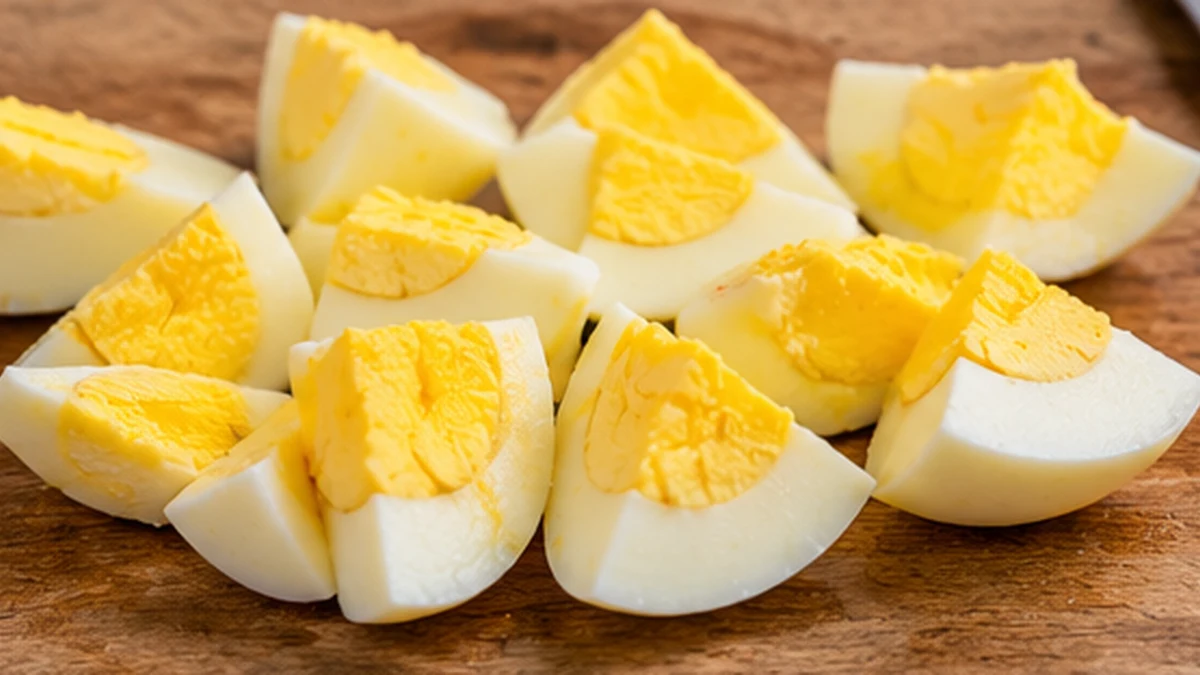
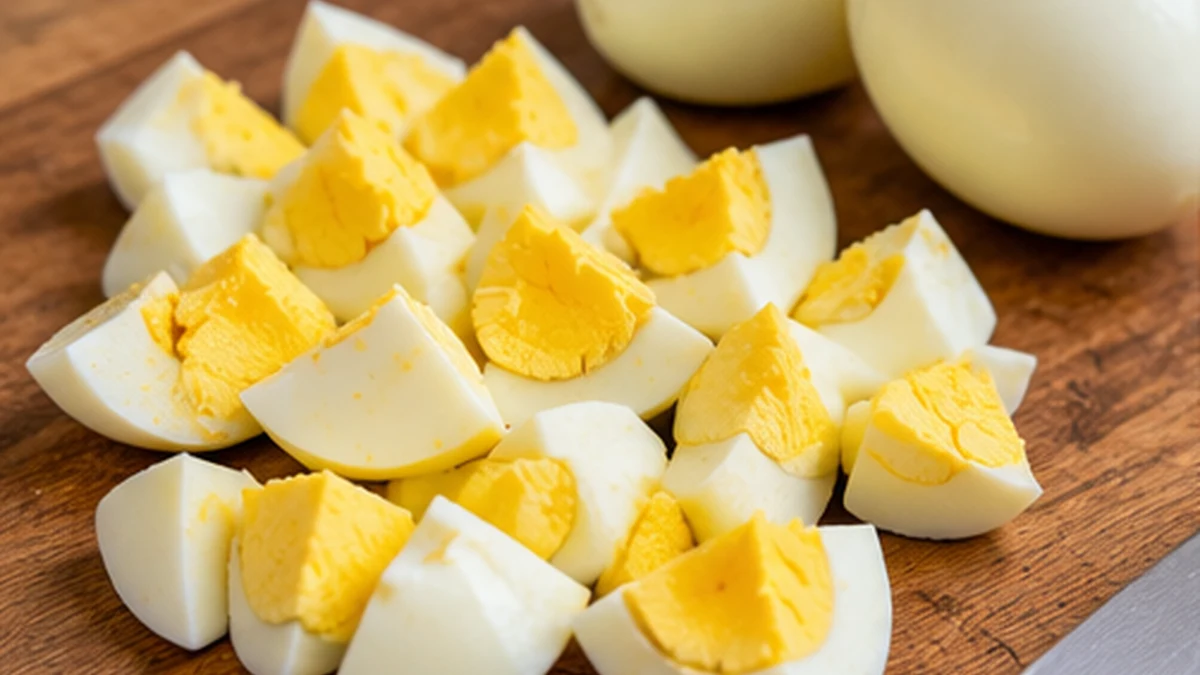
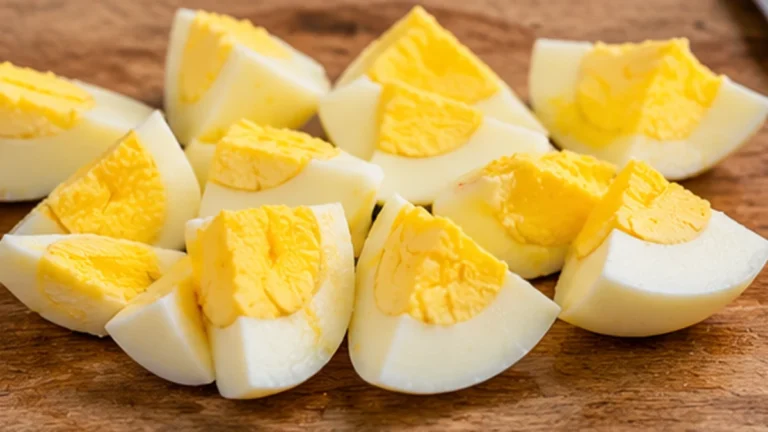
Bring enough water to cover four large eggs to a gentle boil. Carefully lower the eggs into the water using a spoon. Maintain a gentle boil for 12 minutes. Transfer them immediately to a bowl of ice water for at least 5 minutes. The yolks should be firm all the way through. Peel the eggs and cut each into four wedges. If using previously cooked eggs, skip the boiling and cooling steps, but keep them refrigerated until needed.
Cut on a clean board with a sharp knife. Wipe the blade between cuts if yolk sticks to it. Do not crush the wedges; intact pieces give the dish a more substantial texture and keep the dressing from becoming chalky. If a few pieces break, reserve them for the bottom of the bowl rather than trying to repair them.
2. Prepare the cold yogurt base
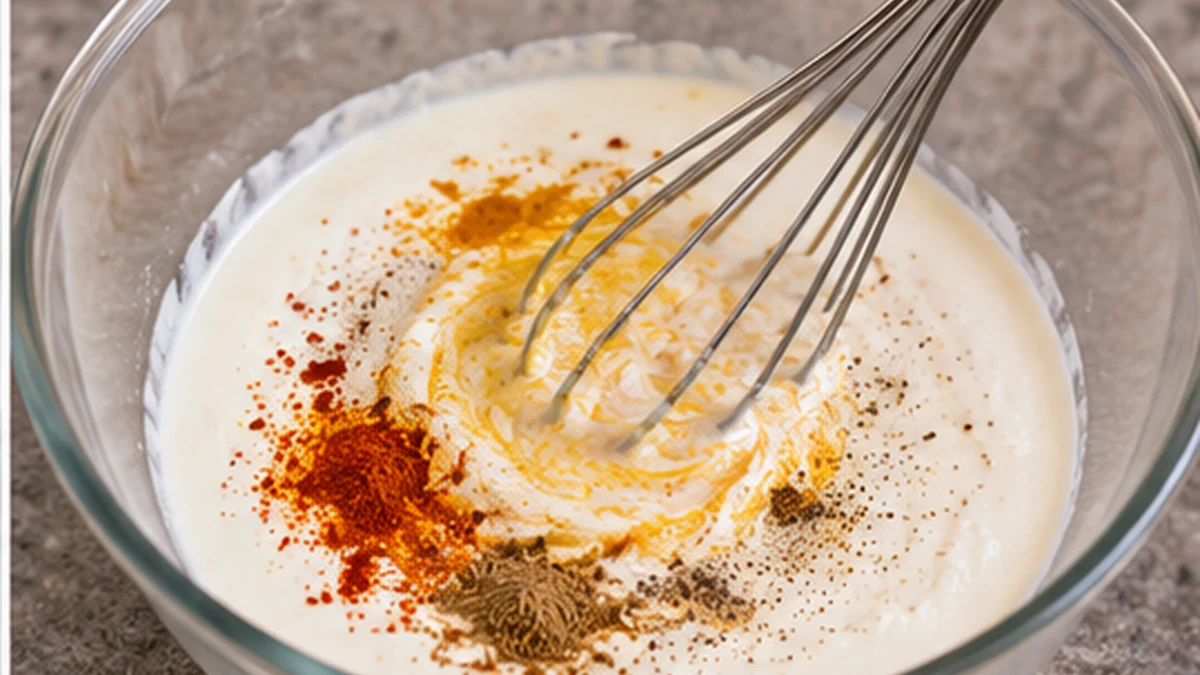
Whisk the yogurt, garlic and salt in a medium bowl until smooth. Fold in the cucumber, red onion, green chili and cilantro. Keep a little of the measured cilantro aside for the top if desired. If the cucumber is wet after chopping, pat it dry before adding it. A thick yogurt base should hold a shallow trail when a spoon passes through it. Do not add water unless the yogurt is unusually stiff; in that case, use a teaspoon at a time.
3. Temper the spices
Heat the tablespoon of canola oil in a small skillet over medium-low heat. Add the fenugreek seeds and stir for 20 to 40 seconds, until fragrant and slightly darker, not black. Turn off the heat. Stir in the turmeric and red pepper flakes for a few seconds in the residual heat. Let the oil settle for about 30 seconds, then slowly stir it into the yogurt while whisking. Do not put the yogurt directly in the hot skillet.
This step is small but important. The oil carries the spice flavor throughout the dressing, so you do not need to add a large quantity of powdered seasoning. If the seeds blacken or the spices smell burnt, discard the tempering and start again with fresh measured ingredients. A burnt tempering cannot be fixed by adding more yogurt without changing the balance of the recipe.
4. Assemble and serve
Gently fold the egg wedges into the seasoned yogurt using a flexible spatula, or arrange the wedges over the yogurt and spoon some dressing over them. Sprinkle with any reserved cilantro. Divide into two equal portions and serve promptly. The egg chukauni recipe is ready when the yogurt evenly coats the vegetables and the egg wedges remain recognizable. No additional frying or simmering is necessary.
Hard-boiled egg wedges with cucumber, onion, Greek yogurt and a fragrant fenugreek, turmeric and chili oil tempering.
Total Time:25 minutes
Yield:2 lunch servings
Ingredients
Scale
4 large eggs (about 200 g peeled)
1 cup (245 g) plain nonfat Greek yogurt
1/2 cup (75 g) diced cucumber
1/4 cup (40 g) thinly sliced red onion
2 tablespoons (8 g) chopped cilantro
1 small green chili, finely chopped (about 5 g)
1 small garlic clove, finely grated (3 g)
1/4 teaspoon fine salt (1.5 g)
1 tablespoon (14 g) canola oil
1/4 teaspoon fenugreek seeds
1/4 teaspoon ground turmeric
1/4 teaspoon crushed red pepper flakes
Instructions
Bring water to a gentle boil. Lower in the eggs and cook 12 minutes. Cool in ice water at least 5 minutes, peel and quarter.
Whisk yogurt, garlic and salt. Fold in cucumber, onion, green chili and cilantro, reserving a little cilantro if desired.
Heat canola oil over medium-low heat. Stir fenugreek seeds for 20–40 seconds until fragrant. Turn off heat and stir in turmeric and red pepper flakes for a few seconds. Rest 30 seconds, then slowly whisk into yogurt.
Gently fold in egg wedges. Top with reserved cilantro if used. Divide into two portions and serve promptly.
Notes
Nepali-inspired egg adaptation, not traditional potato chukauni.
Nutrition is estimated for one half of the recipe; all oil included; excludes bread and rice.
Contains egg and milk. Check spice labels and cross-contact if avoiding gluten.
Keep refrigerated at 40°F or below; use assembled leftovers within two days and within the safe storage window of the eggs.
Allow 25 minutes including egg cooling and heating water; prepare vegetables while eggs cook.
Author:Adam Moretti
Prep Time:10 minutes
Cook Time:15 minutes
Category:Lunch
Method:Boil / Stovetop
Cuisine:Nepali-inspired
Diet:Vegetarian
How to get the right consistency
A good dressing should be spoonable rather than runny. If it looks thin before the eggs go in, check whether the cucumber released liquid or the yogurt was too loose. You can strain regular yogurt in a fine mesh sieve in the refrigerator before measuring it. With Greek yogurt, start with the full measured cup and avoid adding liquid automatically. The vegetables will release a little moisture once salted, so prepare the dressing close to serving time.
If the dressing is too thick, a small splash of cold water can loosen it. Add only enough to allow it to coat the wedges. If it tastes flat, check the seasoning after the tempering has been incorporated: the aromatic oil changes how the yogurt tastes. Taste with a clean spoon and adjust only if needed. More chili makes it hotter, but it does not necessarily make it more flavorful.
Ingredient substitutions that make sense
For less heat, omit the green chili or use only part of it. The red pepper flakes can also be reduced independently. For a sharper onion flavor, use the red onion as written; for a milder version, soak the slices in cold water for five minutes and drain thoroughly. Fresh cilantro can be omitted if you dislike its flavor, although the finished dish will lose its herbal note. Parsley is a possible substitute, not an equivalent traditional ingredient.
Full-fat Greek yogurt makes a richer dressing. It will change the calorie and fat estimate, so recalculate if the nutrition information matters for your meal plan. For a dairy-free adaptation, an unsweetened thick plant-based yogurt may work, but protein content and flavor vary significantly. Eggs are still present, so that change would not make the recipe vegan. For more plant-based meal ideas, see our vegan recipe collection.
If fenugreek seeds are unavailable, use a small pinch of dried fenugreek leaves in the warm oil off the heat. The flavor will be different and the leaves burn easily. Do not substitute a full teaspoon of ground fenugreek for the quarter teaspoon of whole seeds. If you prefer a potato version, add separately cooked and cooled potato pieces, but recognize that the portions and nutrition will no longer match the recipe card below.
Serving ideas for lunch and dinner
Serve egg chukauni with a bowl of steamed rice for a simple lunch. The yogurt dressing can be spooned onto the rice much like a tangy accompaniment. Flatbread is another practical pairing: use it to scoop up the egg wedges and vegetables. If serving alongside a larger meal, divide the recipe into four smaller side portions instead of two lunch portions. The nutrition panel is calculated for two portions, not four.
The dish also works as a cold component in a lunch box with a separate container of rice or bread. Keep the yogurt and eggs chilled during transport. If you want a different chilled lunch, explore our other high-protein meal ideas for alternatives rather than adding unrelated ingredients to this egg chukauni recipe. For gluten-free serving options, choose plain rice or a verified gluten-free bread and check seasonings for cross-contact.
Nutrition and serving size
Each of the two portions contains two eggs, approximately half a cup of Greek yogurt, half the vegetables and half the oil. The ingredient-based estimate is about 310 calories and 26 grams of protein per portion. It excludes rice, flatbread and any optional toppings. Eggs supply fat and protein, while nonfat Greek yogurt contributes additional protein without much added fat. This is an estimate, not laboratory analysis or a guarantee about a particular yogurt brand.
The calculation uses representative entries for hard-boiled eggs and plain nonfat Greek yogurt from USDA FoodData Central, along with typical values for vegetables, spices and canola oil. All measured oil is included. The recipe contains eggs and milk. It has no wheat ingredients as written, but anyone managing celiac disease should check labels and preparation surfaces. Read our gluten-free recipe collection for other meal ideas.
Make ahead, storage and food safety
Boil the eggs ahead if you want a shorter assembly time. Refrigerate them at 40°F (4°C) or colder. The FDA egg safety guidance recommends using hard-cooked eggs within one week and limiting time outside refrigeration to two hours, or one hour above 90°F (32°C). For the assembled salad, use a conservative two-day refrigerated storage window for best texture and do not exceed the remaining safe storage time of any ingredient.
Store leftovers in a clean, covered container. If meal prepping, keep the eggs and cucumber separate from the yogurt dressing until serving to reduce moisture release. Stir the dressing gently before adding the eggs. Freezing is not recommended: thawed yogurt may separate, cooked egg whites can become rubbery, and cucumber loses its crisp texture. Do not leave the dish on a buffet table for extended periods.
egg chukauni recipe Frequently asked questions
Can I make egg chukauni without potatoes?
Yes. This egg chukauni recipe uses eggs instead of potatoes as the main ingredient. Traditional chukauni is commonly potato-based, so the egg version is best understood as a related adaptation. You can add cooked potatoes if you want a heartier dish, but that is a variation rather than the measured recipe here.
Is egg chukauni served hot or cold?
This version is served cool or chilled. The spices are heated briefly in oil, then combined with the cold yogurt. The eggs are cooled before assembly. Heating the finished yogurt mixture is unnecessary and may make it separate.
Can I use regular yogurt instead of Greek yogurt?
Yes, provided it is plain and unsweetened. Strain a thin yogurt before measuring it to achieve a similar consistency. Regular yogurt generally contains less protein per cup than Greek yogurt, so the nutrition estimate will change.
Why does the fenugreek taste bitter?
Fenugreek naturally has a bitter note, but overheating makes it much harsher. Use the measured quarter teaspoon, watch the seeds carefully and remove the skillet from the heat before adding the ground spices. If the tempering burns, remake it rather than mixing it into the yogurt.
Is this the same as egg curry?
No. The eggs in this egg chukauni recipe are boiled and served in a cold yogurt dressing. Many egg curries use a cooked sauce, often with onions and tomatoes simmered together. Here the vegetables remain fresh and the only cooked seasoning is the brief oil tempering.
Can I make it with leftover hard-boiled eggs?
Yes, if the eggs were refrigerated promptly and are still within their safe storage window. Peel and quarter them just before assembly. With eggs already cooked, the active work is mostly chopping, whisking and tempering the spices.
Final tips
Keep the eggs firm, the yogurt thick and the tempering fragrant rather than burnt. Those three details matter more than adding extra ingredients. This egg chukauni recipe is designed as a straightforward home adaptation of a Nepali-inspired idea, with measured portions and familiar grocery-store ingredients. Serve it freshly assembled and keep any leftovers cold.
Reviewed recipe options
Make this recipe fit me
Choose one of seven popular diet options. NutriMatch will confirm whether the recipe already fits, show a reviewed adaptation when available, or recommend recipes that match your choice.
Use the substitutions below to prepare a Dairy-Free version while keeping the rest of the recipe as close as possible to the original.
Ingredient swaps
1 cup (245 g) plain nonfat Greek yogurtUse 1 cup (245 g) unsweetened dairy-free Greek-style yogurt
Instruction changes
Use an unsweetened dairy-free Greek-style yogurt in the same measured amount; choose a thick product for dips and batters.
Check: Check packaged substitutes for milk ingredients and the cross-contact information you need.
Use these reviewed changes with the original ingredient quantities and instructions above. The original recipe card stays unchanged.
Recipe details, product formulas, and cross-contact information can change. Confirm current labels and use professional guidance when medically necessary.
Not available for this recipe
This recipe cannot currently be made Gluten-Free with a reviewed adaptation.
NutriMatch will not guess at substitutions. Try one of these recipes that is already reviewed for your choice.
Recipe details, product formulas, and cross-contact information can change. Confirm current labels and use professional guidance when medically necessary.
Already a reviewed match
This recipe already fits High Protein.
No changes are needed based on its reviewed NutriMatch classification. Check the complete ingredients, product labels, and serving details for your own needs.
Recipe details, product formulas, and cross-contact information can change. Confirm current labels and use professional guidance when medically necessary.
Not available for this recipe
This recipe cannot currently be made Keto with a reviewed adaptation.
NutriMatch will not guess at substitutions. Try one of these recipes that is already reviewed for your choice.
Recipe details, product formulas, and cross-contact information can change. Confirm current labels and use professional guidance when medically necessary.
Not available for this recipe
This recipe cannot currently be made Low Carb with a reviewed adaptation.
NutriMatch will not guess at substitutions. Try one of these recipes that is already reviewed for your choice.
Recipe details, product formulas, and cross-contact information can change. Confirm current labels and use professional guidance when medically necessary.
Not available for this recipe
This recipe cannot currently be made Vegan with a reviewed adaptation.
NutriMatch will not guess at substitutions. Try one of these recipes that is already reviewed for your choice.
Recipe details, product formulas, and cross-contact information can change. Confirm current labels and use professional guidance when medically necessary.
Already a reviewed match
This recipe already fits Vegetarian.
No changes are needed based on its reviewed NutriMatch classification. Check the complete ingredients, product labels, and serving details for your own needs.
Recipe details, product formulas, and cross-contact information can change. Confirm current labels and use professional guidance when medically necessary.
These high protein cranberry cheesecake cups layer smooth cottage cheese and Greek yogurt filling, graham crumbs, and homemade cranberry-orange topping.…