This vitamin C skin smoothie combines frozen strawberries, a whole peeled orange, green kiwi and chia seeds in a cold, sweet-tart drink that takes about 5 minutes to make. It uses water rather than juice, keeps the edible fruit pulp, and needs no added sugar or supplements. If you prefer eating your breakfast with a spoon, our dragon fruit smoothie bowl is another fruit-forward idea.
Vitamin C is needed for normal collagen formation, including collagen found in skin. That makes this combination a useful way to include vitamin C-rich foods in an everyday diet, not a treatment for skin conditions or a promise of glowing skin. The recipe makes one generous glass with roughly 219 calories, 13 grams of fiber and an ingredient-based estimate of about 200 milligrams of vitamin C. The actual amount depends on the fruit and storage conditions.
Table of Contents
Why this vitamin C skin smoothie works
The main challenge when blending citrus and berries is finding a balance between sharpness, sweetness and texture. Ripe orange provides liquid and sweetness, while strawberries lend body when frozen. Kiwi brings a brighter tang and a soft pulp that blends easily. Chia thickens the liquid slightly without the need for a banana or dairy product. The fruit already has enough natural sugar for most tastes.
Starting with cold water and soft fruit lets the blender pull frozen pieces down instead of leaving them stuck above the blades. The recipe is designed to be pourable rather than thick enough to eat with a spoon. Its texture is naturally a little seedy, especially if you use a standard blender rather than a high-powered one.
Ingredients and exact measurements
You need just five ingredients. Weigh fruit after peeling or trimming where appropriate. Cup measurements are convenient, but frozen whole strawberries vary considerably in size, so the gram amounts give a more repeatable drink.
Frozen strawberries — 1 cup (140 g)
Choose a bag without syrup or added sugar, or freeze washed, hulled berries at home. Frozen fruit cools and thickens the smoothie without diluting its flavor with a large handful of ice. Use small or sliced frozen berries if your blender struggles with large whole ones.
Orange — 1 medium (140 g edible flesh)
Choose a ripe, juicy orange. Peel it, remove seeds, and pull off any especially thick white pith. Keep the flesh and membranes rather than squeezing it and discarding the pulp. Navel oranges are particularly convenient because they usually have few seeds.
Green kiwi — 1 fruit (75 g edible flesh)
A ripe kiwi should yield slightly when gently pressed. Peel it and cut it in half or quarters. A very firm fruit can make the drink more tart; an overripe one may taste fermented. Green kiwi adds a refreshing acidity that balances the orange.
Chia seeds — 1 tablespoon (12 g)
Use plain chia seeds, not a flavored seed mix. They provide fiber and fat and make the drink slightly fuller-bodied. Most of the seeds go into the blender; if desired, reserve a small pinch from the measured tablespoon for the top. They absorb liquid as the smoothie sits.
Cold water — 1/2 cup (120 ml)
Water helps the blades circulate the fruit while keeping the flavor fresh. Begin with the measured amount. You may need an extra tablespoon or two if the berries are especially cold or the blender jar is wide. More water changes volume but not the nutrient totals.
How to make a vitamin C skin smoothie
Wash your hands, clean the blender jar and rinse the orange and kiwi under running water before peeling. If using fresh strawberries, rinse them before removing the stems. Follow the package instructions for frozen fruit. The FDA produce-cleaning guidance explains why even fruit with an inedible peel should be rinsed first.
Step 1: Load the blender
Pour 1/2 cup cold water into an upright blender. Add the peeled orange segments and kiwi pieces, then the chia seeds and frozen strawberries. If using an inverted personal blender, follow its recommended loading order.
Step 2: Blend until smooth
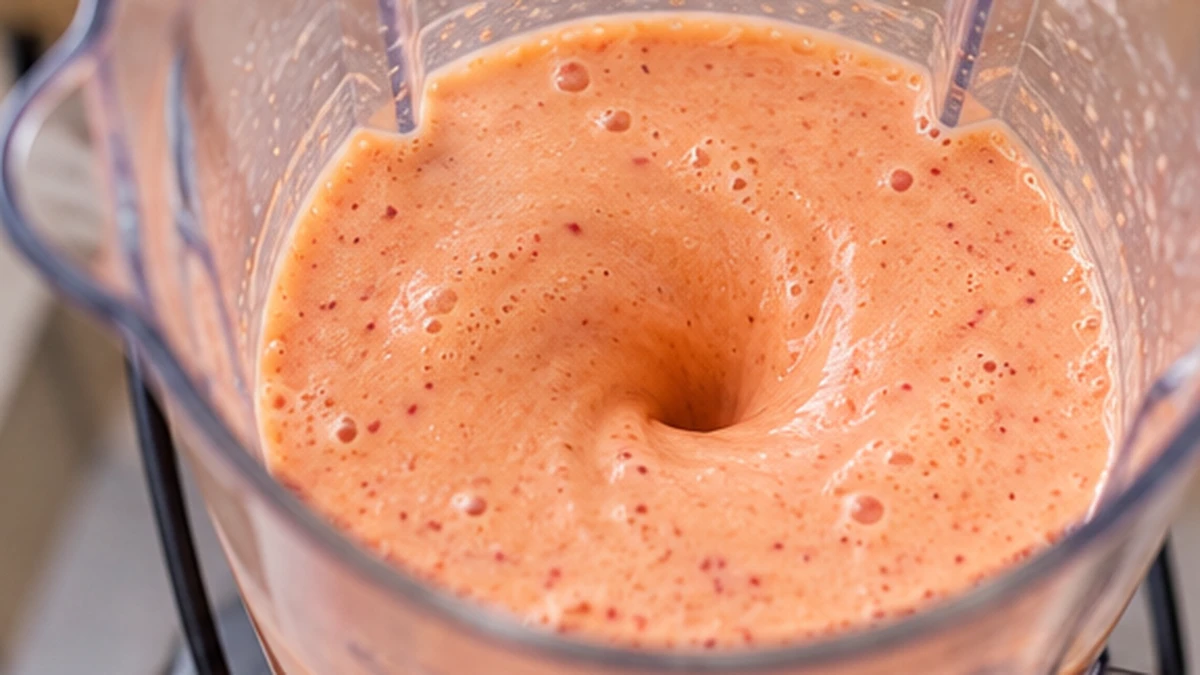
Close the lid securely. Start on low for about 10 seconds, then blend on high for 30 to 60 seconds, until no large pieces remain. Stop the motor before scraping the sides or adjusting the mixture.
Step 3: Adjust the consistency
Check the consistency. If the mixture stalls or is too thick to pour, add cold water one tablespoon at a time and blend briefly again.
Step 4: Pour and serve
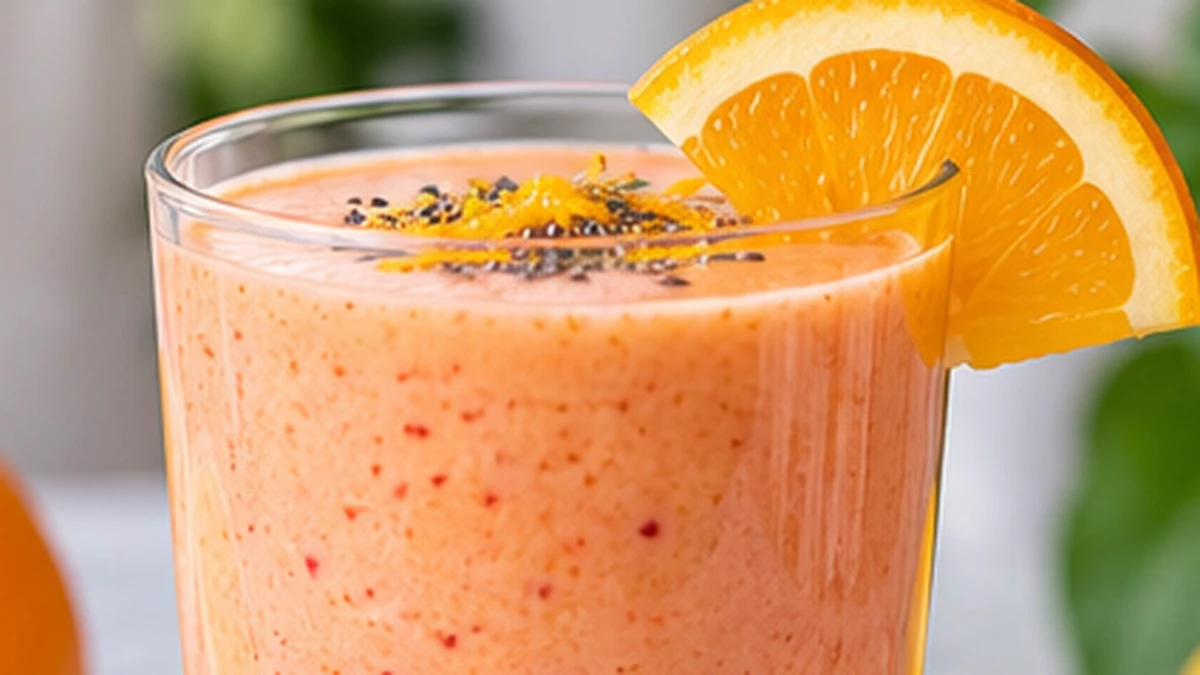
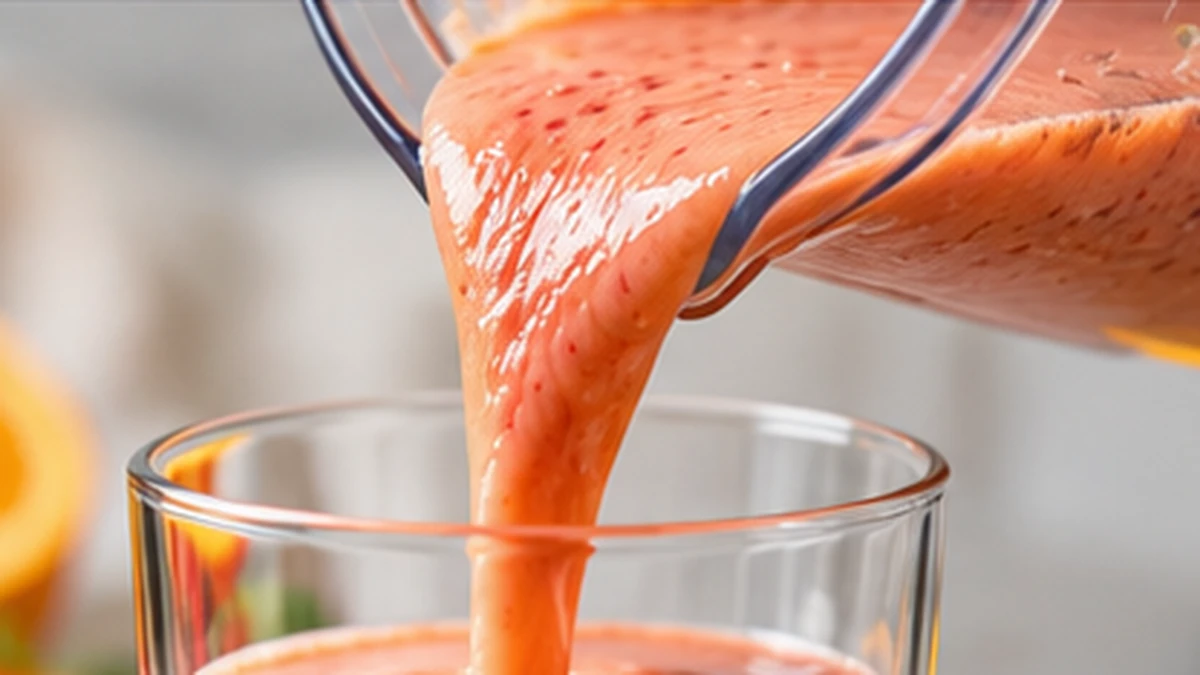
Pour into one large glass and serve immediately. If desired, reserve a small orange wedge and a pinch of chia from the measured ingredients for the top; no extra garnish is needed.
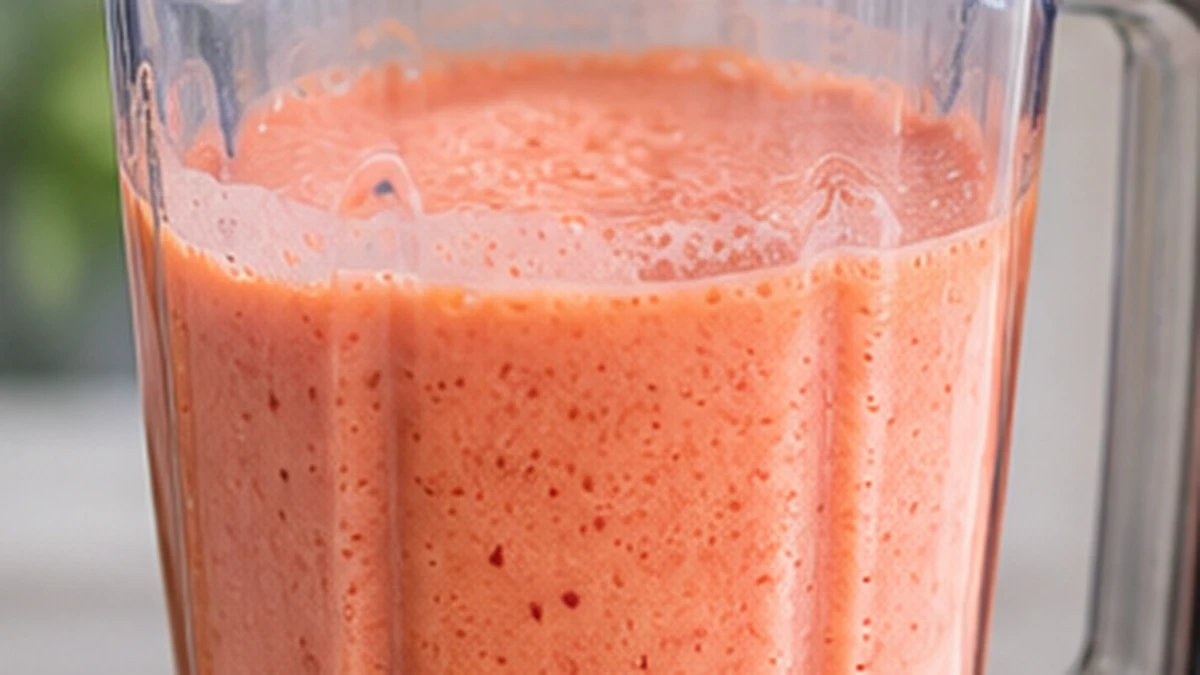
The finished vitamin C skin smoothie should fall from the jar in a continuous stream. A little foam at the top is normal. Fine dark flecks come from fruit and chia seeds. If you see whole frozen pieces, blend a little longer rather than straining out the pulp.
A sweet-tart smoothie with frozen strawberries, peeled orange, kiwi, chia seeds and water. A food-based source of vitamin C with no added sugar.
Total Time:5 minutes
Yield:1 large smoothie
Ingredients
Scale
1 cup (140 g) unsweetened frozen strawberries
1 medium orange, peeled (140 g edible flesh)
1 green kiwi, peeled (75 g edible flesh)
1 tablespoon (12 g) chia seeds
1/2 cup (120 ml) cold water, plus a splash if needed
Instructions
Pour 1/2 cup cold water into an upright blender. Add the peeled orange segments and kiwi pieces, then the chia seeds and frozen strawberries. If using an inverted personal blender, follow its recommended loading order.
Close the lid securely. Start on low for about 10 seconds, then blend on high for 30 to 60 seconds, until no large pieces remain. Stop the motor before scraping the sides or adjusting the mixture.
Check the consistency. If the mixture stalls or is too thick to pour, add cold water one tablespoon at a time and blend briefly again.
Pour into one large glass and serve immediately. If desired, reserve a small orange wedge and a pinch of chia from the measured ingredients for the top; no extra garnish is needed.
Notes
One full recipe makes one large glass, about 16 fl oz; volume varies.
Nutrition is estimated from USDA reference values for 140 g unsweetened frozen strawberries, 140 g orange, 75 g green kiwi and 12 g chia seeds. About 200 mg vitamin C before preparation and storage losses.
Optional garnish uses a small wedge of the measured orange and a pinch of the measured chia, not additional ingredients.
Refrigerate leftovers promptly at 40°F or below and use within 24 hours for best quality.
No added sugar; the fruit contains naturally occurring sugars. This is not a skin treatment.
Author:Adam Moretti
Prep Time:5 minutes
Cook Time:0 minutes
Category:Drink
Method:No-Cook / Blender
Cuisine:American
Diet:Vegan
What vitamin C does for skin — and what a smoothie cannot do
According to the NIH Office of Dietary Supplements, vitamin C is an essential nutrient used in collagen production, antioxidant processes and iron absorption from plant foods. The body must obtain it from food or supplements. A vitamin C skin smoothie is one practical food-based way to contribute to that intake.
Collagen is a structural protein, not a nutrient you can simply direct to a particular patch of skin by drinking fruit. Adequate vitamin C supports normal physiology, but extra vitamin C does not guarantee fewer wrinkles, lighter dark spots, clearer acne or faster hair growth. A smoothie cannot replace sun protection, a varied diet, or appropriate dermatological care. No clinical study of this particular recipe establishes an effect on skin appearance.
For most adults, NIH lists a recommended daily intake of 75 mg for women and 90 mg for men; needs vary with age, pregnancy, lactation and smoking. The estimated 200 mg in this smoothie is a food-composition calculation, not a measured result or a recommendation to consume this amount every day. See the NIH professional vitamin C fact sheet for more detail about requirements and absorption.
Nutrition per serving and how it is estimated
One recipe equals one serving, approximately 16 fluid ounces, with the exact volume dependent on fruit size, air incorporated during blending and extra water. The estimate uses 140 g unsweetened frozen strawberries, 140 g raw orange flesh, 75 g raw green kiwi and 12 g dried chia. Representative reference values are from USDA FoodData Central. Water adds no calories.
The fruit contributes about 202 mg of vitamin C before allowing for storage or preparation losses: roughly 58 mg from frozen strawberries, 74 mg from orange and 70 mg from green kiwi. Chia contributes little vitamin C. Rounded energy contributions are 49, 66, 46 and 58 calories respectively. The nutrition card uses the full ingredient amounts rather than a theoretical small glass.
The vitamin C skin smoothie provides approximately 45 g total carbohydrate, 26 g naturally occurring sugar, 13 g fiber, 5 g protein and 4 g fat. No added sugar is included. That does not mean sugar-free, low-carb or high-protein. If you need to manage carbohydrate intake, use the portion that fits your individual plan. For a more substantial breakfast, pair it with a protein-containing meal such as overnight oats or another option from our breakfast recipes if dairy and oats fit your needs.
Whole orange versus orange juice
Using an entire peeled orange instead of a glass of juice keeps the pulp in the blender. That is useful for texture and fiber, and it avoids the need for a separate sweetened liquid. Juice can be convenient, but it is not a one-for-one nutrition substitute for whole fruit. If you use juice instead, the quantities and nutrition will change.
The difference between naturally occurring and added sugars also matters. In this recipe, sweetness comes from the fruit itself; no honey, syrup or sweetened yogurt is added. For additional context, see our guide to added sugar in U.S. nutrition guidelines. The absence of added sugar should not be mistaken for an absence of carbohydrates.
Troubleshooting the texture and flavor
Too thick or the blades stop moving
Pause the blender and check the manufacturer’s instructions. Add one tablespoon of cold water at a time, and resume only after the lid is secure. Large frozen berries can be allowed to soften for several minutes first.
Too thin
Use frozen strawberries rather than fresh ones, and measure the starting water carefully. A wider blender jar sometimes requires more liquid; accept a slightly thinner drink rather than forcing the motor.
Too tart
Use a fully ripe kiwi and a sweet orange. Taste the orange before blending if you are unsure. Replacing some fruit with sweeter fruit is possible, but it changes the recipe and vitamin C estimate.
Bitter citrus flavor
Remove seeds and thick pith from the orange, and do not blend the peel. A little white membrane is fine. The natural bitterness of some oranges varies with the variety.
Too many seeds
Blend longer if your blender can safely handle the mixture. Tiny kiwi and strawberry seeds may still be visible. Chia adds texture, so omitting it will make a thinner drink and reduce fiber and calories.
Smoothie thickens in the glass
Chia absorbs water over time. Stir in a tablespoon of cold water if necessary. This is especially useful if the drink has been refrigerated briefly.
Ingredient swaps and serving ideas
A vitamin C skin smoothie can be adapted to the fruit you have, but the main recipe is kept consistent so the nutrition values are meaningful. Gold kiwi can replace green kiwi, though the flavor and nutrient estimate will differ. Fresh strawberries can replace frozen ones at the same weight; start with less cold water to compensate for the loss of frozen texture.
For a creamier version, a small amount of unsweetened yogurt or fortified soy yogurt can replace some water. This is an optional variation, not part of the recipe card. Choose an appropriate product for your dietary needs, and recalculate nutrition if you use it. Adding protein powder is not required to make this drink a source of vitamin C.
Serve with toast and a protein-containing food for a fuller breakfast, or enjoy the smoothie on its own as a snack if the portion suits you. The base recipe contains only plant ingredients; browse our vegan recipes for other plant-based meal ideas, or use NutriMatch to find recipes according to your dietary and nutrition preferences.
Make-ahead, storage and food safety
For the freshest taste, blend just before drinking. To prepare ahead, measure the frozen strawberries into a freezer-safe container, keep the orange and kiwi refrigerated, and measure the chia separately. This reduces morning prep without storing an already blended drink. Peel and cut fruit close to serving when possible.
If you have leftover vitamin C skin smoothie, transfer it promptly to a clean covered container and refrigerate at 40°F (4°C) or below. For best quality, use within 24 hours. Stir or shake before serving because the liquid and pulp may separate, and chia can make it thicker. Do not leave it at room temperature for more than two hours, or one hour above 90°F (32°C). Refer to FoodSafety.gov safe food handling guidance.
Vitamin C can decline with storage, heat and exposure to air, so the calculated amount should not be treated as an exact amount remaining after a day in the fridge. Freezing fruit for later blending is generally more convenient than freezing the finished smoothie, which can separate after thawing. Discard a drink left out too long rather than relying on its smell or appearance to assess safety.
Frequently asked questions
Can this vitamin C skin smoothie make my skin glow?
It provides vitamin C needed for normal collagen formation. There is no guarantee of a visible cosmetic effect from this smoothie, and it is not a remedy for acne, pigmentation or wrinkles.
Can I make it without banana?
Yes. The recipe contains no banana. Frozen strawberries supply the cold, thick texture, and chia adds body.
Can I skip the chia seeds?
Yes. Use slightly less water if needed. Omitting chia reduces calories by about 58 and fiber by about 4 g per serving.
Can I make a smaller portion?
Yes. Halve all ingredients for a small serving, if the blender can process that quantity. Alternatively, split the full recipe between two people; each receives half the estimated nutrients.
Do I need collagen powder or vitamin C supplements?
No. The recipe is designed around ordinary fruit and seeds. Supplements are optional products with separate considerations, not necessary ingredients.
Is this smoothie vegan and gluten-free?
The base ingredients are plant-based and naturally gluten-free. Choose plain products and check packaging and cross-contact if gluten avoidance is medically necessary.
Can I drink it every day?
It can fit into a varied eating pattern, but there is no need to drink it daily. Choose portions that suit your overall diet and alternate fruit and other foods for variety.
Is it suitable if I have a kiwi allergy?
No. Do not use kiwi if you are allergic to it. Use a safe fruit alternative and expect the flavor and nutrition estimates to change.
Final tips
For a balanced sweet-tart vitamin C skin smoothie, use a ripe orange, frozen unsweetened strawberries and ripe kiwi, measure the chia, and add only enough water to keep the blades moving. Serve it fresh for the best flavor. It is a simple fruit drink that contributes vitamin C, not a cosmetic treatment.
Reviewed recipe options
Make this recipe fit me
Choose one of seven popular diet options. NutriMatch will confirm whether the recipe already fits, show a reviewed adaptation when available, or recommend recipes that match your choice.
Please choose a diet first.
Not available for this recipe
This recipe cannot currently be made Dairy-Free with a reviewed adaptation.
NutriMatch will not guess at substitutions. Try one of these recipes that is already reviewed for your choice.
Recipe details, product formulas, and cross-contact information can change. Confirm current labels and use professional guidance when medically necessary.
Already a reviewed match
This recipe already fits Gluten-Free.
No changes are needed based on its reviewed NutriMatch classification. Check the complete ingredients, product labels, and serving details for your own needs.
Recipe details, product formulas, and cross-contact information can change. Confirm current labels and use professional guidance when medically necessary.
Not available for this recipe
This recipe cannot currently be made High Protein with a reviewed adaptation.
NutriMatch will not guess at substitutions. Try one of these recipes that is already reviewed for your choice.
Recipe details, product formulas, and cross-contact information can change. Confirm current labels and use professional guidance when medically necessary.
Not available for this recipe
This recipe cannot currently be made Keto with a reviewed adaptation.
NutriMatch will not guess at substitutions. Try one of these recipes that is already reviewed for your choice.
Recipe details, product formulas, and cross-contact information can change. Confirm current labels and use professional guidance when medically necessary.
Not available for this recipe
This recipe cannot currently be made Low Carb with a reviewed adaptation.
NutriMatch will not guess at substitutions. Try one of these recipes that is already reviewed for your choice.
Recipe details, product formulas, and cross-contact information can change. Confirm current labels and use professional guidance when medically necessary.
Already a reviewed match
This recipe already fits Vegan.
No changes are needed based on its reviewed NutriMatch classification. Check the complete ingredients, product labels, and serving details for your own needs.
Recipe details, product formulas, and cross-contact information can change. Confirm current labels and use professional guidance when medically necessary.
Already a reviewed match
This recipe already fits Vegetarian.
No changes are needed based on its reviewed NutriMatch classification. Check the complete ingredients, product labels, and serving details for your own needs.
Recipe details, product formulas, and cross-contact information can change. Confirm current labels and use professional guidance when medically necessary.