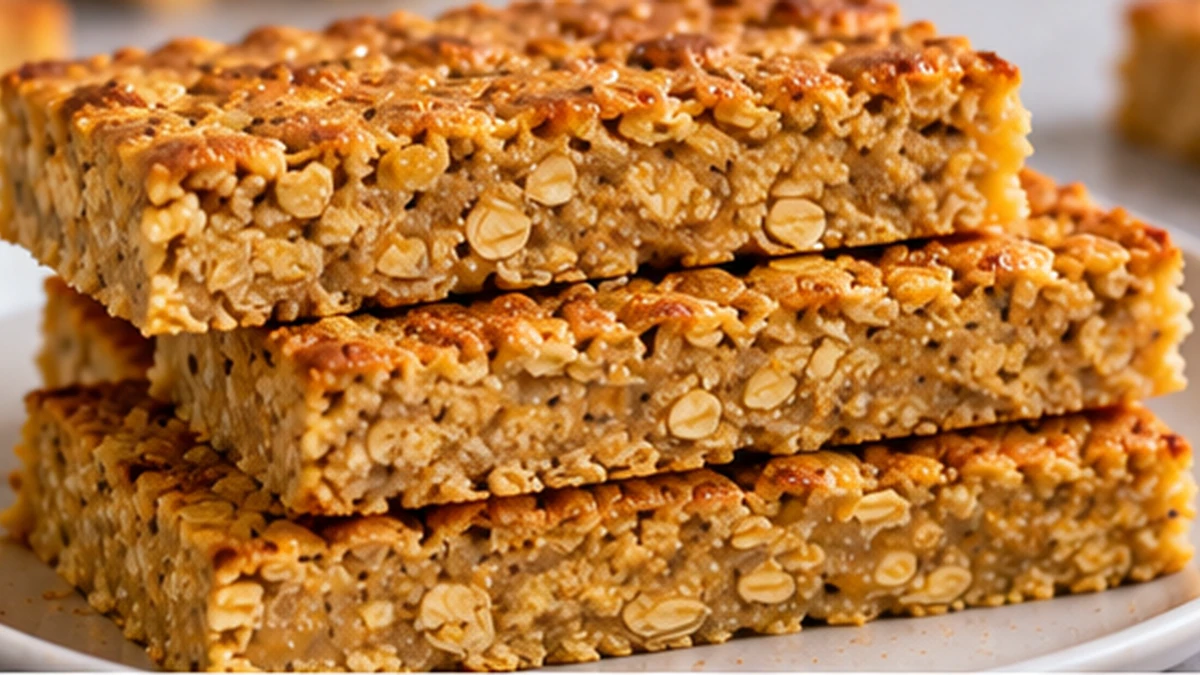
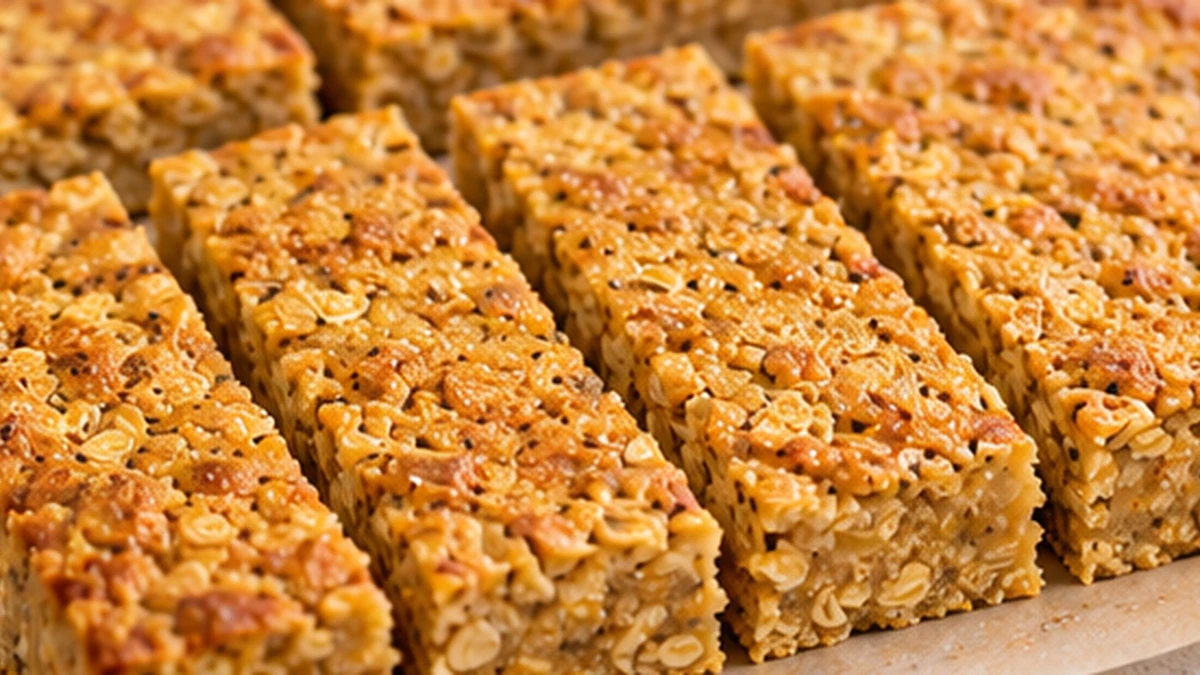
These high fiber protein bars without protein powder are thick, lightly sweet baked oat bars made with lupini beans, creamy peanut butter, eggs, chia seeds, hemp hearts, and honey. Each of eight bars provides an estimated 16.5 grams of protein and 6.3 grams of fiber, without whey, plant protein powder, or powdered peanut butter. If you already enjoy our high protein overnight oats, this is a different way to turn oats and seeds into a portable snack that you can prepare ahead.
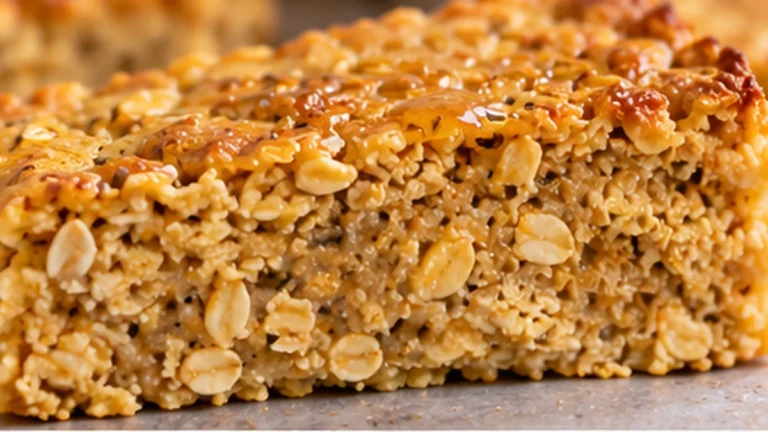
Expect a moist, tender, slightly chewy bar rather than a dry, crunchy granola bar or a candy-like commercial protein bar. The peanut butter supplies most of the flavor, the honey adds a modest sweetness, and the beans help form the soft interior. You need an oven, a square baking pan, and a food processor or blender. This is an original recipe formulation; the exact bake time and texture are development estimates, not the result of a documented kitchen test.
Table of Contents
Why Make High Fiber Protein Bars Without Protein Powder?
Many homemade bars are built around dates, syrup, oats, and nuts. Those ingredients can make a delicious snack, but the protein and fiber depend on how much of each ingredient you use and how large you cut the pieces. Here, ready-to-eat lupini beans contribute protein without requiring a supplement. Chia seeds supply a substantial part of the fiber, while hemp hearts contribute additional protein and fat.
The goal of these high fiber protein bars without protein powder is not to imitate a commercial bar with a long ingredient list. Instead, this recipe uses a baked egg-and-bean base to bind the oats. There is no chocolate coating, dried fruit, or frosting in the base recipe. If you prefer a sweet frozen snack with a different texture, the banana yogurt bark with peanut butter is another option.
Ingredients for High Fiber Protein Bars Without Protein Powder
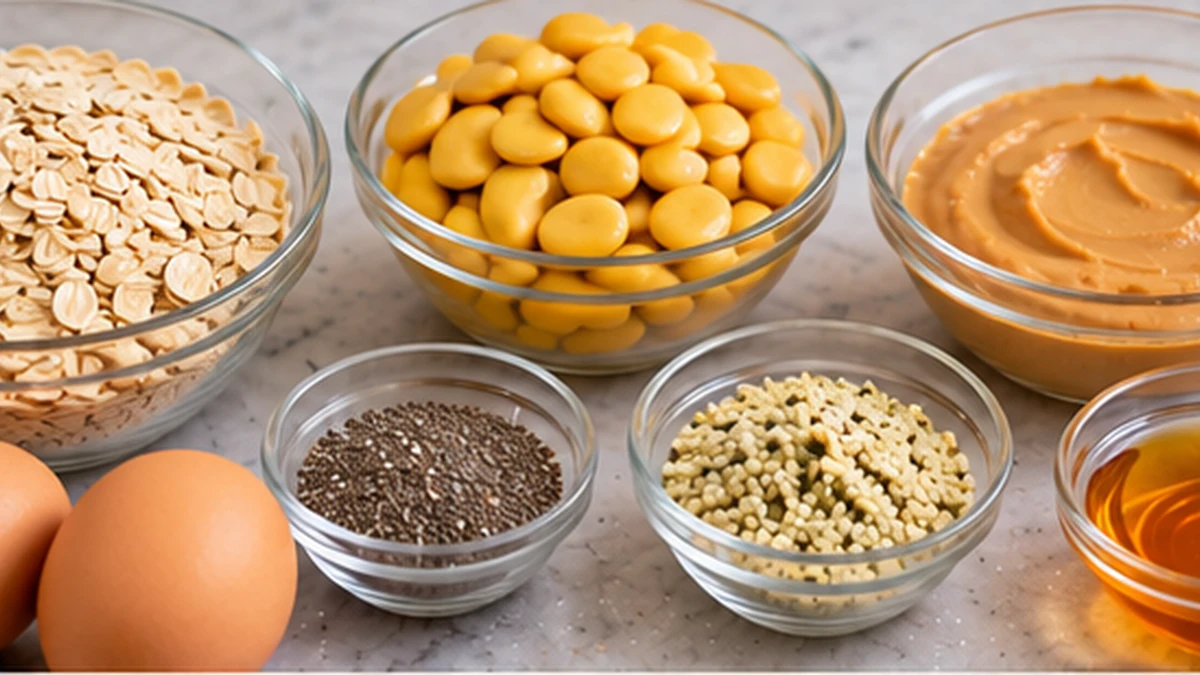
About 1 3/4 cups (300 g) plain commercially prepared, ready-to-eat lupini beans, drained and rinsed
1 1/2 cups (120 g) old-fashioned rolled oats
1/2 cup (128 g) smooth unsalted peanut butter
2 large eggs (100 g without shells)
About 5 tablespoons (60 g) chia seeds
6 tablespoons (60 g) hulled hemp hearts
2 tablespoons (42 g) honey
For high fiber protein bars without protein powder, use the gram weights when possible. A cup of drained beans can vary depending on their size, and a densely packed spoon of peanut butter can change the amount of fat and moisture in the batter. The weights above, rather than the approximate cup measurements, are the basis of the nutrition calculation for high fiber protein bars without protein powder.
What each ingredient does
Lupini beans: Buy plain, commercially prepared beans that are already safe to eat, not raw or dried bitter lupins. Drain the brine, rinse, and pat them dry. The beans should be mild and ready to blend. Do not attempt to detoxify raw bitter lupins by following this recipe. If your jar contains tough skins that you normally remove before eating, weigh the edible beans after removing them. The nutrition estimate assumes the weighed edible portion.
Rolled oats give the bars a visible, slightly chewy grain structure. Instant oatmeal with flavoring or sugar is not an equivalent substitute. If you like preparing oat-based snacks in advance, see our high protein banana muffins for a different baked option.
Smooth unsalted peanut butter acts as a binder and adds richness. Stir a separated jar thoroughly before measuring. Eggs help the bars set when heated. Chia seeds absorb moisture as the mixture rests, and hulled hemp hearts bring a soft, nutty bite. Honey adds flavor and helps hold the cooled bars together, but these are intentionally less sweet than a dessert granola bar.
Equipment and pan size
Use an 8-inch square metal pan, parchment paper, a mixing bowl, a spatula, a scale, and a food processor. A thermometer is useful because the bars contain eggs. A metal pan is preferred for even heating and easy removal. A larger pan spreads the mixture too thin; a loaf pan produces a much thicker slab and requires a different bake time. Do not use an unlined pan, since the moist mixture can stick to the bottom.
How to Make High Fiber Protein Bars Without Protein Powder
Step 1: Prepare the pan and beans
Preheat the oven to 350°F (175°C). Line an 8-inch square metal pan with parchment, leaving an overhang on two sides. Leave enough parchment to lift the entire slab without turning it upside down. Rinse the beans under cool running water and blot away excess moisture; a pool of brine at the bottom of the bowl can make the batter overly wet and salty.
Step 2: Make the wet base
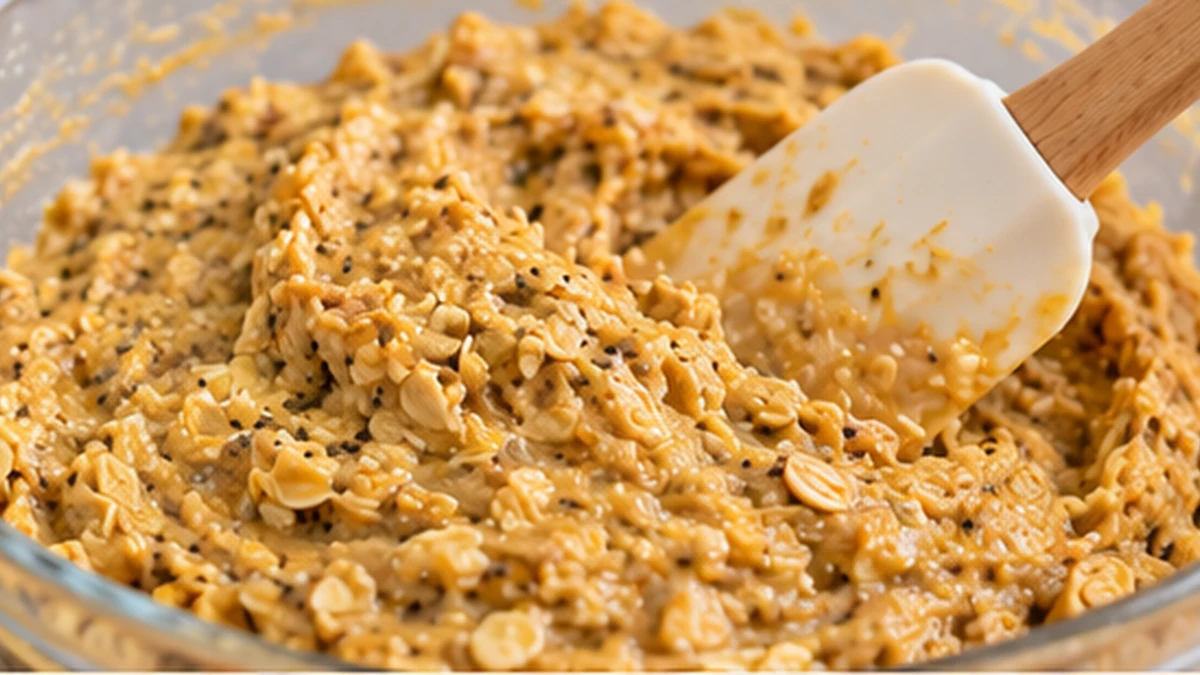
Drain, rinse, and pat the ready-to-eat lupini beans dry. Process the beans, peanut butter, eggs, and honey into a thick, mostly smooth paste. Scrape down the bowl as needed. Aim for the consistency of a thick bean dip, not a pourable drink. Small flecks of bean skin are fine if the skins are edible and tender, but large whole beans can interfere with clean slicing. Stop the processor before scraping the blades or sides. Do not taste the mixture after adding the raw eggs.
Step 3: Add the grains and seeds
Transfer the paste to a bowl. Fold in the rolled oats, chia seeds, and hemp hearts until evenly coated. Let stand for 10 minutes. The batter for these high fiber protein bars without protein powder should look like a thick, sticky oatmeal mixture. The seeds need a short rest to distribute moisture before baking. Do not add a large splash of milk simply because the mixture seems thick at first; the intended batter is spreadable rather than pourable.
Step 4: Press into a uniform slab
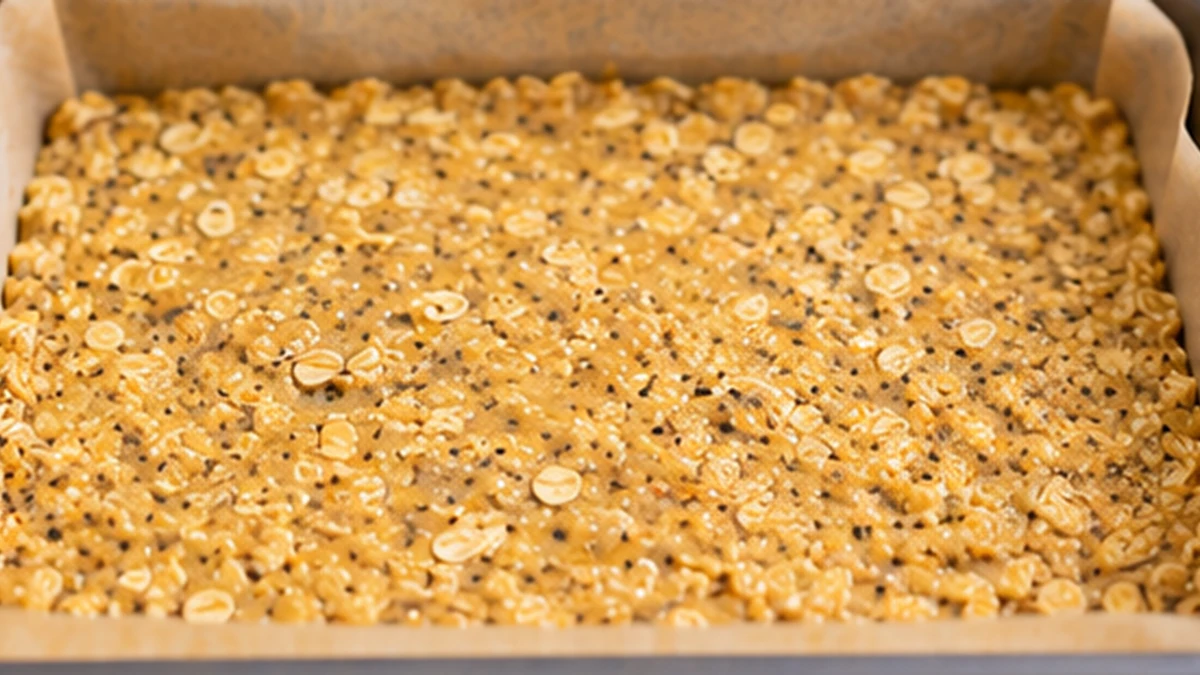
Press the mixture evenly into the lined pan. Smooth the surface and compact the corners with the back of a spatula. A flat, even thickness helps the center finish cooking before the edges become too dry. Pay particular attention to the corners. Loose oats on top can fall away after baking, so press any dry-looking flakes gently into the paste.
Step 5: Bake until the center sets
Bake for approximately 25–30 minutes, until the edges are lightly golden, the center is set, and the internal temperature reaches at least 160°F (71°C). If needed, bake a few minutes longer and recheck. The FDA recommends cooking dishes containing eggs to 160°F; see its egg safety guidance. Insert the thermometer into the thickest central area without touching the metal pan. The surface may feel slightly soft when warm, but should not contain wet raw batter. The exact time depends on the oven and moisture in the beans.
Step 6: Cool and slice
Cool in the pan for 15 minutes, then lift onto a rack and cool for another 30 minutes. Cut into 8 equal bars. Refrigerate promptly, within 2 hours of baking (1 hour above 90°F). Cutting high fiber protein bars without protein powder while hot can tear the soft interior. Use a sharp knife and make one cut down the middle, followed by three cuts across the other direction. For the most consistent nutrition per bar, weigh the cooled slab and divide that weight by eight. Wipe the knife between cuts if the interior sticks.
Baked oat, lupini and peanut butter bars with an estimated 16.5 g protein and 6.3 g fiber per serving.
Total Time:1 hour 50 minutes
Yield:8 bars
Ingredients
Scale
About 1 3/4 cups (300 g) plain commercially prepared, ready-to-eat lupini beans, drained and rinsed
1 1/2 cups (120 g) old-fashioned rolled oats
1/2 cup (128 g) smooth unsalted peanut butter
2 large eggs (100 g without shells)
About 5 tablespoons (60 g) chia seeds
6 tablespoons (60 g) hulled hemp hearts
2 tablespoons (42 g) honey
Instructions
Preheat the oven to 350°F (175°C). Line an 8-inch square metal pan with parchment, leaving an overhang on two sides.
Drain, rinse, and pat the ready-to-eat lupini beans dry. Process the beans, peanut butter, eggs, and honey into a thick, mostly smooth paste. Scrape down the bowl as needed.
Transfer the paste to a bowl. Fold in the rolled oats, chia seeds, and hemp hearts until evenly coated. Let stand for 10 minutes.
Press the mixture evenly into the lined pan. Smooth the surface and compact the corners with the back of a spatula.
Bake for approximately 25–30 minutes, until the edges are lightly golden, the center is set, and the internal temperature reaches at least 160°F (71°C). If needed, bake a few minutes longer and recheck.
Cool in the pan for 15 minutes, then lift onto a rack and cool for another 30 minutes. Cut into 8 equal bars. Refrigerate promptly, within 2 hours of baking (1 hour above 90°F).
Notes
Use only commercially prepared, ready-to-eat plain lupini beans. Contains lupin, peanut and egg. Do not use raw bitter lupins.
Estimated nutrition based on generic ingredient values; sodium varies widely with the brand of beans.
Refrigerate within 2 hours (1 hour above 90°F), use within 3–4 days, or freeze for up to 1 month for best quality.
Total time includes 10 minutes resting and 45 minutes cooling. Recipe formulation has not been physically kitchen-tested.
Author:Adam Moretti
Prep Time:25 minutes
Cook Time:30 minutes
Category:Snack
Method:Oven
Cuisine:American
Diet:Vegetarian
Nutrition in High Fiber Protein Bars Without Protein Powder
One bar is one eighth of the batch, not one ounce or a miniature bite. The estimated nutrition is 308 calories, 16.5 g protein, 6.3 g fiber, 25.4 g total carbohydrate, and 17.4 g fat. The serving is substantial, so use the actual portion size rather than assuming these bars are a low-calorie food.
The estimate for these high fiber protein bars without protein powder was calculated from ingredient weights using generic food composition values from USDA FoodData Central and divided by eight. The cooked-bean reference contains about 2.8 g fiber per 100 g. For sodium, the calculation uses 240 mg per 100 g of salted cooked lupins and unsalted peanut butter; jars of brined beans can contain considerably more sodium even after rinsing. No fixed reduction from rinsing was assumed.
Chia supplies about 2.6 g of fiber per bar, oats about 1.5 g, lupini beans about 1.1 g, and the remaining ingredients account for the rest. This is why simply replacing chia with an equal volume of hemp hearts can reduce the fiber considerably. The hemp hearts, on the other hand, contribute about 2.4 g of protein per bar.
The FDA describes 20% of the Daily Value as a high amount of a nutrient and lists 28 g as the Daily Value for dietary fiber. See its Daily Value reference. At roughly 6.3 g, a bar supplies around 23% of that reference amount. These are estimated home-recipe values, not a laboratory-tested Nutrition Facts label or a protein-quality-adjusted commercial nutrient claim.
Ingredient substitutions and practical limits
The ingredient quantities in these high fiber protein bars without protein powder are designed to work together. Replacing the beans with a dry protein ingredient, skipping the eggs, or replacing all the chia with more oats changes the water balance and can alter the entire texture. Treat these ideas as potential modifications, not tested equivalents.
If lupini beans are unavailable, cooked chickpeas are a possible starting point for a different version. They have a milder familiar flavor, but their protein and fiber composition is different. Start with the same drained weight and expect to adjust the texture if necessary. Recalculate the nutrition rather than reusing the original numbers.
For another way to use beans in a savory snack, try our hummus without tahini. For a less sweet bar, reducing the honey may affect both moisture and binding. Do not remove all the honey and assume the cooled slab will cut identically. The original formulation is the recommended starting point.
This recipe contains peanut, egg, and lupin. Lupin can cause allergic reactions, including in people with peanut allergy, as explained in the FDA’s consumer advice on lupin. Do not serve the bars to someone with a relevant allergy. For a gluten-free variation, every ingredient must be appropriate, including certified gluten-free oats and checks for cross-contact. The standard recipe is not labeled gluten-free here.
Troubleshooting High Fiber Protein Bars Without Protein Powder
The center is wet: First check the internal temperature and whether the pan is the correct size. If the center has not reached 160°F, continue baking and check every few minutes. If the temperature is safe but the bar is still soft, allow it to cool fully before deciding whether it needs more baking. Next time, blot the drained beans more thoroughly.
The bars are dry or crumbly: Overbaking can dry the edges, and too many oats or seeds can leave insufficient moisture for binding. Verify the gram measurements and use an 8-inch pan. Compact the mixture evenly before baking. If a cooled, safely cooked batch breaks apart, it can still be eaten as a refrigerated oat crumble with yogurt rather than discarded.
The bars taste too earthy: Plain beans are essential. Garlic, rosemary, chili, or vinegar-heavy snack beans can overwhelm the peanut butter. If commercially prepared beans have an unpleasantly bitter taste, do not try to mask that flavor with honey; discard them and contact the supplier if necessary. For a different sweet snack, consider high protein chocolate mousse.
Storing High Fiber Protein Bars Without Protein Powder
Unlike many packaged bars, these high fiber protein bars without protein powder contain a moist cooked bean-and-egg base. They are not shelf-stable. Refrigerate them in a covered container at 40°F (4°C) or below and use within 3–4 days. Separate layers with parchment so the surfaces do not stick. The FDA egg guidance above supports the short refrigerated storage period.
For longer storage of high fiber protein bars without protein powder, freeze individual cooled portions in a sealed freezer container for up to one month for best quality. Thaw overnight in the refrigerator. Pack a bar for work or school in an insulated bag with an ice pack. Do not leave it on a desk or in a warm vehicle all afternoon. Discard perishable bars left at room temperature for more than two hours, or one hour above 90°F.
A batch of high fiber protein bars without protein powder works alongside other refrigerated make-ahead dishes, such as our high protein egg bites for meal prep or high protein pasta salad. Freeze the portions you do not expect to eat within the first few days rather than keeping the full batch in the fridge for an entire week.
Serving ideas
Enjoy one bar with coffee, tea, or fresh fruit, or cut one in half for a smaller snack. If you want a sweet-and-savory breakfast spread, pair half a bar with air fryer egg bites. The nutrition figures do not include any sides, drinks, or extra toppings. A serving of these high fiber protein bars without protein powder can be a relatively energy-dense snack, so choose the portion that fits your appetite and meal plan.
If you prefer a softer bakery-style snack for a change, our high protein blueberry muffins are another idea. A rotating snack menu can keep meal prep interesting without requiring multiple versions of the same bar in one week.
FAQ About High Fiber Protein Bars Without Protein Powder
Can I make these without protein powder?
Yes. These high fiber protein bars without protein powder contain no whey, casein, soy protein isolate, or other protein supplement. Their protein comes mainly from lupini beans, peanut butter, hemp hearts, oats, and eggs. No supplement is required to complete the recipe.
Can I cut high fiber protein bars without protein powder into smaller portions?
You can cut the same slab into twelve pieces once cooled, but the nutrition per piece will be two thirds of the eight-bar serving. That means around 11 g protein and 4.2 g fiber per smaller bar, so it would not match the original fiber amount per serving.
Can I make this as a no-bake recipe?
No. The eggs in these high fiber protein bars without protein powder are raw before baking and must be cooked. A no-bake bar needs a different binder and a different formulation. Do not refrigerate the raw batter and eat it as a finished snack.
Are these bars vegan?
No. The eggs and honey are animal-derived ingredients. Swapping both requires developing a different recipe and checking how the new mixture sets. The base version is vegetarian when made with the specified ingredients, but not vegan.
Do I have to use hemp hearts?
Hemp hearts provide part of the protein and help create the texture of these high fiber protein bars without protein powder. Whole unhulled hemp seeds are not interchangeable because they have a harder exterior. If you omit the hearts, expect different nutrition and consistency.
Final tips
The easiest way to keep these high fiber protein bars without protein powder consistent is to weigh the ingredients, use plain ready-to-eat beans, press the mixture into an even layer, check the center temperature, and cool before slicing. Browse our guide to high protein foods for more ideas using ordinary foods rather than relying on one snack for all of your nutrition.
Reviewed recipe options
Make this recipe fit me
Choose one of seven popular diet options. NutriMatch will confirm whether the recipe already fits, show a reviewed adaptation when available, or recommend recipes that match your choice.
Please choose a diet first.
Already a reviewed match
This recipe already fits Dairy-Free.
No changes are needed based on its reviewed NutriMatch classification. Check the complete ingredients, product labels, and serving details for your own needs.
Recipe details, product formulas, and cross-contact information can change. Confirm current labels and use professional guidance when medically necessary.
Not available for this recipe
This recipe cannot currently be made Gluten-Free with a reviewed adaptation.
NutriMatch will not guess at substitutions. Try one of these recipes that is already reviewed for your choice.
Recipe details, product formulas, and cross-contact information can change. Confirm current labels and use professional guidance when medically necessary.
Already a reviewed match
This recipe already fits High Protein.
No changes are needed based on its reviewed NutriMatch classification. Check the complete ingredients, product labels, and serving details for your own needs.
Recipe details, product formulas, and cross-contact information can change. Confirm current labels and use professional guidance when medically necessary.
Not available for this recipe
This recipe cannot currently be made Keto with a reviewed adaptation.
NutriMatch will not guess at substitutions. Try one of these recipes that is already reviewed for your choice.
Recipe details, product formulas, and cross-contact information can change. Confirm current labels and use professional guidance when medically necessary.
Not available for this recipe
This recipe cannot currently be made Low Carb with a reviewed adaptation.
NutriMatch will not guess at substitutions. Try one of these recipes that is already reviewed for your choice.
Recipe details, product formulas, and cross-contact information can change. Confirm current labels and use professional guidance when medically necessary.
Not available for this recipe
This recipe cannot currently be made Vegan with a reviewed adaptation.
NutriMatch will not guess at substitutions. Try one of these recipes that is already reviewed for your choice.
Recipe details, product formulas, and cross-contact information can change. Confirm current labels and use professional guidance when medically necessary.
Already a reviewed match
This recipe already fits Vegetarian.
No changes are needed based on its reviewed NutriMatch classification. Check the complete ingredients, product labels, and serving details for your own needs.
Recipe details, product formulas, and cross-contact information can change. Confirm current labels and use professional guidance when medically necessary.
These high protein cranberry cheesecake cups layer smooth cottage cheese and Greek yogurt filling, graham crumbs, and homemade cranberry-orange topping.…