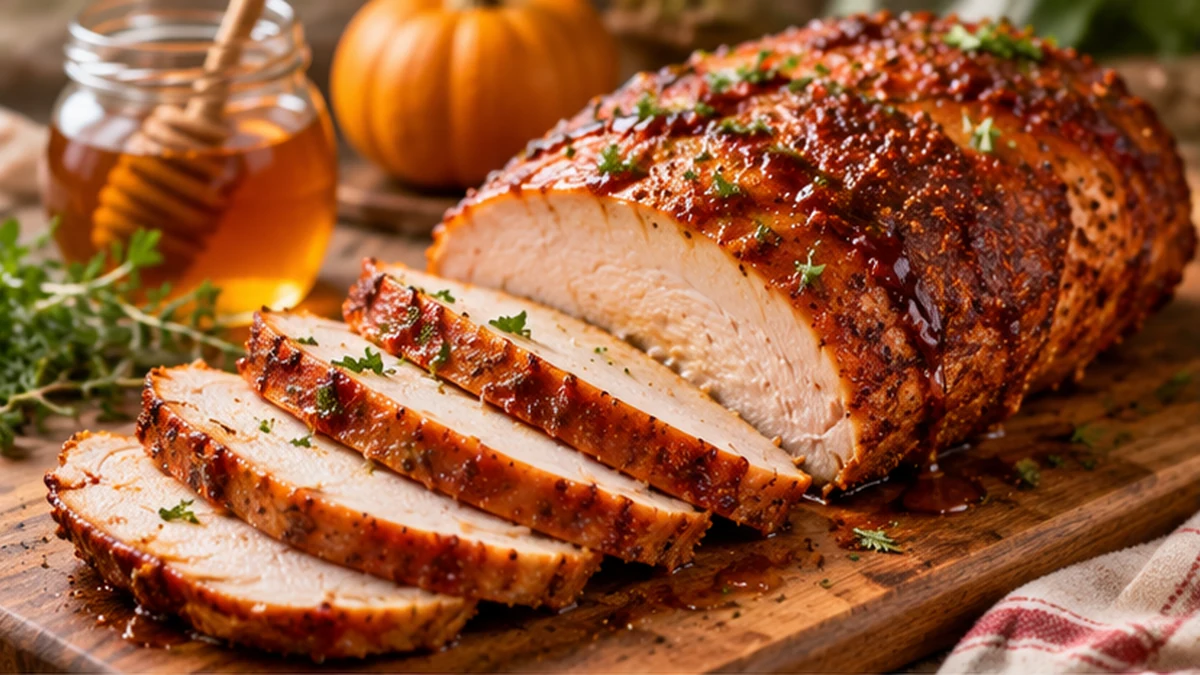
Smoked Cajun honey turkey breast brings a peppery, smoky crust and a glossy sweet-spicy finish to a smaller Thanksgiving main dish. This recipe uses a 3-pound boneless, skinless turkey breast, a homemade Cajun-style spice blend, and a honey-butter glaze added near the end so it does not scorch. For a bread-based side with crisp edges, plan to serve it with gluten free stuffing muffins with apple and sage.
You will smoke the breast on a pellet grill or grill-style smoker at 275°F, verify 165°F in the thickest part with a food thermometer, then rest and slice across the grain. The measured seasoning lets the turkey taste like turkey—not only salt or heat. If you need an additional fall-flavored side that can be prepared earlier, our high protein fall harvest pasta salad uses roasted vegetables, apple, and cranberries.
Table of Contents
Why Smoked Cajun Honey Turkey Breast Works
The dry seasoning goes on before smoking, while the honey glaze waits until late in cooking.
A moderate smoker temperature gives the turkey time to take on flavor without requiring an all-day whole-bird cook.
Boneless breast portions are simpler to carve and portion for a smaller Thanksgiving table.
Cayenne is adjustable; paprika and herbs deliver Cajun-inspired flavor without overwhelming heat.
A probe thermometer—not a fixed number of hours—determines the safe finish.
The cooked turkey can become sandwiches, salads, or warm lunches the next day.
For a full holiday spread, balance the sweet glaze with something tart such as our cranberry lemon drop mocktail, served separately from the smoky main. If you would rather plan a potato-based starter, high protein loaded potato soup can be cooked earlier and reheated gently while the turkey rests.
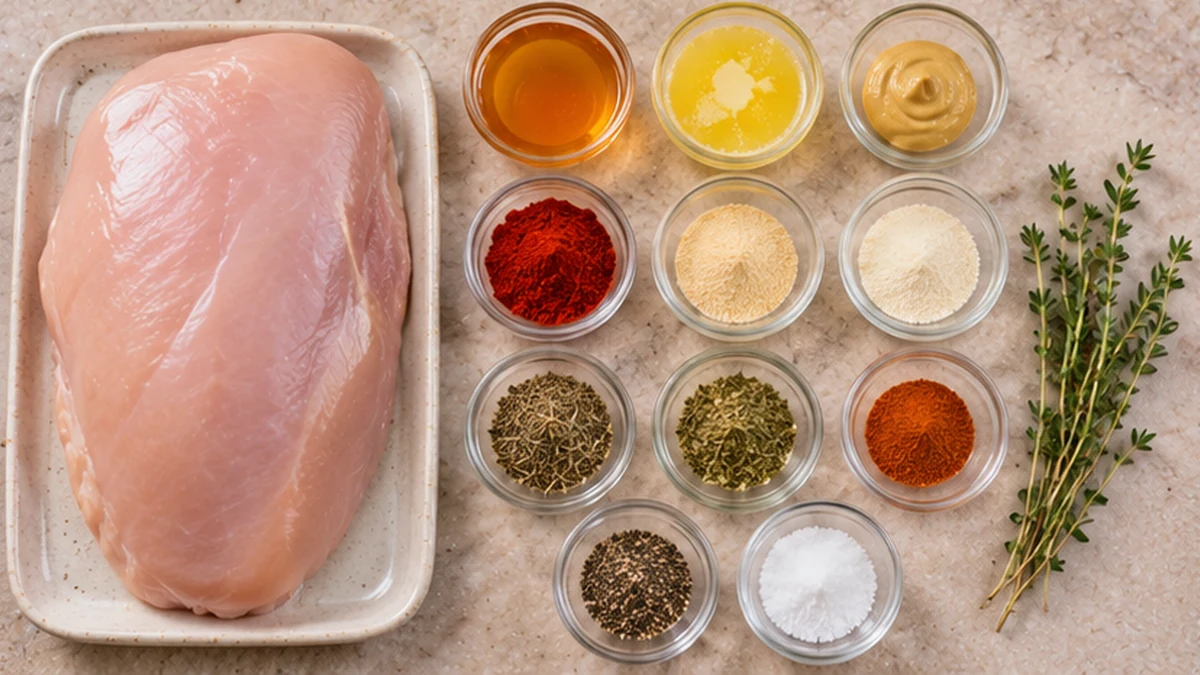
Ingredients for Smoked Cajun Honey Turkey Breast
Choose a Plain, Fully Thawed Turkey Breast
Start with one 3-pound boneless, skinless turkey breast roast, not pre-cooked deli turkey. Buy a plain, unseasoned or minimally processed breast when possible. A product labeled “enhanced,” “self-basting,” or injected with a salt solution may already contain considerable sodium; reduce or omit added salt for that product. Completely thaw frozen poultry in the refrigerator before smoking, and do not rinse raw turkey because splashes can spread germs around the sink.
The Homemade Cajun-Style Rub
Use smoked paprika, sweet paprika, garlic powder, onion powder, dried thyme, dried oregano, a little cayenne, black pepper, and fine salt. Pat the meat dry first, then brush it with a tablespoon of olive oil so the seasoning adheres evenly. This blend avoids the unpredictable salt load of a ready-made Cajun mix; if using a commercial blend, read its label and reduce additional salt.
Do not judge the spice level by color alone: red paprika contributes much of the color without intense heat. A 1/4 teaspoon of cayenne in the whole roast is a moderate starting point; halve it for a milder dinner. If you enjoy a more pronounced smoky seasoning profile, compare the spice handling in our smoked dragon eggs, which are a separate bacon-wrapped dish with different cooking requirements.
Honey, Butter, Dijon, and Vinegar
The finishing glaze uses 1/4 cup honey, 2 tablespoons unsalted butter, 1 tablespoon Dijon mustard, and 2 teaspoons apple cider vinegar. Honey delivers shine and sweetness, butter rounds out the spice, Dijon helps the glaze cling, and vinegar keeps the finish from tasting like candy. Warm them together just until fluid; never reuse a brush or leftover glaze that has touched raw poultry.
Equipment and Smoker Setup
Use a pellet grill with a smoking mode or a grill-style smoker that can stay steadily at 275°F, plus food-safe wood pellets or chunks, a rimmed tray, clean tongs, and a leave-in probe or accurate instant-read thermometer. Applewood or pecan gives a gentler smoke than strong mesquite. Avoid softwoods such as pine, and follow the manufacturer’s guidance for your equipment.
The USDA guidance for smoking turkey recommends keeping the smoker between 225°F and 300°F and cooking poultry to a measured 165°F. If your equipment cannot hold a safe, consistent heat, do not attempt to compensate by smoking for an arbitrary extra hour. For an alternate holiday entrée without a smoker, our high protein chicken broccoli casserole uses a standard oven.
Smoked Cajun Honey Turkey Breast Recipe Card
The card below gives the exact rub and glaze amounts for eight servings. At 275°F, a 3-pound breast may need roughly 90 to 150 minutes; the 2-hour cook time is a planning estimate, not a safety test. Make the sides first if you want a relaxed serving schedule. Our dinner recipes collection can help round out the menu without turning the turkey itself into a complicated recipe.
A boneless turkey breast smoked at 275°F with a homemade Cajun-style rub and a late honey-butter glaze; cook until the thickest part reaches 165°F.
Total Time:155 minutes
Yield:8 servings
Ingredients
Scale
1 (3-pound / about 1.36 kg) plain boneless, skinless turkey breast, fully thawed and unseasoned
1 tablespoon (15 mL) olive oil
1 1/2 teaspoons smoked paprika
1 teaspoon sweet paprika
1 teaspoon garlic powder
1 teaspoon onion powder
3/4 teaspoon dried thyme
3/4 teaspoon dried oregano
1/4 teaspoon cayenne pepper (use less for a mild version)
3/4 teaspoon fine salt (reduce if turkey is enhanced or pre-brined)
1/2 teaspoon freshly ground black pepper
1/4 cup (about 85 g) honey
2 tablespoons (28 g) unsalted butter
1 tablespoon (15 g) Dijon mustard
2 teaspoons (10 mL) apple cider vinegar
Instructions
Completely thaw the turkey breast in the refrigerator. Preheat a pellet grill or grill-style smoker to 275°F (135°C), following the equipment instructions.
Pat the raw turkey very dry. In a small bowl, combine smoked and sweet paprika, garlic powder, onion powder, thyme, oregano, cayenne, salt, and black pepper.
Rub the olive oil over the turkey, then coat all sides evenly with the seasoning mixture. Keep refrigerated until the smoker is ready.
Place the turkey on clean smoker grates; put a food thermometer probe in the thickest part without contacting the grate. Smoke at 275°F until the internal temperature approaches 135°F to 145°F, usually after part of an estimated 90–150-minute total cook.
In a small clean saucepan, melt the butter gently. Stir in the honey, Dijon mustard, and apple cider vinegar until fluid. Set aside a clean portion for serving if desired; keep it separate from raw meat.
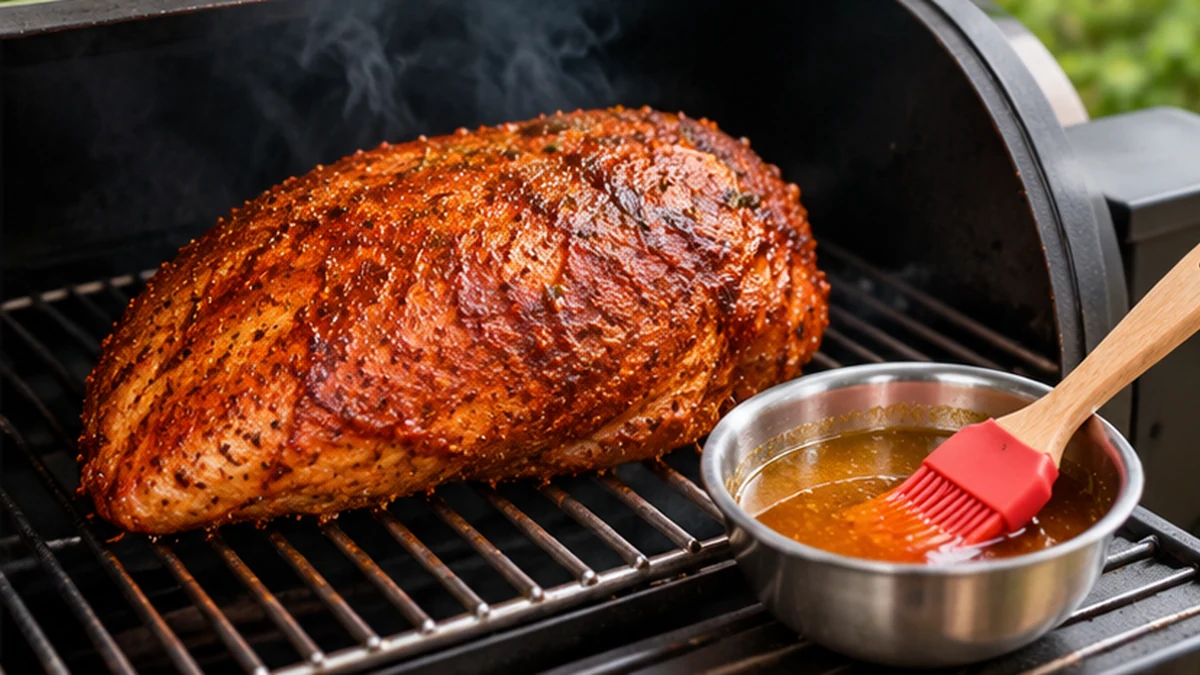
When the turkey is approaching 135°F to 145°F inside, brush a thin coat of glaze over its surface. Add another thin coat after 10 to 15 minutes if desired, checking that the glaze is not scorching.
Continue smoking until the thickest part of the breast reaches at least 165°F (74°C), checking another thick spot as needed. Cooking time varies with meat shape, starting temperature, smoker, and weather; do not use time or color as proof of doneness.
Move the cooked turkey to a clean cutting board, loosely tent and rest for about 15 minutes. Slice across the grain, divide into 8 servings, and serve with any clean reserved glaze.
Notes
USDA recommends a smoker temperature of 225°F to 300°F and poultry doneness at 165°F. This recipe uses 275°F.
The 2-hour cook time is only a midpoint of an approximate 90–150-minute range for a 3-pound boneless breast; internal temperature determines doneness.
Do not wash raw poultry. Keep raw turkey and used utensils away from ready-to-eat foods.
Honey burns if applied too early; brush it on only near the end of cooking.
For an enhanced, injected, or pre-brined turkey breast, reduce added salt and check the package label.
Chill leftover turkey within 2 hours; refrigerate 3–4 days or freeze for longer storage. Reheat to 165°F.
Nutrition values are estimates for 1/8 of the recipe using plain boneless skinless turkey breast, all listed oil, butter, honey, mustard, and seasonings. Brand, added solution, glaze loss, and portion size change the result.
This smoked recipe uses a pellet grill or grill-style smoker. WordPress NutriMatch uses the closest existing cooking-method term “grill”; no separate “smoker” method term is currently defined.
Author:Adam Moretti
Prep Time:20 minutes
Resting:15 minutes
Cook Time:120 minutes
Category:Dinner
Method:Smoking (Pellet Grill or Grill-Style Smoker)
Cuisine:American
Diet:High Protein
How to Make Smoked Cajun Honey Turkey Breast
1. Dry and Season the Meat
Remove any netting only if the roast can still hold together without it; otherwise follow the package instructions for cooking netted breast. Pat the surface thoroughly dry with paper towels. Mix the paprika, garlic and onion powders, thyme, oregano, cayenne, salt, and black pepper in a small bowl. Rub olive oil over the turkey, then distribute the seasoning on all exposed surfaces. Keep the meat refrigerated while the smoker finishes preheating.
Seasoning a moist breast directly from its package can create streaks where the rub slides off. A dry surface gives more even coverage and a better-looking finish. If you are making sides ahead, prepare the vegetables for our apple-and-sage stuffing cups at a separate clean workstation so raw poultry never touches ready-to-eat food.
2. Smoke at 275°F and Monitor the Center
Preheat the smoker to 275°F. Place the turkey breast on clean grill grates with the thicker end toward the hotter zone when your equipment has hot spots. Insert a probe into the center of the thickest part without touching a pan or the grate. Close the lid and smoke until the breast approaches 135°F to 145°F internally, checking periodically. Do not count on a smoke ring or rosy color as evidence that poultry is fully cooked.
Smoke can turn the outside reddish while the center is still undercooked. The internal reading is the deciding factor. For other savory meals you can prepare on the stove rather than a smoker, try high protein white chicken chili; that recipe has different timing and should not borrow the smoker instructions.
3. Brush on the Honey Glaze Late
During the later part of smoking, melt butter gently and stir it with honey, Dijon, and apple cider vinegar. Reserve a clean tablespoon or two in a separate container if you want a little extra drizzle at the table. Once the breast approaches 135°F to 145°F, brush a thin layer over the surface and close the lid. Add another thin layer after about 10 to 15 minutes if there is glaze left; the coating should become tacky and glossy, not blackened.
Adding honey at the beginning invites burning before the turkey finishes. If the surface is getting too dark, stop brushing on more glaze and shield it loosely with foil while continuing to cook until 165°F. For a bright make-ahead dessert bite after the meal, popping cranberries give a tart contrast, but keep their sugar coating separate from the turkey glaze.
4. Reach 165°F, Rest, and Slice
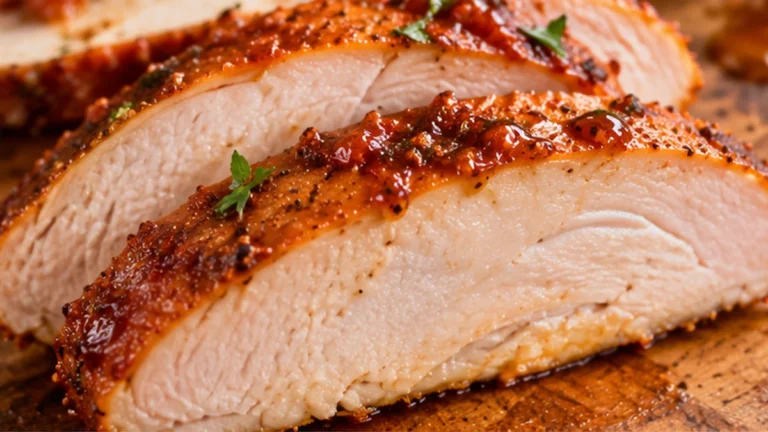
Continue smoking until the thermometer reads at least 165°F (74°C) in the thickest part of the turkey breast. Check a second thick area if the roast is uneven. Transfer to a clean board, tent loosely, and rest for about 15 minutes. Slice across the grain into approximately 1/4- to 1/2-inch pieces, keeping the glaze and any collected juices with the serving platter.
For poultry, CDC holiday turkey safety guidance also specifies 165°F and reminds cooks to avoid cross-contamination. Do not intentionally stop at 150°F or 155°F and assume resting will make up the difference; this recipe is written for a verified 165°F finish.
How Long to Cook Smoked Cajun Honey Turkey Breast?
At 275°F, a plain 3-pound boneless roast often takes around 1 1/2 to 2 1/2 hours, depending on its thickness, shape, start temperature, outdoor weather, airflow, and actual grate temperature. The two-hour estimate in the recipe card is a midpoint for planning. A narrow, evenly shaped breast can finish sooner; a compact, thick roast may take longer. Always budget some flexibility before serving.
How to Keep Smoked Turkey Breast Juicy
Juiciness starts with choosing a reasonably thick breast and keeping the smoker at an even temperature. Measure the rub so salt and sugar do not overwhelm the meat, and keep the glaze thin. Once the poultry reaches 165°F, stop cooking promptly; extending the smoke far beyond that temperature can dry out the lean breast even if the crust looks attractive.
Resting for 15 minutes helps the surface settle and makes carving tidier, but it is not a substitute for safe cooking. Slice only the amount needed for the first platter if guests will return for seconds. The remaining whole portion can retain moisture better than slices left uncovered. For a seasonal breakfast after Thanksgiving, cranberry orange cottage cheese muffins use a different protein source and can be baked ahead.
Smoked Cajun Honey Turkey Breast Troubleshooting
The Outside Is Dark Before the Center Is Done
With smoked Cajun honey turkey breast, the most common reason is brushing on the honey too early or having a hotter section of the smoker than the built-in display suggests. Stop adding glaze, verify the grate temperature, and loosely tent the darkened surface with foil. Keep cooking until a thermometer reads 165°F in the thickest part. Never rely on the color of the crust or smoke ring. For other smoked-meat ideas, see our smoked dragon eggs recipe; its ingredients and handling are quite different.
The Glaze Slides Off
For smoked Cajun honey turkey breast, a wet turkey surface or a glaze that is very hot and runny can cause drips. Pat the raw breast dry before seasoning, and apply the warm honey mixture in thin coats rather than pouring everything over at once. Wait for the first coat to become tacky before adding another. Brush the clean reserved glaze onto sliced meat only at serving time.
The Turkey Tastes Too Salty or Too Spicy
An enhanced turkey breast or pre-salted Cajun blend may already have plenty of sodium. For the next roast, choose plain poultry and the individual seasonings listed in the card. To make the dish milder, reduce cayenne rather than reducing paprika. Serve extra heat at the table instead of forcing everyone to eat the same spicy batch. For another dinner where chili can be adjusted, see our high protein taco soup.
What to Serve with Smoked Turkey Breast
Thanksgiving plates benefit from a contrast of textures. Pair slices with gluten-free stuffing muffins for savory bread and fresh sage, then add a crisp salad or cooked green vegetable. If you are planning a fall potluck rather than a formal holiday plate, fall harvest pasta salad is a convenient colorful dish that can be made in advance.
For smoked Cajun honey turkey breast, you can measure the dry rub one day ahead and store it covered; thaw the turkey fully in the refrigerator and keep it cold until cooking. Mix the honey glaze in advance only if you can chill it promptly and warm it gently for brushing. For the best fresh crust, smoke and glaze the turkey on the day you plan to serve it. The cooked slices can still be prepared for future lunches.
Divide leftovers into shallow containers and refrigerate within two hours after cooking; do not leave a large roast on the counter to “cool completely.” The FoodSafety.gov cold storage chart gives cooked turkey about three to four days in the refrigerator. Freeze tightly packed portions for longer storage, using them within about two to three months for best eating quality. Reheat leftovers until the center reaches 165°F.
Sliced smoked turkey is also useful in sandwiches, wraps, or grain bowls. Serve it with vegetables rather than automatically adding more glaze to every reheated portion; the honey flavor will already be present. For a very different leftover-friendly option, see loaded potato soup with turkey bacon, which uses a soup base instead of roasted turkey slices.
Smoked Cajun Honey Turkey Breast Nutrition
One-eighth of the base recipe is estimated to provide around 275 calories and 40 grams of protein when made with a plain 3-pound boneless skinless turkey breast, 1 tablespoon olive oil, 1/4 cup honey, 2 tablespoons unsalted butter, and the listed seasonings. These values are calculations, not laboratory measurements, and assume the glaze is eaten rather than entirely left on the tray. Cooking reduces moisture, but the total recipe ingredients still determine the nutrition estimate.
The honey contributes most of the carbohydrate and sugar, while butter accounts for much of the saturated fat. Sodium varies substantially with the turkey label, mustard, added salt, and any commercial spice substitutions. For context about balancing larger meals, our dinner recipes guide covers other options; the USDA FoodData Central database provides general ingredient reference values, while the specific turkey package remains the best source for its sodium and additives.
Smoked Cajun Honey Turkey Breast FAQs
Can I Use a Bone-In Turkey Breast?
Yes, but the recipe card timing and nutrition are written for a 3-pound boneless skinless breast. Bone-in cuts can cook differently and yield a different amount of edible meat. Keep the smoker in the recommended range and use a thermometer in the thickest part of the breast away from bone; finish at 165°F. Do not carry over the per-serving nutrition without recalculating it.
Can I Make Smoked Cajun Honey Turkey Breast Less Spicy?
Yes. Cut the cayenne in half or omit it, while retaining the smoked paprika, sweet paprika, thyme, oregano, garlic, and onion powder. The result still has color and Cajun-inspired aromatic notes. If you want a different type of seasoned turkey dinner, ground turkey broccoli tater tot casserole uses ground turkey and different cooking times. For diners with different spice preferences, put hot sauce or additional cayenne on the table instead of stirring it into the glaze.
Is This Smoked Turkey Breast Gluten Free?
The listed individual spices, plain turkey, honey, butter, oil, and vinegar do not intentionally contain wheat, but packaged turkey with seasoning solution and some Dijon or spice mixes require label checking. If preparing for someone with celiac disease, verify current packages and keep equipment free of wheat cross-contact. Our gluten-free recipes guide gives wider practical label-checking reminders; do not assume gluten-free status based on the dish name alone.
Can I Smoke It Ahead and Reheat for Thanksgiving?
Yes. Cook the breast completely to 165°F, refrigerate it promptly in shallow containers, and reheat thoroughly to 165°F before serving. Keep slices covered with a splash of broth during reheating to reduce drying. The glaze will not be as shiny as a fresh finish, so reserve a clean portion of glaze for reheating only if it has been kept safely refrigerated.
Do I Have to Brine Turkey Breast First?
No. This recipe is designed for an unbrined turkey breast with a measured dry seasoning. Brining can help seasoning distribution in some turkey preparations, but it also changes salt, water retention, and timing. If your roast is already enhanced or pre-brined, use less salt and follow the package directions rather than adding a second brine by habit.
Final Tips
For a reliable smoked Cajun honey turkey breast, keep the steps in order: thaw and dry the breast, apply the homemade rub, smoke steadily at 275°F, add honey glaze only near the end, verify 165°F in the thickest portion, and rest before slicing. A single accurate probe thermometer is more important than guessing how smoky the crust looks. Serve with apple-and-sage stuffing muffins and choose whichever other sides suit your guests.
Reviewed recipe options
Make this recipe fit me
Choose one of seven popular diet options. NutriMatch will confirm whether the recipe already fits, show a reviewed adaptation when available, or recommend recipes that match your choice.
Please choose a diet first.
Reviewed Dairy-Free adaptation
Dairy-Free Smoked Cajun Honey Turkey Breast (Sweet-Spicy Glaze)
Use the substitutions below to prepare a Dairy-Free version while keeping the rest of the recipe as close as possible to the original.
Use a dairy-free butter alternative in the same measured amount; browning and water content can vary by brand.
Check: Check packaged substitutes for milk ingredients and the cross-contact information you need.
Use these reviewed changes with the original ingredient quantities and instructions above. The original recipe card stays unchanged.
Recipe details, product formulas, and cross-contact information can change. Confirm current labels and use professional guidance when medically necessary.
Not available for this recipe
This recipe cannot currently be made Gluten-Free with a reviewed adaptation.
NutriMatch will not guess at substitutions. Try one of these recipes that is already reviewed for your choice.
Recipe details, product formulas, and cross-contact information can change. Confirm current labels and use professional guidance when medically necessary.
Already a reviewed match
This recipe already fits High Protein.
No changes are needed based on its reviewed NutriMatch classification. Check the complete ingredients, product labels, and serving details for your own needs.
Recipe details, product formulas, and cross-contact information can change. Confirm current labels and use professional guidance when medically necessary.
Not available for this recipe
This recipe cannot currently be made Keto with a reviewed adaptation.
NutriMatch will not guess at substitutions. Try one of these recipes that is already reviewed for your choice.
Recipe details, product formulas, and cross-contact information can change. Confirm current labels and use professional guidance when medically necessary.
Not available for this recipe
This recipe cannot currently be made Low Carb with a reviewed adaptation.
NutriMatch will not guess at substitutions. Try one of these recipes that is already reviewed for your choice.
Recipe details, product formulas, and cross-contact information can change. Confirm current labels and use professional guidance when medically necessary.
Not available for this recipe
This recipe cannot currently be made Vegan with a reviewed adaptation.
NutriMatch will not guess at substitutions. Try one of these recipes that is already reviewed for your choice.
Recipe details, product formulas, and cross-contact information can change. Confirm current labels and use professional guidance when medically necessary.
Not available for this recipe
This recipe cannot currently be made Vegetarian with a reviewed adaptation.
NutriMatch will not guess at substitutions. Try one of these recipes that is already reviewed for your choice.
Recipe details, product formulas, and cross-contact information can change. Confirm current labels and use professional guidance when medically necessary.