This GLP-1 snack plate recipe is a small, colorful mini meal built around lemon-dill cottage cheese, rolled turkey breast, crisp vegetables, blueberries, and whole-grain crackers. It takes about 10 minutes without turning on the stove and provides roughly 29 grams of protein in one intentionally modest serving, based on the reference ingredients described below. Unlike a tray of random snack foods, each part has a job: creamy dip, savory protein, crunch, and a little sweet contrast.
The name describes the kind of smaller, protein-forward plate people are looking for, not a treatment for any medical condition. You do not need to take a GLP-1 medicine to make or enjoy it. Nutrition needs and tolerances vary widely; anyone using prescription medication should follow individualized advice from their prescribing clinician or dietitian rather than treating a food-blog recipe as a medication-specific plan.
Table of Contents
Why This GLP-1 Snack Plate Recipe Works
A measured protein base: 1/2 cup of 2% cottage cheese plus 2 ounces of cooked turkey supplies most of the protein without a protein shake or powder.
Small but complete: a 9-inch plate and one small dip bowl provide a simple serving boundary without a rigid medical portion rule.
Better texture: cucumbers and tomatoes stay crisp because they are washed and thoroughly dried before assembly.
Fiber-aware, not fiber-promised: choose a whole-grain cracker with at least a little fiber and keep the produce portion visible.
Easy to adapt: swap the turkey or dairy only if it still matches your needs, and recalculate nutrition from the new ingredients.
A plate is different from our high-protein foods guide, which discusses protein sources in general. Here, the ingredients, amounts, order of preparation, serving size, and storage are specified for one simple snack. The recipe also differs from a blended drink such as our high-protein high-fiber smoothie; you can eat the components separately and adjust the pace to your appetite.
GLP-1 Snack Plate Recipe Ingredients
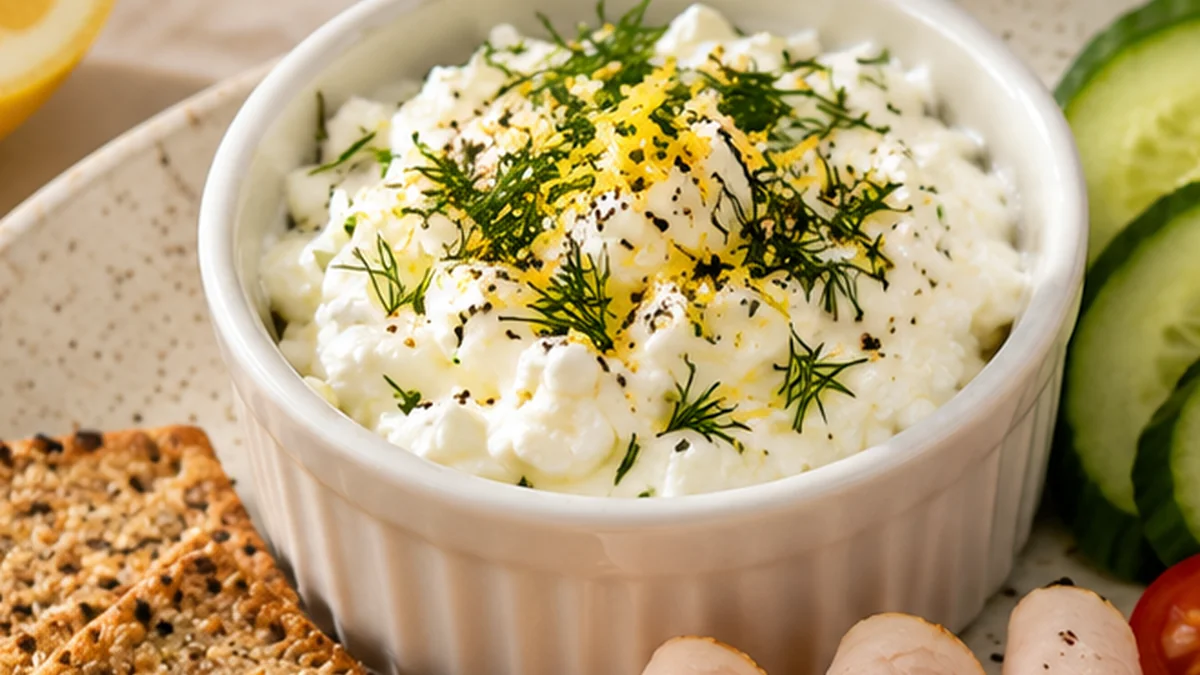
Low-fat cottage cheese — 1/2 cup (about 113 g). Use plain 2% cottage cheese for the reference nutrition estimate. It becomes the herb dip and adds most of the creamy texture. Different brands vary considerably in sodium and protein. If the curds feel too large, mash with a fork; do not add extra oil or cream just to smooth it.
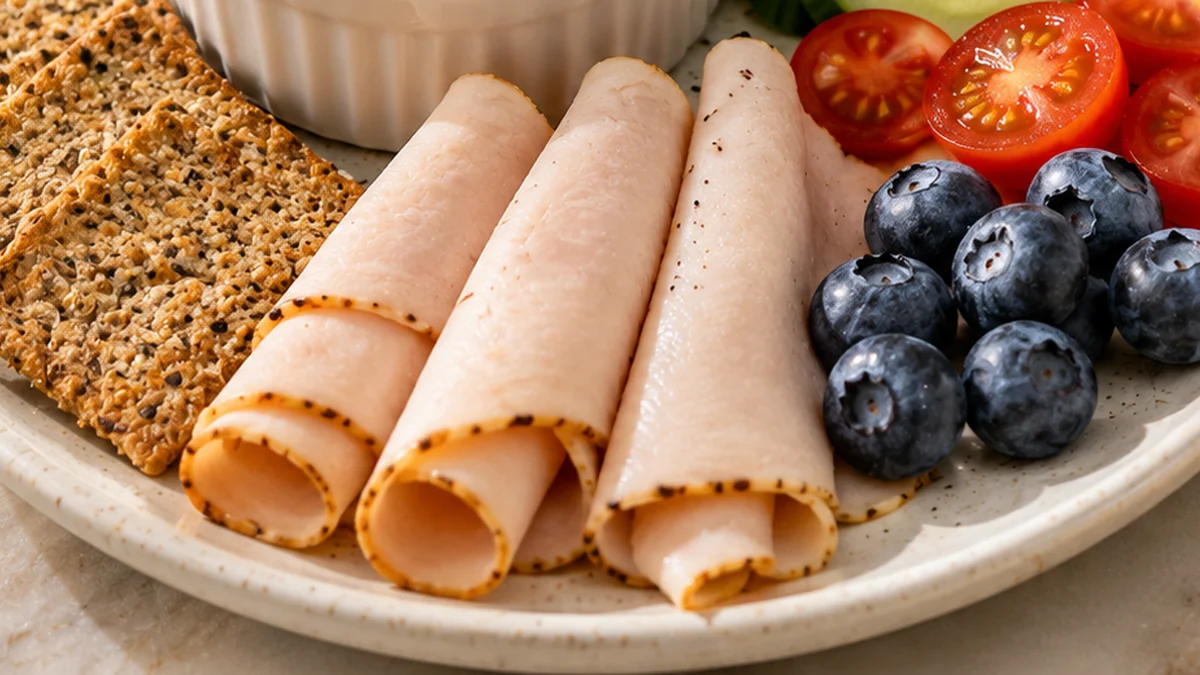
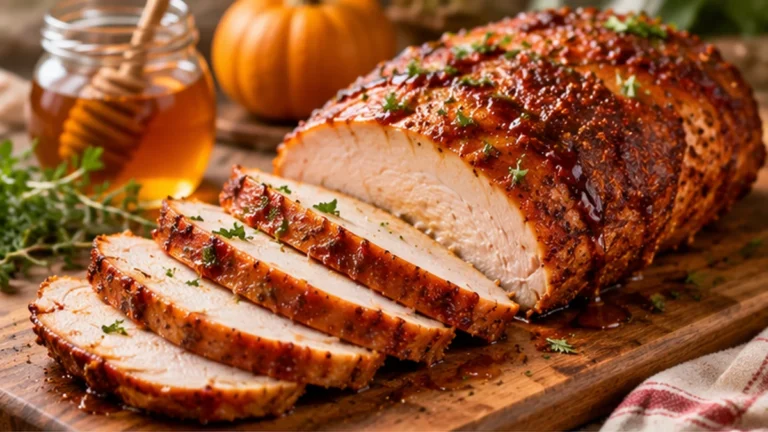
Fully cooked sliced turkey breast — 2 ounces (about 56 g). Choose plain roasted, ready-to-eat turkey without sweet glaze, and ideally a lower-sodium option if that matters to you. Roll the slices loosely so they are easy to pick up and dip. Chicken breast already cooked and chilled is another option; the nutrition numbers will change. This is not raw turkey.
Cucumber — 1/2 cup sliced; cherry tomatoes — 1/2 cup halved. Slice the cucumber into bite-size half-moons and cut the tomatoes immediately before serving. These vegetables add color, freshness, and crunch. Pat everything dry: wet vegetables make crackers soft and can thin the dip if piled directly on top.
Blueberries — 1/4 cup. Their mild sweetness balances the lemon and pepper. Rinse, drain, and dry the berries before placing them next to the vegetables. Raspberries or strawberries can work as a variation, but the reference calculations use blueberries.
Whole-grain seeded crackers — about 20 g (typically 3 to 4 crackers). Use the scale weight, not just the count, because crackers vary widely in size. Choose a package that lists whole grain early in the ingredients and reports fiber in its Nutrition Facts panel. For a different crunchy idea, visit our gluten-free crackers guide and check the exact product label rather than assuming every cracker has the same nutrition.
Fresh lemon juice — 1 teaspoon; fresh dill — 1 teaspoon chopped; black pepper — a pinch. These turn plain cottage cheese into a bright, savory dip. If you have lemon zest, add a tiny pinch, avoiding the bitter white pith. Salt is optional and usually unnecessary when turkey and cottage cheese are already seasoned.
You need a small bowl, a fork or spoon, a knife, and a plate. The full quantities appear again in the printable Recipe Card below so there is no difference between the article and the instructions you can save.
How to Make the GLP-1 Snack Plate Recipe
Step 1: Make the lemon-dill cottage cheese dip
Spoon the measured cottage cheese into a small ramekin. Add the lemon juice, dill, and black pepper, then fold gently for 15 to 20 seconds until the herbs are evenly distributed. Taste before adding salt. The dip should be spoonable and hold soft peaks; if it looks runny, drain off any visible liquid from the cottage cheese before seasoning rather than adding flour or thickener.
Step 2: Prepare the turkey and vegetables
Roll the cooked turkey slices into 3 or 4 loose cylinders. Slice the cucumber and halve the tomatoes, then pat dry with a clean towel. Rinse and thoroughly dry the blueberries. Keep the crackers in their package until you are ready to plate; this is the easiest way to preserve their crunch.
Step 3: Arrange the portions on one plate
Set the cottage-cheese ramekin near the upper center of a plate. Place turkey rolls along one edge; group the cucumber and tomatoes on the opposite side. Add blueberries and crackers in separate little sections. This GLP-1 snack plate recipe is meant to be assembled from distinct textures, not tossed into a salad, so that you can adjust the order you eat things and keep the crackers from becoming damp.
Step 4: Serve right away
Serve chilled or at a cool room temperature soon after assembly. Use crackers to scoop the dip, or add a little cottage cheese to a cucumber slice. If you are making the plate ahead for work, pack crackers separately and keep the other components cold until serving. For a warm protein-focused alternative when you have more time, the site also has high-protein egg bites for meal prep.
3 to 4 whole-grain seeded crackers (about 20 g total; use package weight)
1 teaspoon fresh lemon juice
1 teaspoon finely chopped fresh dill
Pinch freshly ground black pepper
Optional: tiny pinch lemon zest; do not use extra salt until tasting
Instructions
Stir cottage cheese, lemon juice, chopped dill, and black pepper together in a small ramekin for about 15 to 20 seconds. Taste before considering extra salt.
Roll the fully cooked turkey slices loosely into 3 to 4 easy-to-pick-up rolls.
Slice and dry the cucumber; halve and dry the cherry tomatoes. Wash and dry the blueberries.
Arrange the cottage cheese bowl, turkey rolls, cucumber, tomatoes, and berries on a single plate in separate sections.
Add whole-grain crackers immediately before serving, keeping them away from wet vegetables and dip. Serve chilled and eat promptly.
Notes
Makes one substantial snack plate/mini meal; not medical advice or a medication-specific diet.
Nutrition uses a 2% cottage cheese reference, ready-to-eat fully cooked turkey and 20 g whole-grain crackers. Brand values and sodium content vary.
Keep crackers separate if packing ahead. Refrigerate perishable ingredients at 40°F (4°C) or below.
Opened packages or deli-sliced luncheon meat: follow the label and FoodSafety.gov 3–5 day refrigerator guidance.
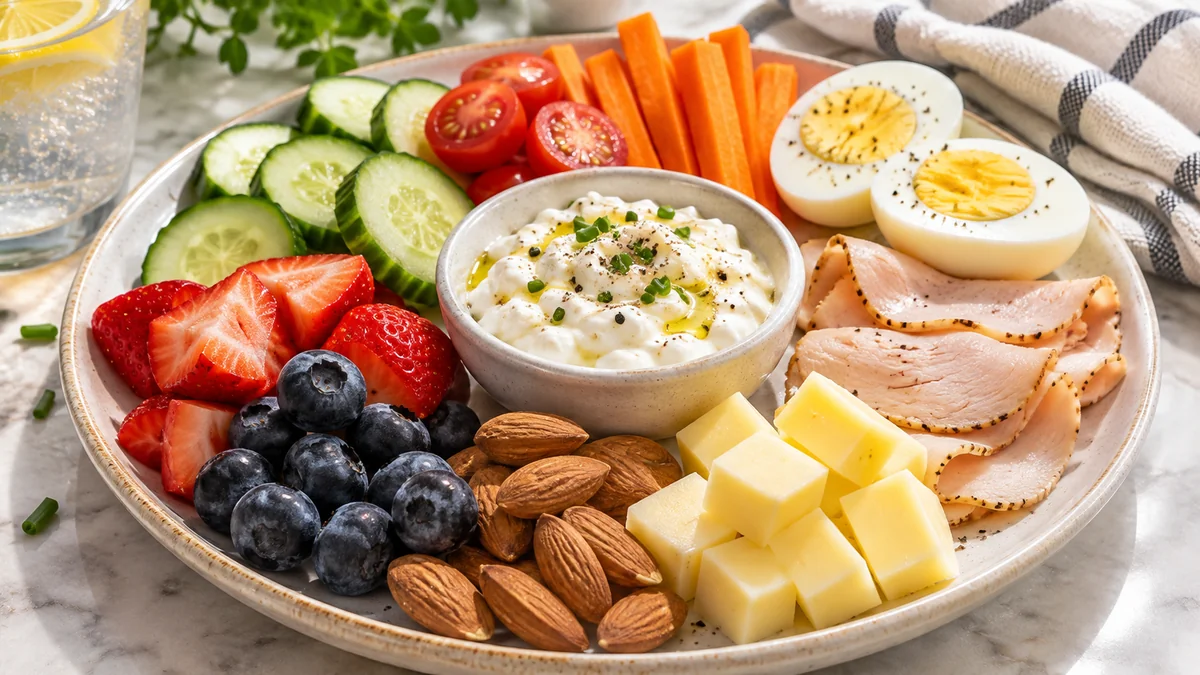
The egg-and-cheese variation pictured in the article is optional and is not included in the printed nutrition values.
Contains milk, wheat depending on crackers; other allergens depend on cracker and turkey labels.
Author:Adam Moretti
Prep Time:10 minutes
Cook Time:0 minutes
Category:Snack
Method:No-Cook
Cuisine:American
Diet:High Protein
The Texture Details That Make the Plate Better
The easiest mistake is creating a beautiful-looking plate that becomes watery within minutes. Cottage cheese naturally carries a little whey, which is fine when fresh, but standing water in a closed meal-prep box will soften the crackers and dilute the herb seasoning. Drain excess liquid gently, thoroughly dry the cut vegetables, and keep crisp items off moist surfaces. If your turkey slices are very thin, roll two together; they will be easier to pick up.
Season in layers instead of stirring strong flavors through every ingredient. Lemon belongs in the dip, pepper can be added to the tomatoes, and the blueberries should stay plain. The contrast is deliberate: tangy dairy, savory meat, crunchy vegetables and crackers, and a cool sweet bite. For another creamy high-protein dip with a completely different flavor, our high-protein buffalo chicken dip is made for sharing rather than a single mini meal.
Is a GLP-1 Snack Plate the Same as a Medication Diet?
No. There is no single approved “GLP-1 plate” that applies to everyone, and eating this recipe has no demonstrated effect on the medication itself. A 2025 joint clinical advisory discussed personalized, nutrient-dense diets and adequate protein as broad nutrition priorities during GLP-1 therapy. Those recommendations are individualized: portion tolerance, overall energy intake, gastrointestinal symptoms, medications, and clinical history all matter. Read the American Society for Nutrition summary of the joint advisory for the context rather than treating a single snack recipe as clinical guidance.
The practical reason for this GLP-1 snack plate recipe is that a small amount of food can still contain a meaningful protein source and produce. It is not a meal replacement prescription, an appetite-suppression trick, a nausea remedy, or a substitute for enough food across the day. If a person cannot consistently eat or drink adequately while taking medication, that is a reason to talk with their care team, not to force down one particular ingredient.
GLP-1 Snack Plate Recipe Nutrition: What the Numbers Include
Using 1/2 cup plain 2% cottage cheese, 2 ounces fully cooked sliced turkey breast, 20 grams whole-grain crackers, 1/2 cup cucumber, 1/2 cup cherry tomatoes, 1/4 cup blueberries, and the measured lemon and dill, one assembled plate is estimated at about 310 calories, 29 g protein, 31 g carbohydrates, 7 g fat, and 5 g fiber. It is a practical estimate, not a laboratory measurement. The largest uncertainties are the brand of cottage cheese, the type and sodium content of turkey, and the cracker label. Our high-protein foods guide explains why protein counts can differ between seemingly similar foods.
The sodium estimate is particularly variable with deli-style turkey and cottage cheese. For more reliable tracking, read the three product labels and add their values before including the produce. If you switch to egg, hummus, cheese cubes, or plant-based spreads, the nutrients of the new version must be calculated separately. For a different plant-based plate with beans and vegetables, see our high-protein vegan dense bean salad.
Easy Protein and Produce Swaps
Egg-and-cheese variation
For an egg-based version, replace the turkey with one fully cooked hard-boiled egg, and add a small amount of cheese if desired. This is a different plate with different calories, protein and fat, not the nutrition-tested baseline used in the Recipe Card. It may be convenient when you already prepared eggs for meal-prep egg bites or the high-protein cottage cheese egg bake. Keep eggs cold until needed and avoid leaving a packed plate unrefrigerated.
Meat-free variation
If you prefer no meat, replace the turkey with an amount of cooked edamame or a bean-based dip that fits your appetite. You could add a small bowl of our hummus without tahini instead of turkey, but remember that two tablespoons of hummus contain much less protein than two ounces of turkey. A meat-free variation may need a larger portion of legumes or another protein source to match the reference plate.
Softer-texture variation
If you prefer fewer crunchy elements, swap crispbreads for a small piece of soft whole-grain toast, use peeled cucumber, and chop the turkey into bite-size pieces. Keep the food appealing and follow personal tolerance; do not interpret texture changes as medical symptom management. If you want another easy, soft cottage-cheese dish, our high-protein cottage cheese lemon pasta is a full meal rather than a snack plate.
Sweet snack-plate variation
For a sweeter direction, pair plain Greek yogurt with berries and a small portion of nuts or seeds, and keep the savory items on a separate plate. Our high-protein banana yogurt bark and high-protein banana pudding are already published alternatives with their own tested recipe structures; there is no reason to reproduce those recipes under this new slug.
GLP-1 Snack Plate Recipe: Meal Prep, Storage, and Packing
A GLP-1 snack plate recipe is most attractive when its cold components are prepared but not allowed to turn soggy. Wash and dry the vegetables and fruit, mix the herb dip in a covered small container, and portion the cooked turkey into a separate compartment. Assemble just before serving, or pack in a divided lunchbox and keep the crackers sealed until you eat. Do not freeze a completed plate: the fresh produce and cottage cheese will lose their texture on thawing.
Refrigerate the perishable ingredients promptly at 40°F (4°C) or below. The FoodSafety.gov cold-storage chart lists 3 to 5 days for opened packages or deli-sliced luncheon meat, but follow earlier use-by dates and manufacturer instructions. Freshly assembled plates should be eaten promptly; leftovers that were held warm should not be returned to the refrigerator as if they were untouched.
If you need a fully make-ahead protein snack that can stay in the refrigerator and be packed one at a time, high-protein egg bites meal prep offer a different format. For snack planning across the week, the HealthyAmericanBites snack recipes collection provides more choices without squeezing all foods into one formula.
Troubleshooting the GLP-1 Snack Plate Recipe
Watery cottage cheese: spoon off free liquid before mixing lemon juice. Use a thicker brand next time and add lemon gradually.
Crackers getting soft: pack separately; place them beside the dip only at serving time.
Vegetables taste bland: add pepper and a squeeze of lemon directly before eating, without adding more salt automatically.
Too much food on one plate: pack a smaller plate and save the remaining components safely; no recipe requires finishing the whole serving in one sitting.
Protein numbers differ from the estimate: use the labels on your cottage cheese, turkey and cracker brands, which account for most of the difference.
If you want a meal with a similarly savory profile but substantially more food, our Korean BBQ turkey meatball bowls are designed as a full lunch or dinner. A quick snack plate and a protein-rich dinner should not be presented as interchangeable calorie portions.
FAQs About the GLP-1 Snack Plate Recipe
What belongs on a GLP-1 snack plate?
For a straightforward starting point, choose a measured protein source such as cottage cheese or cooked lean poultry, add a vegetable or fruit you enjoy, and include a small portion of whole-grain food if that suits you. This example uses turkey, lemon-dill cottage cheese, cucumbers, cherry tomatoes, blueberries and crackers. The exact mix can vary; the term is descriptive, not a medical food category.
Can I eat this snack plate if I do not take GLP-1 medication?
Yes. It is simply a snack-sized combination of familiar foods. You do not need a prescription to eat it, and there is no special active ingredient. The phrase “GLP-1” in the name reflects a search interest in smaller protein-forward meals, not an effect of the plate on a hormone or a drug.
How much protein does the recipe provide?
Approximately 29 grams in the full reference plate, using the specified 2% cottage cheese, cooked turkey, whole-grain crackers and produce. Brand choice can change the total, especially if the turkey slices contain different amounts of meat or the crackers are larger. Check your actual labels if the number matters for your nutrition plan.
Is this GLP-1 snack plate recipe suitable for weight loss?
No single recipe causes weight loss, and this plate has not been studied for that outcome. It can be one part of an eating pattern, but a person’s overall nutrition, medical needs and preferences matter. The article intentionally avoids claims that the food changes the effect of GLP-1 medication or treats medication side effects.
Can I prepare it for the next day?
Yes, if you keep the perishable food refrigerated, pack the dip and moist vegetables separately from crackers, and follow safe storage dates for turkey and dairy. For the freshest texture, assemble the complete plate as close to serving as practical. Keep an ice pack with it when traveling without reliable refrigeration.
Can I substitute Greek yogurt for cottage cheese?
Yes. Choose plain Greek yogurt, use roughly the same volume, and mix in lemon, dill and pepper. Its protein and sodium content will differ from the cottage-cheese reference, so the printed Nutrition line no longer applies. The yogurt version is smoother and a little more tangy; use a thick variety if you plan to scoop it with crackers.
More Small High-Protein Ideas
Use the plate as a template rather than repeating the exact same foods every day. A fruit-and-yogurt snack such as banana yogurt protein bark delivers a sweet option, while buffalo chicken dip offers a cooked savory choice for sharing. A little planning around variety, texture and serving size is more useful than inventing a new medication-themed claim for every ingredient.
The bottom line: this GLP-1 snack plate recipe is a fast, practical small meal with a clear serving size and roughly 29 grams of protein. Its appeal is the contrast between lemony cottage cheese, rolled turkey, fresh produce and seeded crackers. Use the recipe as written to match the estimated nutrition, or make the swaps that suit your preferences and recalculate accordingly.
Reviewed recipe options
Make this recipe fit me
Choose one of seven popular diet options. NutriMatch will confirm whether the recipe already fits, show a reviewed adaptation when available, or recommend recipes that match your choice.
Please choose a diet first.
Not available for this recipe
This recipe cannot currently be made Dairy-Free with a reviewed adaptation.
NutriMatch will not guess at substitutions. Try one of these recipes that is already reviewed for your choice.
Recipe details, product formulas, and cross-contact information can change. Confirm current labels and use professional guidance when medically necessary.
Not available for this recipe
This recipe cannot currently be made Gluten-Free with a reviewed adaptation.
NutriMatch will not guess at substitutions. Try one of these recipes that is already reviewed for your choice.
Recipe details, product formulas, and cross-contact information can change. Confirm current labels and use professional guidance when medically necessary.
Already a reviewed match
This recipe already fits High Protein.
No changes are needed based on its reviewed NutriMatch classification. Check the complete ingredients, product labels, and serving details for your own needs.
Recipe details, product formulas, and cross-contact information can change. Confirm current labels and use professional guidance when medically necessary.
Not available for this recipe
This recipe cannot currently be made Keto with a reviewed adaptation.
NutriMatch will not guess at substitutions. Try one of these recipes that is already reviewed for your choice.
Recipe details, product formulas, and cross-contact information can change. Confirm current labels and use professional guidance when medically necessary.
Not available for this recipe
This recipe cannot currently be made Low Carb with a reviewed adaptation.
NutriMatch will not guess at substitutions. Try one of these recipes that is already reviewed for your choice.
Recipe details, product formulas, and cross-contact information can change. Confirm current labels and use professional guidance when medically necessary.
Not available for this recipe
This recipe cannot currently be made Vegan with a reviewed adaptation.
NutriMatch will not guess at substitutions. Try one of these recipes that is already reviewed for your choice.
Recipe details, product formulas, and cross-contact information can change. Confirm current labels and use professional guidance when medically necessary.
Not available for this recipe
This recipe cannot currently be made Vegetarian with a reviewed adaptation.
NutriMatch will not guess at substitutions. Try one of these recipes that is already reviewed for your choice.
Recipe details, product formulas, and cross-contact information can change. Confirm current labels and use professional guidance when medically necessary.