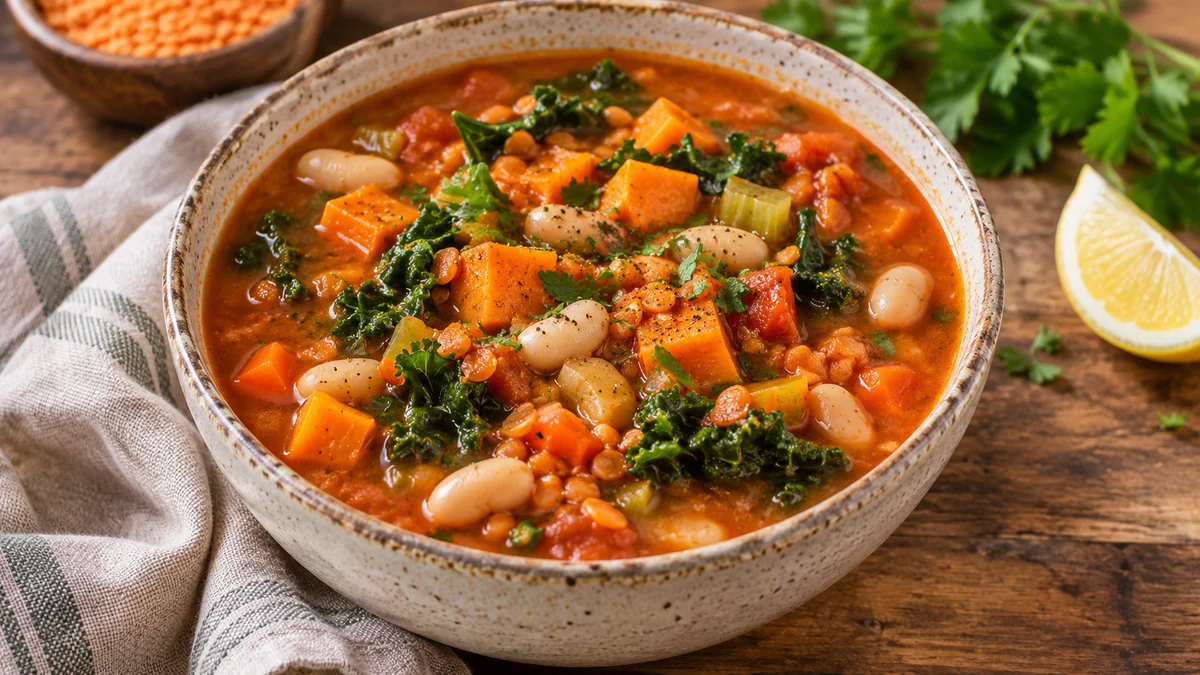
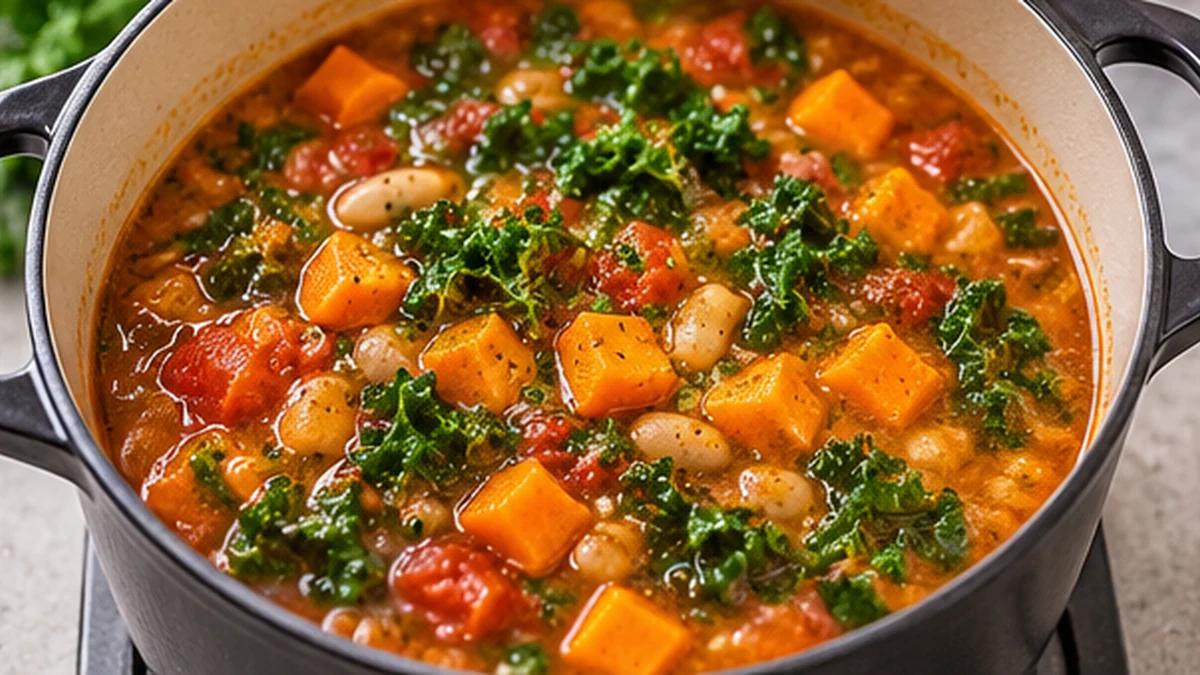
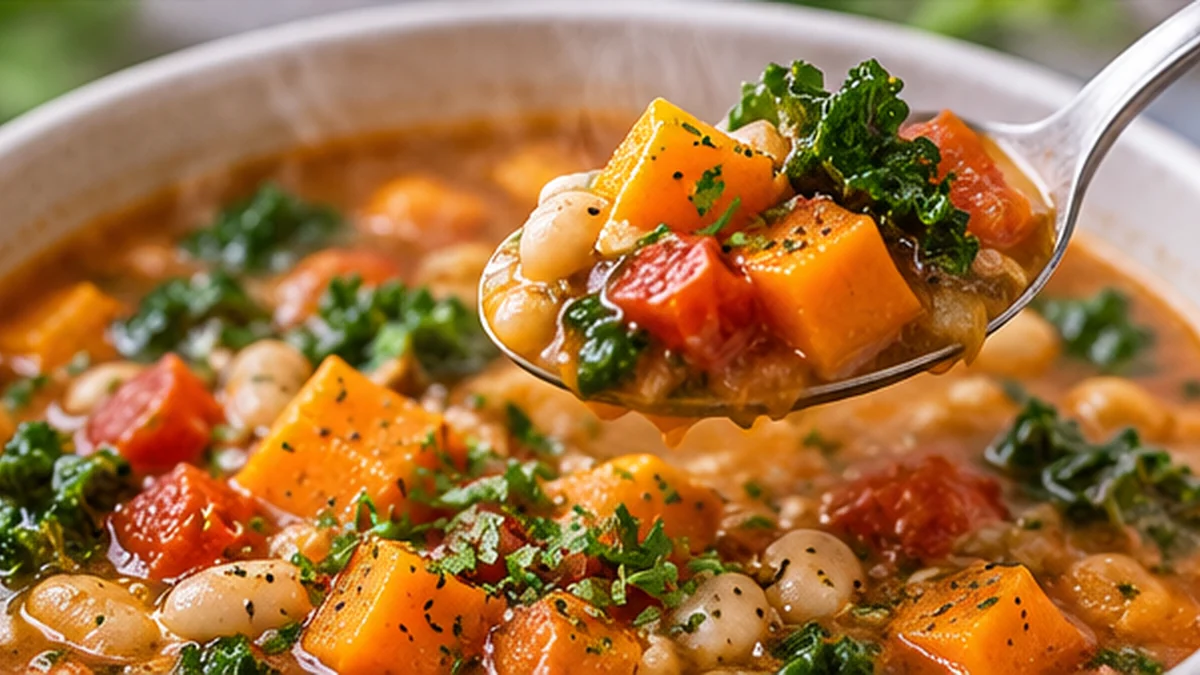
This high fiber poop soup recipe is a cozy, one-pot dinner built from sweet potato, white beans, red lentils, tomatoes and kale. The name comes from a social-media trend, but the soup itself is straightforward: a gently smoky tomato broth, tender cubes of sweet potato and beans that keep their shape. It is completely plant-based as written, with no coconut milk or specialty supplements.
The recipe makes six generous bowls in about 55 minutes, including prep. Based on the specific ingredients and portions listed below, each serving has an estimated 13 grams of fiber and 16 grams of protein. These are calculated estimates, not lab-tested numbers, and the actual values depend on the beans and broth you use. If you are new to fiber-rich meals, begin with a smaller portion rather than suddenly making this a daily challenge.
Table of Contents
High Fiber Poop Soup at a Glance
Style: hearty, tomato-based sweet potato, lentil and white bean soup, finished with kale and lemon.
This is not the creator’s original recipe. Our distinct variation uses red lentils, tomato paste, smoked paprika and cumin for a different flavor and an explicitly calculated fiber estimate. Those changes matter: the original is a coconut-curry soup, while this one has a smoky tomato base. The playful name identifies the trend; it is not a medical claim or a promise that the soup will relieve constipation.
Why These Ingredients Work Together
A satisfying high fiber soup needs more than one ingredient doing all the work. White beans stay soft but recognizable; red lentils cook down into the broth, helping thicken it without flour or cream. Sweet potato holds its shape when cut into even half-inch cubes. Kale is added near the end so it softens without becoming olive-colored or mushy.
Tomato paste provides a concentrated savory base, while smoked paprika and cumin make the pot taste fuller than a simple vegetable-and-water soup. A little lemon juice added after cooking sharpens the flavors. The result is closer to a hearty bean stew than a thin clear soup, but it is easy to loosen with water if you prefer a lighter bowl.
Ingredients You Need
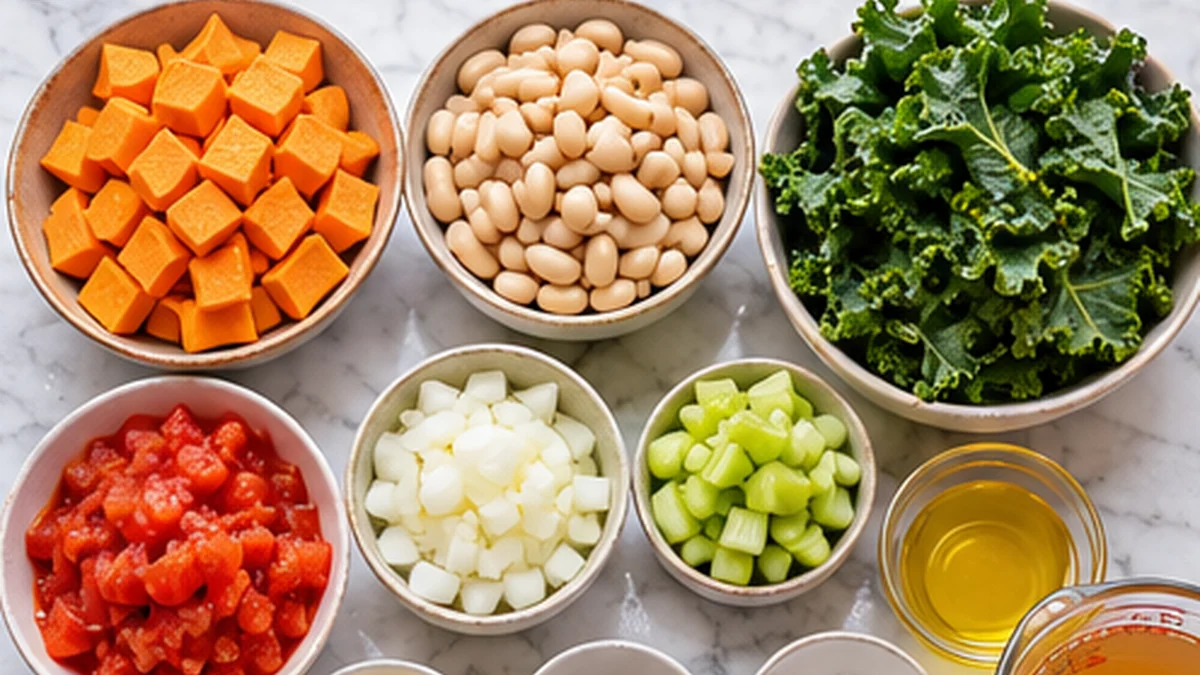
Sweet potato: Use about 330 g peeled sweet potato, cut into 1/2-inch cubes. Smaller, consistent cubes cook at approximately the same rate as the lentils. Orange-fleshed varieties add a warm color and mild sweetness; the recipe does not need any added sugar.
White beans: Two 15-ounce cans of no-salt-added cannellini beans supply the creamy, tender bean texture. Rinse and drain them, then weigh or measure the drained beans if you are using a different can size. We assume about 480 g drained beans in total for nutrition.
Dry red lentils: Measure 3/4 cup, about 144 g, before rinsing. Unlike larger green lentils, split red lentils tend to soften and partly dissolve. They make the broth thicker, so do not replace them gram-for-gram with dry chickpeas or uncooked kidney beans.
Vegetables and tomato: Onion, carrot, celery and garlic provide the aromatic base. A 14.5-ounce can of no-salt-added diced tomatoes brings body; 2 tablespoons tomato paste deepen the flavor. About 3 loosely packed cups of chopped kale go in last, once the sweet potato is nearly tender.
Liquid and seasonings: Use 5 cups of low-sodium vegetable broth, 2 tablespoons olive oil, smoked paprika, cumin, thyme, a little salt and black pepper. Finish with fresh lemon juice. Check broth and spice labels if gluten cross-contact matters; vegetable broth is not automatically suitable for every diet.
The Recipe: Smoky Tomato Sweet Potato, Bean and Lentil Soup
Use the complete recipe card below for exact quantities and the five-step method. This version is intentionally built around pantry staples and one pot: you do not need to precook canned beans, soak the red lentils or blend the entire batch. Once the pot starts simmering, stir occasionally so softened lentils do not collect on the bottom.
1/2 teaspoon (about 3 g) fine salt, plus more only if needed
1/4 teaspoon black pepper
Optional garnish: chopped parsley or extra lemon, not included in nutrition estimate
Instructions
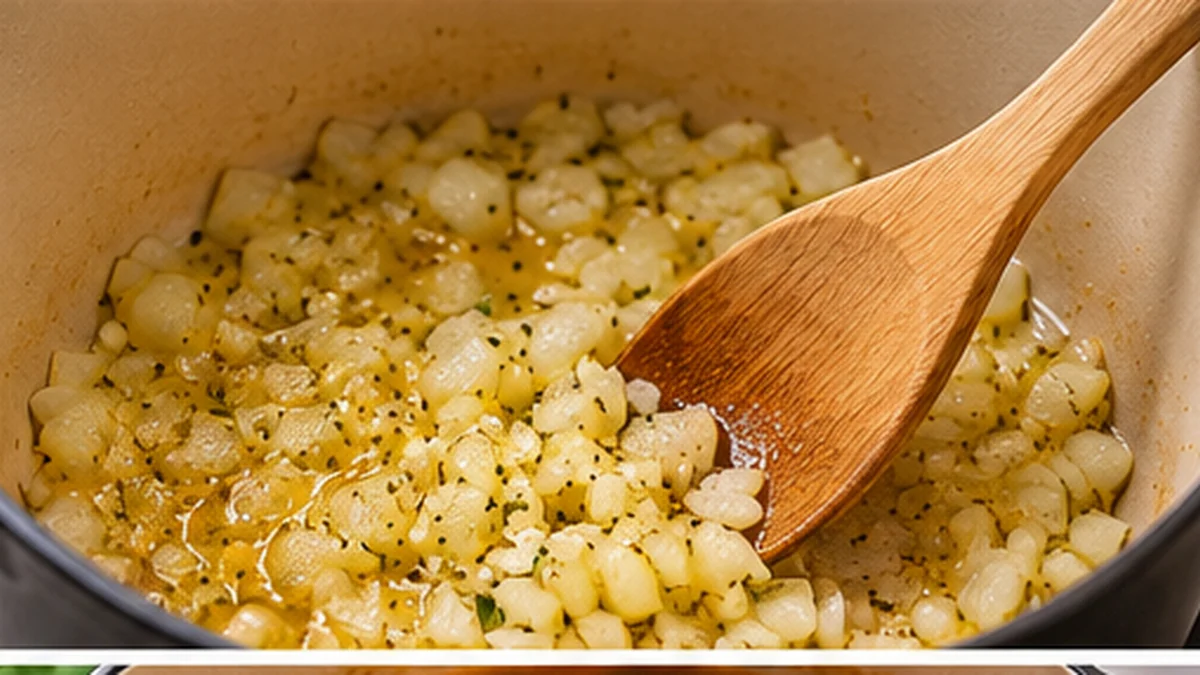
Heat the olive oil in a large soup pot over medium heat. Add onion, carrots and celery. Cook 7 minutes, stirring now and then, until onion looks translucent and vegetables begin to soften.
Add the garlic, tomato paste, smoked paprika, cumin and thyme. Stir continuously for 1 minute until fragrant; do not let the garlic or spices burn.
Pour in diced tomatoes with juices and vegetable broth, scraping the pot bottom. Add rinsed dry red lentils and evenly diced sweet potato. Bring briefly to a boil, then lower to a gentle simmer. Cover loosely and cook about 20 minutes, stirring every 5 minutes, until the lentils and sweet potato are tender.
Stir in drained cannellini beans and chopped kale. Simmer uncovered for another 6 to 7 minutes until the beans are hot throughout and the kale softens. Add 1/4 cup hot water at a time if the soup becomes too thick.
Remove from heat. Stir in lemon juice, salt and black pepper. Taste, adjust if needed, divide evenly between six bowls and serve warm. Add optional parsley or extra lemon only after portioning.
Notes
Estimated nutrition is for one-sixth of the full pot, approximately a generous 2-cup bowl depending on evaporation; it includes broth, beans, lentils, vegetables and olive oil.
Calculations use 480 g drained no-salt-added white beans, 144 g dry red lentils, 330 g peeled sweet potato, 410 g no-salt-added tomatoes, 90 g kale, 2 tbsp olive oil and 5 cups broth at 140 mg sodium per cup.
The 1/2 teaspoon fine salt is estimated at about 1,170 mg sodium for the pot. Regular salted beans or different broth brands substantially change sodium.
Red lentils naturally thicken the broth. Add hot water 1/4 cup at a time after the kale is cooked for a looser soup.
This is an independent smoky-tomato variation, not the original coconut-curry soup shared by Ariel Pastore-Sebring.
For gluten avoidance, check broth, canned product and spice labels for ingredients and cross-contact.
Cool promptly in shallow containers. Refrigerate at 40°F or colder 3–4 days or freeze 2–3 months for best quality. Reheat leftovers thoroughly to 165°F.
Author:Adam Moretti
Prep Time:20 minutes
Cook Time:35 minutes
Category:Soup
Method:Stovetop
Cuisine:American-inspired
Diet:Vegan
How to Make It: What to Watch for in Each Stage
1. Soften the aromatic vegetables
Warm the olive oil in a large pot over medium heat. Add onion, carrots and celery and cook for 7 minutes, stirring every so often. You are looking for translucent onion and slightly softened carrot, not deep browning. If the vegetables begin to catch on the base of the pot, turn the heat down and add a tablespoon of water rather than adding more oil without measuring it.
2. Bloom the tomato paste and spices
Stir in garlic, tomato paste, smoked paprika, cumin and dried thyme. Cook for about a minute, stirring continuously, until the tomato paste darkens slightly and smells savory. Keeping this stage short is important: scorched garlic and paprika can taste bitter, and simmering afterward will not remove that bitterness.
3. Simmer sweet potatoes and lentils together
Pour in the diced tomatoes and vegetable broth, scraping the base of the pot. Add the diced sweet potato and rinsed dry red lentils; bring to a brief boil, then reduce to an active but gentle simmer. Cover loosely and cook for about 20 minutes. Stir every 5 minutes, particularly toward the end, because red lentils break down and can stick. The sweet potato should be tender when pierced with a fork, while the lentils should no longer have a firm center.
4. Add beans and kale near the end
Fold in the drained cannellini beans and chopped kale. Simmer another 6 to 7 minutes, until the kale is softened and the beans are hot all the way through. Do not add the kale at the beginning if you want it to keep some texture. If the lentils have absorbed too much broth, pour in 1/4 cup hot water at a time, stirring before adding more.
5. Finish off the heat
Turn off the heat and stir in the lemon juice, salt and black pepper. Taste once the beans and broth have fully mixed: some low-sodium broths are markedly saltier than others, so the final adjustment should happen last. Ladle into six bowls. Parsley or more lemon are optional toppings and are not included in the nutrition calculation.
How Much Fiber Is Actually in One Bowl?
The recipe card estimates approximately 13 g fiber per one-sixth of the pot, not per cup of plain broth. The ingredients contribute different amounts: cooked white beans are a major source, followed by red lentils and sweet potato, with smaller contributions from kale, tomato, carrot and onion. The US Dietary Guidelines fiber food-source table identifies cooked lentils and sweet potatoes among fiber-containing foods; the exact value for this dish depends on the actual packaged beans and finished portion.
Our reference calculation assumes 480 g rinsed no-salt-added canned cannellini beans, 144 g dry red lentils, 330 g peeled sweet potato, 90 g kale, 410 g no-salt-added diced tomatoes, and all the measured vegetables and oil. It also assumes low-sodium broth at roughly 140 mg sodium per cup, about 3 g fine salt in the entire pot, and six equal portions. Changing to regular canned beans or a higher-sodium broth can raise sodium substantially.
If you eat a half serving, you get about half the calculated fiber. If you serve the soup over rice, add bread or stir in extra lentils, those additions change the nutrition. It is more useful to describe the portion honestly than to promote the entire pot’s fiber content as though it belonged to a single bowl.
If you usually eat low-fiber meals, start with a smaller bowl and see how it fits your routine before increasing portions. Anyone with ongoing bowel symptoms, a medical diet, or instructions to limit fiber should not assume that a high fiber trend is appropriate for them. This recipe is food, not a treatment plan. For another breakfast option with measurable fiber, our fibermaxxing breakfast recipes cover a different meal and set of ingredients.
The Texture Fix: Brothy, Hearty or Creamy
For a lighter soup: Add 1/2 to 1 cup warm water after the beans go in, then taste and season again. More liquid changes how many cups the pot yields but not the total nutrients in the ingredients; it does change nutrient estimates for a fixed one-cup serving.
For a thicker, spoon-standing stew: Uncover the pot for the final 5 minutes and allow some liquid to evaporate, stirring to keep lentils from sticking. Avoid simmering until the sweet potatoes fall apart unless you intentionally want a mashed texture.
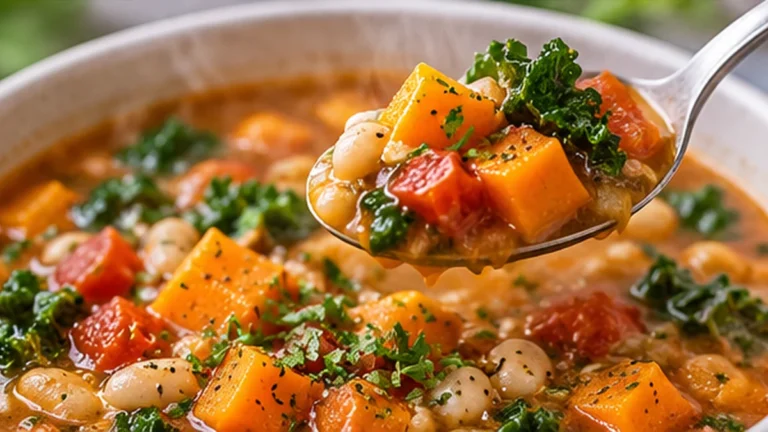
For a creamy texture without dairy: Use an immersion blender for only two or three short pulses, taking care not to splash the hot soup. Blending a portion releases starch from beans and sweet potatoes while leaving visible chunks. Do not fully purée if the appealing contrast between beans, orange cubes and dark kale is what you want.
Troubleshooting Common Problems
The lentils are still gritty: keep simmering in small increments with a little extra hot broth. Old lentils and a very acidic broth may take longer to soften.
The sweet potatoes are falling apart: the cubes were too small or the soup boiled too hard. Reduce the heat next time and add the kale sooner when the cubes are nearly tender.
The soup tastes flat: add lemon by the teaspoon and recheck salt only after the canned beans and broth are incorporated.
The soup is smoky but bitter: paprika or garlic may have burned during the spice stage. Add a splash of broth and taste; severe scorching cannot reliably be disguised.
The soup is too thick in the fridge: lentils continue absorbing liquid as the pot cools. Add hot water during reheating and stir thoroughly.
The kale is tough: remove thick stems and chop leaves finely. Lacinato kale usually softens more quickly than larger curly leaves.
Substitutions That Still Make Sense
Beans: Great Northern or navy beans can replace cannellini beans in equal drained weight, though the finished fiber number will change. If using regular salted beans, rinse well but do not assume all the sodium disappears. This is not a recipe for uncooked dry kidney beans; they require their own safe preparation.
Greens: Swap kale for chopped collard greens if you can simmer them longer, or use spinach for the final 1 to 2 minutes. Spinach will be softer and the fiber estimate will change. Frozen kale is practical; thaw and squeeze excess liquid only if it is very watery.
Lentils: Red lentils are selected for quick cooking and thickening. Brown or green lentils hold their shape and often require longer cooking, so the 35-minute cook time would no longer apply. For a lower-fiber version, reduce the dry lentils to 1/2 cup and add broth to match the texture, but recalculate the values.
Spice level: A pinch of crushed red pepper adds heat, but it is not necessary. For a less smoky pot, replace the smoked paprika with a smaller quantity of sweet paprika. Do not swap in curry paste without verifying its salt, allergens and flavor impact; the coconut-curry version is a genuinely different soup.
Broth: Vegetable broth keeps this recipe vegan. Chicken broth changes the diet classification and may also change the sodium. If you need the soup gluten-free, inspect each packaged label, including broth, spices and canned products, and avoid cross-contact; our gluten-free recipes guide explains what to check.
Meal Prep, Storage and Freezer Guidance
This soup is convenient for make-ahead cooking because the lentils and beans stay substantial after refrigeration. Cool it promptly in several shallow containers instead of leaving one deep pot on the stove for hours. Store at 40°F or lower. The FoodSafety.gov chart lists 3 to 4 refrigerated days and 2 to 3 freezer months for soups and stews; freezing duration is chiefly a quality window when stored continuously frozen.
For freezing, leave a little headspace in sturdy containers because liquid expands. Label with the date and thaw in the refrigerator. Reheat the soup thoroughly; USDA food-safety guidance says to bring soups to a boil when reheating and to heat leftovers to 165°F. Stir well to eliminate cool pockets. Do not reheat leftovers slowly in a slow cooker, which can hold food in an unsafe temperature range.
The pot usually thickens overnight. Add a splash of water or broth when reheating, especially after freezing. If you are planning a weekly rotation, our vegan soup recipes include other bean-and-vegetable flavors, and the vegan dinner recipes collection provides non-soup choices for different evenings.
What to Serve With This Soup
Because the soup already includes lentils, white beans and sweet potato, it is a fairly substantial meal by itself. A small green salad adds crunch and contrast without adding another large portion of beans. If you want bread, choose one you enjoy, but remember that bread changes total calories and carbohydrates and is not part of the nutrition estimate.
If preparing a mixed meal-prep schedule, use a smaller portion of soup for lunch alongside a simple side. Our fibermaxxing pea salad is another, separately prepared fiber-focused lunch, but you do not need to stack both dishes in the same sitting merely to pursue a social-media target.
FAQs about High Fiber Poop Soup Recipe
Is this Ariel Pastore-Sebring’s exact poop soup?
No. Ariel’s published version uses coconut milk, lemongrass and curry powder. The HAB recipe uses tomato paste, diced tomatoes, smoked paprika, cumin and red lentils, with different quantities and cooking steps. It is an independent variation that acknowledges the original creator rather than presenting her soup as our own invention.
Does this soup actually make you poop?
There is no guarantee. Beans, lentils, vegetables and sweet potatoes supply dietary fiber, but bowel habits depend on many factors, including overall diet and fluid intake. High-fiber food is not a diagnosis or treatment for constipation, and eating a very large portion can be uncomfortable for some people.
Can I make poop soup without beans?
You can omit beans, but doing so removes a major fiber and protein source and changes the body of the soup. One option is to add extra cooked lentils or another suitable vegetable and adjust the liquid; the nutrition printed on the original card would no longer be accurate.
Can I use frozen sweet potato cubes?
Yes. Use approximately 330 g and add them directly from frozen after the tomato and broth. Frozen cubes may soften sooner or later depending on their size; check with a fork rather than relying strictly on the timer. Check for added sauces or seasonings on packaged vegetable blends.
How do I make it less spicy for kids?
The standard recipe is gently seasoned, not hot. Skip optional red pepper flakes and serve hot sauce at the table for adults who want it. Dice the sweet potato small enough for even cooking, and let each bowl cool to a safe eating temperature before serving.
Is this soup high in protein too?
It provides an estimated 16 g plant protein per serving from beans, lentils and vegetables. That can be useful as part of a meal, but do not compare it directly with a protein drink or call it high-protein under a regulated claim without checking the applicable labeling rules and serving context.
Can it be made in a slow cooker?
It can be adapted, but the published timing is for the stovetop. Because red lentils break down and kale cooks quickly, a slow-cooker version would need a tested liquid ratio and adjusted schedule. For recipes developed specifically for that equipment, try our vegan slow cooker recipes.
Will adding more broth reduce the fiber?
Adding water does not remove fiber from the pot. It spreads the same ingredients across a larger volume, so fiber per cup goes down while fiber per one-sixth of the complete batch remains approximately the same. If you divide the pot into eight rather than six servings, each bowl will have less fiber than the printed estimate.
Final Notes
Keep the sweet potato pieces consistent, simmer gently so the lentils soften evenly, and add the beans and kale near the end. Use the ingredient weights for the first batch so you can evaluate the texture and estimated fiber before modifying it. The name may be playful, but the recipe should be accurate: a smoky, bean-rich vegetable soup with clearly measured portions and no exaggerated health promises.
Reviewed recipe options
Make this recipe fit me
Choose one of seven popular diet options. NutriMatch will confirm whether the recipe already fits, show a reviewed adaptation when available, or recommend recipes that match your choice.
Please choose a diet first.
Already a reviewed match
This recipe already fits Dairy-Free.
No changes are needed based on its reviewed NutriMatch classification. Check the complete ingredients, product labels, and serving details for your own needs.
Recipe details, product formulas, and cross-contact information can change. Confirm current labels and use professional guidance when medically necessary.
Not available for this recipe
This recipe cannot currently be made Gluten-Free with a reviewed adaptation.
NutriMatch will not guess at substitutions. Try one of these recipes that is already reviewed for your choice.
Recipe details, product formulas, and cross-contact information can change. Confirm current labels and use professional guidance when medically necessary.
Not available for this recipe
This recipe cannot currently be made High Protein with a reviewed adaptation.
NutriMatch will not guess at substitutions. Try one of these recipes that is already reviewed for your choice.
Recipe details, product formulas, and cross-contact information can change. Confirm current labels and use professional guidance when medically necessary.
Not available for this recipe
This recipe cannot currently be made Keto with a reviewed adaptation.
NutriMatch will not guess at substitutions. Try one of these recipes that is already reviewed for your choice.
Recipe details, product formulas, and cross-contact information can change. Confirm current labels and use professional guidance when medically necessary.
Not available for this recipe
This recipe cannot currently be made Low Carb with a reviewed adaptation.
NutriMatch will not guess at substitutions. Try one of these recipes that is already reviewed for your choice.
Recipe details, product formulas, and cross-contact information can change. Confirm current labels and use professional guidance when medically necessary.
Already a reviewed match
This recipe already fits Vegan.
No changes are needed based on its reviewed NutriMatch classification. Check the complete ingredients, product labels, and serving details for your own needs.
Recipe details, product formulas, and cross-contact information can change. Confirm current labels and use professional guidance when medically necessary.
Already a reviewed match
This recipe already fits Vegetarian.
No changes are needed based on its reviewed NutriMatch classification. Check the complete ingredients, product labels, and serving details for your own needs.
Recipe details, product formulas, and cross-contact information can change. Confirm current labels and use professional guidance when medically necessary.