Fibermaxxing breakfast recipes do not have to mean adding a mountain of chia seeds to everything. The most useful breakfasts combine normal portions of oats, bran, berries, beans, lentils, whole-grain bread and seeds so you can see exactly where the fiber comes from. This guide gives you six measured, genuinely different sweet and savory breakfasts—not six names for the same overnight oats.
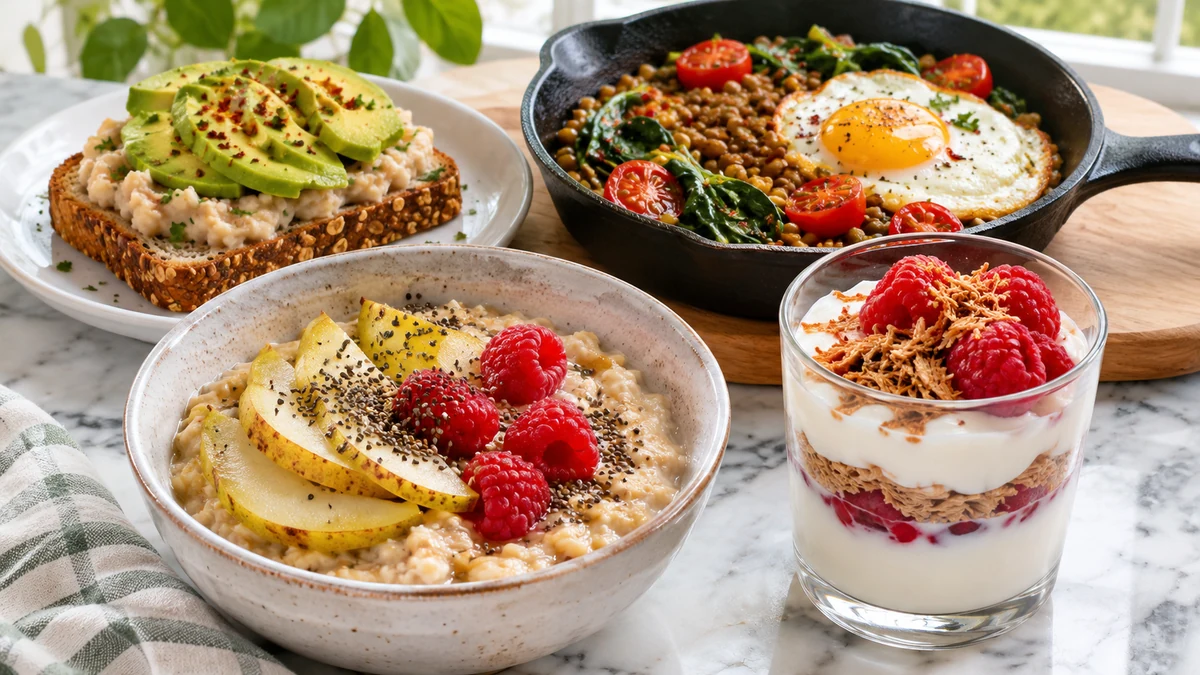
Start with a warm pear-and-raspberry oat-bran bowl, then try white-bean avocado toast, a lentil-and-egg skillet, a berry-bran yogurt parfait, apple-cinnamon chia oats or a black-bean breakfast wrap. Each idea includes one-serving quantities, practical steps and a rounded fiber estimate. The single recipe card below belongs to the pear oat-bran bowl; it is not a nutrition panel for all six options. Across these fibermaxxing breakfast recipes, each ingredient earns its place by adding fiber, protein, flavor or a contrast in texture.
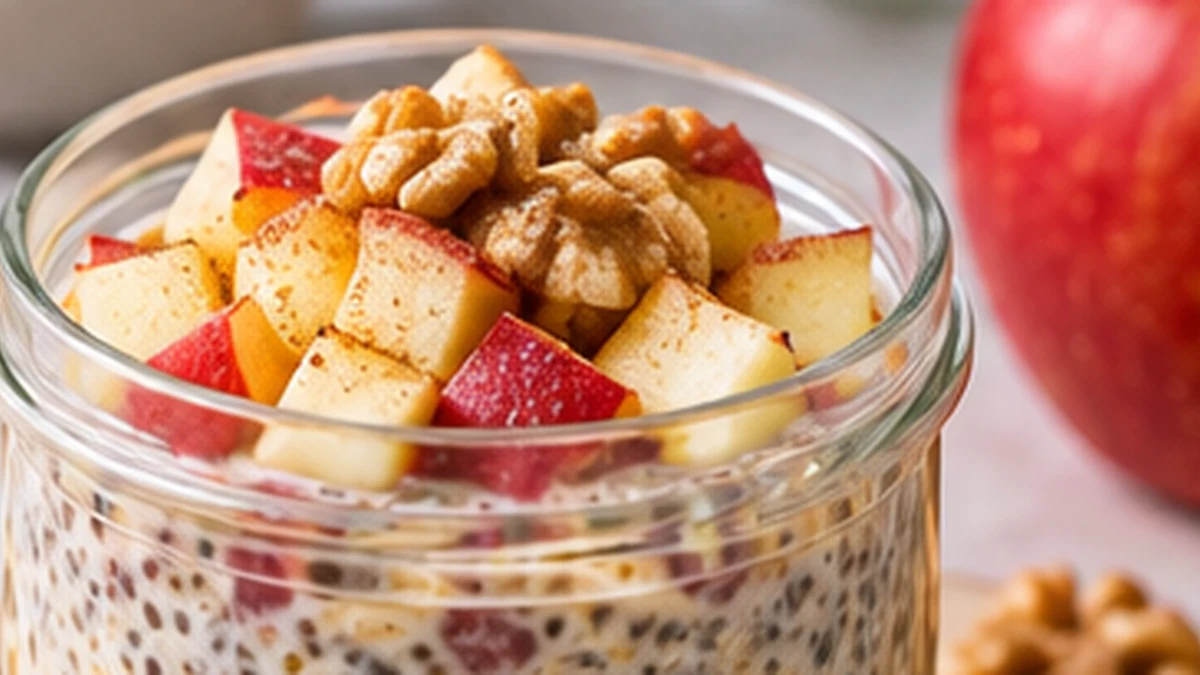
Apple Cinnamon Chia Oats Jar — roughly 10–12 g fiber; 5 minutes plus chilling.
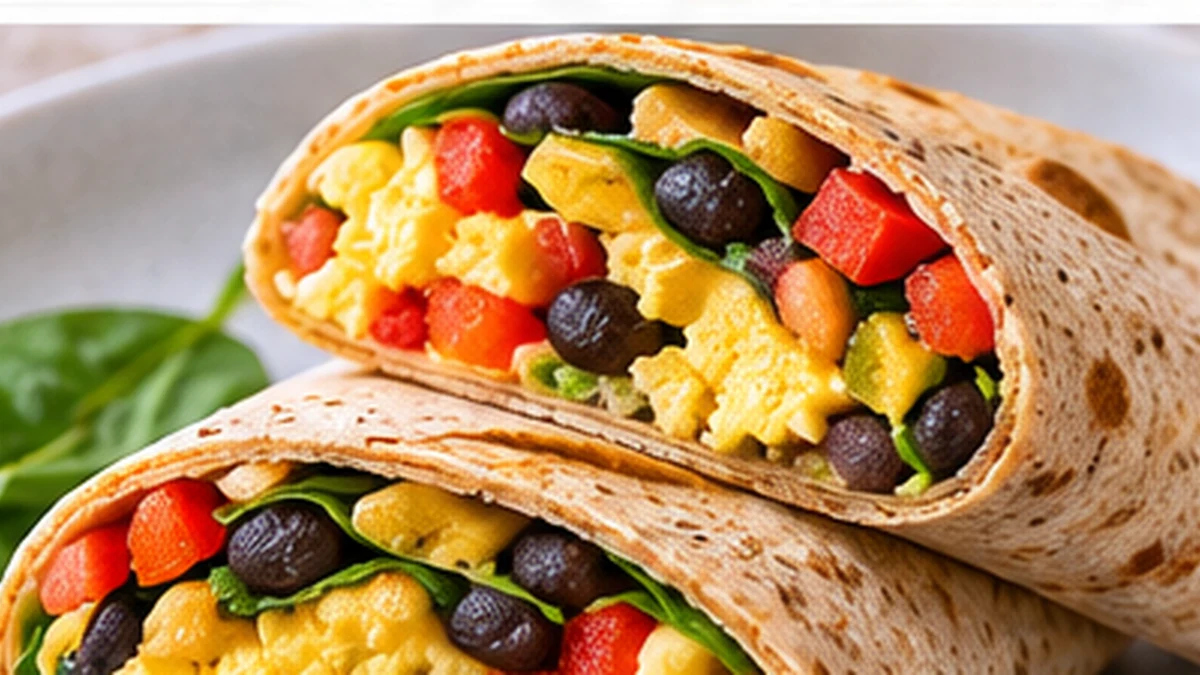
Black Bean Breakfast Wrap — roughly 10–13 g fiber; 15 minutes; stovetop.
These are ingredient-based estimates, not lab-tested nutrient analyses. Bread, tortillas, bran cereal and oat products vary substantially by brand; compare their Nutrition Facts labels. The higher end of a range should not be treated as guaranteed if you change ingredient weights or package products. These fibermaxxing breakfast recipes give ranges where the source product can change the result rather than pretending every brand is identical.
The FDA Nutrition Facts Label guide uses a 28-gram Daily Value for dietary fiber on a 2,000-calorie reference diet and calls 20% Daily Value or more of a nutrient “high” on a labeled serving. That reference helps you understand portions; it is not a demand to eat 28 grams at breakfast.
What Does Fibermaxxing Mean at Breakfast?
In plain English, fibermaxxing means deliberately including more fiber-rich foods in your meals. For breakfast, that can be half a cup of raspberries, a measured spoonful of chia, a serving of beans, a pear with its skin, or a cereal with a meaningful amount of bran—not an extreme supplement challenge. Fiber can contribute to digestive health and satiety as part of an overall eating pattern, but a particular bowl will not cause weight loss by itself. At breakfast, fibermaxxing breakfast recipes work best when portions fit the rest of your day, not when they compete for an extreme number.
Aim for variety instead of chasing the biggest single number: oats and barley contribute soluble fiber, berries and pears bring fruit fiber, and beans and lentils provide fiber with plant protein. If large fiber servings are new for you, choose a smaller portion and build up over days or weeks. Mayo Clinic’s high-fiber-food chart recommends increasing fiber gradually and drinking enough fluids.
These fibermaxxing breakfast recipes are built around familiar grocery-store foods. They are not clinical meal plans; people managing bowel narrowing, a prescribed low-fiber diet or digestive conditions should follow individualized professional advice before sharply increasing fiber.
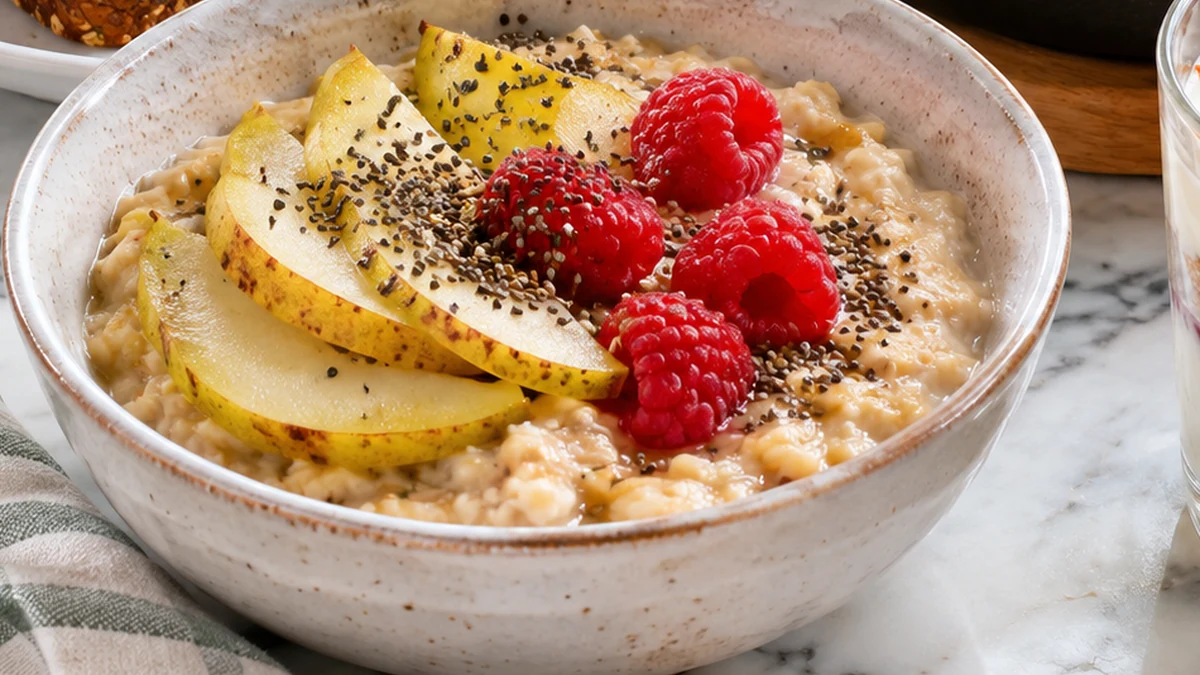
Fiber estimate: about 15–16 g per bowl. This warm breakfast uses oat bran for its creamy, porridge-like base, then adds raspberries, pear with skin and a single measured tablespoon of chia. It differs from our high-protein overnight oats, which are cold, protein-powder-enhanced jars made with rolled oats rather than cooked oat bran. Among these fibermaxxing breakfast recipes, the oat-bran bowl is the warm, fruit-forward option with the most clearly measured fiber sources.
Ingredients for One Bowl
1/3 cup (35 g) dry plain oat bran, not a premixed instant cereal
2/3 cup (160 mL) 2% dairy milk, or unsweetened soy milk
1/3 cup (80 mL) water
1 tablespoon (12 g) dry chia seeds
1/2 cup (about 62 g) fresh or thawed raspberries
1/2 medium pear (about 85 g), washed, cored and diced with the skin
1/4 teaspoon cinnamon and a small pinch of salt
Optional: 1 teaspoon maple syrup after tasting; not counted in nutrition
How to Make It
In a small saucepan whisk the oat bran, milk, water, cinnamon and salt while cold. Warm over medium-low heat, stirring for 4–6 minutes until creamy and just thick enough to coat a spoon. Reduce the heat if the bottom starts to stick. Turn off the burner and stir in the tablespoon of chia; let stand 3 minutes so the seeds soften in the hot cereal. Top with the raspberries and pear. Taste before adding a sweetener, because ripe pears and berries add their own sweetness.
The cooked cereal thickens as it stands; add a splash of milk if you prefer it spoonable rather than stiff. If you are new to fiber-rich breakfasts, begin with a half-portion of chia and build up gradually. The full amounts below are used for the recipe-card estimate.
A warm, creamy breakfast bowl with measured oat bran, milk, chia seeds, pear and raspberries, providing roughly 15 to 16 grams of fiber per serving from whole-food ingredients.
2/3 cup (160 mL) 2% dairy milk (or unsweetened soy milk; nutrition will vary)
1/3 cup (80 mL) drinking water
1 tablespoon (12 g) dry chia seeds
1/2 cup (62 g) fresh or thawed raspberries
1/2 medium pear (about 85 g), cored and diced, with skin
1/4 teaspoon ground cinnamon
Small pinch fine salt
Optional: 1 teaspoon pure maple syrup, not included in the nutrition estimate
Instructions
Put oat bran, milk, water, cinnamon and salt into a small saucepan while still cold. Whisk well to disperse the bran.
Cook over medium-low heat, stirring frequently, for 4–6 minutes until creamy and visibly thickened. Reduce heat if it begins sticking; do not cook until dry.
Remove the saucepan from heat. Stir in all 1 tablespoon chia seeds and let stand 3 minutes to soften and thicken.
Transfer to a serving bowl. Spoon the raspberries and diced pear on top, distributing fruit evenly.
Serve warm. Taste before adding optional sweetener. Add a tablespoon or two of milk if the bowl thickens more than you prefer.
Notes
One batch is one full bowl; the estimated nutrition is for this bowl only, not the five other breakfasts in the article.
Reference fiber estimate: oat bran roughly 5 g, chia about 4 g, raspberries about 4 g and 1/2 pear about 2–3 g = approximately 15–16 g, depending on specific weights and brands.
The estimated 350 calories, 13 g protein and 15 g fiber use standard 2% milk and the measured ingredients; use packaged product labels if you require exact values.
Reduce the chia to 1–2 teaspoons or split the bowl if you are not accustomed to high-fiber meals, then increase gradually.
Optional maple syrup, other toppings and alternative milks are not included in the stated nutrition.
If using oat bran for a gluten-free diet, choose certified gluten-free oat bran and check all packaged ingredients.
Author:Adam Moretti
Prep Time:5 minutes
Cook Time:7 minutes
Category:Breakfast
Method:Stovetop
Cuisine:American
Diet:Vegetarian
Use the apple peanut butter chia pudding on another day if you want a chilled, yogurt-based meal-prep recipe with a different protein profile. For readers who prefer oven baking, our apple baked oats show how oat breakfasts work as a casserole-style bake.
2. White Bean and Avocado Crunch Toast
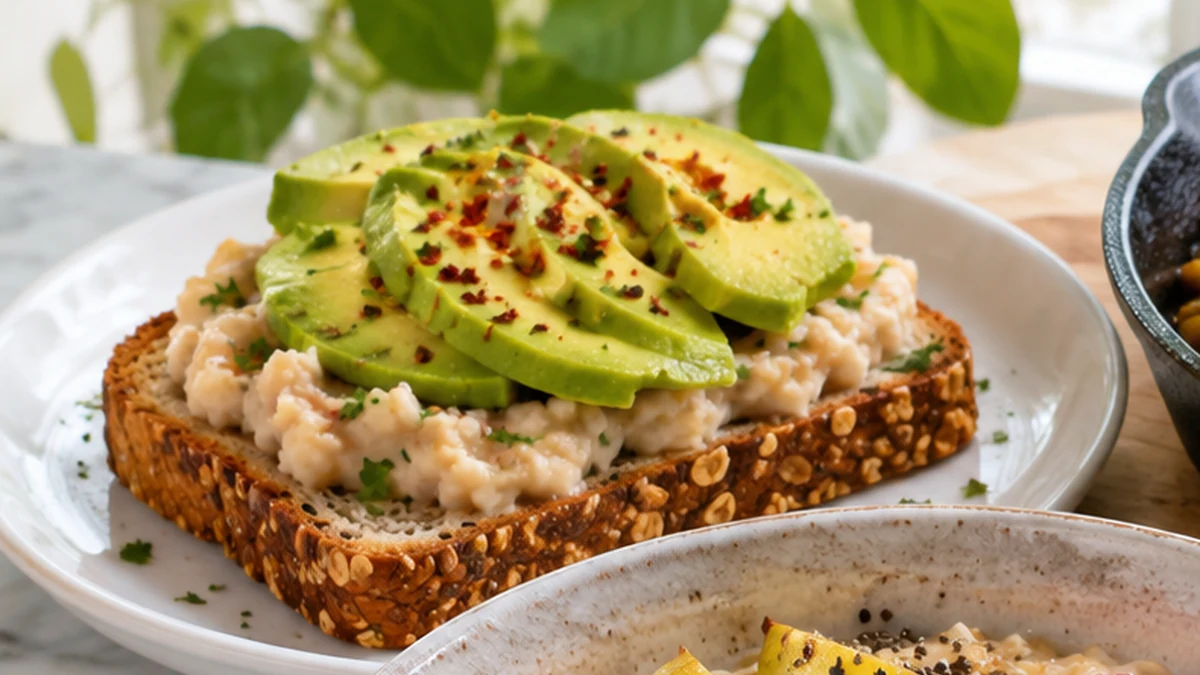
Fiber estimate: about 11–13 g per serving. White beans add substance and fiber to toast without turning breakfast into a sugary cereal bowl. The lemon, herbs and crunchy multigrain bread keep the creamy topping fresh-tasting. If you prefer savory fibermaxxing breakfast recipes, bean-and-avocado toast is an easy place to begin.
Ingredients for One Serving
1 thick slice (about 45 g) whole-grain or seeded bread with at least 3 g fiber per slice
1/2 cup (about 85 g) canned cannellini beans, drained, rinsed and lightly mashed
1/4 medium avocado (about 50 g), sliced
2 teaspoons fresh lemon juice
1 teaspoon chopped parsley or chives
Pinch of salt and black pepper; optional red pepper flakes
Method
Toast the bread until crisp. Mash the beans with lemon, parsley and black pepper, keeping a few beans whole for texture. Spread the beans all the way to the edges, arrange the avocado on top, and finish with salt and optional chili flakes. Serve immediately so the bread stays crunchy. If your bread has only 1 g fiber per slice, this serving will have less fiber than the estimate above—check the label.
For a more substantial breakfast, add one cooked egg to the top; it boosts protein but contributes no dietary fiber. The topping is also good on a warm tortilla, although changing the bread changes the estimate. This toast is a practical savory contrast to our sweet fiber-rich breakfast cookies.
3. Lentil, Spinach and Egg Breakfast Skillet
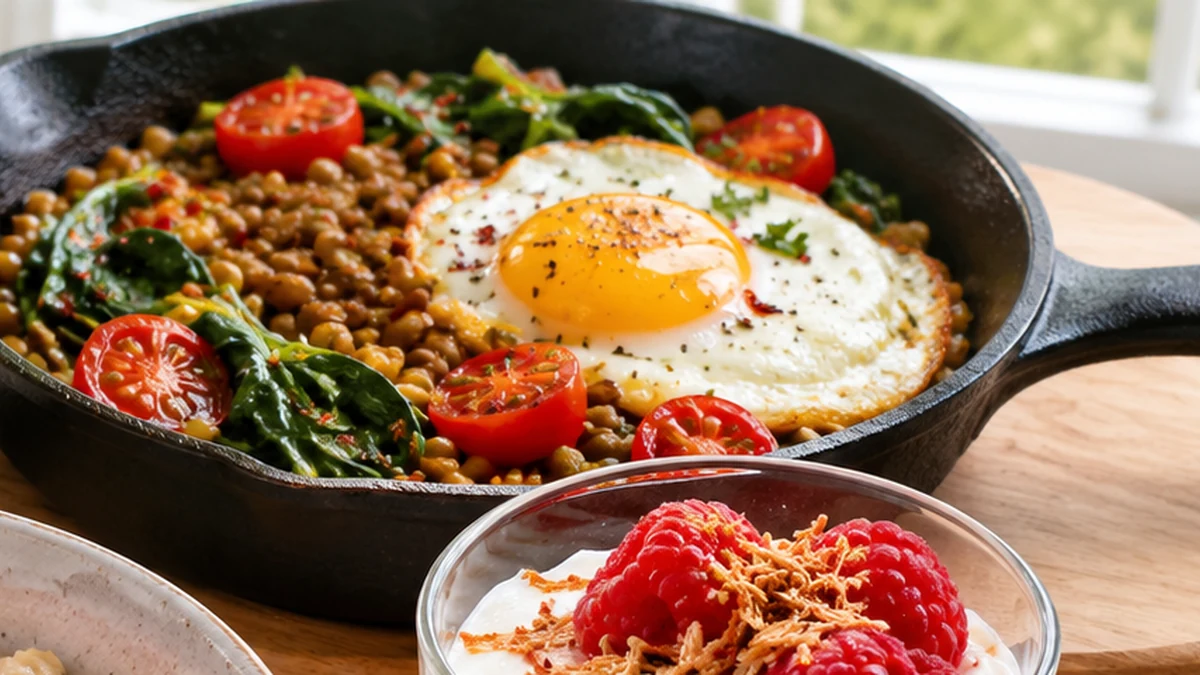
Fiber estimate: around 9–10 g per skillet. Cooked lentils are breakfast-friendly when you treat them like savory hash rather than soup. This recipe takes advantage of refrigerated cooked lentils or thoroughly drained canned lentils, which makes it quick enough for a weekday. This skillet also shows why fibermaxxing breakfast recipes need not be limited to sweet oats or smoothies.
Ingredients for One Skillet
1/2 cup (about 100 g) cooked green or brown lentils, drained
1 large egg
1 packed cup baby spinach (about 30 g)
1/2 cup halved cherry tomatoes (about 75 g)
1 teaspoon olive oil
1 tablespoon diced onion
Pinch of cumin, smoked paprika and black pepper; salt to taste
Method
Warm the oil in a nonstick skillet over medium heat. Soften the diced onion for 2 minutes, add tomatoes and the cooked lentils, and cook another 2–3 minutes. Fold in spinach until wilted. Make a space in the center and crack in the egg; cover and cook until the white is fully set and the yolk reaches your preferred doneness. Season and serve from the pan. For a fully cooked egg, continue until the yolk is firm.
Lentils bring most of the fiber. The egg supplies protein and richness, not fiber, so adding another egg will not meaningfully increase the fiber total. If you prefer black beans and a baked family meal, the breakfast recipes hub has additional baked savory options.
4. Raspberry-Bran Greek Yogurt Parfait
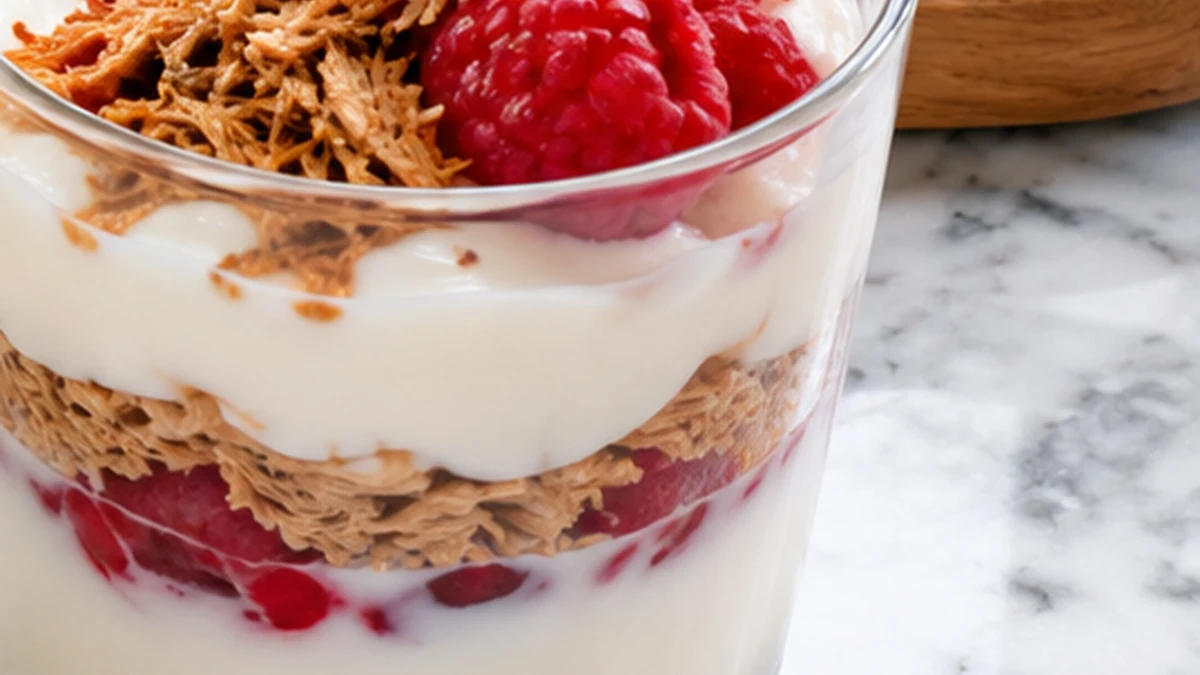
Fiber estimate: around 10–12 g per serving. This is the fastest sweet option. The trick is choosing a genuinely high-fiber bran cereal rather than assuming every granola is high in fiber. Yogurt contributes protein, while berries and cereal supply nearly all of the fiber. For people with almost no cooking time, this is one of the most convenient fibermaxxing breakfast recipes in the guide.
Ingredients for One Parfait
3/4 cup (about 170 g) plain nonfat Greek yogurt
1/2 cup (about 62 g) raspberries
1/2 cup sliced strawberries (about 75 g)
1/2 cup high-fiber unsweetened bran cereal that supplies at least 5 g fiber per measured portion
1 tablespoon chopped walnuts (about 7 g)
Optional pinch cinnamon or a few drops vanilla
Method
Spoon half the yogurt into a glass, add half the berries, then layer the remaining yogurt and fruit. Scatter the measured bran cereal and walnuts over the top just before eating so the cereal stays crisp. If preparing ahead, keep cereal separate until morning. The exact fiber depends heavily on your chosen box: use its serving-size fiber value, not this estimate, if your cereal is different.
If you are making it for children or need a lower-fiber starting point, use a smaller cereal portion. For another option with creamy dairy and whole fruit, see our high-protein high-fiber smoothie; that is a blended breakfast, not the same recipe as this layered parfait.
5. Apple-Cinnamon Chia Oats Jar
Fiber estimate: approximately 10–12 g per jar. These refrigerated apple-and-oat jars have a different flavor and ingredient balance than our existing high-protein overnight oats. They use a half apple with skin, ground flax and a small amount of chia as their fiber sources; protein powder is not required. It belongs in a list of fibermaxxing breakfast recipes because apple skin, chia and flax complement rather than replace the oats.
Ingredients for One Jar
1/3 cup (about 27 g) old-fashioned rolled oats
1/2 cup (120 mL) unsweetened soy milk or dairy milk
1 tablespoon (12 g) chia seeds
1 tablespoon (7 g) ground flaxseed
1/2 medium apple with skin (about 90 g), diced
1/4 teaspoon cinnamon; pinch salt and optional splash vanilla
Optional for serving: 1 tablespoon chopped walnuts; not included in the fiber estimate
Method
Stir the oats, milk, chia, flax, cinnamon, salt and vanilla in a lidded jar. Fold in the diced apple, close, and refrigerate at least 4 hours or overnight. Stir well before eating; add a small splash of milk if the chia makes the mixture too thick. Keep the jar cold and use within two days for the crispest apple. A few chopped walnuts are a good optional garnish, but they are not included in the stated fiber estimate. Do not eat dry spoonfuls of chia or flax as a substitute for the soaked breakfast.
This jar is not meant to be a new standalone article competing with high-protein horchata overnight oats. It is a quick measured variation included in this round-up because the apple-plus-flax combination changes the fiber sources and flavor.
6. Black Bean Breakfast Wrap with Peppers
Fiber estimate: roughly 10–13 g per wrap. Beans are a useful breakfast ingredient when you want a savory, portable meal. A whole-wheat tortilla and the measured half cup of beans do most of the work; choose a tortilla that lists at least 3 g fiber for the size you use. It is also the most portable savory choice in this collection of fibermaxxing breakfast recipes.
Ingredients for One Wrap
1 medium whole-wheat tortilla (about 8 inches; check label for 3–5 g fiber)
1/2 cup (about 86 g) cooked or canned black beans, drained and rinsed
1 large egg, beaten
1/4 cup diced red bell pepper (about 40 g)
2 tablespoons chopped onion
1 teaspoon olive oil
1 tablespoon salsa, cumin and black pepper to taste
Optional: a small handful of fresh baby spinach leaves
Method
Warm the oil in a small skillet and soften the onion and pepper for 3 minutes. Add black beans and a pinch of cumin and heat through. Push the bean mixture aside, scramble the egg until fully cooked, then mix. Warm the tortilla briefly in a dry pan, spoon the filling down the center and add salsa. Add an optional small handful of baby spinach for color and crunch, then fold in both sides and roll tightly. Optional spinach is not counted in the fiber estimate. Eat while warm or cool and refrigerate promptly for another meal.
This is intended as a single wrap, not a bulk casserole. The beans give more fiber than the egg; an egg-only breakfast burrito would not have the same estimate. If you prefer a different meal at lunchtime, try our fibermaxxing pea salad in a jar to carry the fiber theme into the next meal without eating identical ingredients.
How Much Fiber Should a Fibermaxxing Breakfast Have?
There is no medically defined fibermaxxing threshold for breakfast. For comparison, the FDA uses a 28 g Daily Value for fiber for a 2,000-calorie reference diet. Around 6 g of fiber is roughly 20% of that label reference; all six measured ideas above are meant to provide more than that based on the specified ingredients. But it is not automatically better to get your entire day’s fiber first thing in the morning. The common thread across fibermaxxing breakfast recipes is a measurable ingredient mix, not an official fiber quota for one meal. Our fibermaxxing pea salad provides a different lunch approach, so you can spread beans, peas and grains through the day rather than putting all the fiber at breakfast.
Realistic comparisons are more useful than inflated labels. The Mayo Clinic food chart lists black beans, chia seeds, raspberries and other whole foods with reference amounts. USDA FoodData Central is the underlying database for many ingredient estimates. Processed cereals, bread and tortillas can vary, so use each package label when you want a precise number for your own breakfast. Our high-fiber breakfast cookies are a helpful point of comparison for a recipe where portions are baked in advance.
How to Increase Fiber Without Feeling Miserable
Start with one change, such as 1/2 cup raspberries or a smaller spoonful of chia, instead of combining every high-fiber ingredient at once.
Use enough liquid when cooking bran or soaking oats; chia and flax absorb fluid as they sit.
Keep beans, lentils and canned legumes well drained and rinsed; their flavor is cleaner and your finished breakfast is less watery.
If you are not used to high-fiber meals, try half of the full oat-bran bowl the first time, or split it across two servings.
Review labels for cereal, bread and tortillas. Fiber estimates can change by several grams even when the foods look similar.
Keep eating a varied diet. Fiber matters, but adequate protein, energy and other nutrients still count.
Mayo Clinic recommends gradually adding dietary fiber and drinking enough water. The goal is to enjoy breakfasts you would want to eat again, not to maximize a number at the expense of comfort. If you have a condition requiring restricted fiber, or you have persistent swallowing, bowel or abdominal symptoms, seek tailored advice rather than following a social trend.
Meal Prep, Storage and Reheating
Make the apple-chia oats jar the night before; keep it sealed and refrigerated for up to two days for best apple texture. Cook oat bran immediately before eating when possible; leftover plain oat bran can be refrigerated promptly and reheated with a splash of milk until hot. For the skillet or beans, cool promptly after cooking, cover and refrigerate at 40°F (4°C) or below. Follow normal leftovers guidance; for quality, use prepared egg-and-bean components within 2–3 days. These storage differences matter when preparing fibermaxxing breakfast recipes for several workday mornings.
Keep bran cereal separate from the yogurt until serving, since it goes soft quickly. Mash white beans in advance if you want, but add sliced avocado and toast the bread just before eating. The wrap tastes best fresh; if meal-prepping, cool the cooked filling and store it separately from the tortilla until serving. None of the food-safety timings assumes that a finished breakfast can be left unrefrigerated all morning. For a cool breakfast that is deliberately high in protein, our overnight oats recipe is another tested make-ahead choice.
Common Mistakes in Fibermaxxing Breakfast Recipes
Mistake 1: Treating “high fiber” as unlimited fiber
Even nutritious foods can cause bloating and discomfort when you jump from a low-fiber routine to a large bowl of bran, beans and seeds. Build up rather than trying to exceed your daily fiber target in one meal. The point of fibermaxxing breakfast recipes is to improve a routine, not make your stomach hurt.
Mistake 2: Counting toppings without measuring them
A “sprinkle” of chia may be half a teaspoon or three tablespoons. The values in this guide are based on measured amounts. If you halve the chia in the oat-bran bowl, the fiber estimate drops; that can be a good adjustment for your digestion.
Mistake 3: Using product names as nutrition facts
A loaf marketed “multigrain” can still be low in fiber, and flavored granola can be mostly sugar and oil. Check the actual fiber grams per serving rather than relying on the front label. Use unsweetened milk or yogurt where appropriate, but remember no single food determines the quality of your entire diet.
Mistake 4: Leaving out protein and other nutrients
These breakfasts use dairy or soy milk, yogurt, legumes, eggs, grains and seeds to supply more than fiber. Some are higher in protein than others. For broader suggestions on balancing food groups, see our high-protein foods guide rather than treating “fibermaxxing” as a complete nutrition strategy.
Fibermaxxing Breakfast Recipes FAQs
What is the easiest fibermaxxing breakfast?
The berry-bran yogurt parfait is the fastest: stir nothing on the stove and layer the measured ingredients in around five minutes. If you want a warm meal, the pear oat-bran bowl is the simplest stovetop option and takes roughly 12 minutes. For readers looking for five-minute fibermaxxing breakfast recipes, this parfait is the simplest no-cook option.
Are oats or chia seeds better for fiber?
Both can help. Chia has more fiber per gram, while oats offer an easy base for a substantial breakfast and a different texture. Using a reasonable portion of each is more useful than arguing that one is universally better. Many people prefer oats without chia; that is fine if the rest of the day includes fruit, beans or vegetables. The best fibermaxxing breakfast recipes use the ingredient you tolerate and enjoy rather than maximizing chia in every bowl.
Can I eat these breakfasts while trying to lose weight?
They can fit an overall eating pattern that supports your goals, but none causes weight loss by itself. Consider total calorie intake, protein, preferences and meal size. If you need medically individualized nutrition care, a dietitian can help you choose the appropriate level of fiber. For another balanced option, the high-protein high-fiber smoothie combines measured food sources rather than relying on weight-loss claims.
Which of these are vegetarian?
All six can be vegetarian when made with the ingredients listed. The lentil skillet and breakfast wrap use eggs. The oat-bran bowl and apple oats jar can be made dairy-free with unsweetened soy milk. Check branded bread, cereal, tortilla and dairy substitutions for your own dietary requirements.
Can I make the oat-bran bowl gluten-free?
Oats themselves do not require wheat, but oat bran can be cross-contacted with gluten-containing grains. Use certified gluten-free oat bran and verify other packaged ingredients if strict gluten avoidance is required. This is an adaptation, not a guarantee for arbitrary products.
Do I need a fiber supplement to start fibermaxxing?
No. Food sources such as beans, whole grains, fruit and seeds can make a meaningful difference. Supplements may be appropriate for some people, but can interact with medications or be unsuitable for certain digestive conditions. The recipes in this guide use ordinary foods rather than powders marketed as a detox.
Bottom Line
The best fibermaxxing breakfast recipes are the ones you will make again: a warm pear oat-bran bowl, a crunchy white-bean toast, a savory lentil skillet, a five-minute parfait, an apple-chia jar or a black-bean wrap. Use the measured fiber estimates as a starting point, compare packaged labels, and increase your intake gradually. For more ideas beyond these six, revisit our breakfast recipe hub and the high-protein high-fiber smoothie when you want a drink rather than a spoonable meal.
Reviewed recipe options
Make this recipe fit me
Choose one of seven popular diet options. NutriMatch will confirm whether the recipe already fits, show a reviewed adaptation when available, or recommend recipes that match your choice.
Please choose a diet first.
Not available for this recipe
This recipe cannot currently be made Dairy-Free with a reviewed adaptation.
NutriMatch will not guess at substitutions. Try one of these recipes that is already reviewed for your choice.
Recipe details, product formulas, and cross-contact information can change. Confirm current labels and use professional guidance when medically necessary.
Not available for this recipe
This recipe cannot currently be made Gluten-Free with a reviewed adaptation.
NutriMatch will not guess at substitutions. Try one of these recipes that is already reviewed for your choice.
Recipe details, product formulas, and cross-contact information can change. Confirm current labels and use professional guidance when medically necessary.
Not available for this recipe
This recipe cannot currently be made High Protein with a reviewed adaptation.
NutriMatch will not guess at substitutions. Try one of these recipes that is already reviewed for your choice.
Recipe details, product formulas, and cross-contact information can change. Confirm current labels and use professional guidance when medically necessary.
Not available for this recipe
This recipe cannot currently be made Keto with a reviewed adaptation.
NutriMatch will not guess at substitutions. Try one of these recipes that is already reviewed for your choice.
Recipe details, product formulas, and cross-contact information can change. Confirm current labels and use professional guidance when medically necessary.
Not available for this recipe
This recipe cannot currently be made Low Carb with a reviewed adaptation.
NutriMatch will not guess at substitutions. Try one of these recipes that is already reviewed for your choice.
Recipe details, product formulas, and cross-contact information can change. Confirm current labels and use professional guidance when medically necessary.
Not available for this recipe
This recipe cannot currently be made Vegan with a reviewed adaptation.
NutriMatch will not guess at substitutions. Try one of these recipes that is already reviewed for your choice.
Recipe details, product formulas, and cross-contact information can change. Confirm current labels and use professional guidance when medically necessary.
Already a reviewed match
This recipe already fits Vegetarian.
No changes are needed based on its reviewed NutriMatch classification. Check the complete ingredients, product labels, and serving details for your own needs.
Recipe details, product formulas, and cross-contact information can change. Confirm current labels and use professional guidance when medically necessary.