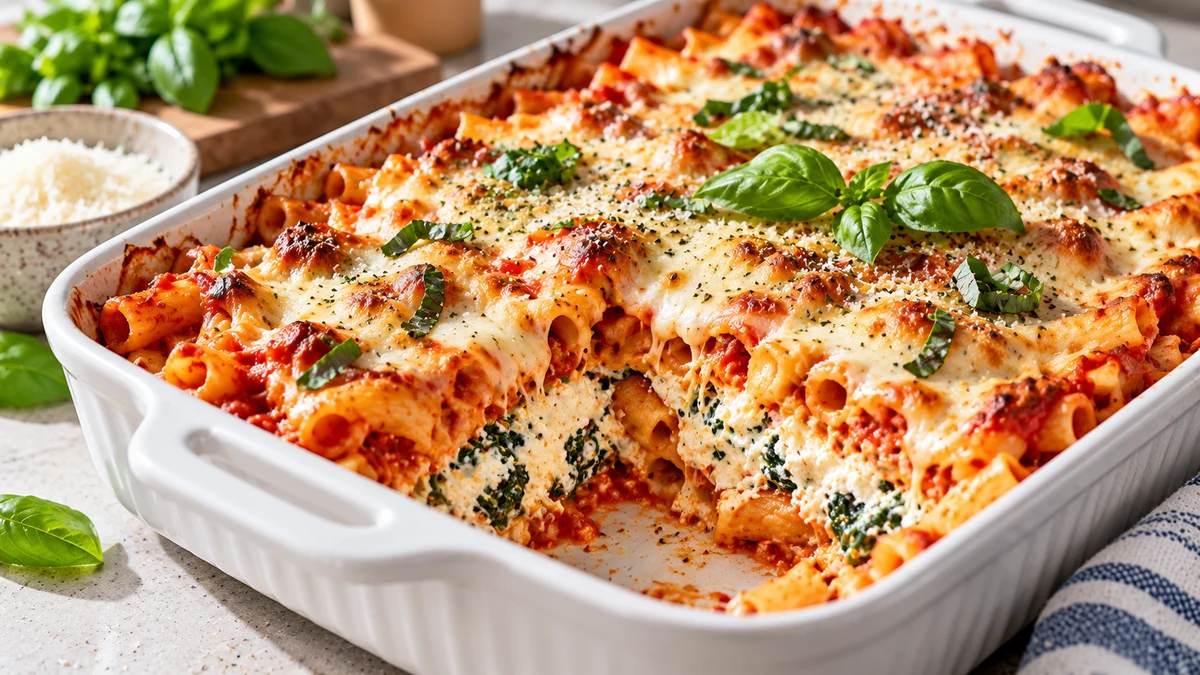
This high protein baked ziti with cottage cheese is a cheesy, tomato-rich pasta bake that uses cottage cheese, protein pasta, mozzarella, Parmesan, spinach, and marinara to reach about 35 grams of protein per serving without meat or protein powder. It has the comfort-food feel of classic baked ziti, but the ingredient balance is built for a more substantial weeknight dinner and reliable meal prep.
The cottage cheese is blended until smooth, so it works more like a creamy ricotta layer than visible curds. Protein pasta supplies a second major protein source, while mozzarella and Parmesan help the top brown and give the casserole the familiar pull-apart texture people expect from baked ziti. If you like using cottage cheese in savory recipes, our high protein cottage cheese lemon pasta uses the same blending technique in a faster stovetop dinner.
Table of Contents
Why You’ll Love This High Protein Baked Ziti with Cottage Cheese
About 35 grams of protein per serving when divided into six equal portions.
No meat or protein powder is required; cottage cheese, protein pasta, mozzarella, and Parmesan do the work.
Blended cottage cheese gives a smooth, ricotta-like layer instead of a lumpy texture.
The recipe uses one 9×13-inch baking dish and feeds six people generously.
Spinach folds into the sauce for extra color and volume without changing the classic tomato-and-cheese profile.
It reheats well for lunch or dinner meal prep.
The casserole can be assembled ahead and baked later the same day.
It is vegetarian as written.
What Makes This Baked Ziti High in Protein?
The protein in this high protein baked ziti with cottage cheese comes from several ingredients rather than one oversized portion of cheese. Twelve ounces of protein pasta provide a substantial base. Three cups of 2% cottage cheese add roughly 75 to 80 grams of protein to the full pan, while part-skim mozzarella and Parmesan contribute another concentrated layer of protein and flavor.
The recipe is divided into six servings instead of eight tiny portions. That keeps each plate substantial enough for dinner while bringing the estimate to about 35 grams of protein per serving. Brand labels vary widely, especially for protein pasta and cottage cheese, so treat the number as a practical estimate. For more everyday ways to build meals around protein-rich ingredients, see our high protein foods guide.
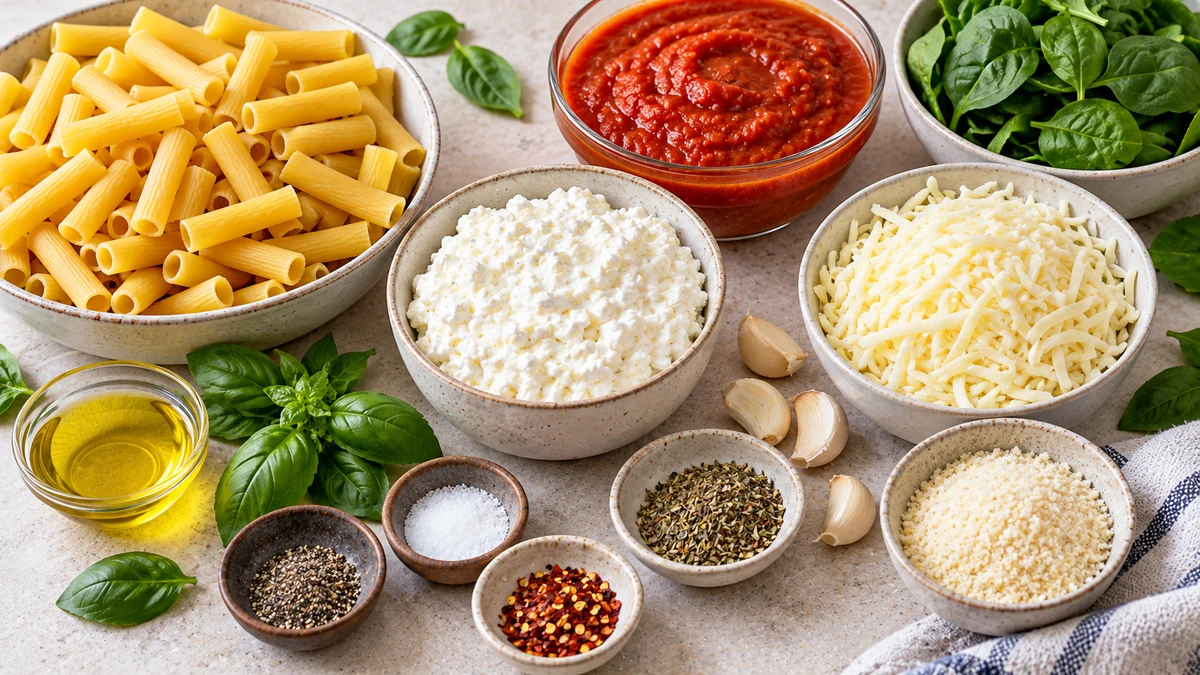
Ingredients You’ll Need
Protein Pasta
Use 12 ounces of dry ziti or another short tube-shaped protein pasta that lists at least 10 grams of protein per 2-ounce serving. Penne works if ziti is unavailable. A short tube shape is useful because marinara and cottage-cheese sauce can settle inside the pasta, helping the casserole stay saucy after baking. Cook the pasta only to the early side of al dente because it continues to soften in the oven.
Cottage Cheese
Use 3 cups of 2% cottage cheese. Blend it until completely smooth before mixing it with Parmesan and seasonings. This step is what makes the high protein baked ziti with cottage cheese feel creamy rather than curdy. Small-curd and large-curd cottage cheese both work once blended. If the container has a large amount of watery liquid on top, stir it well before measuring. That balance is what makes this high protein baked ziti with cottage cheese useful for a regular family dinner.
Marinara Sauce
Use 4 cups of marinara sauce with a flavor you already enjoy. Because the pasta absorbs sauce in the oven, this recipe deliberately uses a generous amount. A lower-sodium marinara can help keep the sodium estimate more moderate, especially because cottage cheese, mozzarella, and Parmesan already contain salt. In other words, the high protein baked ziti with cottage cheese gets its protein from the whole ingredient mix, not from one oversized add-in.
Mozzarella and Parmesan
Part-skim mozzarella gives the classic melted-cheese top without making the casserole excessively greasy. Parmesan goes into the blended cottage-cheese mixture and adds a sharper savory flavor. Reserve some mozzarella for the top so the surface can brown while the interior stays creamy. For the best texture, keep the high protein baked ziti with cottage cheese saucy before it goes into the oven.
Spinach, Garlic, and Seasonings
Fresh baby spinach wilts directly into the warm sauce and adds color between the pasta layers. Garlic, Italian seasoning, black pepper, and red pepper flakes keep the flavor familiar and simple. Fresh basil is optional for serving, but it gives the finished pan a brighter aroma. This is also why the high protein baked ziti with cottage cheese reheats better when the pasta is not overcooked at the start.
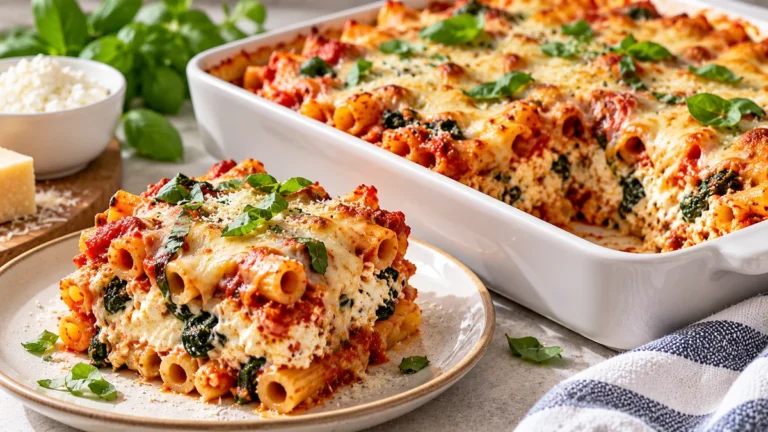
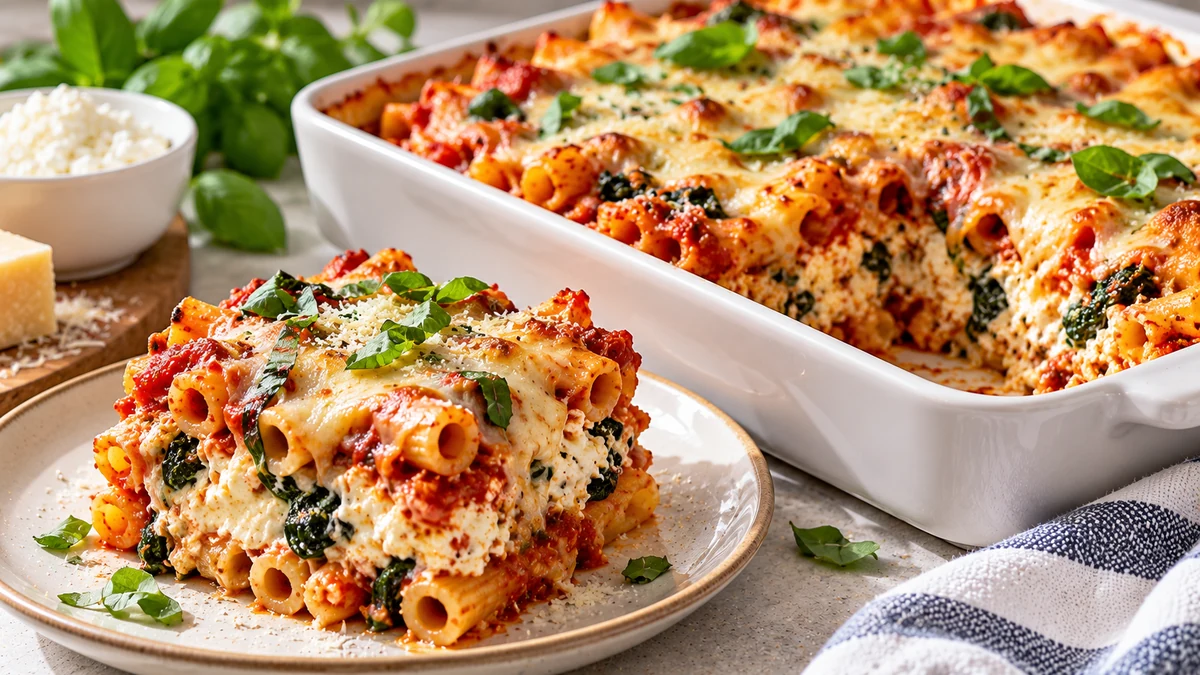
A vegetarian high-protein baked ziti made with protein pasta, smooth blended cottage cheese, marinara, spinach, mozzarella, and Parmesan. One of six servings provides approximately 35 grams of protein.
Total Time:50 minutes
Yield:6 servings
Ingredients
Scale
12 ounces dry ziti or penne protein pasta (at least 10 g protein per 2-ounce serving)
4 cups marinara sauce, preferably lower sodium
5 ounces fresh baby spinach
3 cups 2% cottage cheese
1/2 cup finely grated Parmesan, divided
2 cloves garlic, minced
1 teaspoon Italian seasoning
1/2 teaspoon black pepper
1/4 teaspoon red pepper flakes, optional
1 1/2 cups shredded part-skim mozzarella, divided
Nonstick cooking spray or a small amount of olive oil for the baking dish
Fresh basil for serving, optional
Instructions
Preheat the oven to 375°F. Lightly coat a 9×13-inch baking dish with nonstick cooking spray or a very thin layer of olive oil.
Bring a large pot of salted water to a boil. Cook the protein pasta until just al dente, beginning to check 1 to 2 minutes before the earliest package time. Drain well and do not rinse.
Add the cottage cheese, 1/4 cup Parmesan, garlic, Italian seasoning, black pepper, and red pepper flakes to a blender or food processor. Blend for 20 to 30 seconds, until smooth and creamy.
Pour the marinara into the warm pasta pot over low heat. Add the spinach and stir for 1 to 2 minutes, until wilted. Remove from the heat and fold in the drained pasta until evenly coated.
Spread one-third of the sauced pasta in the baking dish. Spoon over half the blended cottage-cheese mixture and sprinkle with about 1/3 of the mozzarella. Repeat with another third of pasta, the remaining cottage-cheese mixture, and another 1/3 of mozzarella.
Finish with the remaining pasta, remaining mozzarella, and remaining 1/4 cup Parmesan.
Bake for 25 to 30 minutes, until bubbling at the edges and the cheese is fully melted. Broil for 1 to 2 minutes at the end if you want deeper browning, watching closely.
Rest for 10 minutes before cutting into 6 equal portions. Finish with fresh basil if desired.
Notes
The nutrition estimate is based on protein pasta providing at least 10 g protein per 2-ounce dry serving, 2% cottage cheese, part-skim mozzarella, Parmesan, marinara, spinach, and six equal portions.
Cook the pasta only until al dente because it continues to soften in the oven.
Blend the cottage cheese until smooth for a ricotta-like texture.
Regular pasta, ricotta, meat additions, and cheese substitutions change the protein and calorie estimate.
Refrigerate leftovers promptly and use within 3 to 4 days. Freeze for longer storage.
Optional basil and extra toppings are not included in the nutrition estimate.
Author:Adam Moretti
Prep Time:20 minutes
Cook Time:30 minutes
Category:Dinner
Method:Baked
Cuisine:Italian-American
Diet:Vegetarian
How to Make High Protein Baked Ziti with Cottage Cheese
1. Boil the Pasta Until Just Al Dente
Bring a large pot of salted water to a boil. Cook the protein pasta according to the package directions, but begin checking 1 to 2 minutes before the suggested finish time. The pasta should be flexible but still firm in the center. Drain it well and do not rinse it; the light coating of starch helps the sauces cling. The blended dairy layer helps the high protein baked ziti with cottage cheese stay creamy without heavy cream.
2. Blend the Cottage Cheese
Add the cottage cheese, Parmesan, garlic, Italian seasoning, black pepper, and red pepper flakes to a blender or food processor. Blend until the mixture looks creamy and mostly free of curds. This takes only 20 to 30 seconds in most blenders. Avoid running the machine for several minutes because the mixture does not need to be whipped. A moderate cheese layer keeps the high protein baked ziti with cottage cheese rich without overwhelming the pasta and tomato sauce.
3. Warm the Marinara and Wilt the Spinach
Pour the marinara into the pasta pot over low heat. Add the spinach and stir for 1 to 2 minutes, just until it wilts. Remove the pot from the heat. Fold the drained pasta into the warm marinara so every piece is coated before the cheese layers are added. Keeping the seasonings simple lets the high protein baked ziti with cottage cheese still taste like familiar baked ziti.
4. Layer the Baking Dish
Spread about one-third of the sauced pasta in a lightly greased 9×13-inch baking dish. Spoon half of the blended cottage-cheese mixture over the pasta, then scatter a portion of the mozzarella on top. Repeat with another layer of pasta, the remaining cottage-cheese mixture, and more mozzarella. Finish with the remaining pasta and the final mozzarella and Parmesan. Once assembled, the high protein baked ziti with cottage cheese should look generously sauced rather than dry.
5. Bake Until Bubbling and Golden
Bake the high protein baked ziti with cottage cheese at 375°F for 25 to 30 minutes, until the sauce is bubbling at the edges and the cheese is fully melted. For extra browning, broil for 1 to 2 minutes at the end while watching closely. Let the casserole rest for 10 minutes before cutting so the sauce can settle and portions hold together. The resting step gives the high protein baked ziti with cottage cheese cleaner portions and a more settled sauce.
Why Blending Cottage Cheese Works
Cottage cheese contains visible curds suspended in a creamy dairy base. Blending breaks those curds into much smaller particles, which makes the mixture behave more like a smooth cheese sauce once it is heated. In this recipe, Parmesan and seasonings are blended with the cottage cheese at the same time, so the flavor is distributed evenly instead of creating random salty pockets. Careful layering also helps the high protein baked ziti with cottage cheese distribute cottage cheese evenly from edge to edge.
The method also helps people who like the protein profile of cottage cheese but do not enjoy its texture. Once the casserole is baked, the cottage-cheese layer is difficult to distinguish from a soft ricotta-style filling. That makes this high protein baked ziti with cottage cheese a practical family dinner even when not everyone is excited about cottage cheese on its own. This makes the high protein baked ziti with cottage cheese practical for meal prep as well as a same-day dinner.
How to Keep Baked Ziti from Drying Out
Do Not Overcook the Pasta First
Protein pasta can become soft faster than conventional pasta depending on the ingredients used. Stop cooking while the pasta still has a firm center. The noodles will continue absorbing liquid while the casserole bakes, so fully tender pasta at the boiling stage can become mushy later. If the center looks dry before baking, add a little marinara so the high protein baked ziti with cottage cheese stays moist.
Use Enough Marinara
A dry baked ziti usually starts with too little sauce. Four cups may look generous before baking, but some moisture is absorbed by the pasta and some evaporates in the oven. Coat every piece before layering so exposed noodles do not become leathery around the edges.
Rest, but Do Not Leave It Uncovered for Too Long
Ten minutes of resting makes cleaner slices, but leaving the finished casserole uncovered for a long time allows steam to escape and the top layer to firm too much. If dinner is delayed, loosely cover the dish with foil after the initial rest.
Variations and Substitutions
Add Lean Ground Turkey or Chicken
For a meat version, brown 12 to 16 ounces of lean ground turkey or chicken and stir it into the marinara before layering. This raises the protein further, but it also changes the nutrition estimate and removes the vegetarian classification. If you want a meat-based Italian-American dinner already built around cottage cheese, our high protein chicken Parmesan meatballs and orzo is a better reference point.
Use Regular Pasta
Regular ziti works, but the protein per serving will be lower than the 35-gram estimate. Keep the same dry pasta weight and cook it only until al dente. The texture may be slightly softer because many standard wheat pastas hold their shape differently from chickpea, lentil, or other protein-enriched pastas.
Use Ricotta Instead of Cottage Cheese
Ricotta can replace cottage cheese by volume, but the protein and moisture content differ. The finished casserole will be more traditional and may taste richer, but the stated nutrition estimate no longer applies. If the point of the recipe is maximizing protein without adding meat, cottage cheese is the more useful choice.
Add More Vegetables
Sautéed mushrooms, zucchini, or bell pepper can be added, but cook watery vegetables first and let excess moisture evaporate. Raw zucchini or mushrooms can release enough liquid during baking to make the center watery. Keep the total amount of extra vegetables to about 2 cups so the sauce-to-pasta ratio stays balanced.
Meal Prep and Storage
This high protein baked ziti with cottage cheese works well for meal prep because the pasta, sauce, and cheese stay moist after reheating. Cool the casserole slightly, divide it into six containers, and refrigerate promptly. According to USDA leftover-safety guidance, cooked leftovers should be refrigerated within two hours and used within 3 to 4 days.
For freezing, cool the casserole completely and wrap individual portions tightly or place them in freezer-safe containers. Thaw overnight in the refrigerator when possible. Reheat until steaming hot throughout; a splash of marinara added before reheating helps restore moisture if the pasta has absorbed extra sauce.
Serving Ideas
One serving is designed to work as the main dish. Add a simple green salad, roasted broccoli, green beans, or zucchini if you want more vegetables on the plate. Garlic bread also fits the classic baked-ziti meal, but it is not included in the nutrition estimate.
If you are building a higher-protein weekly menu, pair this dinner with lighter protein-focused meals on other days. Our high protein pasta salad works well for cold lunches, while the recently added high protein cottage cheese egg bake gives you a make-ahead breakfast that uses cottage cheese in a completely different way.
Nutrition Notes
One-sixth of the pan is estimated at about 475 calories and 35 grams of protein. The estimate assumes protein pasta providing at least 10 grams of protein per 2-ounce dry serving, 2% cottage cheese, part-skim mozzarella, Parmesan, marinara, spinach, and the quantities listed in the recipe card. Protein pasta brands can differ by several grams per serving, so check your package if a precise number matters.
The casserole is not intended to be low-carbohydrate. Pasta remains the main starch, so each serving contains roughly 49 grams of carbohydrate. The goal is to make a familiar pasta dinner more protein-forward, not to turn baked ziti into a keto dish. If you want a lower-carb dinner, choose another high-protein recipe rather than shrinking this serving until it no longer feels like a full meal.
Frequently Asked Questions
Can I use cottage cheese instead of ricotta in baked ziti?
Yes. Blended cottage cheese works especially well because the texture becomes smooth and ricotta-like. It also tends to provide more protein per cup than many ricotta products. Blend it with Parmesan and seasonings before layering so the casserole has an even creamy texture.
How much protein is in high protein baked ziti with cottage cheese?
This version is estimated at about 35 grams of protein per serving when the pan is divided into six equal portions. The exact amount depends on the protein pasta, cottage cheese, mozzarella, and Parmesan you use.
Can I assemble baked ziti ahead of time?
Yes. Assemble the casserole, cover it tightly, and refrigerate it for several hours before baking. If it goes into the oven cold, expect the center to take a little longer to heat. Add a few extra minutes as needed rather than relying only on the original bake time.
Why did my baked ziti turn watery?
Common causes are watery cottage cheese, too much raw spinach or other vegetables, pasta that was not drained well, or a marinara with a very thin consistency. Stir cottage cheese before measuring, wilt spinach in the warm sauce, drain the pasta thoroughly, and cook watery vegetable additions first.
Can I freeze high protein baked ziti with cottage cheese?
Yes. Freeze the fully baked and cooled casserole in individual portions or as a larger tightly wrapped section. The pasta may soften slightly after thawing, but the cottage-cheese sauce generally stays creamy once reheated. Add a spoonful of marinara if a portion looks dry.
Final Tips
For the best high protein baked ziti with cottage cheese, stop the pasta at al dente, blend the cottage cheese until smooth, use enough marinara to coat every noodle, and rest the casserole briefly before serving. Those four steps keep the texture creamy and help the portions hold together without turning the pasta dry or mushy.
Keep the original recipe unchanged when you rely on the stated 35-gram protein estimate. Regular pasta, ricotta, meat additions, different cheese amounts, or smaller portions all change the nutrition. As written, this is a practical vegetarian pasta bake that keeps the comfort-food character of classic ziti while making protein a deliberate part of the recipe.
Reviewed recipe options
Make this recipe fit me
Choose one of seven popular diet options. NutriMatch will confirm whether the recipe already fits, show a reviewed adaptation when available, or recommend recipes that match your choice.
Please choose a diet first.
Reviewed Dairy-Free adaptation
Dairy-Free High Protein Baked Ziti with Cottage Cheese (35g Protein)
Use the substitutions below to prepare a Dairy-Free version while keeping the rest of the recipe as close as possible to the original.
Use a thick dairy-free cottage-cheese alternative in the same measured amount; drain excess liquid if the product is looser than dairy cottage cheese.
Use a dairy-free Parmesan-style product with a similar grate or shred size; melting and browning can vary by brand.
Use meltable dairy-free mozzarella-style shreds in the same measured amount; melting behavior can vary by brand.
Check: Check packaged substitutes for milk ingredients and the cross-contact information you need.
Use these reviewed changes with the original ingredient quantities and instructions above. The original recipe card stays unchanged.
Recipe details, product formulas, and cross-contact information can change. Confirm current labels and use professional guidance when medically necessary.
Not available for this recipe
This recipe cannot currently be made Gluten-Free with a reviewed adaptation.
NutriMatch will not guess at substitutions. Try one of these recipes that is already reviewed for your choice.
Recipe details, product formulas, and cross-contact information can change. Confirm current labels and use professional guidance when medically necessary.
Already a reviewed match
This recipe already fits High Protein.
No changes are needed based on its reviewed NutriMatch classification. Check the complete ingredients, product labels, and serving details for your own needs.
Recipe details, product formulas, and cross-contact information can change. Confirm current labels and use professional guidance when medically necessary.
Not available for this recipe
This recipe cannot currently be made Keto with a reviewed adaptation.
NutriMatch will not guess at substitutions. Try one of these recipes that is already reviewed for your choice.
Recipe details, product formulas, and cross-contact information can change. Confirm current labels and use professional guidance when medically necessary.
Not available for this recipe
This recipe cannot currently be made Low Carb with a reviewed adaptation.
NutriMatch will not guess at substitutions. Try one of these recipes that is already reviewed for your choice.
Recipe details, product formulas, and cross-contact information can change. Confirm current labels and use professional guidance when medically necessary.
Reviewed Vegan adaptation
Vegan High Protein Baked Ziti with Cottage Cheese (35g Protein)
Use the substitutions below to prepare a Vegan version while keeping the rest of the recipe as close as possible to the original.
Use a thick vegan cottage-cheese alternative in the same measured amount; drain excess liquid if needed.
Use a vegan Parmesan-style product with a similar grate or shred size; melting and browning can vary by brand.
Use meltable vegan mozzarella-style shreds in the same measured amount; melting behavior can vary by brand.
Check: Check packaged substitutes, sauces, seasonings, and toppings for animal-derived ingredients.
Use these reviewed changes with the original ingredient quantities and instructions above. The original recipe card stays unchanged.
Recipe details, product formulas, and cross-contact information can change. Confirm current labels and use professional guidance when medically necessary.
Already a reviewed match
This recipe already fits Vegetarian.
No changes are needed based on its reviewed NutriMatch classification. Check the complete ingredients, product labels, and serving details for your own needs.
Recipe details, product formulas, and cross-contact information can change. Confirm current labels and use professional guidance when medically necessary.